Understanding Horse Temperament, Training, and Finding the Horse That Is “Just Right” for You
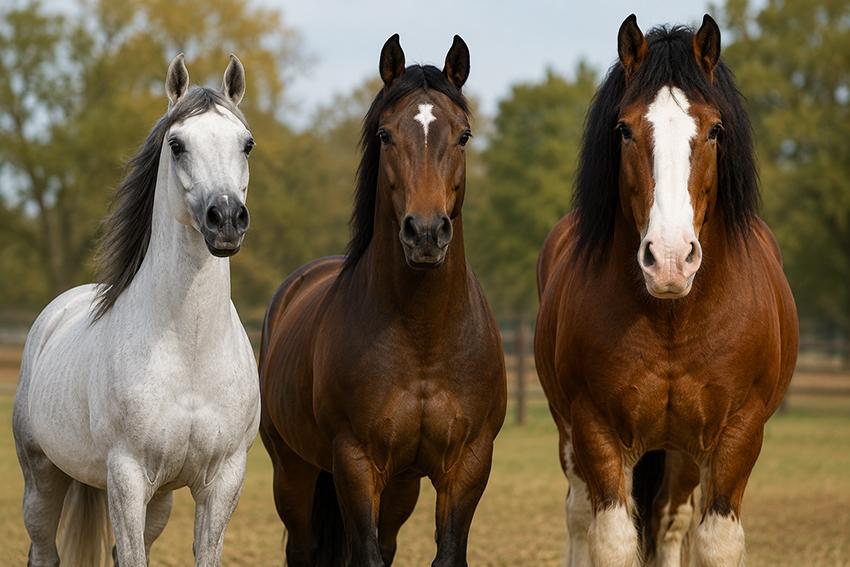
If you spend enough time around horses, sooner or later you’ll hear someone describe a horse as a hot blood, warmblood, or cold blood. Unfortunately, many horse owners are left wondering exactly what those terms mean.
Are they referring to the horse’s body temperature? Its breed? Its personality? Where in the world their breed originated from?
The answer to the question is more complicated than any of the above.
Traditionally, horse breeds have been classified as hot-blooded, warmblood, or cold-blooded based on their breeding history and intended purpose. While those classifications still have value, most horse owners experience these differences in a much more practical way.
We experience our horse through their temperament. How sensitive is the horse? How quickly does it react? How forgiving is it when we make mistakes? How much patience does the horse require from us?
These questions often matter far more than breed classifications. After many years around horses, I’ve come to believe that most horse owners are really asking one simple question:
What kind of horse fits me best?
The answer often begins with understanding hot bloods, warmbloods, and cold bloods. Once you understand the spectrum, you stop chasing a breed name and start looking for the temperament that fits your hands, your goals, and your level of experience.
First, They Are All Horses
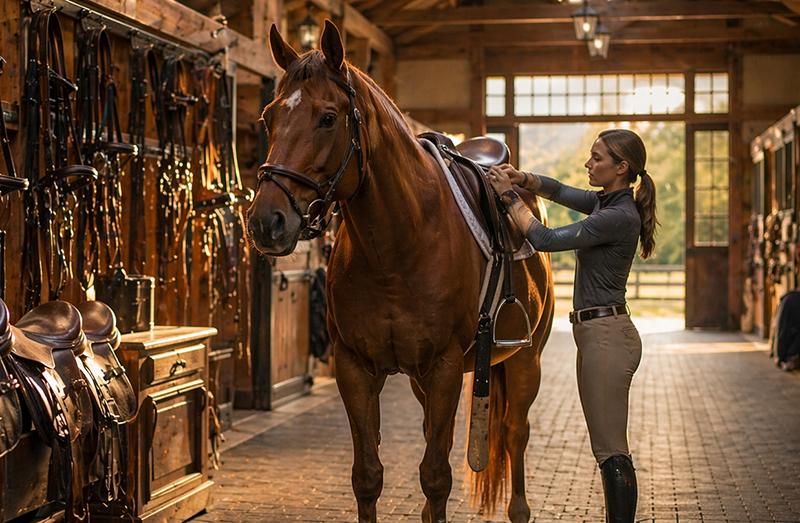
Before we go any further, it is important to remember that every horse is an individual. You can find a calm Arabian and an energetic Quarter Horse. You can find a lazy Thoroughbred and a spirited draft horse.
Breed tendencies exist, but individual personalities always matter. This article discusses general tendencies, not absolute rules.
Hot Bloods: The Sensitive Thinkers
Hot-blooded horses are often misunderstood. Many people assume hot means difficult. That isn’t necessarily true. In many cases, hot simply means sensitive.
These horses notice everything. A shift in your seat. A slight change in rein pressure. A change in your mood. An unfamiliar object along the trail.
They are often intelligent, athletic, and highly responsive. The same sensitivity that can make them wonderful performance horses can also make them less forgiving of inconsistent handling.
Hot bloods often reward patience. They thrive when training is fair, consistent, and thoughtful. When rushed, confused, or handled roughly, they can become anxious much more quickly than less sensitive horses.
Examples often include Arabians, Thoroughbreds, and many Morgans. As a Morgan owner myself, I would place many Morgans closer to the hot-blooded side of the spectrum than many traditional classifications suggest. While often steadier than an Arabian, many Morgans are highly intelligent, sensitive, and quick to respond to both good and poor training — warmbloods that are touching that hot-blood classification, in my opinion.
Where Do Morgans Fit?

One question I am frequently asked concerns the Morgan horse. Traditionally, Morgans are classified as light horses rather than warmbloods or hot bloods. However, after owning and riding Morgans, I personally place many of them closer to the hot-blooded side of the temperament spectrum.
Not because they are difficult. Quite the opposite. Many Morgans are highly intelligent, extremely people-oriented, and remarkably responsive to training. The same traits that make them enjoyable partners can also make them sensitive to poor training practices.
For horse owners who value communication, partnership, and versatility, this sensitivity is often one of the Morgan’s greatest strengths.
Warmbloods: The Middle Ground
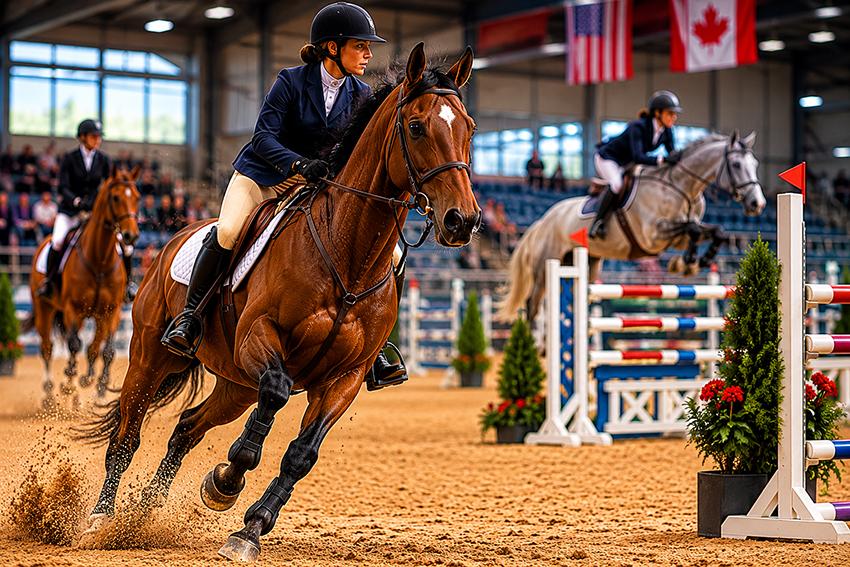
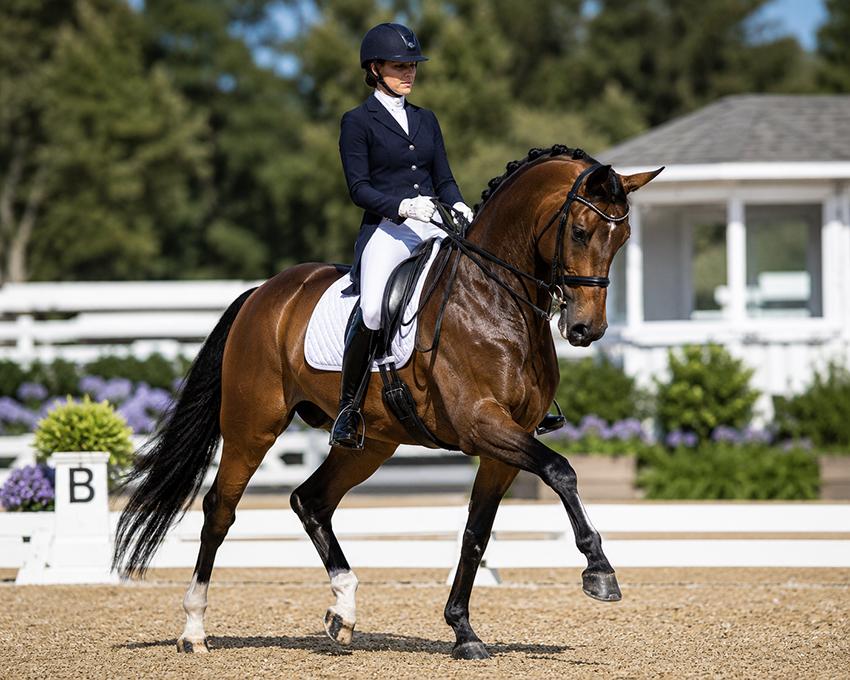
Warmbloods often occupy what many horse owners consider the “sweet spot.” They tend to offer a balance between sensitivity and tolerance. They notice our aids, but they usually give us a little more room for error before reacting.
For many riders, this creates confidence. The horse is responsive without being overly reactive. Athletic without being overly sensitive.
Many warmblood breeds were intentionally developed to combine athletic ability with trainability. For this reason, they have become popular choices in dressage, jumping, eventing, and many other disciplines.
Many horse owners also place certain Quarter Horses into this practical warmblood category because they often provide a similar balance of responsiveness and forgiveness. Others consider Quarter Horses hot bloods as well — another reminder that these categories blur at the edges.
Cold Bloods: The Patient Teachers
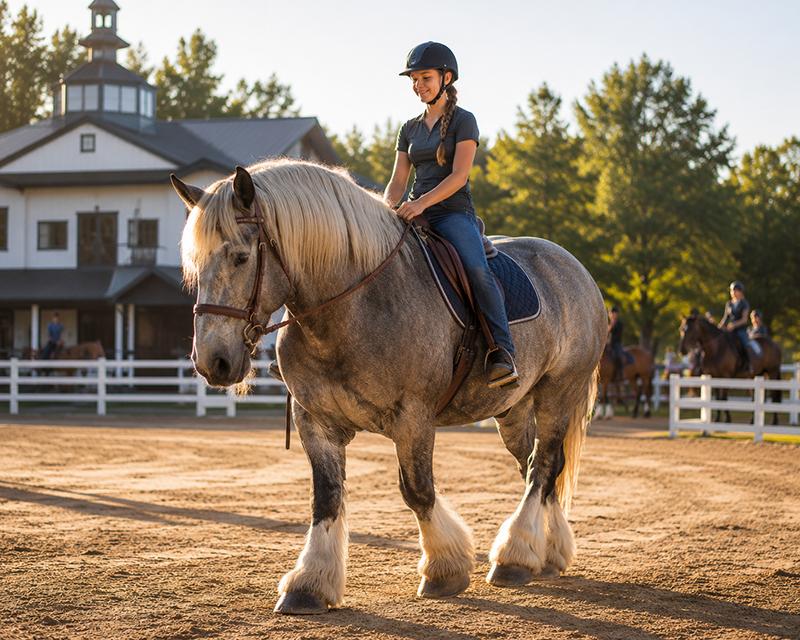
Cold-blooded horses are often known for their calm and steady nature. Many were developed as draft horses and bred for strength, reliability, and willingness to work.
Perhaps their greatest gift is patience. These horses often tolerate confusion longer than hot-blooded horses. They tend to think before reacting. They frequently forgive mistakes that might create problems with a more sensitive horse.
This makes them wonderful teachers for many riders. However, horse owners should never mistake patience for unlimited tolerance. Every horse has a breaking point. Cold bloods simply tend to arrive there more slowly.
Like all horses, they deserve fair treatment, consistent handling, and respect.
The Goldilocks Principle
One of the simplest ways to understand horse temperament is through the old Goldilocks story. Some horses may feel too hot. Some may feel too cold. Some feel just right.
The perfect horse for one rider may feel completely wrong for another. A competitive rider may love the responsiveness of a hot horse. A beginner may gain confidence from a colder horse. Another rider may find the middle ground ideal.
There is no universally perfect horse. There is only the horse that best matches the rider.
That single idea changes how you shop for a horse, how you train the one you already have, and how patient you are with yourself along the way.
There Is a Job for Every Horse
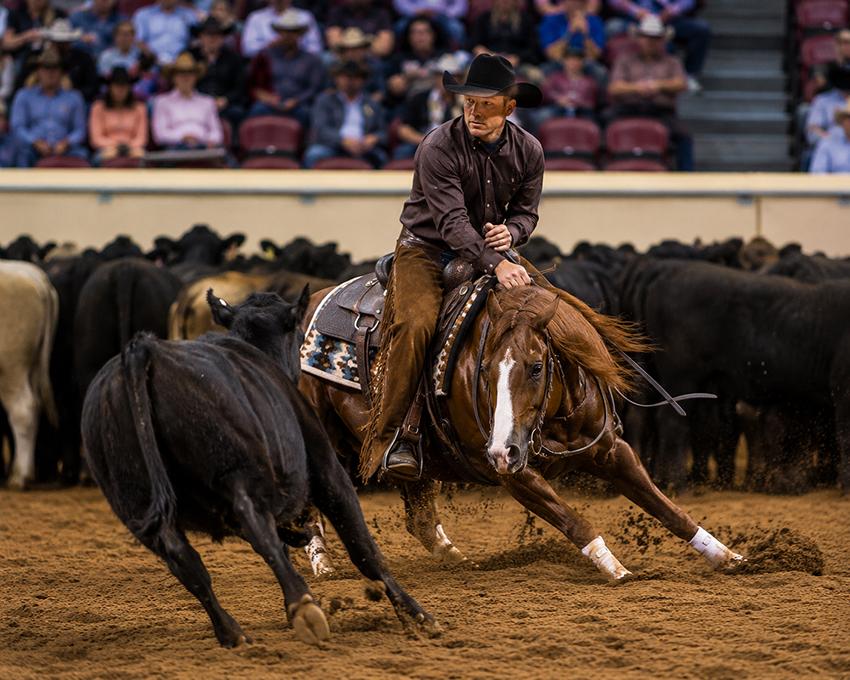
Throughout history, humans developed different horse types for different purposes. Draft horses pulled heavy loads. Arabians carried riders across deserts. Thoroughbreds were developed for speed. Warmbloods excelled in sport. Quarter Horses worked cattle.
Morgans became known for their versatility, serving as riding horses, driving horses, cavalry horses, and family horses. Each horse type developed strengths that helped it perform specific jobs.
Today, however, most horses can perform many different roles. The real question is often not what the horse can do. The question is how the horse prefers to do it.
Which Type Is Best?
Horse owners ask this question all the time. The answer may be disappointing. There isn’t one.
Hot bloods are not better than cold bloods. Warmbloods are not better than hot bloods. Cold bloods are not better than warmbloods. They are simply different.
Every horse type offers unique strengths. Every horse type presents unique challenges. Every horse teaches us something different.
How Different Horse Types Learn
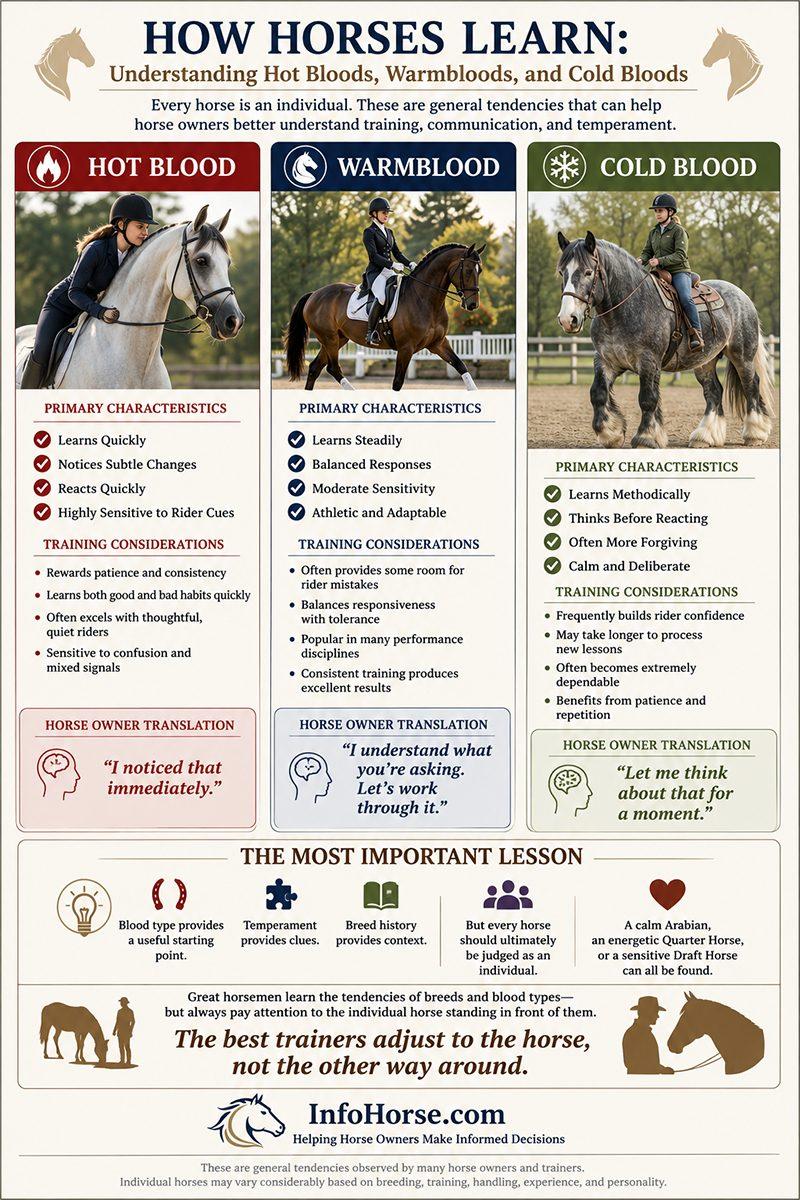
While every horse is an individual, many horse owners notice differences in how hot bloods, warmbloods, and cold bloods process information.
A hot-blooded horse often learns both good and bad lessons very quickly. If training is fair and consistent, these horses can progress rapidly. However, confusion, rough handling, or inconsistent cues may also create problems quickly.
Warmbloods often provide a little more room for error. They typically remain responsive while tolerating occasional mistakes from the rider or trainer.
Cold bloods frequently learn at a steadier pace. They may take longer to respond to a new lesson, but they often become extremely reliable once they understand what is being asked.
This helps explain why patience is important with all horses, but especially important with sensitive horses.
Hot Blood, Warmblood & Cold Blood at a Glance
| Trait | Hot Blood | Warmblood | Cold Blood |
|---|---|---|---|
| Sensitivity | High | Moderate | Lower |
| Reaction Speed | Fast | Moderate | Slower |
| Tolerance for Training Mistakes | Lower | Moderate | Higher |
| Athleticism | High | High | Moderate |
| Patience Required from Handler | High | Moderate | Moderate |
| Forgiveness of Inexperienced Riders | Lower | Moderate | Higher |
| Typical Size | Light | Medium | Heavy |
Understanding Pressure
One way I explain horse temperament is by thinking of a pressure cooker. A hot-blooded horse often feels pressure quickly. A warmblood notices pressure but may tolerate it longer. A cold blood often absorbs pressure for quite some time before reacting.
The mistake many horse owners make is assuming that because a cold blood appears tolerant, the horse is not affected. The pressure is still there. The horse is simply expressing it differently.
Eventually every horse reaches a point where something has to give. Understanding this helps horse owners become better trainers and partners.
The Biggest Mistake Horse Owners Make
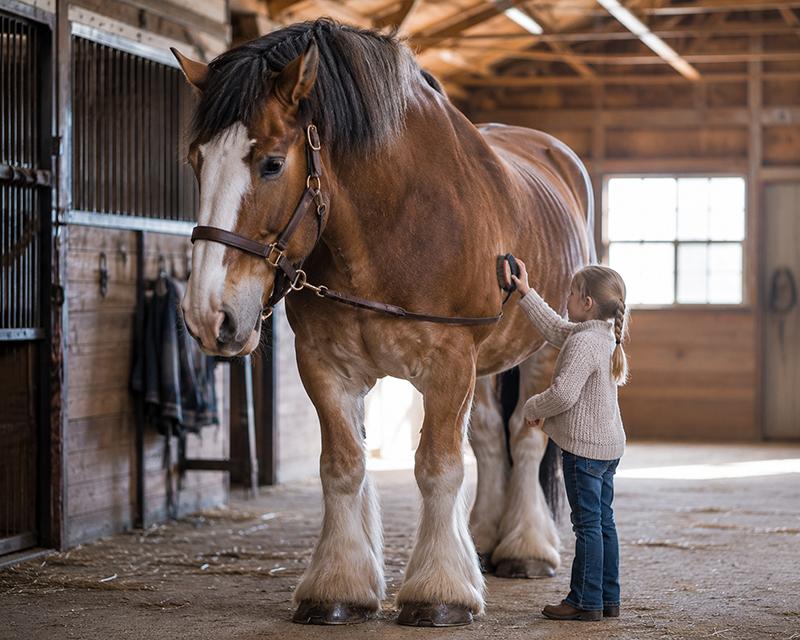
Perhaps the biggest mistake horse owners make is expecting every horse to learn the same way. Many training problems occur when we try to force a horse to fit our preferred style rather than adjusting our style to fit the horse.
The sensitive horse often needs patience. The slower horse often needs consistency. The athletic horse may need mental stimulation. The quieter horse may need encouragement.
Good horsemen learn to train the horse in front of them rather than the horse they wish they had.
Are hot-blooded horses dangerous?
No. Most are simply more sensitive and responsive than other horse types.
Are cold-blooded horses lazy?
Not necessarily. Many are hardworking, willing horses that simply respond differently than hotter horses.
Are Quarter Horses warmbloods?
Traditionally no. However, many horse owners describe some Quarter Horses as having warmblood-like temperaments because of their balance between responsiveness and forgiveness.
Are Morgans hot bloods?
Traditionally they are classified as light horses, but many owners consider them closer to hot bloods due to their intelligence, sensitivity, and responsiveness.
Which horse type is best for beginners?
Temperament and training matter more than breed category. A well-trained horse of any type is usually a better choice than an untrained horse of any type.
The Most Important Thing to Remember
If there is one lesson horse owners should take away from this discussion, it is this: hot bloods, warmbloods, and cold bloods provide useful guidelines — but they are not guarantees.
These categories help us understand general tendencies. They help us predict how a horse may respond to training. They help us identify strengths that have been developed through generations of selective breeding. But they do not tell us everything.
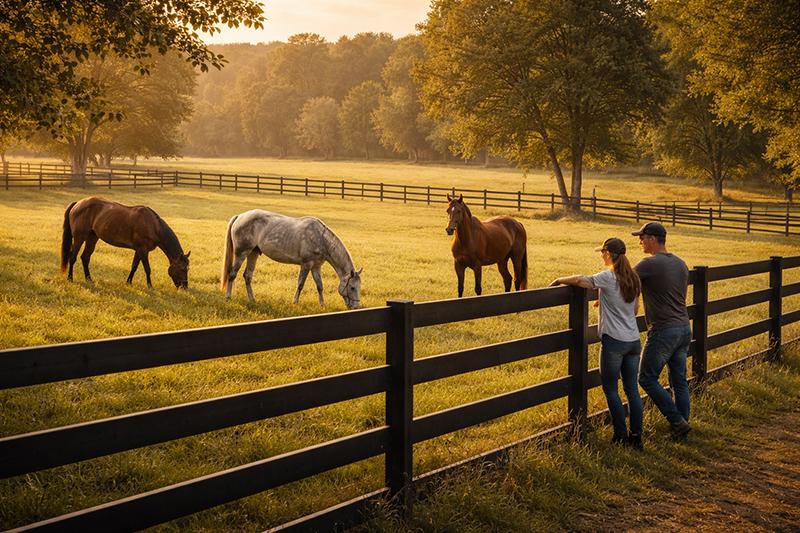
Not even close. Over the years I have known calm Arabians, energetic Quarter Horses, sensitive draft horses, and Morgans that could fit almost anywhere on the temperament spectrum.
Every horse arrives with its own personality, experiences, strengths, fears, preferences, and ways of learning. Two horses of the same breed can sometimes be more different from each other than horses from entirely different breeds.
That is why good horsemen never stop at the breed description. They study the individual horse.
Blood type may tell us where to start. Breed may tell us what generations of horsemen intended that horse to become. But the individual horse standing in front of us tells us who that horse really is.
Whether your horse is a hot blood, warmblood, or cold blood, the goal is the same: understand the horse, respect the horse, and build a partnership based on trust. Because at the end of the day, horses do not read breed books. They simply spend each day showing us who they are.
Learn the blood types. Understand the tendencies. But judge the individual.
Final Thoughts
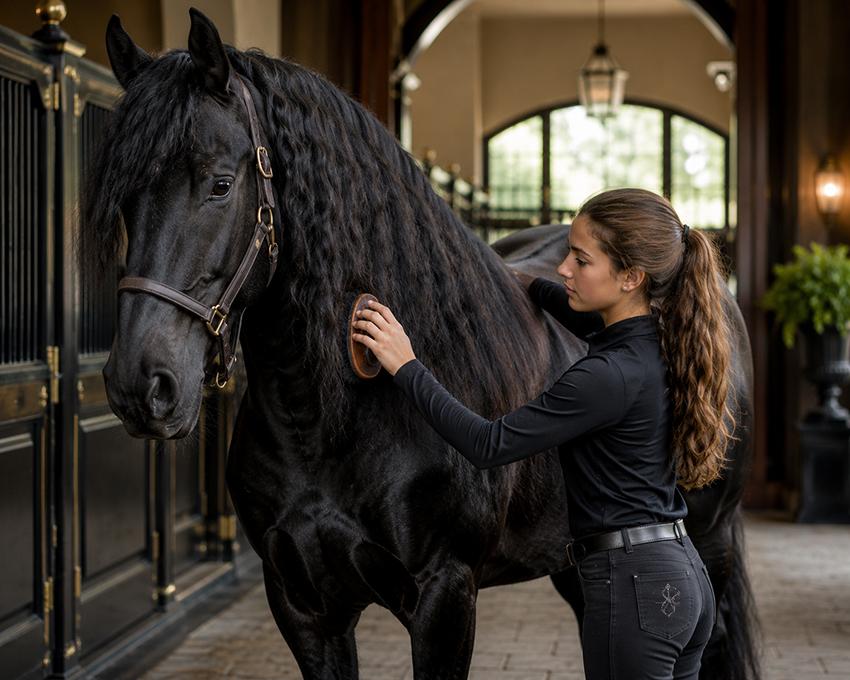
Perhaps one of the greatest lessons horses teach us is that different does not mean better or worse. A hot horse may teach patience. A warmblood may teach consistency. A cold blood may teach confidence.
The goal is not finding the best horse. The goal is finding the horse that is right for you. And somewhere out there is a rider for every horse and a horse for every rider. That may be one of the reasons we never stop learning from them.
After all these years around horses, I have found that the best horse is rarely the hottest, the coldest, or even the most talented. The best horse is the one that teaches us to become better horsemen.
— Bob Pruitt, CEO, InfoHorse.com