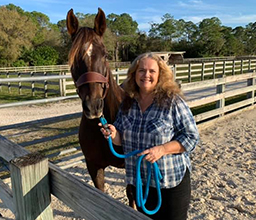


Dressage tack should create fewer arguments, not more decoration. The expensive mistake is buying the visible pieces before the useful pieces. A rider can own a beautiful bridle, a gleaming bit, and a fashionable pad while the saddle tips, the noseband pinches, or the girth pulls the saddle forward.
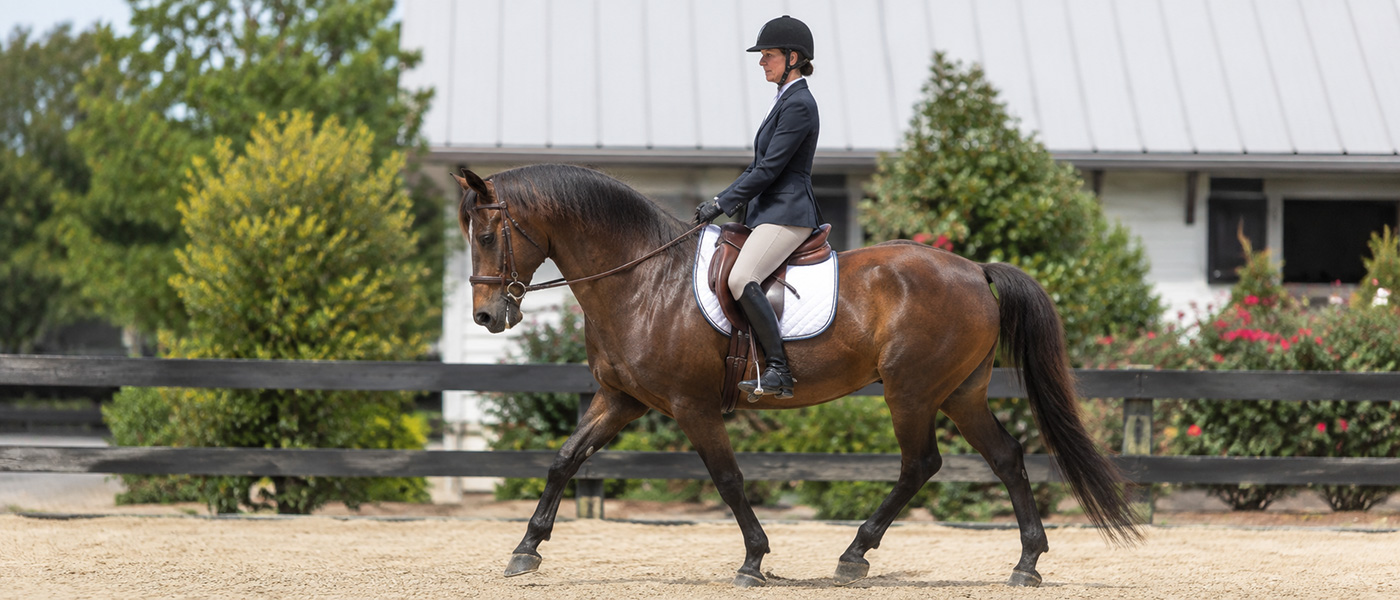
Dressage rewards clarity. Tack does not train the horse for you, but it can either support honest contact and balanced movement or keep adding little irritations the rider then has to manage. The goal is not plainness. The goal is polish that has earned its place.
The Bridleway rule: If a piece of tack changes the horse by discomfort, restriction, or leverage before it improves the rider by clarity, it is the wrong priority.
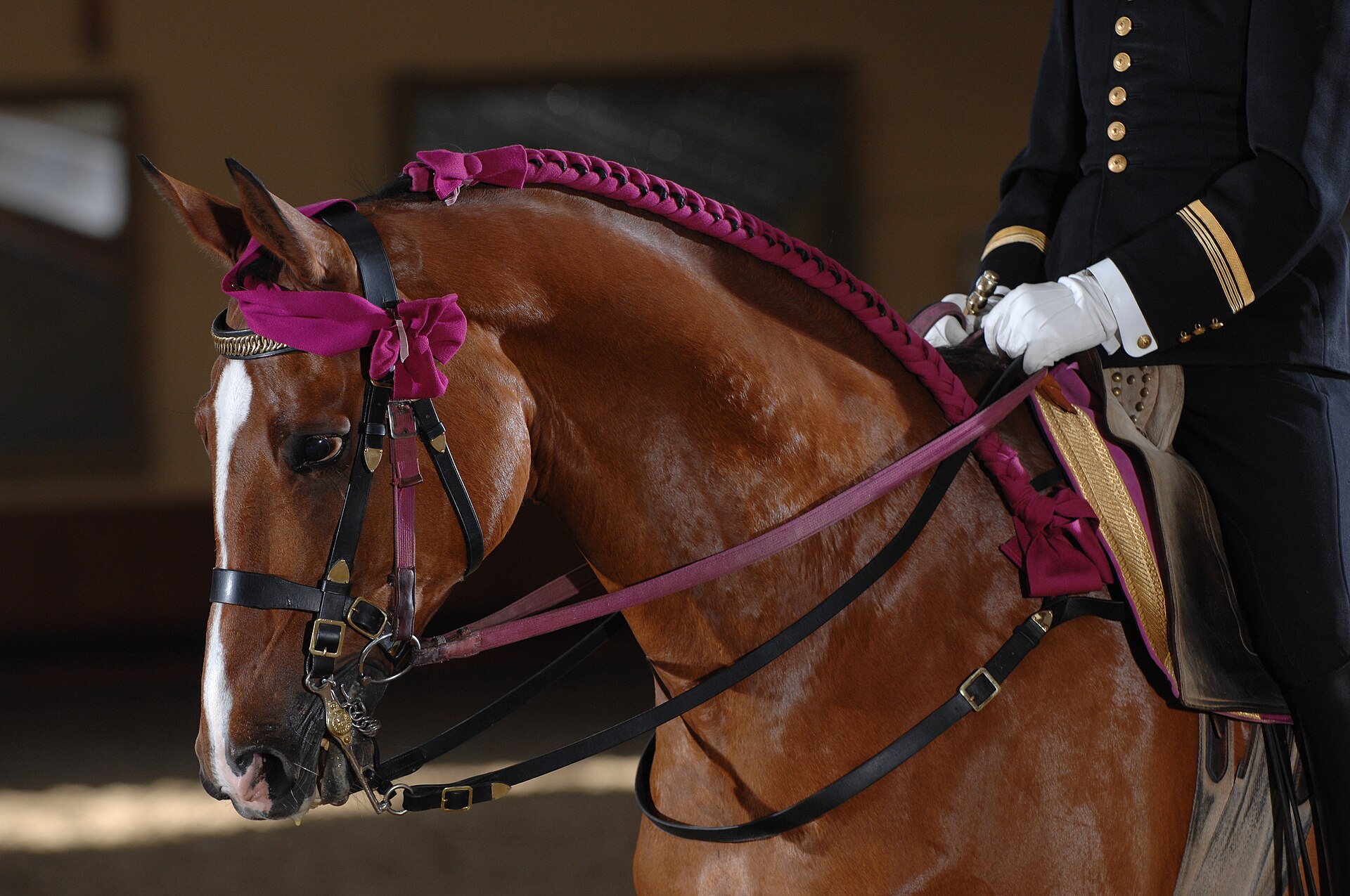
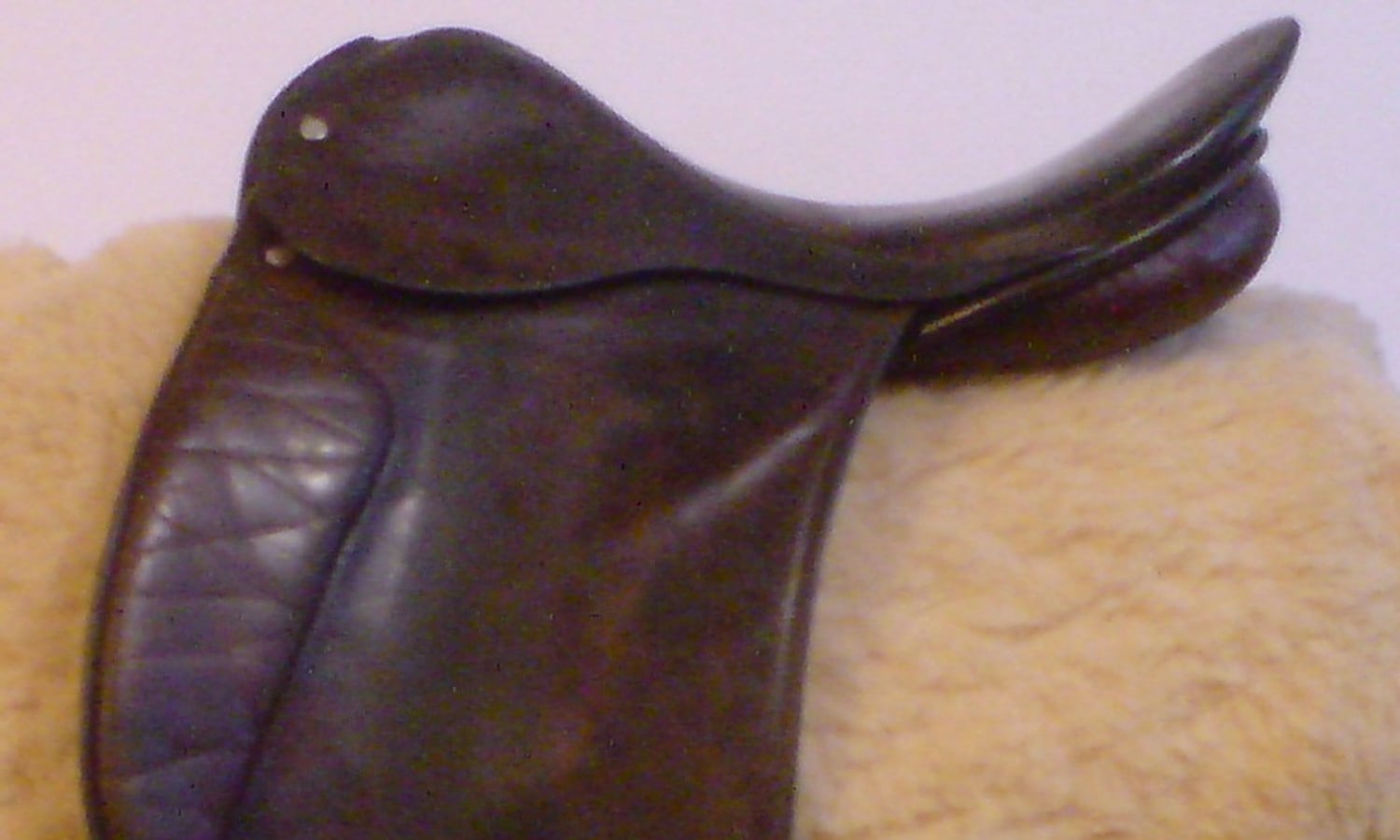
The saddle is the center of the conversation
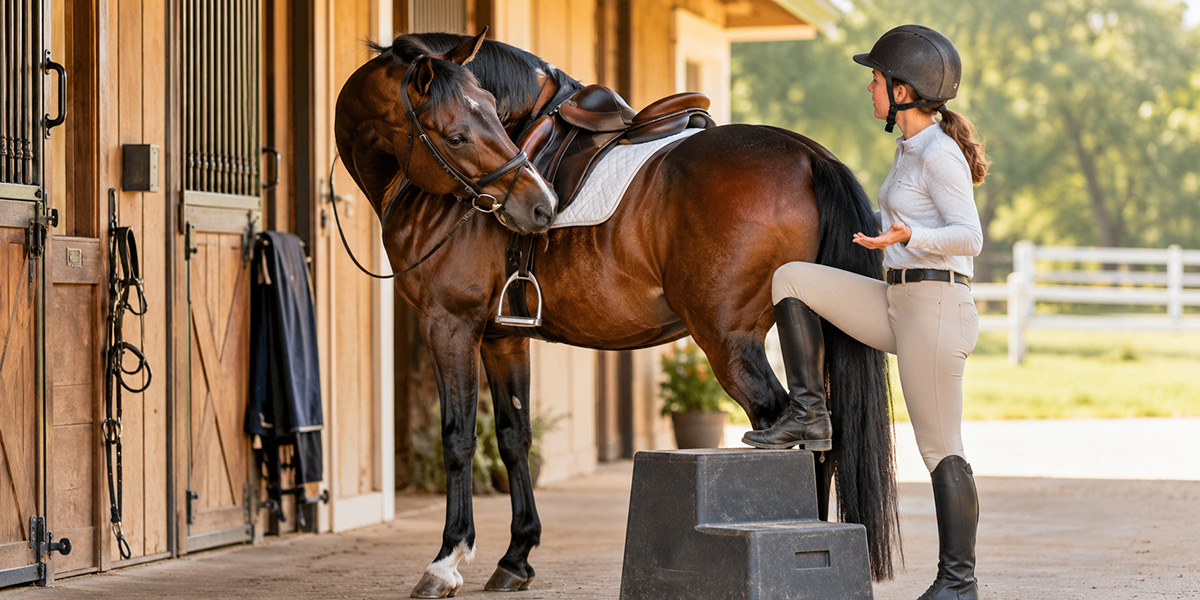
The saddle affects the horse, rider, leg position, back, and contact all at once. If it tips the rider behind the motion, blocks the shoulder, or creates uneven pressure, every other tack decision becomes noise. A correct saddle lets the rider sit quietly enough to make useful choices.
Adult amateurs and teens often feel this as a confidence problem before they recognize it as a tack problem. They fight their position, tighten the hand, or lose the leg because the saddle has made balance harder than it needs to be.
Bridle fit is not just a pretty headpiece
A bridle should sit away from sensitive structures, avoid pinching, and allow the horse to chew, swallow, and carry the contact without a defensive expression. The browband should not drag the headpiece forward. The throatlatch should not become a restraint. The noseband should be adjusted with real room and respect.
The modern English market offers anatomical designs, padded crowns, and many noseband choices. Those can be useful, but the best feature is still correct adjustment on the actual horse in front of you.
Pretty but vague
Selected because the leather, stitching, or hardware looks expensive, without checking pressure, symmetry, or how the horse feels in contact.
Polished and useful
Selected because it fits the head, leaves room, supports quiet contact, and still looks appropriate in the ring.
Bits, girths, and pads should answer specific questions
A bit is not a shortcut around training. It should suit the mouth, the rules, and the rider's hands. If the horse opens the mouth, hides behind the contact, leans, tosses, or braces, the answer may be dental care, training, rider timing, or bridle fit before it is a new metal shape.
Girths and pads have their own jobs. A girth should stabilize without dragging the saddle forward or creating elbow rubs. A pad should stay smooth, clear the spine, and avoid covering up saddle problems. Each piece deserves a reason.
| Tack decision | Ask this first | Better buying signal |
|---|---|---|
| Saddle | Does the horse move freely and does the rider sit in balance? | Professional fit check, even pressure, and a rider who can stay quiet. |
| Bridle | Does it avoid pressure while keeping the contact clear? | No pinching, no forced mouth closure, no dragged headpiece. |
| Bit | Is the horse comfortable, legal, and trained for the question? | Calm mouth, steady rhythm, and appropriate guidance from trainer or professional. |
| Girth | Does it stabilize without pulling or rubbing? | Saddle stays balanced, elbows stay free, skin remains calm. |
Rules change and disciplines differ.
Always check the current show rules for bits, nosebands, pads, and equipment before competing. Do not assume a trend is legal because it is common on social media.
What riders are asking before they buy, show, or change the routine
The useful question is often more ordinary than the polished product copy. Riders and parents want to know what will help the horse feel better, what will keep the rider safer, what is worth paying for, and what can wait. The better buying habit is to translate each worry into a check you can repeat at the barn.
Keep these questions open
- What dressage tack should I prioritize first?
- How tight should a dressage noseband be?
- Does an anatomical bridle automatically fit better?
- Should a dressage rider buy a new bit for contact problems?
The tack room test
If a rider had to explain every item in the tack trunk to a trainer, the best answers would be simple: this saddle fits, this bridle leaves the horse comfortable, this girth prevents shifting, this pad keeps the back clean and cool enough for the job.
That is the quiet luxury of dressage tack. Not a pile of expensive accessories, but a small set of pieces that help horse and rider repeat good basics.
Parent note: For a young rider, teach the phrase “what problem does this solve?” before “what brand is it?” It builds better horsepeople and saves a lot of money.
What to ask the professional before you spend more money
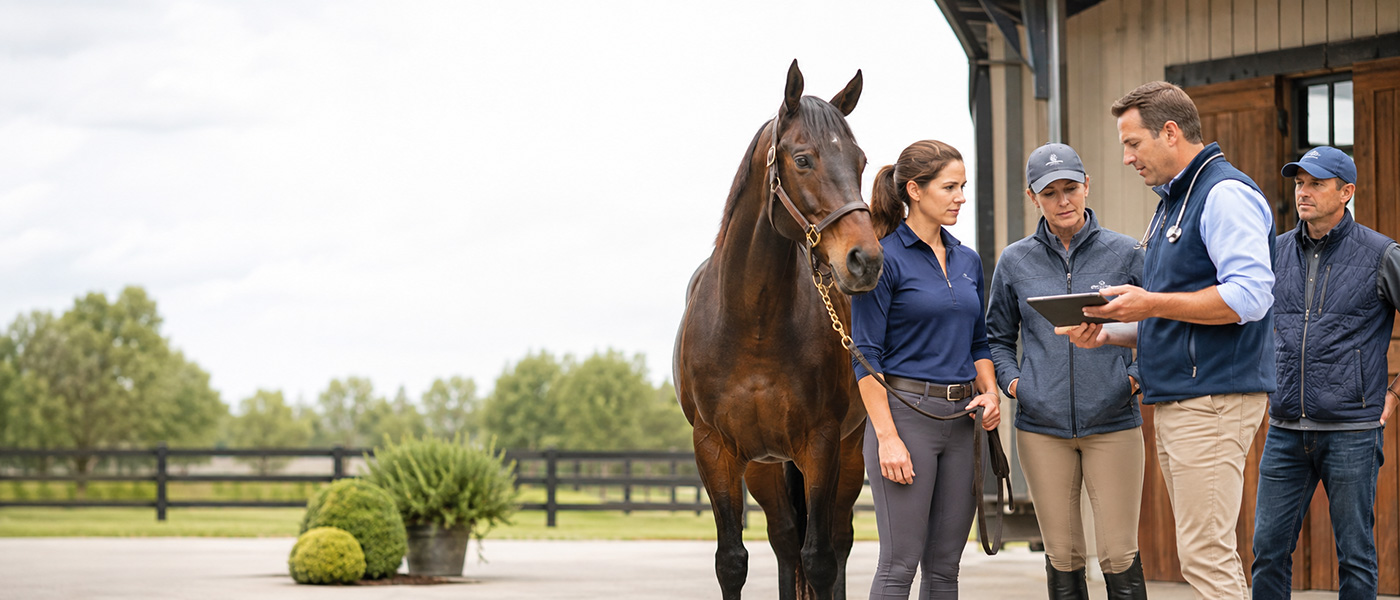
A polished English-riding decision still benefits from a second set of expert eyes. Before buying the upgraded version, changing equipment, adding a new product, or blaming the horse, bring a clean question to the trainer, veterinarian, fitter, farrier, barn manager, or product specialist.
| Ask | Why it helps |
|---|---|
| What problem are we solving first? | It separates comfort, safety, training, rule, and presentation questions. |
| What evidence would change the plan? | It keeps the decision from becoming brand loyalty or barn rumor. |
| How will we know this worked? | It turns the purchase or routine into an observable horse-care test. |
How to use this guide this week
Pick one checkpoint from this guide and use it before or after three rides this week. Write down what you saw, what the horse felt like, and whether the answer changed after a lesson, a harder school, or a show-day simulation. Good horsepeople do not need perfect guesses. They need repeatable observations.
Simple record: Keep a tiny note in your phone: date, horse, work, what changed, and what you will ask your trainer or professional next. Patterns are where ordinary barn notes become useful horsemanship.
Research note: This Bridleway guide was shaped from USEF Rulebook, USDF education, Practical Horseman, r/Equestrian reader discussions. Forum and Reddit discussions were used only to understand common rider questions, not as veterinary, legal, or rule authority.