

Feeding Hay in the Pasture Without Feeding the Ground
Sponsored by Klene Pipe Structures
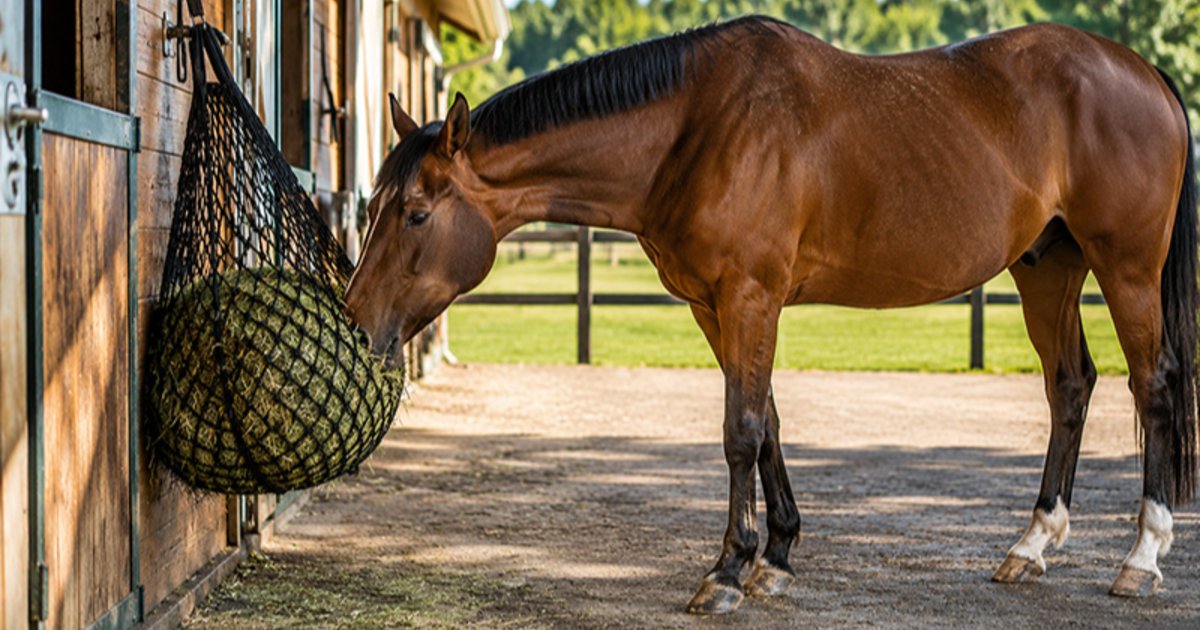
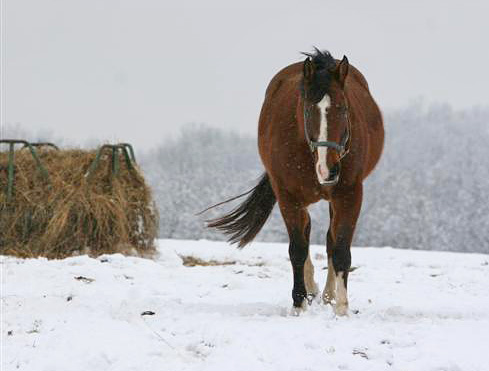
Whether the horses in your pasture are retired barrel horses, broodmares, young Thoroughbreds, hunters, trail horses or expensive show horses enjoying a day away from the barn, one problem tends to look remarkably similar: hay on the ground.
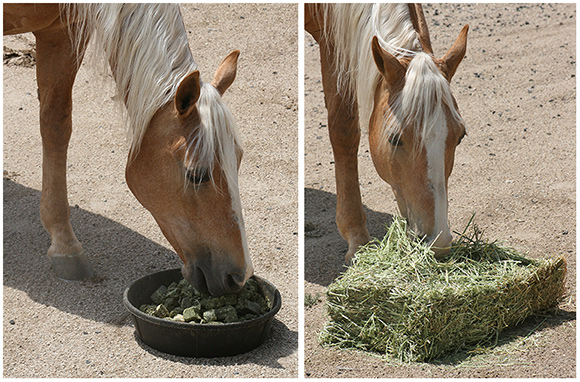
A horse pulls out a mouthful, takes two bites and drops part of it. Another horse paws through the pile. Wind catches the loose stems. Rain arrives overnight. Before long, a surprising amount of expensive forage has become bedding for the pasture rather than feed for the horses.
For years, horse owners have accepted some hay loss as simply part of feeding horses outside. But with the cost of quality hay, it is worth looking carefully at the feeder itself. A good pasture feeder should do more than hold a bale. It should help keep hay contained, protect as much of that investment as practical, allow horses comfortable access and stand up to years of outdoor use.
That becomes particularly important at larger horse farms and boarding stables where several horses may be eating from the same source every day.
The Problem Isn't Just What Horses Eat
There is a difference between the amount of hay placed in a pasture and the amount horses actually consume.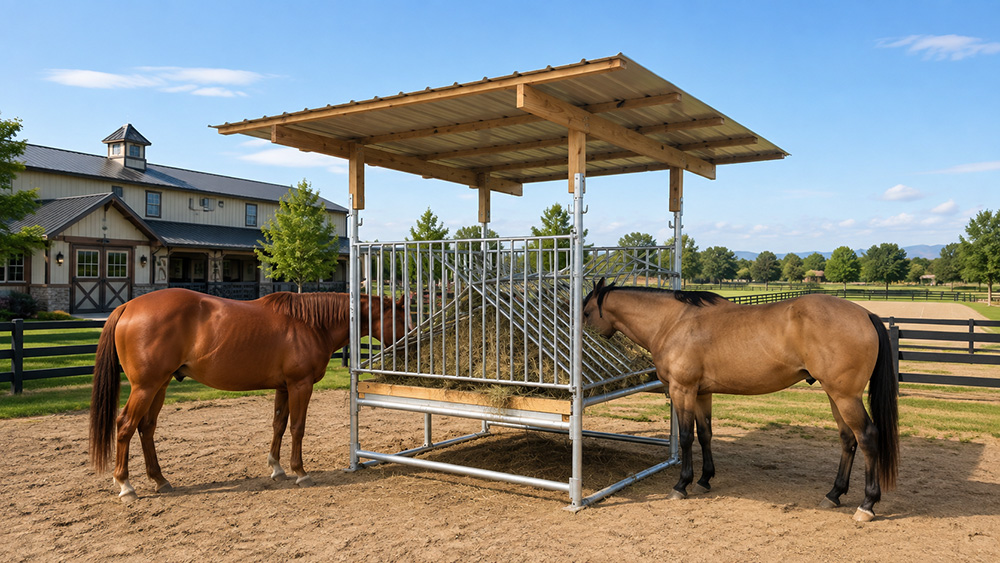
Hay that ends up scattered around a feeder may be stepped on, mixed into mud, blown away or contaminated with manure. Even when horses continue picking through some of it, the feeding area can quickly become messy.
In wet climates, the problem becomes even more obvious. Loose hay around a feeder traps moisture and mixes with soil. In dry or windy areas, stems can spread surprisingly far from the feeding location.
The feeder, therefore, becomes part of pasture management.
Keeping forage concentrated in one designated area can make it easier to maintain the surrounding ground, monitor consumption and clean the feeding location. It can also make an otherwise attractive farm look considerably more orderly.
That last point shouldn't be dismissed. Many English training and boarding facilities devote considerable effort to beautiful barns, manicured turnout, good fencing and well-maintained grounds. A conventional bale ring surrounded by several feet of scattered hay may work, but it does not necessarily complement the rest of the facility.
The same is true on a well-kept Western performance horse property or breeding farm.
Function and appearance do not have to be mutually exclusive.
A Different Approach to the Big-Bale Feeder
One pasture feeding system that caught our attention is the HaySaver from Klene Pipe Structures.
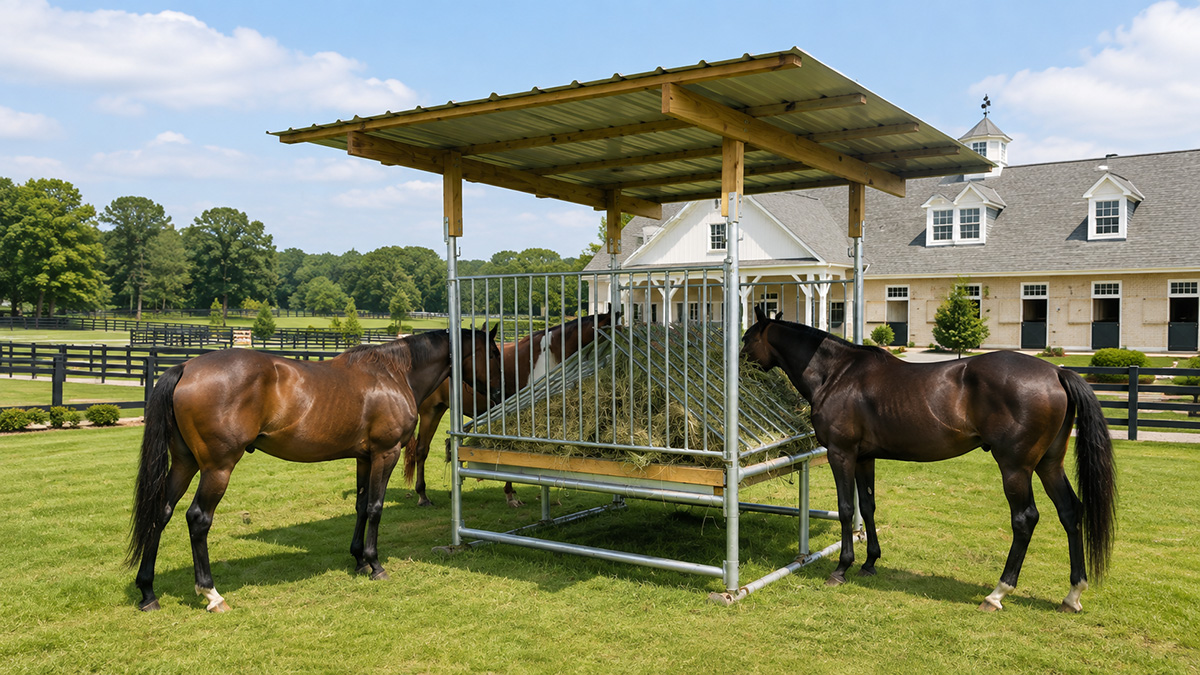
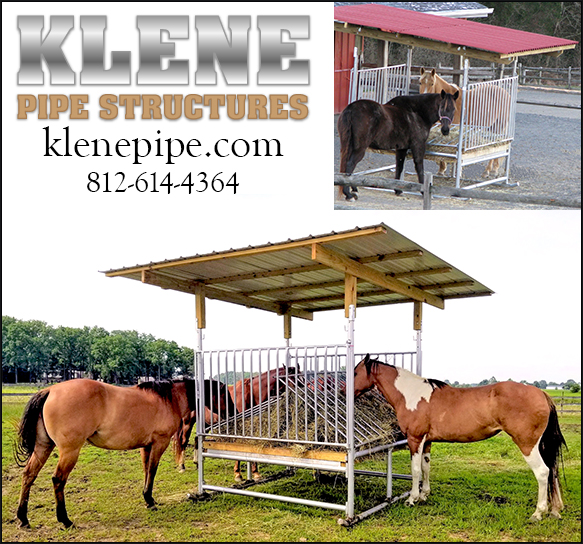
Rather than simply surrounding a bale with a stationary ring, the Klene design uses patented folding feeding grills. The grills move inward toward the hay as the horses consume it, helping keep the remaining forage contained instead of allowing horses to continually pull large quantities away from the bale.
It is a fairly simple idea, but it addresses one of the most frustrating parts of feeding hay outside: the horse that seems determined to redistribute the bale across the entire pasture.
The design also prevents horses from burying their heads deeply into the bale. Klene says this was intended to reduce exposure to hay dust and the possibility of irritation from hay stems around the eyes. The grills can also be secured in an upright position when a new bale is being loaded or when the feeder is being cleaned.
Another feature we particularly like is underneath the hay.
The feeder incorporates a floor that raises the bale above the ground.
That may not sound exciting until you have watched the bottom of a good bale absorb moisture from wet ground. Keeping the forage elevated can be especially valuable during rainy seasons, in muddy turnout areas or anywhere drainage is less than perfect.
The Roof May Be More Important Than It Looks
The HaySaver can also be equipped with an optional roof.
For horse owners, this feature deserves more attention than simply viewing it as another accessory.
Rain obviously damages exposed hay, but weather protection is useful in several ways. A roof can help keep precipitation directly off the bale while also providing shade over the immediate feeding area. Klene specifically designs the feeders with brackets that allow a roof to be installed.
That could make this system particularly interesting for English barns where horses spend long periods turned out during the day.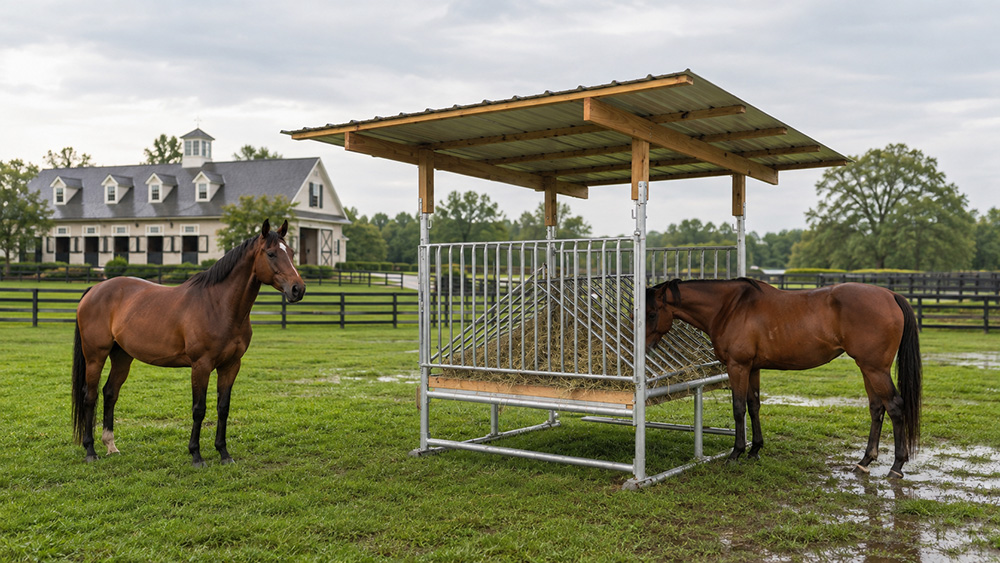
Imagine a group of Thoroughbreds or Warmbloods in a large paddock. Instead of loose hay piles distributed around the field—or a conventional round bale sitting exposed to sun and weather—the horses have a designated covered feeding station.
The feeder suddenly becomes less like a piece of livestock equipment and more like part of the turnout infrastructure.
The same concept works just as well on a Western farm. Performance horses, broodmares, ranch horses and retirees all have the same basic requirement: access to clean forage.
Big Bales Aren't Only for Big Ranches
Round and large square bales have traditionally been associated with ranches and larger livestock operations, but plenty of English facilities now use them as well.
The economics can make sense when several compatible horses are turned out together.
The challenge is delivering that forage without creating unnecessary waste.
Klene offers different configurations. Its H-8 is the company's most popular horse model and is designed to accommodate a large round bale; depending upon the feeder length, it can also be used with combinations of smaller bales. The H-10 is a larger design intended for multiple small bales or one large square bale.
That flexibility matters because hay availability varies dramatically by region.
A horse farm in Texas may routinely buy large round bales. A hunter barn in another part of the country may have better access to large squares. Smaller facilities may still prefer conventional small square bales.
The feeding system should fit the farm rather than forcing the farm to fit the feeder.
Consider the Horses Before Choosing Any Group Feeder
No feeder eliminates the need for good horse management.
Herd dynamics still matter.
A dominant horse can guard a feeding location, so owners must provide enough access for the number and temperament of horses being fed. Horses lower in the pecking order should be able to approach, eat and move away comfortably.
One testimonial published by Klene comes from the Southern Utah University Equine Program, which reported using multiple Big Bale Feeders for groups of horses and noted that continuous forage availability allowed lower-ranking horses more opportunity to eat.
That is an interesting observation, but every herd is different.
Watch your own horses.
If one horse consistently controls the feeder, the answer may be additional feeding locations, a different turnout grouping or individual feeding—not simply a larger bale.
Placement matters as well. Put a pasture feeder where trucks or tractors can reach it safely without tearing up the field every time a new bale arrives. Good drainage around the feeder is important because horses will repeatedly stand in the same location.
A feeder can help manage hay. It cannot fix a poorly chosen feeding site.
Think About Cost Per Year, Not Just Purchase Price
Heavy-duty pasture equipment is rarely the least expensive option on the day it is purchased.
The more useful question is what it costs over its working life.
Klene Pipe Structures has been manufacturing livestock equipment for decades and says its HaySaver feeders are built for long-term outdoor use. The company traces its history to 1949 and ships its equipment throughout the contiguous United States.
For a stable feeding substantial quantities of hay, even modest reductions in waste can become meaningful over several years.
Do your own math.
Estimate how many bales you feed annually. Then look at how much forage normally accumulates on the ground around your current feeder.
Don't use an advertising percentage. Use your pasture.
If ten, fifteen or twenty percent of what you purchase is regularly being trampled, soaked or discarded, that is hay you paid for but your horses never truly used.
Suddenly the feeder itself deserves considerably more attention.
Good Horsekeeping Often Comes Down to Small Systems
The best horse facilities are not necessarily those with the fanciest barns.
They are usually the ones where dozens of small management decisions work together.
Water is easy to access. Fences are maintained. Gates work properly. Mud is controlled. Pastures are rotated. Hay is stored carefully.
And when forage is fed outside, as much of it as possible ends up inside the horse rather than under his feet.
That is what makes the Klene HaySaver interesting.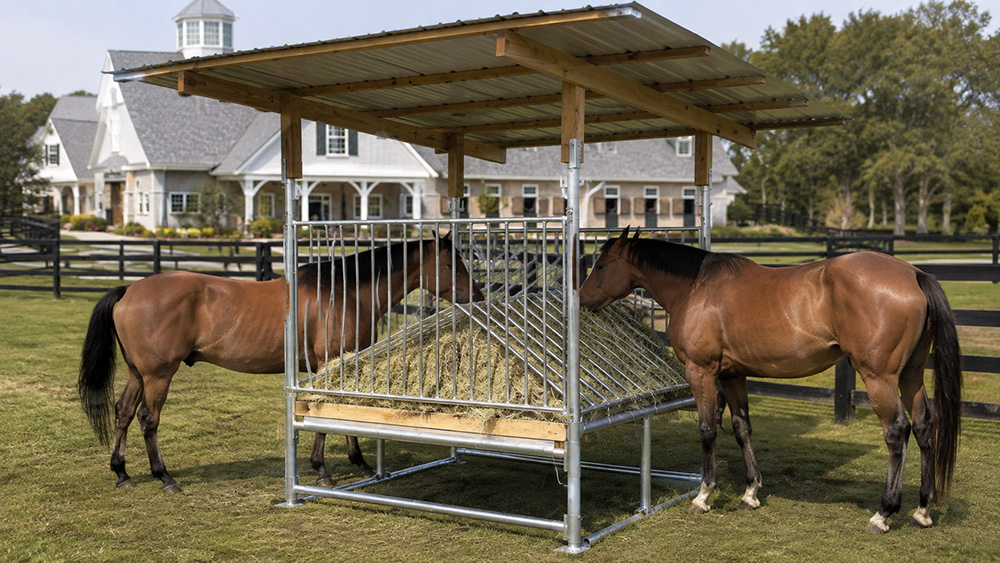
It isn't simply a container for a bale. The folding grills, elevated floor and available roof address several real problems horse owners encounter when feeding forage outdoors.
For the Western ranch, it can be a practical way to feed a group of horses while reducing the familiar mountain of wasted hay around a traditional feeder.
For the English boarding, breeding or training stable, it deserves consideration for another reason as well: it can turn bulk pasture feeding into a cleaner, more organized part of the facility.
And when you are feeding good hay to good horses, keeping more of that hay in the feeder instead of on the ground is a pretty sensible place to start.
Learn more about Klene Pipe Structures and its HaySaver horse feeders: Klene Pipe Structures