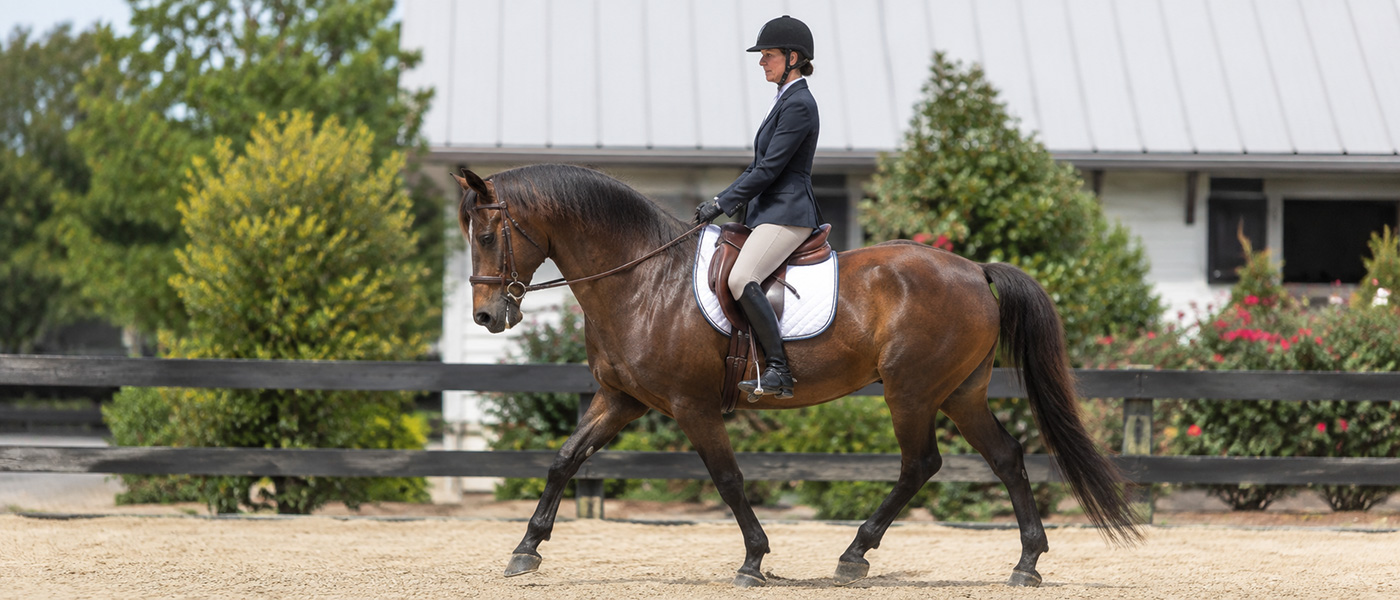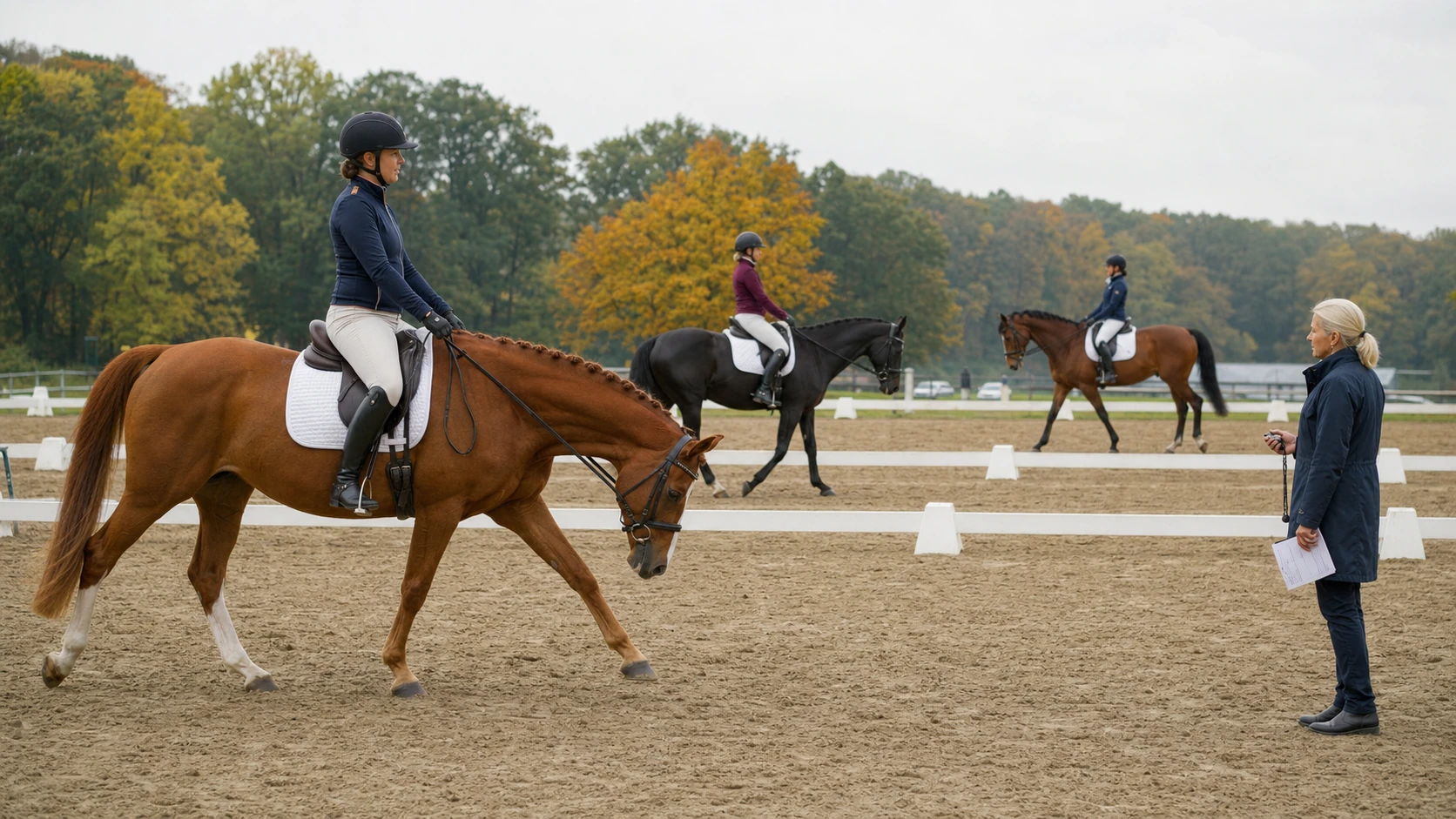
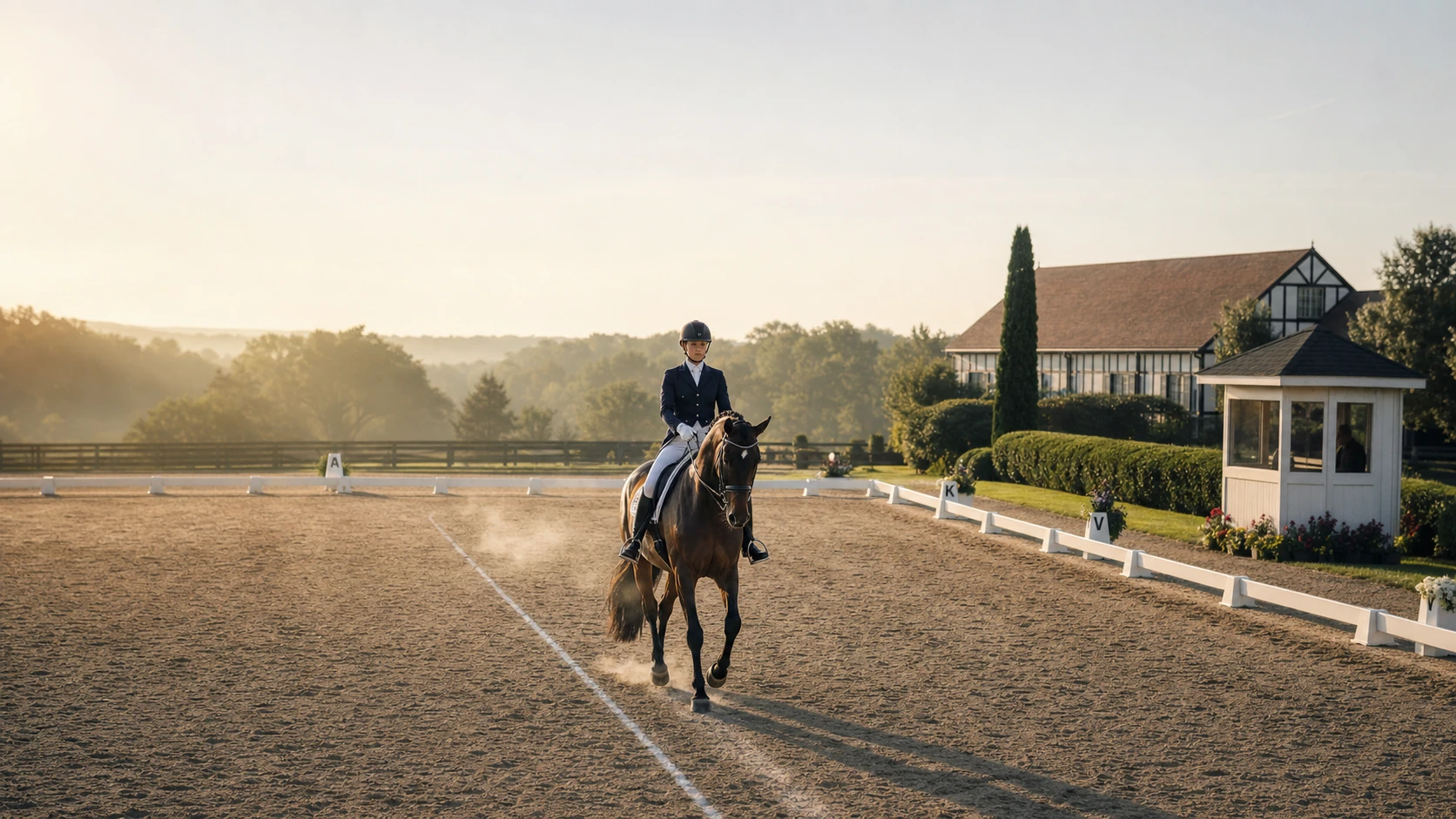


Here is the quickest way to improve a dressage test without teaching the horse a new movement: stop treating the arena pattern as the space between the important parts. The line, size, timing, and placement are part of the movement. A correctly sized circle lets the judge evaluate bend and balance. A straight centerline lets the judge see straightness. A transition at the letter shows preparation. Accuracy does not replace training quality, but it stops hiding it.
Riders have been asking the same plain question in dressage forums for years: how important is geometry, really? The honest answer is that a judge cannot award the test you meant to ride. The judge scores the picture that arrives at C. If the circle becomes a squashy pear, the diagonal wanders, and the halt lands somewhere near X by mutual agreement, you have made a difficult sport harder than it needs to be.
I call these donated marks. They are not free marks—nothing in dressage is free—but they are marks you can protect with a pencil, four cones, a friend at C, and considerably less money than most things sold in a tack shop.
The Bridleway rule: Every movement has two jobs. Produce the requested training quality, and put it on the requested map. School them separately when necessary; present them together in the test.
Why geometry changes more than the accuracy mark
A test figure is a diagnostic instrument. When a circle bulges toward the gate, the problem may not be “bad geometry” in isolation. The outside shoulder may be escaping. The rider may be looking down. The horse may not be responding to the outside rein, or may be losing rhythm because the figure is smaller than its current balance can manage. The map tells on the training.
That is why experienced judges and scribes keep returning to the same words: straight, balanced, accurate, prepared, clear, steady. The USDF judging and scribing explanation reminds riders that each movement carries a directive describing what the judge is evaluating. Read that directive. It is the answer key beside the pattern.
| What the test asks | What the map reveals | Common leak |
|---|---|---|
| Enter at A, halt at X | Straightness, preparation, immobility | Horse enters crooked; rider swings the quarters to find X |
| 20-meter circle | Uniform bend, rhythm, balance, line control | Circle is too small, too large, or loses a quarter point |
| Change rein on a diagonal | Straightness and a clear, planned line | Rider leaves late, drifts, or reaches the wall before the letter |
| Transition at a marker | Response to the aids and preparation | Aid begins at the letter; transition finishes several strides late |
| Ride through a corner | Bend, balance, outside-aid control | Corner becomes a turn on the forehand or is skipped entirely |
The centerline: finish the turn, then ride the line
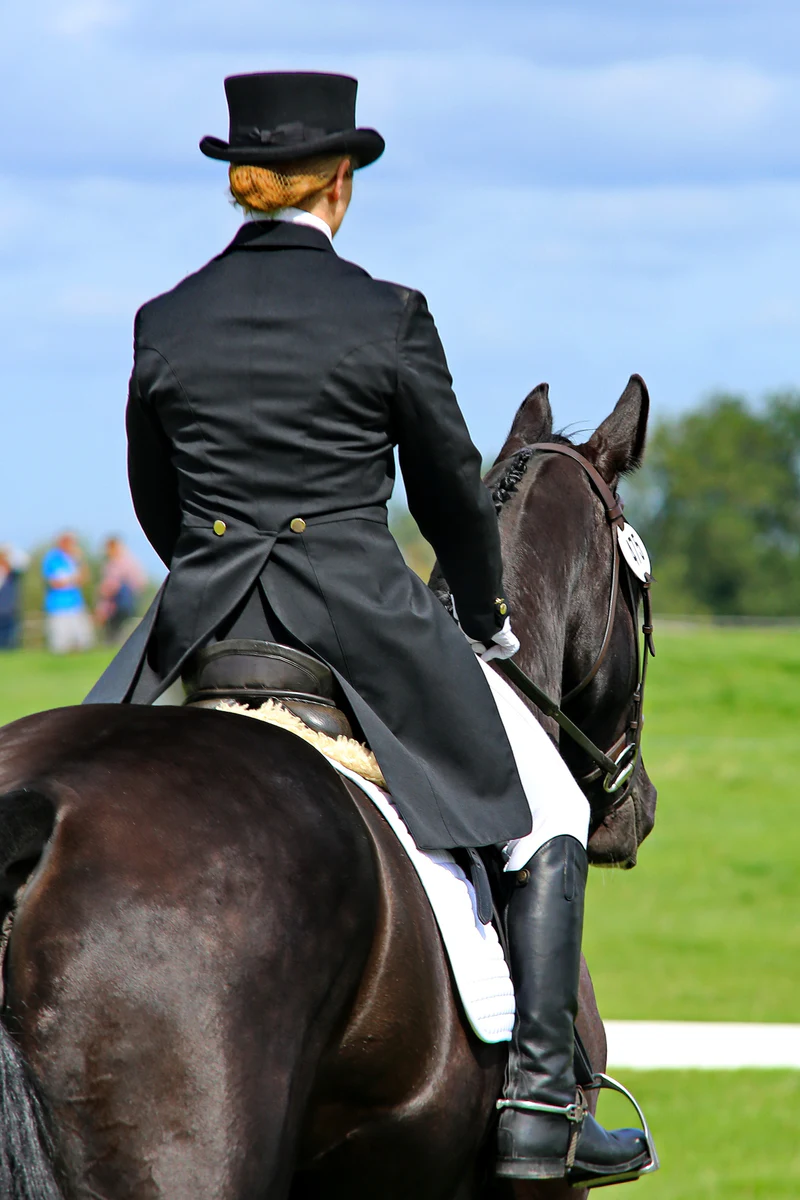
Many crooked centerlines begin before A. The rider turns while still trying to find the line, then spends the next ten seconds steering left-right-left with hands that grow busier as the judge grows larger. The horse does not know whether it is being asked to turn, leg-yield, slow down, or pose for a passport photograph.
Instead, think in three pieces. First, make a balanced approach. Second, turn early enough that the shoulders can complete the turn onto the centerline. Third, stop turning and ride forward between both sides of the horse toward a target beyond C. If the shoulders drift, bring the shoulders back; do not throw the quarters in the opposite direction and call the result straight.
- Look through C. A roof edge, tree, pole, or horizon point beyond the judge gives the eyes somewhere steady to go.
- Keep enough activity. A horse that loses energy becomes harder to steer cleanly, but rushing only magnifies the wobble.
- Use both reins. One rein pulling the neck around is not straightness. Keep the shoulders centered and the neck available.
- Practice both entries. Enter from the left and right reins; most pairs have one turn that quietly does the better work.
For the halt, prepare before X without letting the preparation become a long, fading shuffle. The horse should arrive at immobility rather than be parked one hoof at a time. If the halt is crooked, ask your ground person which end left the line first. That is more useful than saying “the whole halt was bad.”
Camera placement matters: Film centerlines from C, not only from the side. Side video can show rhythm and halt timing while hiding a remarkable amount of steering.
Circles: four quarter points before perfect bend
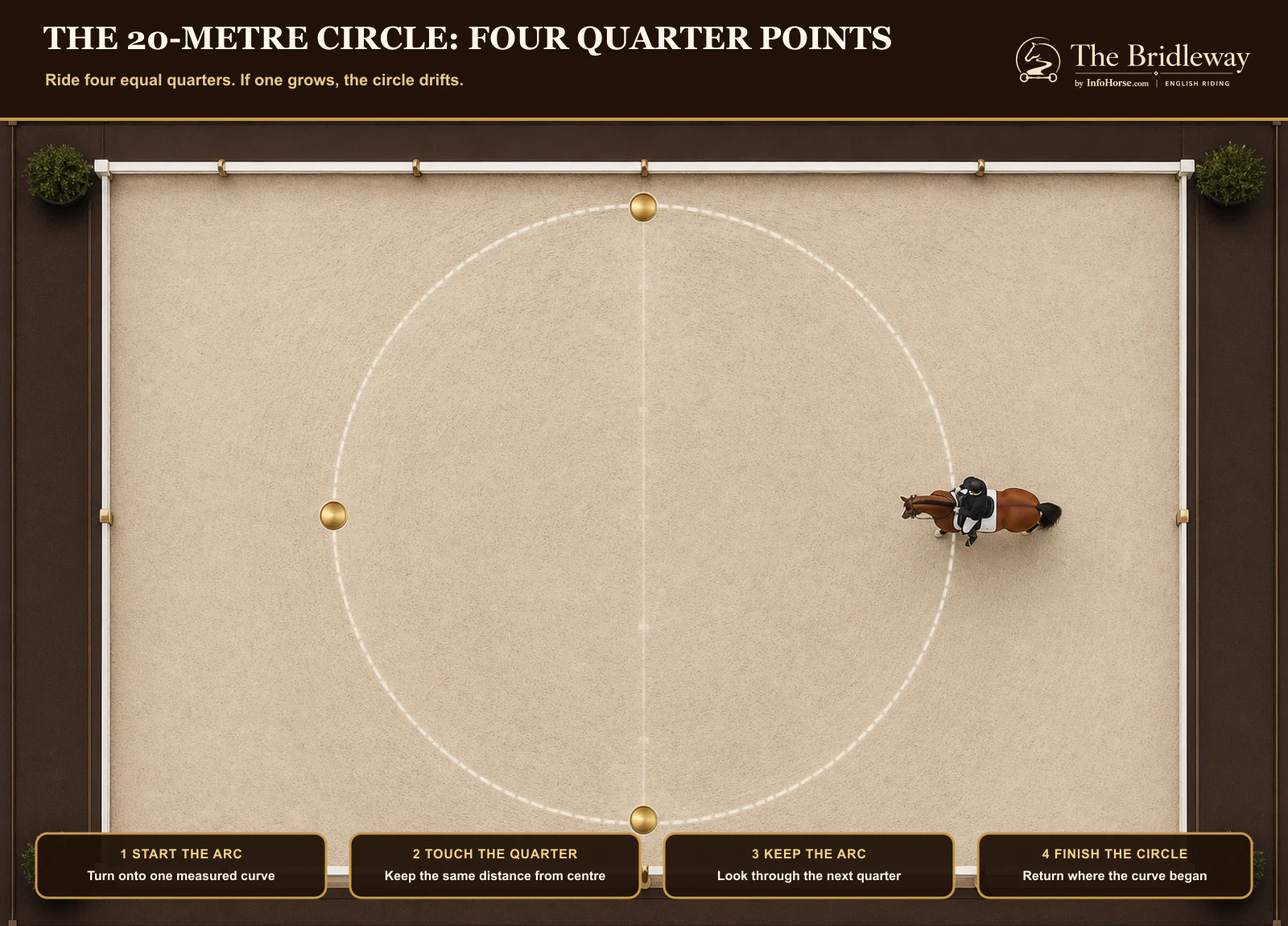
A true circle touches four quarter points at equal distances. Riders know that sentence and still ride an egg because the eye follows the horse instead of the arena. Establish the checkpoints first: beginning point, first quarter, far point, third quarter, return point. Then connect them with a curve rather than four straight lines and four abrupt turns.
On a 20-meter circle at A or C in a 20-by-60 arena, learn exactly where the circle should leave and rejoin the track and where its far point lies. On a center circle, know the corresponding side points. Use the free Bridleway dressage arena letter reference to rehearse the map off the horse. Arena dimensions and letter relationships should not remain a show-day surprise.
The usual distortions are wonderfully predictable:
- The egg: the rider stays on the rail too long, then dives across the arena to catch up.
- The pear: one half bulges because the outside shoulder escapes toward the gate or home end.
- The diamond: the rider hits four points but never creates a continuous curve.
- The shrinking spiral: the inside rein keeps asking for bend while the outside aids fail to preserve size.
- The generous 23 meters: the horse travels happily, but the figure borrows half the long side.
Correct the line with the body of the horse in mind. The inside leg supports bend and activity. The outside rein and leg organize the shoulder and boundary. If rhythm collapses, enlarge the figure and restore balance before returning to the test size. Grinding around a failing circle teaches fatigue, not geometry.
Corners: the quiet setup for everything that follows
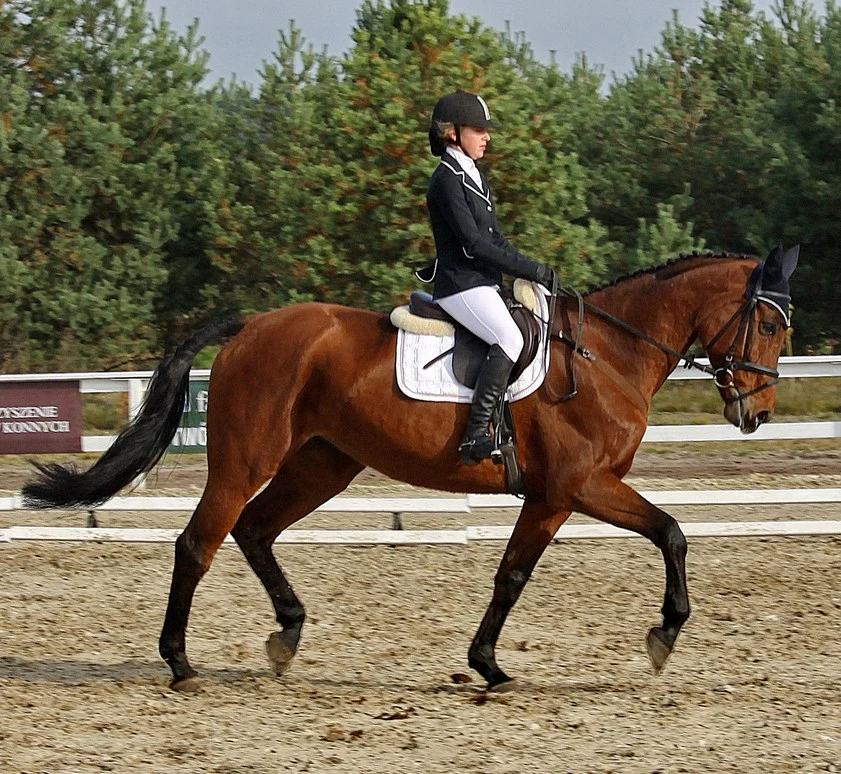
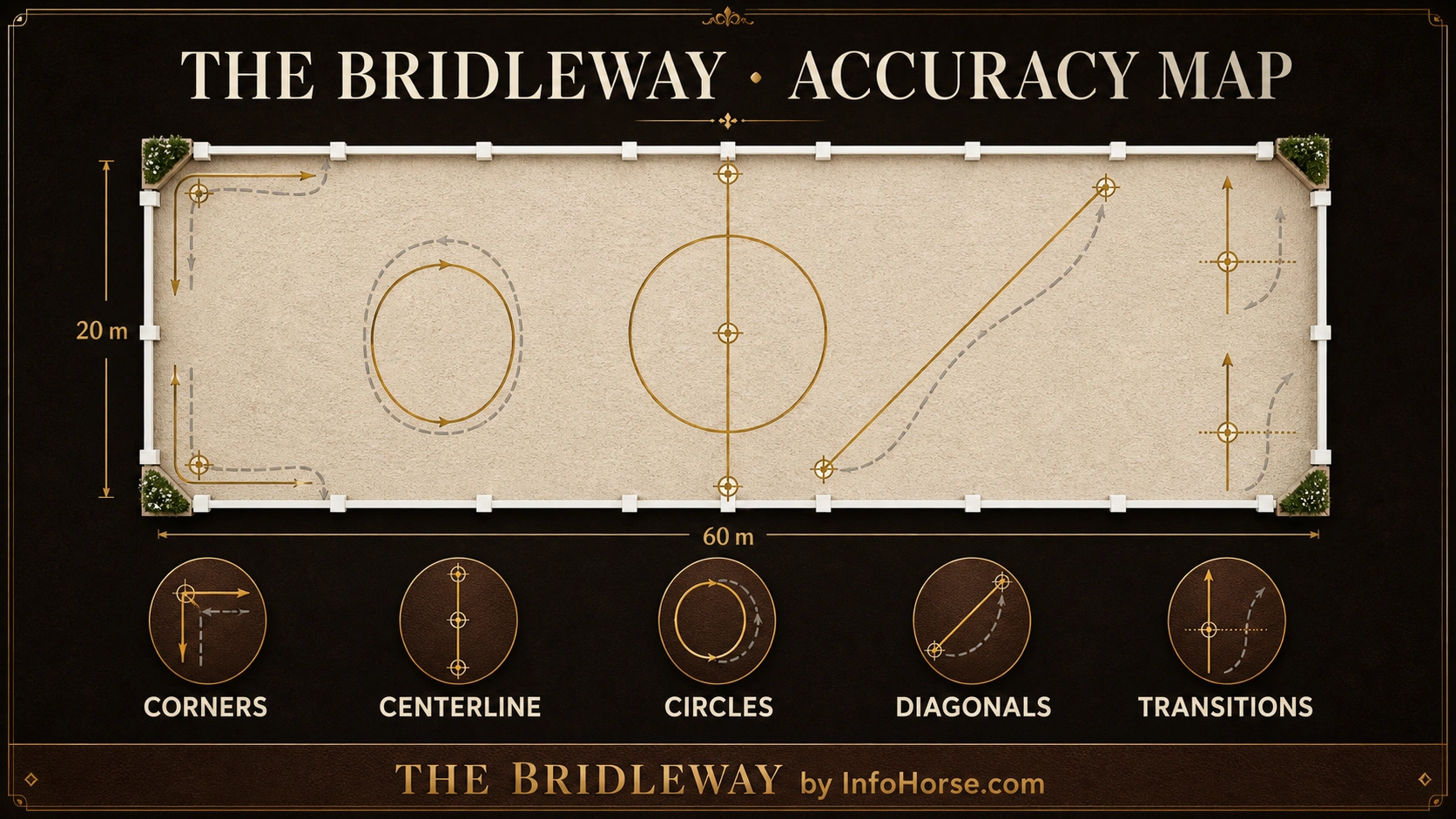
A corner is not a right-angle turn, and it is not an inconvenient piece of rail to be avoided. It is a few strides in which the rider organizes bend, balance, and direction for the next line. How deeply the pair can ride depends on level, gait, balance, and the horse in front of you.
The useful corner starts before the boards turn. Prepare the horse, establish the appropriate bend, support the inside with the inside leg, and control the outside shoulder. Leave the corner already aimed at the next destination. If you exit and then begin steering for the diagonal, you used the corner as a waiting room.
Deeper is not automatically better. A training-level horse that loses rhythm, leans inward, and scrambles out has not earned extra credit for reaching the boards. Ride the depth that preserves balance today. As collection and carrying power improve, the corner can become more defined without becoming slower or forced.
Diagonals and loops: aim for the endpoint before leaving the track
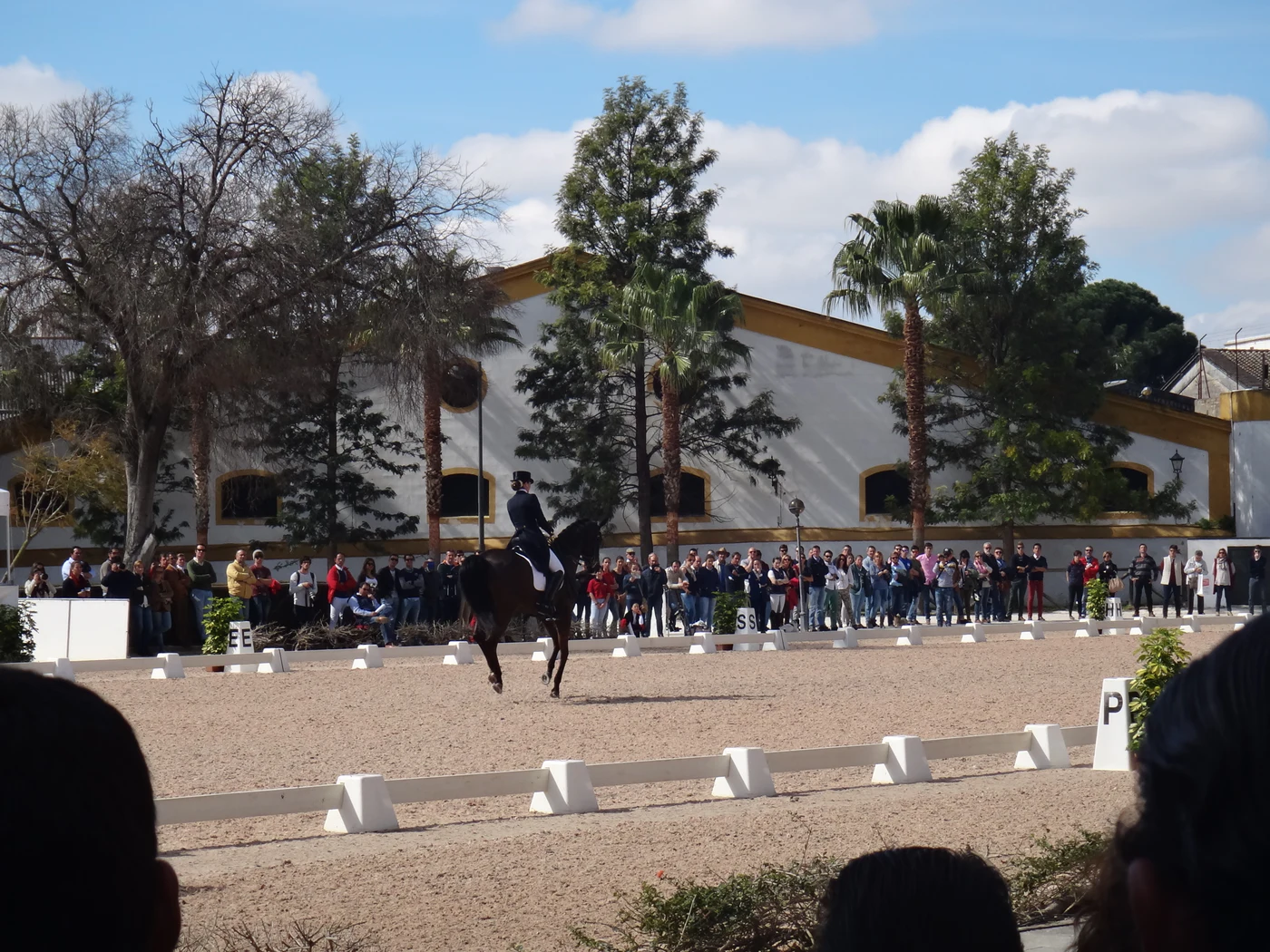
A diagonal is a straight line connecting two exact places. Choose the endpoint before you depart. Turn the shoulders onto the line, straighten, and ride forward. The most common failure is a late departure followed by a long curve toward the destination. Another is arriving too early and riding down the track before the named letter.
For a lengthening or medium gait on the diagonal, the line and the power must be planned together. Establish the line, then allow the stride to develop. Prepare the return early enough that balance changes before the corner, not in it. Chasing for more expression while the shoulders drift rarely improves the mark.
Loops and serpentines require their own landmarks. Read whether the test wants a particular distance from the track, a centerline crossing, a number of loops, or changes of bend at specified places. A serpentine crossing the arena does not include imaginary corners at the centerline. The line should flow; the changes of bend should be prepared.
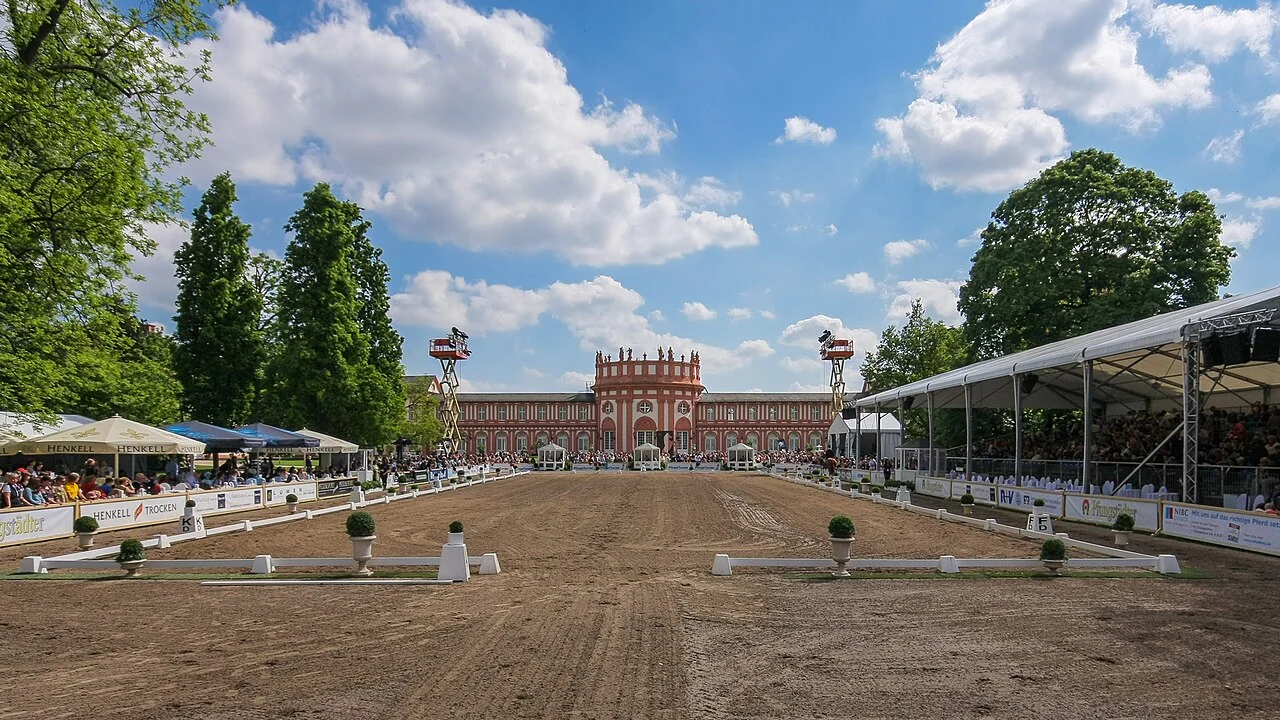
Transitions at letters: prepare early, arrive on time
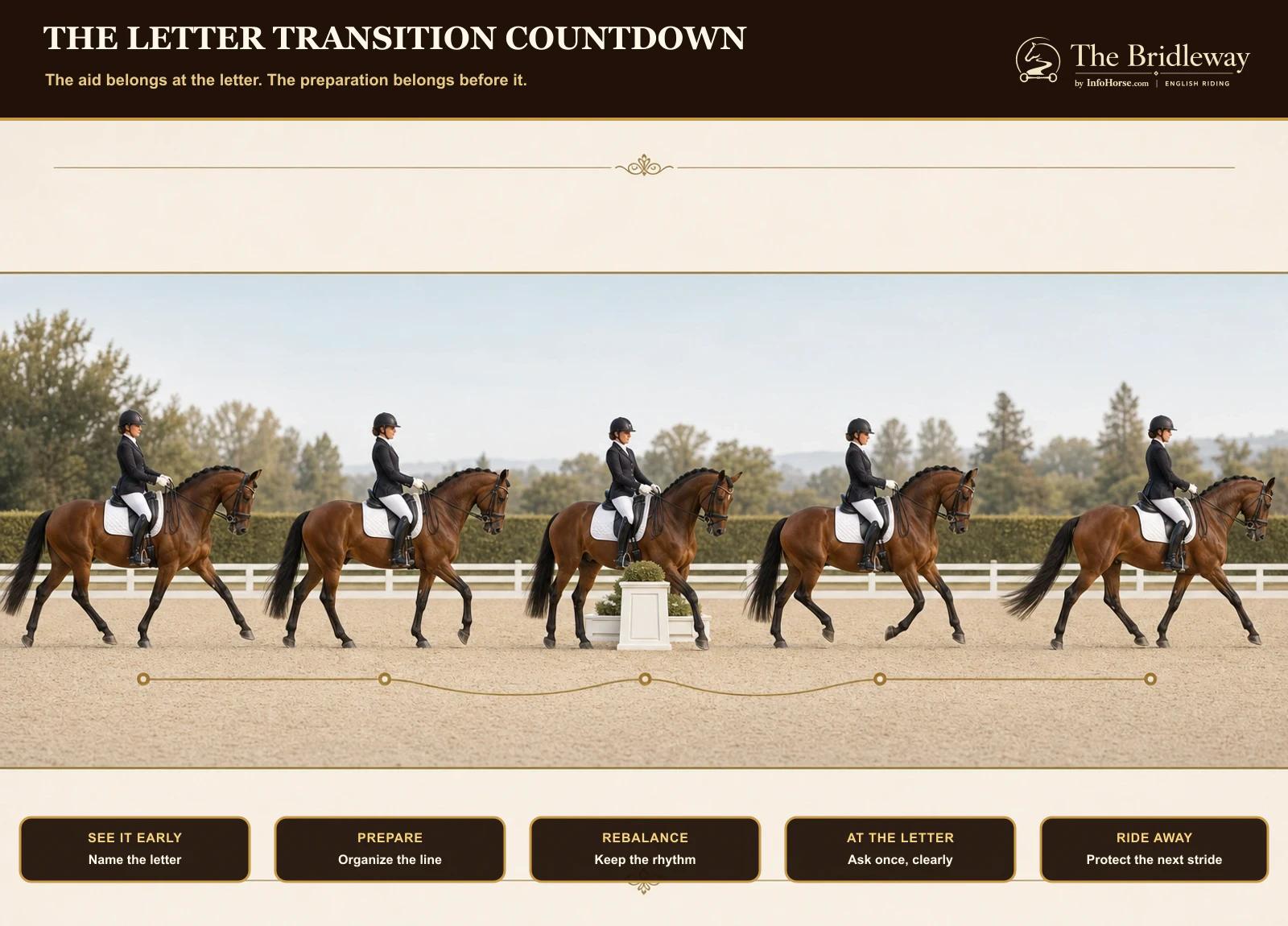
A rider who waits for the letter before asking is often late. The transition has a preparation, an aid, a response, and a completed result. Your job is to learn how many strides that sequence needs on this horse without making the preparation visible as a prolonged loss of energy.
Read the wording precisely. “At C,” “between B and M,” and “before A” are different instructions. Walk the test with a pencil and circle every location word. Then school the response away from the exact show pattern so the horse does not memorize a string of anticipations.
Late correction
See letter, give large aid, lose line, finish transition after the marker.
Quiet preparation
Rebalance, confirm response, give clear aid, complete the change at the requested point.
If your horse routinely needs six strides to respond, the answer is not to begin every transition six strides early forever. Improve the response in training. For the next show, however, ride the horse you have. A modest, punctual transition usually presents better than an ambitious one that arrives in the next county.
The two-score video audit
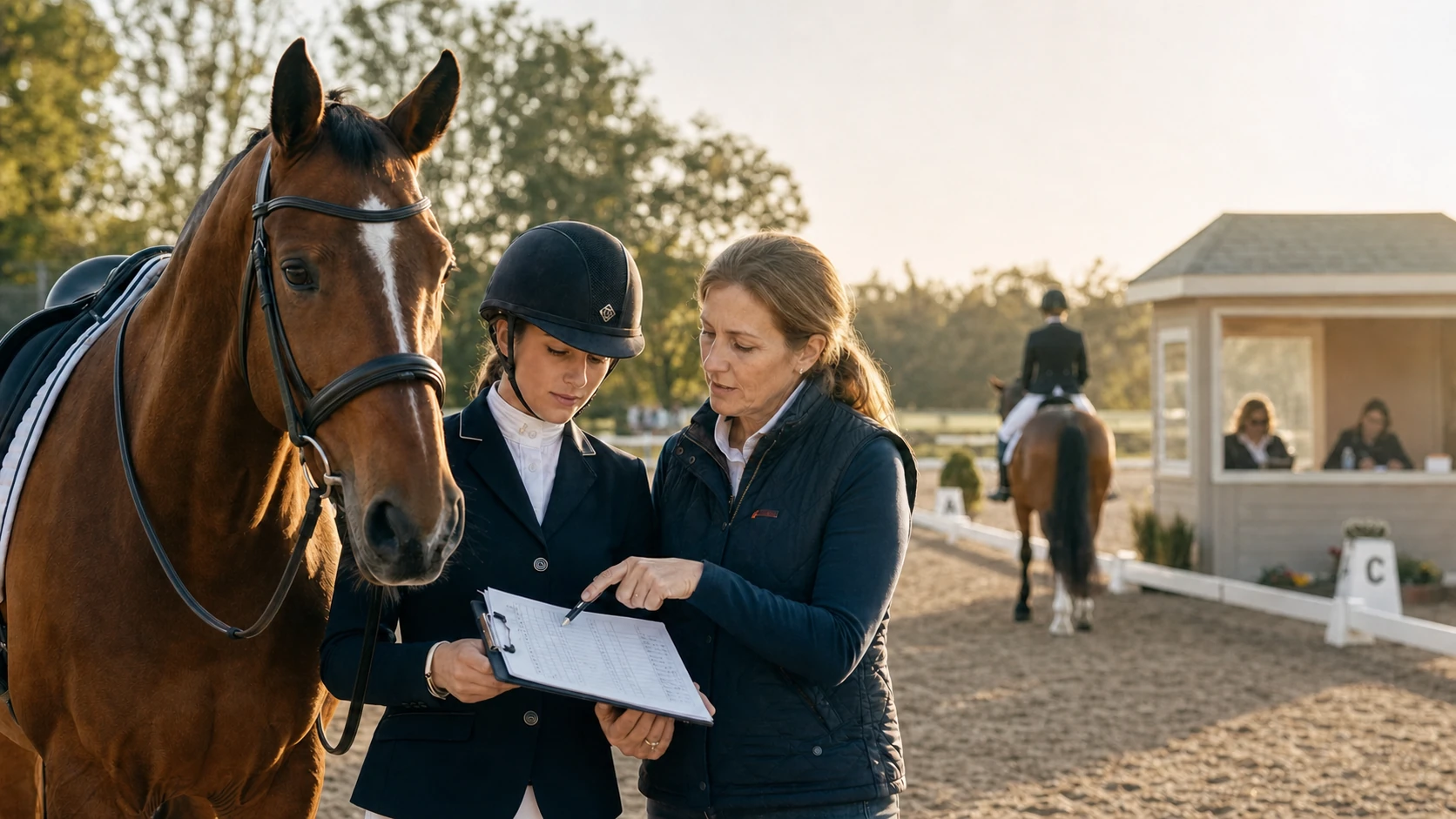
Ride one test on video and review it twice. On the first pass, ignore brilliance. Score only the map: line, size, endpoint, transition location, and whether each figure was recognizable. On the second pass, review rhythm, relaxation, contact, impulsion, straightness, and the movement directive.
This separates two problems riders often muddle together. If the geometry is wrong, give yourself visual targets and better preparation. If the figure is correct but the horse loses balance, improve the training quality. If both fail at the same place, the geometry may be exposing the real weakness.
| Audit question | Yes / no evidence | Next-school response |
|---|---|---|
| Did the centerline stay under the horse’s sternum? | View from C | Shoulder control and fixed target |
| Did each circle touch four equal points? | View from C or elevated side | Cones or ground markers at quarter points |
| Did the transition finish at the location? | Count strides from aid to result | Sharpen response away from test pattern |
| Did the corner improve the next line? | Check bend, tempo, exit direction | Prepare earlier; ride appropriate depth |
| Did the diagonal begin and end where named? | Freeze frame at both endpoints | Aim before leaving; straighten sooner |
Accuracy under show pressure
At the show, reduce the job to three cues: next line, next preparation, next breath. Do not spend the current movement mourning the previous mark. Look early, finish turns, and make small corrections before they become heroic ones.
If you use a caller, choose someone who reads clearly and early enough for preparation without turning the test into live commentary. Under current USEF rules, many national tests may be called, but important exceptions apply. Finals, championships, and specified FEI or special tests may require memory. Verify the current USEF dressage chapter and the prize list for the competition date.
Also know what constitutes an error. Under the 2026 USEF national-test framework, the first error costs two points, the second four, and the third eliminates the combination. Rules change; the class, federation, and effective date matter. This guide is a training aid, not a substitute for the rulebook.
Do not drill an exhausted horse for a prettier map.
Geometry practice should improve clarity and balance. If rhythm, willingness, soundness, or confidence deteriorates, simplify the figure, take a walk break, and ask your trainer or veterinarian the appropriate question.
Bob’s conclusion: make the easy picture easy to judge
Dressage is demanding enough without presenting your best work sideways. Learn the arena on foot. Put four points on every circle. Finish the turn onto centerline. Use the corner to organize the next sentence. Prepare the transition before the punctuation mark.
Then stop micromanaging and ride the horse. Accuracy should make the test look inevitable, not cramped. The judge should be able to see the training question clearly and spend the mark on its quality—not on guessing what shape you intended.
Print the test, open the arena letter tool, and choose one donated-mark pattern to fix this week. One. When that line becomes boringly reliable, take on the next.
Continue the Bridleway dressage show series:
Research and rules note: This guide was fact-checked against USDF’s test and scoring explanation, USDF judging and scribing guidance, and the 2026 USEF Dressage Division rules. Long-running rider discussions about geometry and avoidable score loss were used to identify the questions—not as rule authority. Always check the federation rulebook and prize list in force on your competition date.
Visual note: The hero is an original Bridleway AI-assisted editorial illustration, not documentary photography. The educational infographics use AI-assisted visual foundations with human-set wording and Bridleway branding; they are not documentary photographs. Documentary photographs are licence-verified and credited at the image.