

Consider the Do-Anything Morgan Horse
Yes, the traditional, old-style Morgan is a compact, substantial and intelligent American horse with enough athletic ability, stamina and adaptability to school dressage, jump a course, carry a child at a schooling show and still head down the trail on Sunday. He does not need to imitate a Warmblood to deserve a place in the dressage arena. For adult amateurs and lesson programmes, that versatility may matter far more than extreme specialisation.
The traditional, old-style Morgan is a compact, substantial and intelligent American horse developed with enough athletic ability, stamina, courage and adaptability to remain useful in more than one direction. The same Morgan may perform dressage, jump a course, carry a child at a schooling show and still head down the trail on Sunday. That versatility makes the breed worth serious consideration for adult amateurs, lesson programs and English riders shopping beyond the expected breed labels.
Somewhere along the way, English riders became very specific about which breed was supposed to do each job.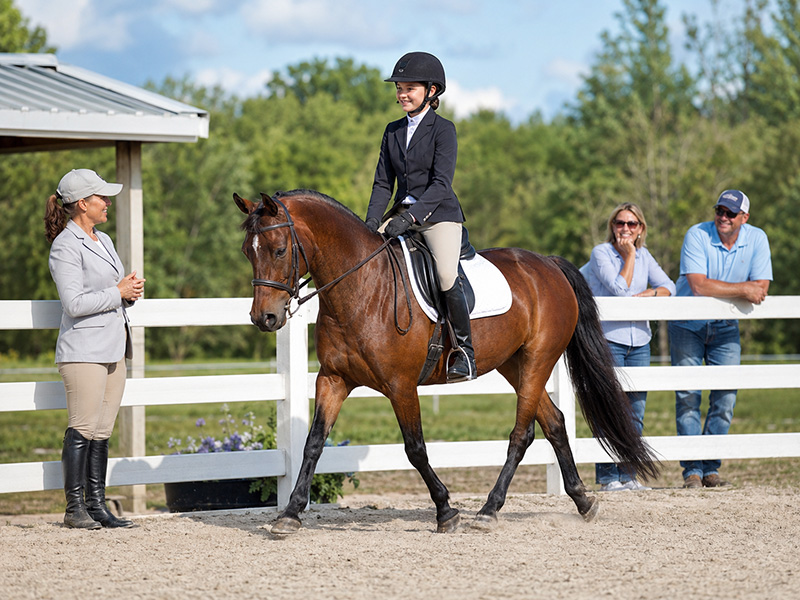
A child needed a recognized sport pony. A dressage rider looked for a Warmblood. An event rider searched for a Thoroughbred or sport-horse cross. A rider who wanted to jump often followed whichever breed was already winning in her trainer’s barn.
None of those choices are wrong.
But one remarkably useful American horse gradually disappeared from many of those shopping lists.
The Morgan did not lose the ability to perform dressage, jump a course, carry a child, compete at a schooling show, work all week and still head down the trail on Sunday. The traditional Morgan did not suddenly become less intelligent, less athletic or less willing.
We simply stopped remembering to look for one.
This is not an argument that the Morgan is better than every other breed. It is an invitation to consider one more possibility: the compact, capable, traditional Morgan Horse—the horse that was never bred to do only one job because he was expected to turn a willing hoof to nearly all of them.
The Morgan Was Once a Familiar English Riding Horse
When I was young, seeing a Morgan at an English schooling show was not unusual.
Children rode them. Adult women rode them. They competed in flat classes, jumped courses and performed dressage tests. A larger Morgan might carry a full-grown rider comfortably, while a smaller Morgan could fit into the pony-sized world without looking or feeling fragile.
Nobody needed a long explanation about why the Morgan was there.
He was there because he could do the job.
The Morgan might not have looked exactly like the Thoroughbred beside him or moved like the largest horse in the dressage warm-up, but he was accepted as a legitimate riding horse. He was judged on the way he performed that day.
And Morgans often performed with great enthusiasm.
There was something enjoyable about watching the smaller, energetic Morgan enter the arena beside much larger horses. He might not have had the longest stride in the class, but he often looked as though he understood that he had been given something important to do.
That willingness was part of the appeal.
When Did We Begin Shopping by Label?
The horse world has become increasingly specialized.
Specialization has brought many good things. Breeders have developed horses with exceptional talent for dressage, jumping, eventing and other disciplines. Trainers understand more about matching a horse’s conformation, movement and temperament to a particular job.
But specialization can also narrow our vision.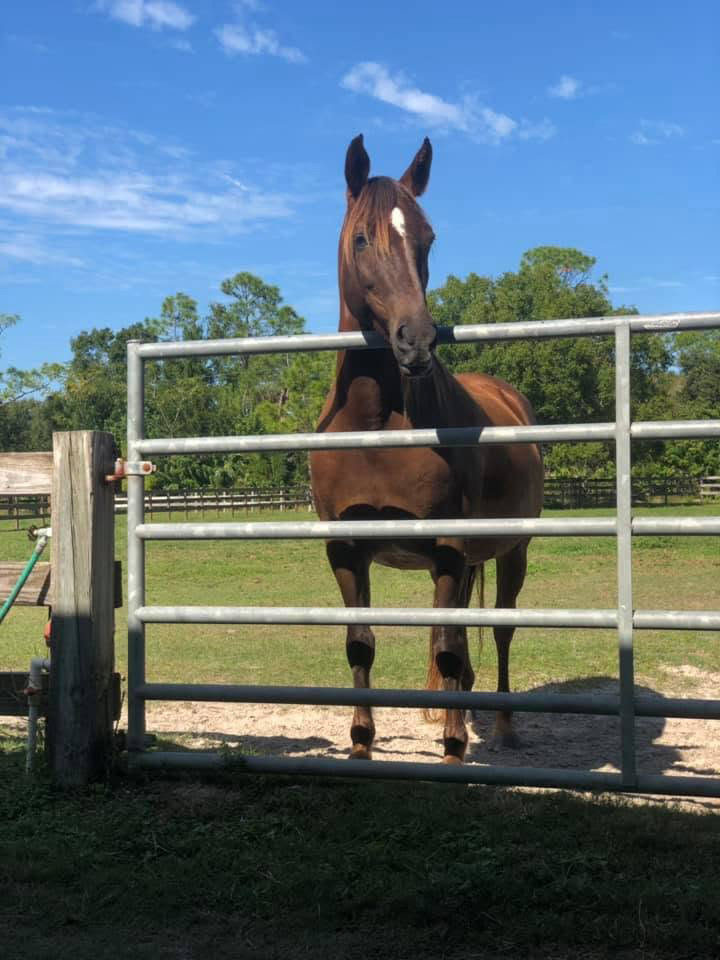
Once a breed becomes strongly associated with a discipline, riders begin searching for the label before they evaluate the individual horse. A certain type becomes expected in one ring, another type in the next, and capable horses outside those expectations may never receive an audition.
The Morgan is not necessarily being rejected after the trainer watches him work.
He is often being left out before the search even begins.
A trainer may admire a Morgan at a schooling show. She may compliment his willingness, his accuracy or his enthusiasm in the dressage arena. She may enjoy watching him jump or notice how confidently he carries his rider.
But when a client asks what breed to buy next, Morgan may not be the word she enters into the search box.
Trainers usually know the markets they work in. They know where to find the horses they commonly sell, what their clients expect to buy and which breeds are easiest to resell later. That is understandable.
But it does not always mean those are the only horses capable of doing the work.
Which Morgan Are We Talking About?
Morgans today can vary considerably in type and intended use.
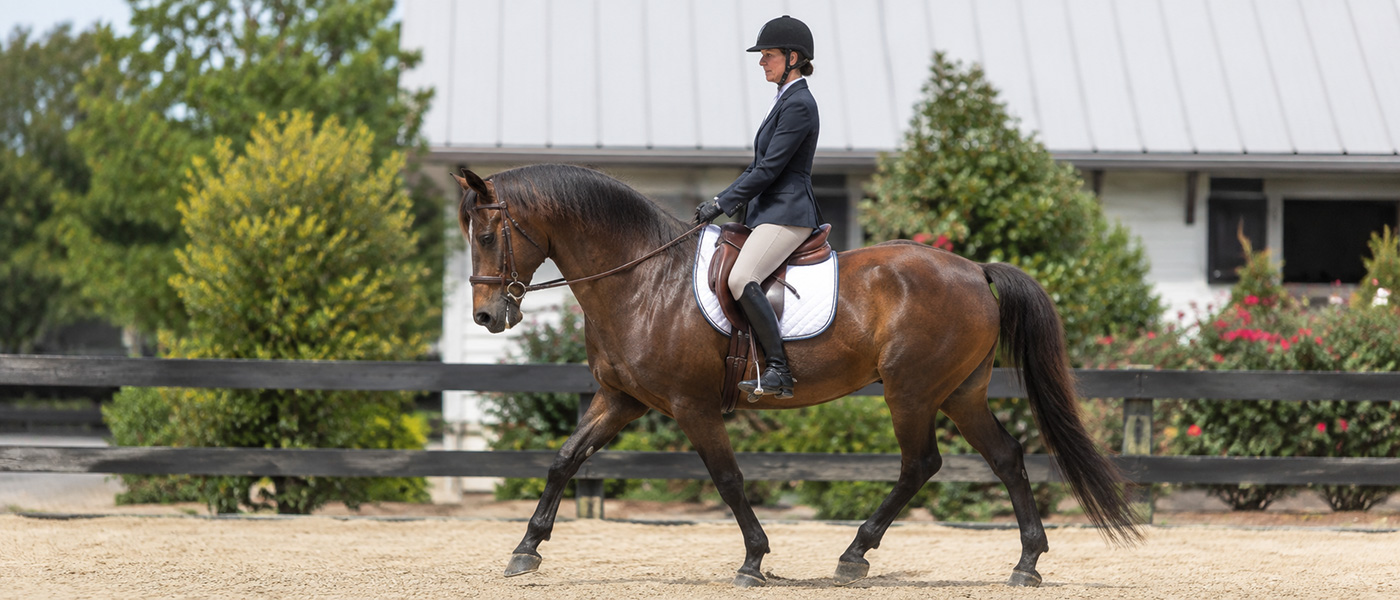
The Morgan discussed here is the traditional, old-style Morgan: compact, substantial, intelligent and built with enough strength and durability to do real work. He should look unmistakably like a Morgan, not like another breed wearing a Morgan registration number.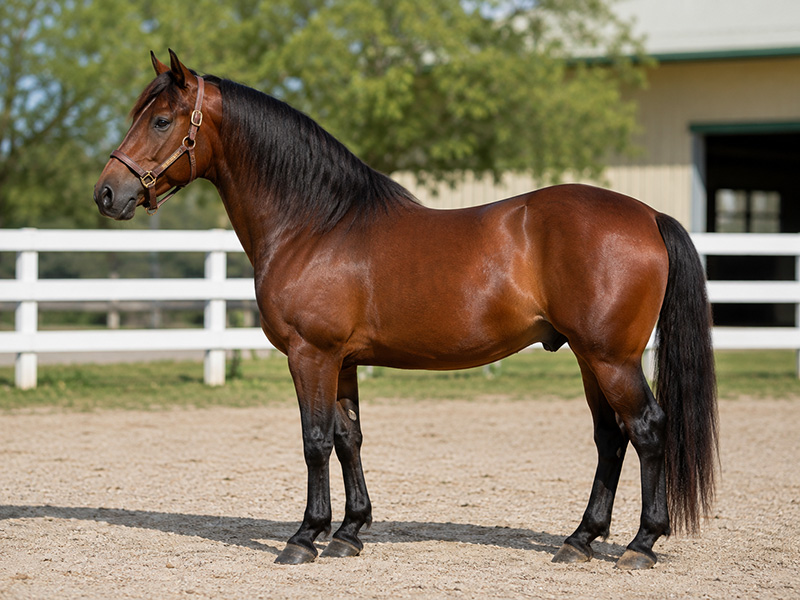
He does not need to be tall to be useful.
He may have a shorter back, a deep body, strong hindquarters, good bone and a neck carried with natural pride. He should be attractive, but his beauty should not come at the expense of usefulness, soundness or the ability to carry a rider comfortably.
This is the kind of Morgan that could ride, drive, work, travel and return the next day ready to do something else.
The phrase “do anything” does not mean that every Morgan can perform every discipline at the highest level. No breed can honestly make that promise.
It means the traditional Morgan was developed with enough athletic ability, stamina, courage, intelligence and adaptability to remain useful in more than one direction.
For most horse owners, that may be far more valuable than extreme specialization.
The Morgan May Be the Right Size
Modern English riders are often encouraged to believe that a serious riding horse must be large.
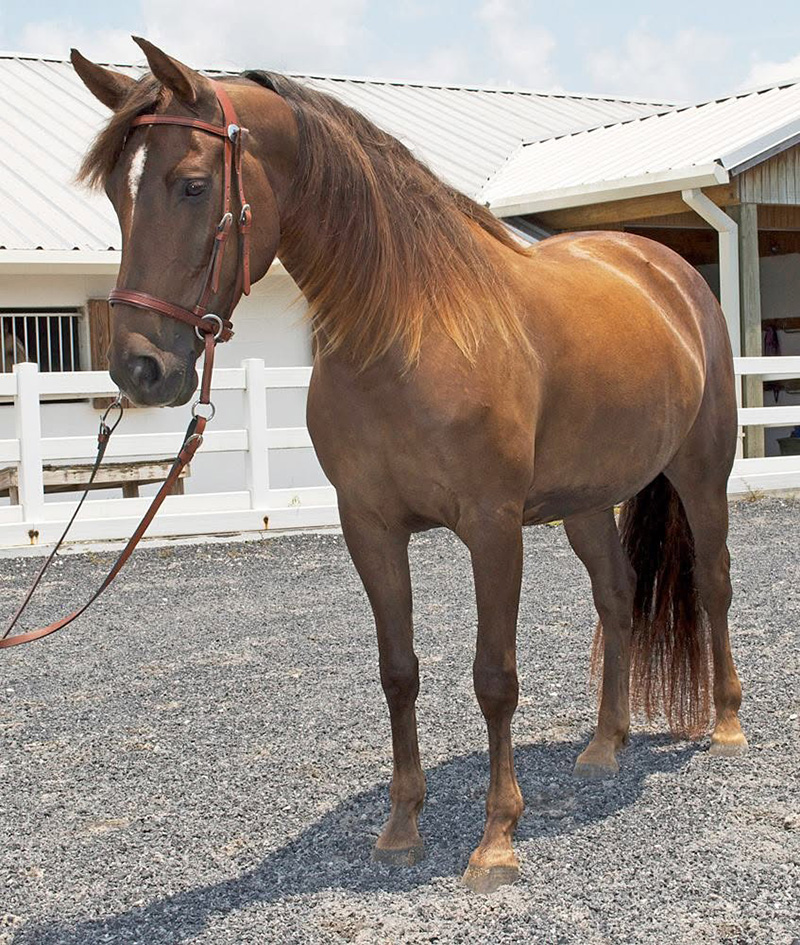 A tall horse may be exactly right for a tall rider, a particular discipline or upper-level competition. But many adult amateurs do not need a 17-hand horse. They need a horse they can mount comfortably, handle confidently and ride without feeling overpowered.
A traditional Morgan may stand somewhere between the top end of pony height and the middle range of horse height yet have far more substance than the measuring stick suggests.
A compact Morgan with a deep body, strong bone and a powerful hindquarter can feel like a considerable amount of horse beneath the saddle. A well-built Morgan may comfortably carry an adult rider while remaining approachable enough for a junior or smaller adult.
That manageable size is not a disadvantage.
For many riders, it is one of the breed’s greatest strengths.
A smaller Morgan may be suitable for a growing child. A larger Morgan may be a wonderful mount for an adult woman who wants a capable horse without needing a stepladder, an oversized trailer stall or professional assistance every time the horse must be handled.
The best horse is not always the biggest horse in the barn.
Sometimes it is the horse whose size, balance and temperament allow the owner to enjoy riding more often and with greater confidence.
A Morgan Can Be a Serious Dressage Partner
There is something particularly delightful about watching a Morgan perform dressage.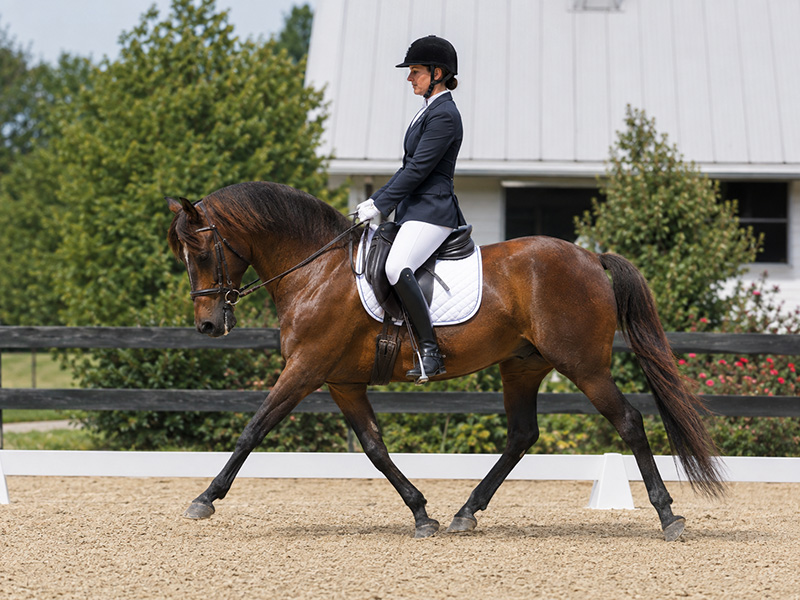
He may enter the warm-up ring beside horses several hands taller. He may not have the immense stride or dramatic movement that catches attention before the test begins.
But a good Morgan often approaches the work with visible purpose.
He listens. He learns. He remembers. He offers energy and frequently seems to enjoy having a problem to solve.
Dressage, at its heart, is not a competition to see which horse is largest. It is the progressive development of rhythm, suppleness, connection, impulsion, straightness and collection.
A correctly built and correctly trained Morgan can learn that work.
Not every Morgan will have the movement required for elite international dressage. Not every Warmblood will either. Most riders are not shopping for the next Olympic horse. They are looking for a partner capable of progressing through correct training, attending clinics, earning respectable scores and making the rider better.
A willing Morgan may be especially rewarding for that rider.
He does not need to imitate a Warmblood to deserve a place in the dressage arena.
He only needs to become the best correctly trained Morgan he can be.
And there is real pleasure in watching a compact American horse perform the movements with enthusiasm, accuracy and pride.
Yes, the Morgan Can Jump
Not every Morgan will produce the long, low outline or slow, sweeping stride currently favored in the hunter ring.
That should be acknowledged honestly.
But hunters are not the only horses that jump.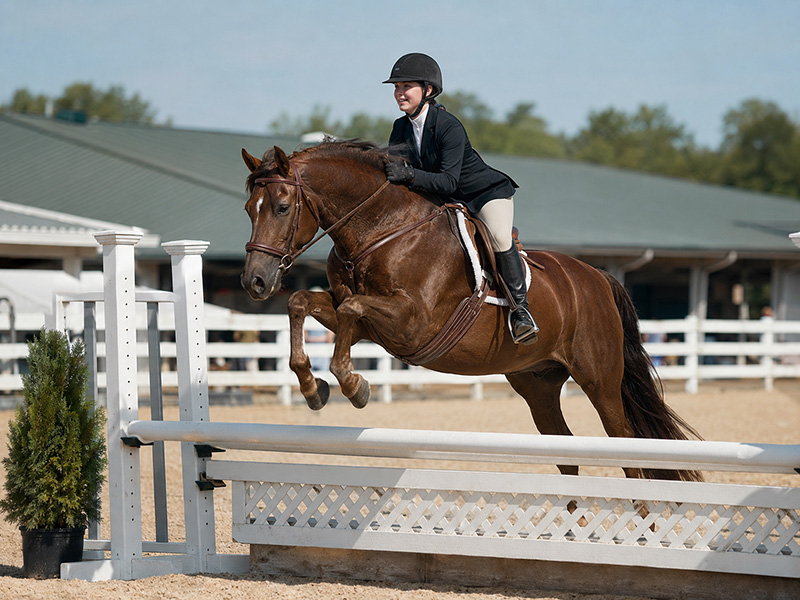
A traditional Morgan may have the agility, courage, quick thinking and athleticism to become a useful schooling hunter, jumper, equitation horse, event horse, hunter-pace partner or lower-level combined-training mount.
Some Morgans are careful over fences. Some are bold. Some enjoy the question and become more confident as the work progresses.
The important point is not that every Morgan should become a hunter. It is that an individual Morgan with suitable conformation, movement, temperament and training should not be dismissed simply because the breed name was not expected.
At the schooling-show level, where many riders spend their entire competitive lives, a reliable Morgan can be an especially enjoyable partner.
He may take a dressage lesson during the week, jump a course on Saturday and carry his owner down the trail on Sunday.
That is not a horse without a specialty.
That is a horse with options.
A Lesson Horse with More Than One Future
The original question behind this article was whether a Morgan might make a good lesson pony.
The answer is yes, but that is only part of the story.
A smaller traditional Morgan may be large-pony height and capable of carrying a child beyond the leadline stage into independent lessons, small courses, dressage tests and schooling shows.
The advantage is that the child may not outgrow the horse as quickly as she would a smaller, lighter pony.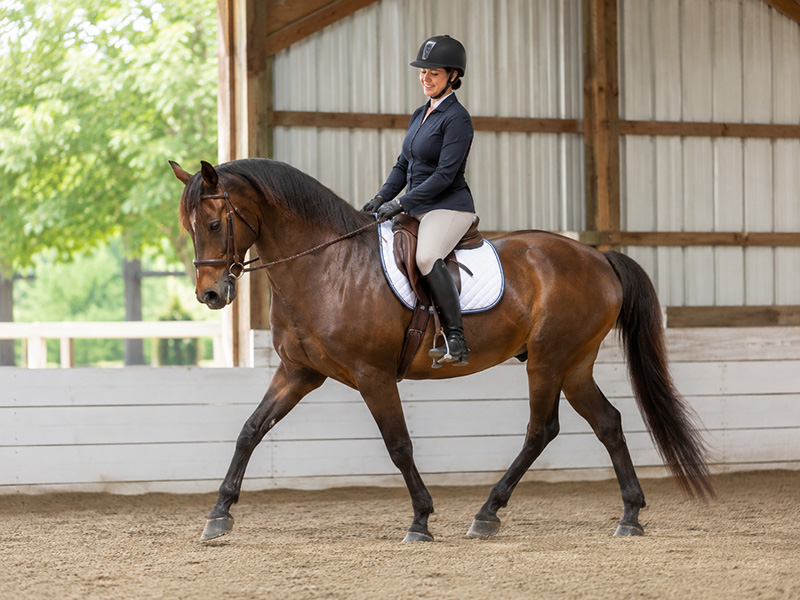
A substantial Morgan near the top of pony height may remain suitable as the rider grows, depending on the horse’s build, soundness, training and the rider’s eventual size.
But the Morgan’s usefulness does not end with children.
A good Morgan may carry a beginner, teach an intermediate rider, attend a clinic with an adult amateur and later become the dependable horse chosen to restore someone’s confidence.
That versatility is valuable in a lesson barn, where suitable horses are increasingly difficult to find and where every horse must have a useful role.
A horse capable of doing several appropriate jobs may remain secure in the program longer than a horse purchased for one narrow purpose.
What Willingness Really Looks Like
Every breed association describes its horses as intelligent, willing and trainable.
Those words sound wonderful, but in a working barn they have very practical meanings.
Willingness means standing quietly while a child struggles with the girth.
It means tolerating an inconsistent hand without becoming frightened or resentful. It means walking away from the other horses without becoming frantic, standing at the mounting block and remaining mentally present when the rider becomes confused.
It means being forgiving without becoming dull.
The best lesson and amateur horses do not simply tolerate people. They help people learn.
They respond when the rider finally gives the aid correctly. They allow a nervous rider to feel the difference between balance and tension, between asking and pulling, between riding forward and merely going faster.
A good Morgan can bring intelligence to that relationship.
Morgans are often observant horses. They notice their people. They learn routines and remember what has happened before.
In the wrong individual, intelligence may produce opinions, sensitivity or clever evasions that a beginner is not prepared to handle.
In the right individual, with correct training and thoughtful selection, it can create a remarkably engaged partner.
The goal is not to find just any Morgan.
The goal is to find the right Morgan.
The Adult Amateur May Need This Horse Most
The adult amateur woman may be the rider most likely to benefit from rediscovering the Morgan.
She may enjoy dressage but have no ambition to ride at Grand Prix. She may want to jump a small course, attend local shows, ride in clinics and enjoy trails with friends.
She may not need enormous scope, extravagant movement or an imported pedigree.
She may need a horse that is safe enough to enjoy, athletic enough to improve with training and sensible enough that she does not require a professional rider five days a week just to keep the horse manageable.
She may want to groom, trailer and handle her own horse.
She may want to ride because riding is the best part of her week, not because she is building a sales record for the next buyer.
For that rider, the traditional Morgan deserves serious consideration.
A Morgan can be beautiful without being impractical, energetic without being unmanageable and proud without being difficult.
The right one may provide enough horse to remain interesting for years while still feeling like a partner the owner can know, understand and manage herself.
Stamina Still Matters
Stamina is often discussed as though it matters only in endurance competition.
But stamina matters everywhere.
It matters when a horse attends a two-day clinic and remains willing for the final session. It matters when a rider schools dressage, cools the horse out and still wants to take a relaxed trail ride afterward.
It matters during eventing, hunter paces, long trail rides and full days at schooling shows.
It also matters in ordinary life.
A durable horse is more likely to handle changing jobs, different footing, travel and regular work without becoming physically or mentally overwhelmed.
The Morgan’s historic reputation for stamina should not be treated merely as an interesting fact from the past. It remains one of the practical reasons to consider the breed today.
A horse does not have to compete over fifty miles for stamina to improve his usefulness.
Sometimes stamina simply means the horse is still happy to see you the next morning.
Versatility Is Not Mediocrity
In a specialized horse market, calling a horse versatile can sound like faint praise.
It may suggest that the horse does several things adequately but nothing exceptionally well.
For most private owners, the opposite may be true.
A horse that can school dressage, jump safely, ride outside the arena, attend a clinic and carry another member of the family is not a lesser athlete.
He may be the most valuable kind of horse an ordinary family can own.
Many riders change interests over time.
A child who begins in hunters may become interested in dressage. An adult who once wanted to show every weekend may later prefer trails and clinics. A rider recovering from injury may need a different job from the horse for a season.
A highly specialized horse may become unsuitable when the owner’s goals change.
A traditional Morgan may be able to change with them.
That is not a failure to specialize.
It is one of the reasons a good Morgan can remain useful, loved and secure for life.
Choose the Individual Horse
No breed name guarantees soundness, temperament, talent or suitability.
Some Morgans are too forward for beginners. Some are too sensitive. Some have conformation or movement better suited to driving or other disciplines. Some are bred for a more animated show-ring style and may not be the traditional type discussed here.
The same individual evaluation required when purchasing any horse still applies.
Watch the horse in ordinary situations, not only in a polished sales video.
Does he stand at the mounting block?
Can he leave the group quietly?
Does he maintain rhythm without constant correction?
What happens when the rider loses balance?
Can he repeat an exercise without becoming anxious or sour?
Does he recover quickly after a mistake?
Is he sound for the work being requested?
Does his conformation suit the rider and discipline?
Most importantly, does he appear to enjoy working with people?
Those questions matter far more than fashionable assumptions about breed.
The Morgan May Not Be the Horse Your Trainer Sells
This may be the most difficult part of the conversation.
A trainer can genuinely admire a Morgan and still not recommend one to clients.
Trainers work within established markets. They know the breeders, dealers and sales horses within those markets. They know which breeds clients recognize, which horses are easiest to resell and what type is currently rewarded in their discipline.
That does not make the trainer dishonest.
But it may mean the rider must be willing to ask a broader question.
Instead of asking only, “What kind of horse do people in this barn usually buy?” ask, “What kind of horse would actually suit the life I want to have?”
Those are not always the same question.
A Morgan may not be the easiest horse to sell quickly into a highly specialized market.
But for the rider hoping to keep the horse, grow with him and enjoy more than one kind of riding, that may not be the most important consideration.
Put Morgan Back on the List
This is not a request to stop considering Warmbloods, Thoroughbreds, Connemaras, Irish horses or the many excellent crosses found in English barns today.
There is room for all of them.
It is simply a request to add one more name to the list.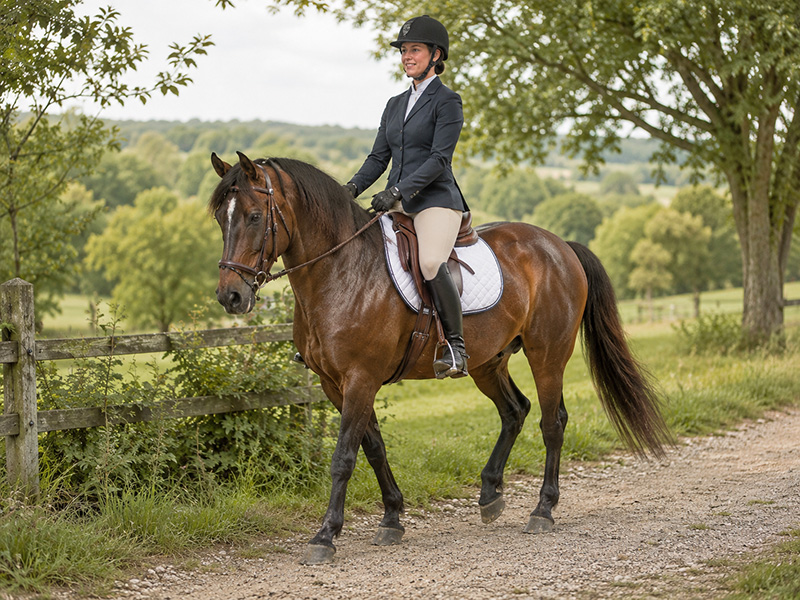
The next time you are looking for a dressage partner, a schooling-show horse, a lower-level event horse, a lesson horse, a large pony or a sensible English mount for an adult amateur, consider the traditional Morgan.
Look for the compact, substantial horse with the intelligent eye.
Watch one work a dressage lesson.
Watch one jump.
Watch one carry a junior rider and then an adult.
Watch the same horse leave the arena and head confidently down the trail.
You may not find the tallest horse in the barn.
You may not find the most fashionable pedigree in the warm-up ring.
You may find something far more useful: a sound, willing partner capable of doing nearly everything you hoped to do.
The Morgan Horse has not forgotten how.
Perhaps it is time for the English riding world to remember.
Consider the Do-Anything Morgan Horse.