


The tack room is not a museum; it is the room that decides whether show morning feels civilized. A beautiful tack room can still fail if riders cannot find the spare gloves, wet pads never dry, bridles hang in a tangle, and grooming sprays migrate into every basket. The modern show-barn tack room should feel elegant because it works.
For serious English riders, organization is a horse-care issue, a time issue, and a presentation issue. Clean leather lasts longer. Pads dry better. Helmets stay protected. Riders learn responsibility. The barn looks like it knows what it is doing because it does.
The Bridleway rule: Build zones around how the barn moves: tack up, ride, untack, clean, dry, restock, and load.
Start with traffic, not cabinetry
Before buying storage, watch the room for a week. Where do riders drop gloves? Where do wet pads land? Which saddle racks become overflow shelves? Which supplies walk away? Good design begins with behavior, not a catalog.
The most useful tack rooms separate clean, damp, daily, show, and backup equipment. That prevents the show coat from living beside fly spray and the clean white pad from absorbing the life story of a damp schooling pad.
Barn manager note: Labels are not childish. They are how a shared space stays calm after lessons, clinics, shipping, barn help, and parent volunteers.
Give leather and pads the conditions they need
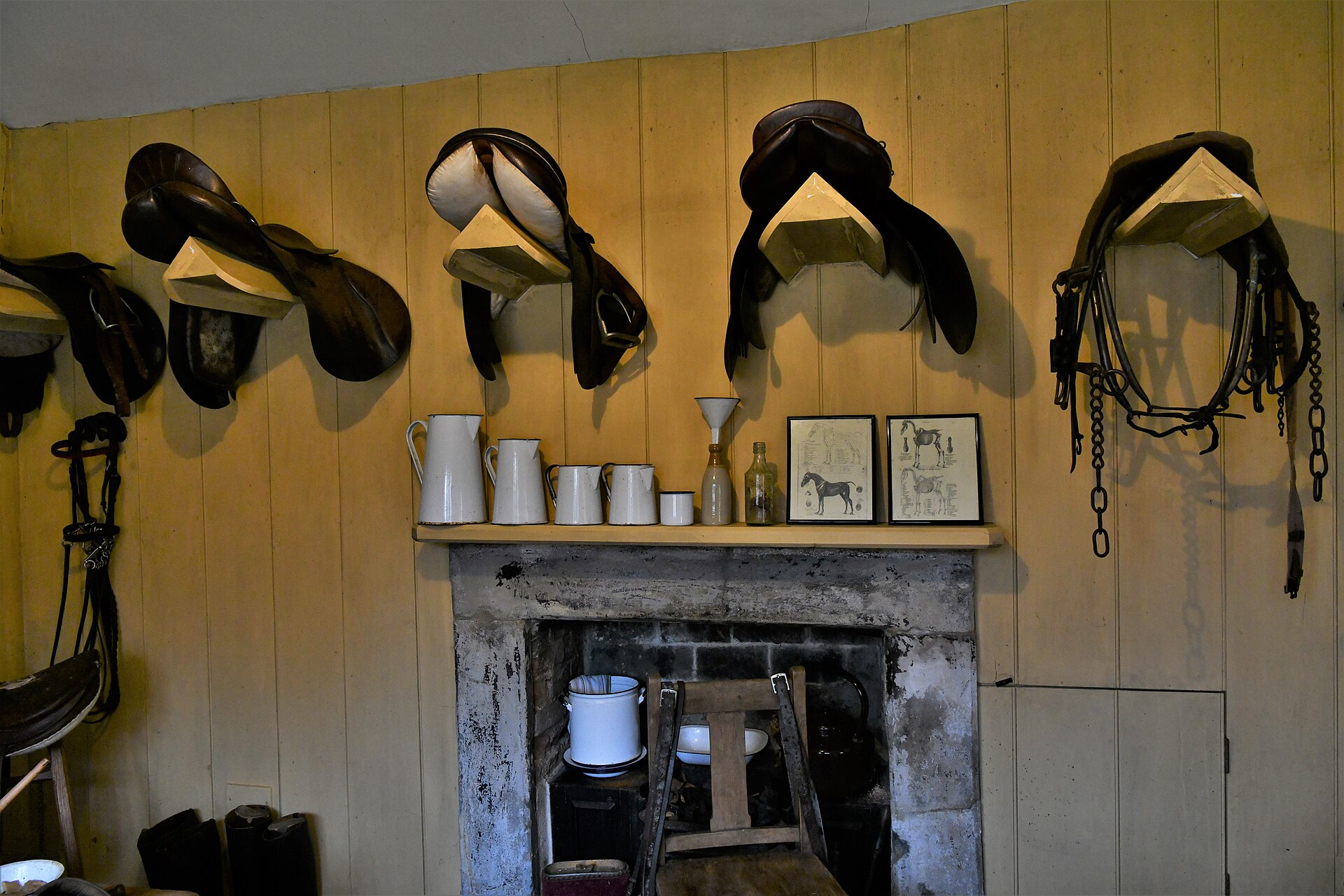
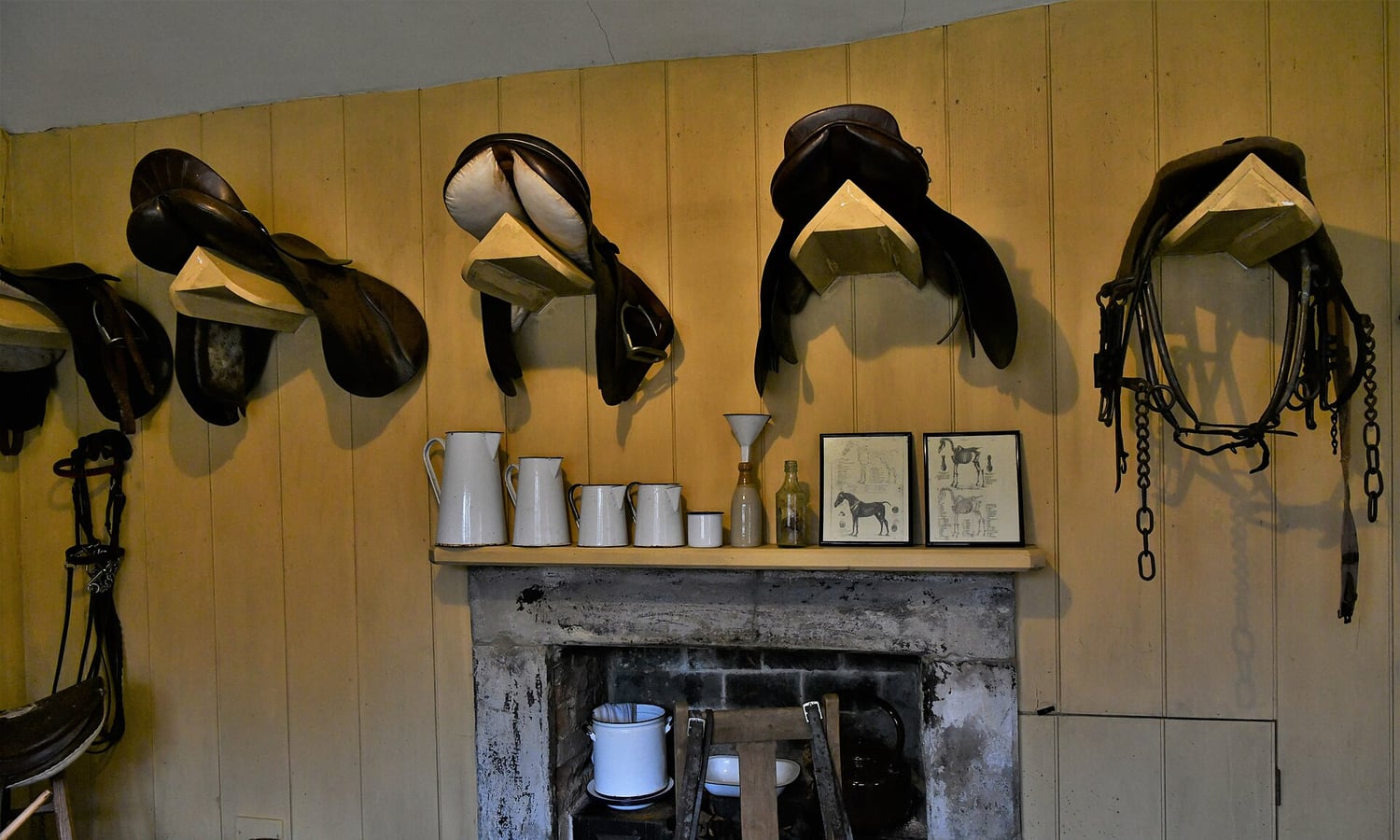
Saddles need stable racks, clean covers, airflow, and protection from heat and damp. Bridles need enough space that reins and throatlatches do not become knots. Leather care supplies should live where people actually clean tack, not in a forgotten corner.
Pads need a drying plan. A pile of damp pads is not luxury. It is odor, rub risk, mildew, and wasted money. Rotation matters, especially for barns with teens, multiple horses, and show weekends.
Display storage
Looks impressive when the room is staged, but daily gear piles up because the workflow is not honest.
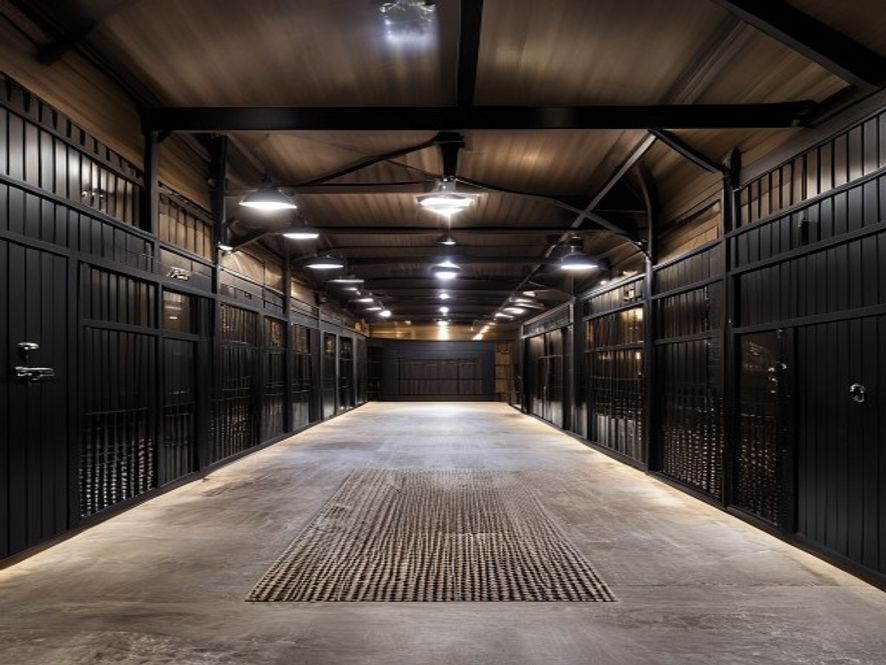
Working luxury
Looks polished because every item has a useful home and every rider knows the route.
Create a show-day shelf
Every English barn benefits from one obvious place for show-day essentials: numbers, pins, boot polish, braiding bands, white towels, stain spray, extra gloves, hairnets, stock pins, and a printed packing checklist.
This is where younger riders learn to prepare without being rescued every time. The shelf should make independence easier, not turn parents into search engines.
| Zone | What belongs there | What it prevents |
|---|---|---|
| Daily tack | Current saddles, bridles, girths, helmets, gloves. | Lost equipment and rushed tacking. |
| Drying zone | Used pads, boots, damp towels, washable items. | Odor, mildew, rubs, and dirty show gear. |
| Care station | Leather cleaner, cloths, brushes, polish, sponge. | Dirty tack and supplies scattered everywhere. |
| Show shelf | Numbers, pins, grooming finish, emergency kit. | Last-minute panic and parent over-functioning. |
The quiet luxury cue
A guest should understand the barn in thirty seconds: where tack lives, where wet gear goes, and where show prep starts. That is design doing real work.
What riders are asking before they buy, show, or change the routine
The useful question is often more ordinary than the polished product copy. Riders and parents want to know what will help the horse feel better, what will keep the rider safer, what is worth paying for, and what can wait. The better buying habit is to translate each worry into a check you can repeat at the barn.
Keep these questions open
- What are the most important tack room zones?
- How should saddle pads be stored?
- How can a tack room help young riders?
- What should be on a show-day shelf?
Make responsibility visible
For young riders, a tack room can teach the same values as a lesson: preparation, respect for equipment, horse-first care, and follow-through. A rider who learns to clean a bridle, hang a pad, and pack a number is learning the sport, not doing chores outside it.
The best rooms are not sterile. They are lived-in, warm, and easy to reset. That is the difference between a room that photographs well once and a room that supports a barn all season.
Do not hide safety gear.
Helmets, first-aid supplies, emergency contacts, and trailer documents should be protected but easy to find. Beauty should never make urgent items hard to reach.
What to ask the professional before you spend more money
A polished English-riding decision still benefits from a second set of expert eyes. Before buying the upgraded version, changing equipment, adding a new product, or blaming the horse, bring a clean question to the trainer, veterinarian, fitter, farrier, barn manager, or product specialist.
| Ask | Why it helps |
|---|---|
| What problem are we solving first? | It separates comfort, safety, training, rule, and presentation questions. |
| What evidence would change the plan? | It keeps the decision from becoming brand loyalty or barn rumor. |
| How will we know this worked? | It turns the purchase or routine into an observable horse-care test. |
How to use this guide this week
Pick one checkpoint from this guide and use it before or after three rides this week. Write down what you saw, what the horse felt like, and whether the answer changed after a lesson, a harder school, or a show-day simulation. Good horsepeople do not need perfect guesses. They need repeatable observations.
Simple record: Keep a tiny note in your phone: date, horse, work, what changed, and what you will ask your trainer or professional next. Patterns are where ordinary barn notes become useful horsemanship.
Research note: This Bridleway guide was shaped from Practical Horseman, Horse & Hound, r/Equestrian reader discussions. Forum and Reddit discussions were used only to understand common rider questions, not as veterinary, legal, or rule authority.