

Moving Your Horse to a New Stable
What to do in the thirty days before, on moving day, and during the first week after.
Some people move a horse because they found a better trainer, better footing, or a barn where the horse will simply be happier. Others are moving because the stable sold and there was nothing anyone could do about it. If you are in the second group, understand that this is not your fault and you are not alone. Barns are disappearing across the country. What matters now is getting your horse to the new place safely and settling him in well.
Here is the order I would do it in.
Start with the hay, not the halter.
The single biggest health risk in a barn move is a sudden change in forage. Hay is the foundation of the equine digestive system, and a horse's gut bacteria are matched to the hay he has been eating. Change that overnight and you invite colic.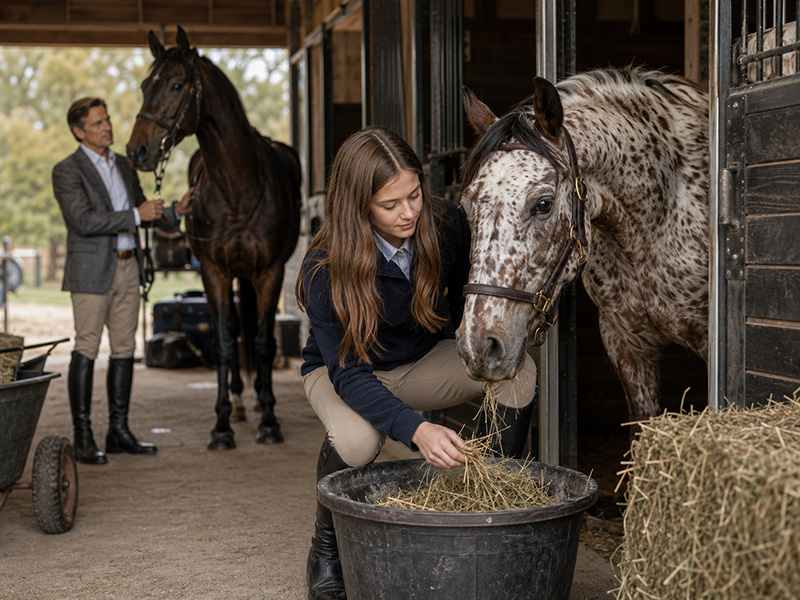
As soon as you know where you are going, ask the new barn what they feed for forage. Ask the type, the cutting, and where it comes from. If it is different from what your horse eats now, buy a small amount and begin blending it into his current hay. Start with a handful. Increase it a little every few days. Most boarders get about thirty days of notice, and thirty days is enough to make this change comfortably.
If your horse is on a special diet, a soaked feed, or a restricted forage program for metabolic reasons, call your veterinarian before you change anything.
What Do Horses Eat: A Complete Guide
Ask about grain, supplements, and who actually feeds them.
Forage is the big one, but concentrate matters too. Find out what grain the barn stocks, whether you may bring your own, and where it will be stored. Transition grain gradually the same way you transition hay.
Supplements are where boarders are most often surprised. Some barns feed them at no charge. Some charge a monthly fee. Some will not handle them at all, and some require them pre-bagged and labeled by day. Ask before moving day, not after.
Ask about the feeding schedule too. A horse who has eaten at six in the morning for four years will notice when breakfast comes at eight.
Handle the paperwork before the trailer shows up.
Your horse needs a current negative Coggins test. Most barns will ask for it at the gate, and the ones who do not ask are the ones I would worry about.
If you are crossing a state line, you also need a certificate of veterinary inspection, often called a health certificate. In most states it must be issued within thirty days of travel, and some states have additional requirements. Call your veterinarian early. This is not a same-day appointment during busy season.
Bring your vaccination records. Bring your farrier's contact information and your veterinarian's contact information. If your horse has a history the new barn should know about, such as choke, ulcers, tying up, or a history of colic, write it down and hand it to the barn manager. Do not assume you will remember to mention it.
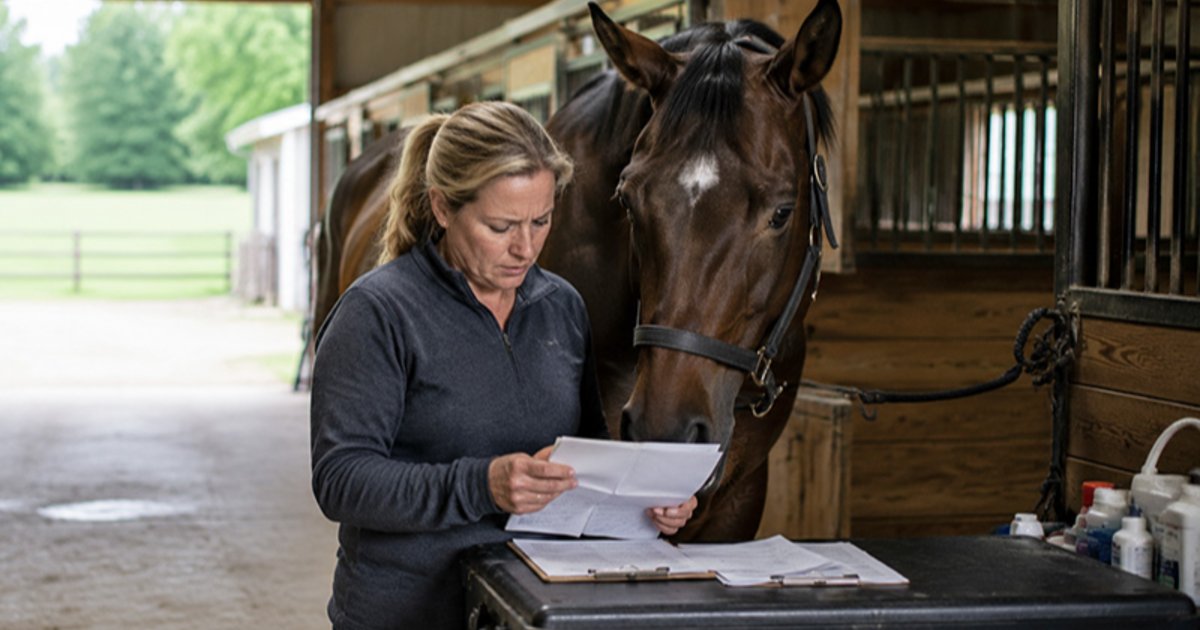
Keep all of it in one binder or one folder. When something goes wrong at nine o'clock at night, you will not want to be hunting through a truck console.
Go look at the stall before you commit to it.
Drive out and stand in the actual stall your horse will occupy. Not the one down the aisle. Yours.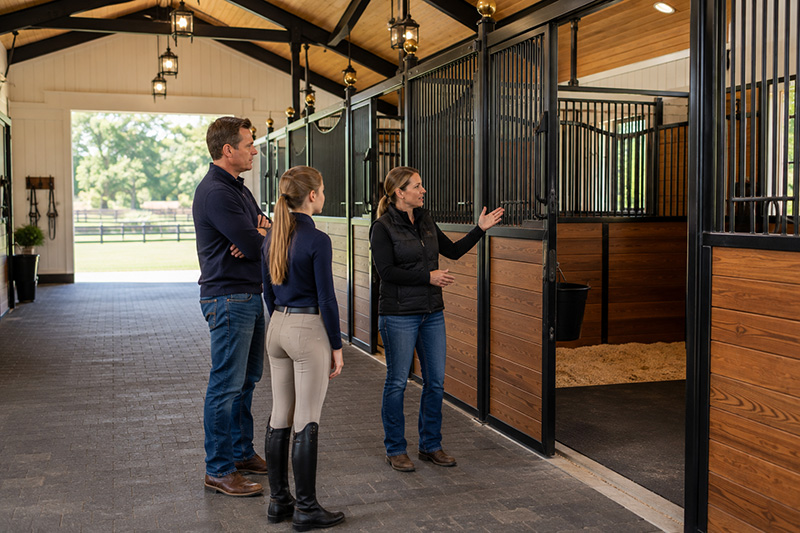
Look at the condition of the walls and the kick boards. Look at the latch and decide whether your horse can open it, because some of them can. Check the footing and the mats. Look up and see whether there is anything a horse could catch a halter or a blanket on. Ask what bedding they use and how deep it goes.
Then check the water. If there is an automatic waterer, ask yourself whether your horse has ever used one. Many horses have not, and a horse who does not understand the paddle will simply stop drinking. I hang a fresh clean bucket alongside the waterer for the first several days so I can see with my own eyes that water is going down. If you are relying on the automatic waterer alone, you must confirm by direct observation that your horse is using it. Plan to stand there and watch. That is not wasted time.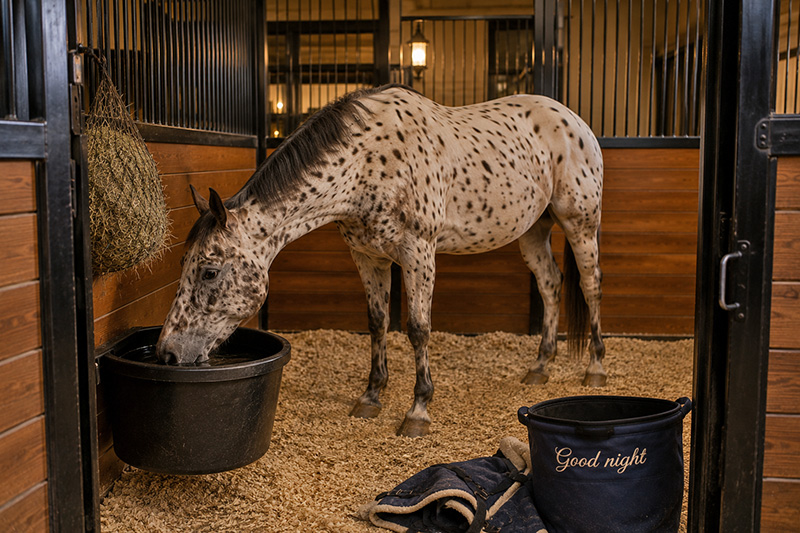
New water tastes different, too. Different well, different minerals, different treatment. Some horses refuse it for a day or two. If you can, haul a few jugs from the old place and blend them into the new water for the first few days.
Clean Water Is One of the Most Important Parts of Horse Health
Find out what turnout actually looks like.
Turnout is where the biggest differences between barns hide. Ask whether your horse will go out alone, in a small group, or with a large herd. Ask how many hours a day. Ask whether horses go out in bad weather. Ask who decides.
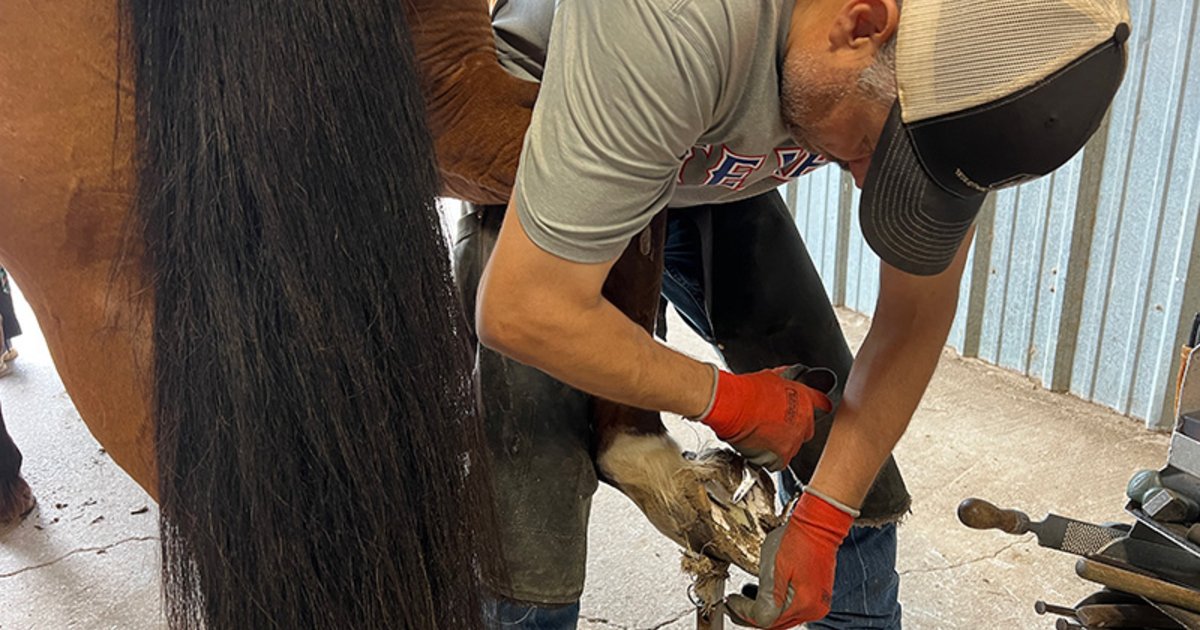
Many barns require hind shoes to be pulled before a horse joins group turnout. That is a farrier appointment, and it needs to happen before moving day, not the morning of.
If your horse has never lived in a herd, say so plainly. A horse who has spent his life in individual paddocks does not automatically know how to read a herd, and that is worth telling the barn manager before he is standing in the middle of one.
Line up the trailer and practice the loading.
If a friend is hauling for you, confirm the date twice and confirm the time twice. If you are hauling yourself, go over the trailer now. Check the floor. Check the tires, including the spare. Check the lights, the brakes, the hitch, and the safety chains. Check the latches on the dividers and the butt bar.
If your horse has not loaded in a while, practice. Do it on an ordinary afternoon with no deadline, not on moving morning with a truck running in the driveway. A horse who loads calmly is a horse who arrives calmly.
Traveling Safely With Your Horse
Pick your date with some care.
Do not move a horse the week you leave town. Do not move him a week before a show. Do not move him the day before your farrier or veterinarian goes on vacation.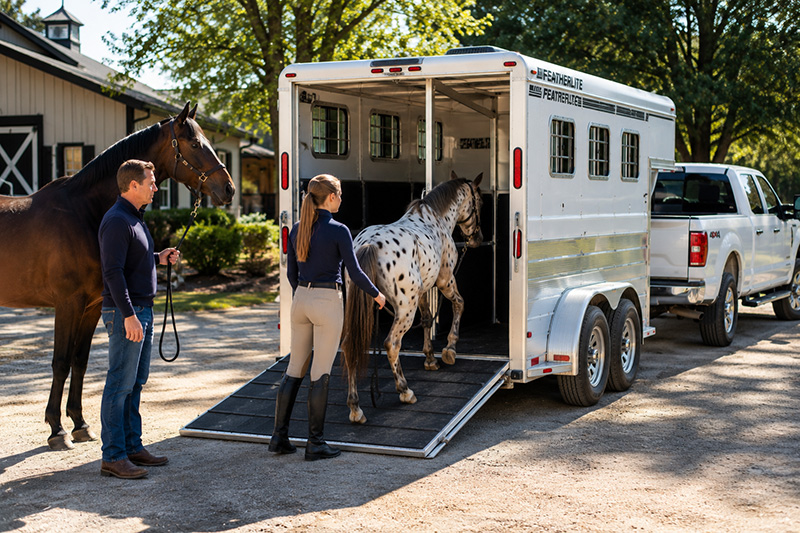
Move him on a day when you can be there, and be there again the next morning, and the morning after that. The first few days are the whole reason to plan the date at all.
Moving day is a school transfer, not a vacation.
There will be horses at the new barn your horse does not know, and you will be hoping he makes friends quickly. Usually he will. But hoping is not a plan.
Introduce him slowly and across a fence, where everyone is safe. Let them meet over a rail before they meet over grass. Watch the first turnout. Do not drop a new horse into an established herd and drive home.
Many good barns will also ask for a short isolation period before a new horse joins the general population. That is not an insult to your horse. It is biosecurity, and it protects every horse on the property including yours. If your new barn does not do this, ask them why not.
EHV-1 Biosecurity for Horse Owners: Why It Is Not Just a Show Barn Problem
The first seventy-two hours matter more than anything else on this page.
This is the part most people skip, and it is the part that sends horses to the clinic.
A horse in a new place is under stress. Stress reduces water intake and slows gut motility. That combination is how post-move colic happens, and it usually shows up in the first three days.
Be there. Watch these things:
- Water intake, measured if you can, not guessed
- Manure output, both the amount and the consistency
- Whether he is eating his hay or standing over it
- Whether he is walking the fence line or the stall
- Temperature, if anything at all seems off
Know the barn's emergency protocol before you need it. Who has the trailer keys after hours? Which veterinarian do they call? Is there a phone number posted where you can find it in the dark? Ask on day one.
If your horse refuses feed, refuses water, or shows any sign of colic, call your veterinarian. Nobody ever regrets making that call. Plenty of people regret waiting.
Remember the horse who stayed behind.
If your horse had a close pasture companion who is not coming with you, expect some grief. Bonded horses can take a week or more to settle after separation, and owners often blame the new barn when the real problem is the missing friend.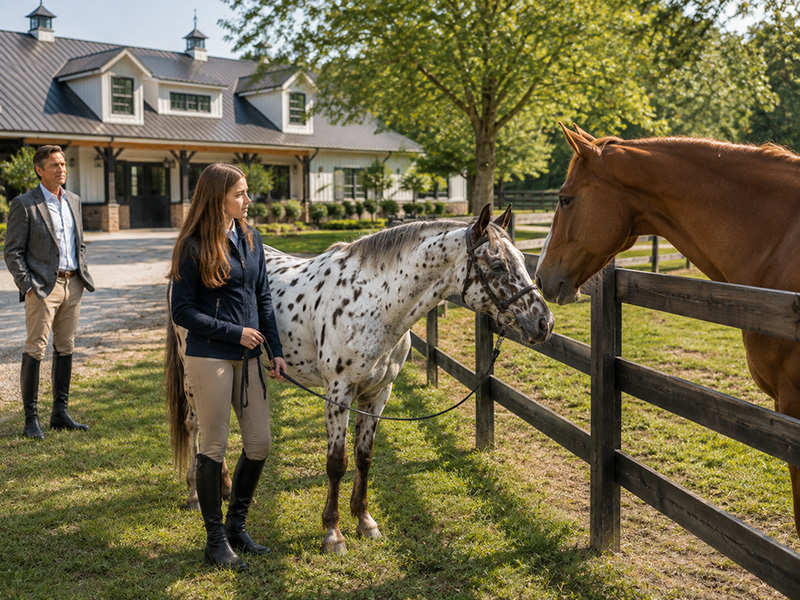
Give it time. Give him a calm neighbor. Keep his routine as steady as you can. In most cases he works through it.
Use the move as an excuse to refresh your gear.
If you are new to horses, or if most of your equipment was tired by the time the last barn closed, this is a good moment to take inventory. Replace the frayed lead rope. Replace the halter that no longer fits. Check the expiration dates in your first aid kit and restock what has gone bad.
First-Time Horse Owner Guide: Supplies, Costs, Safety, and Your Horse's First Week Home
Be the boarder everyone is glad arrived.
Whatever the reason you moved, be genuinely friendly to the boarders who were already there. Learn their names. Learn their horses' names. Ask before you borrow anything. Sweep the aisle you dirtied. Close the gate.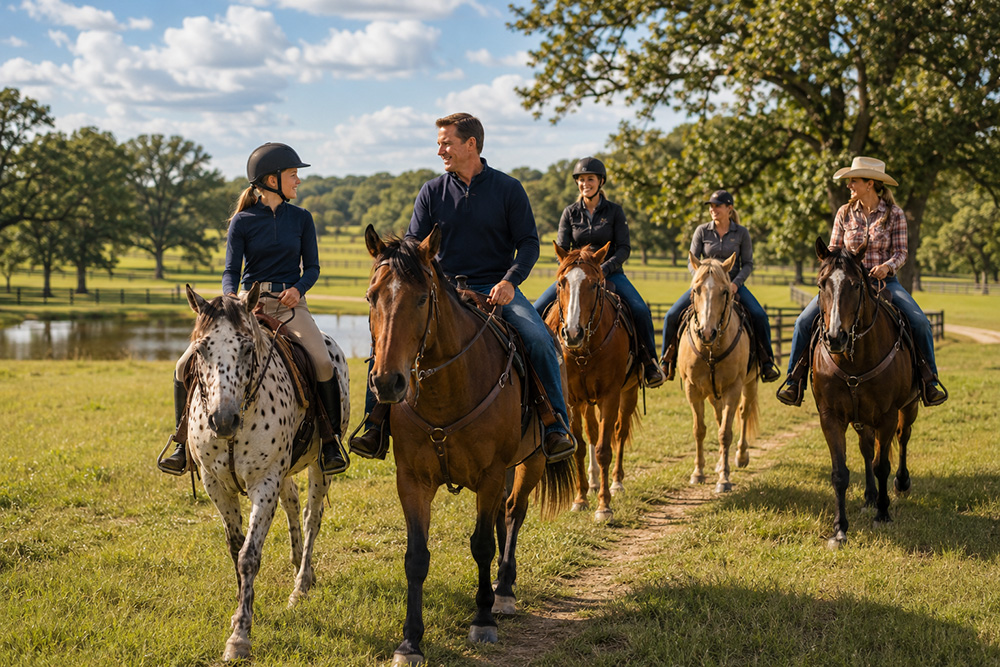
You may make lifelong friends. Your horse may do the same. Something that felt difficult and a little scary may turn out to be the best thing that ever happened for the two of you.
A word about why so many of us are having this conversation.
Stables are disappearing. Land that carried horses for generations gets valuable, and then it gets sold, and then it gets houses. I have watched it happen in Texas, California, Florida, Washington, and Utah. It is not a regional story. It is the story.
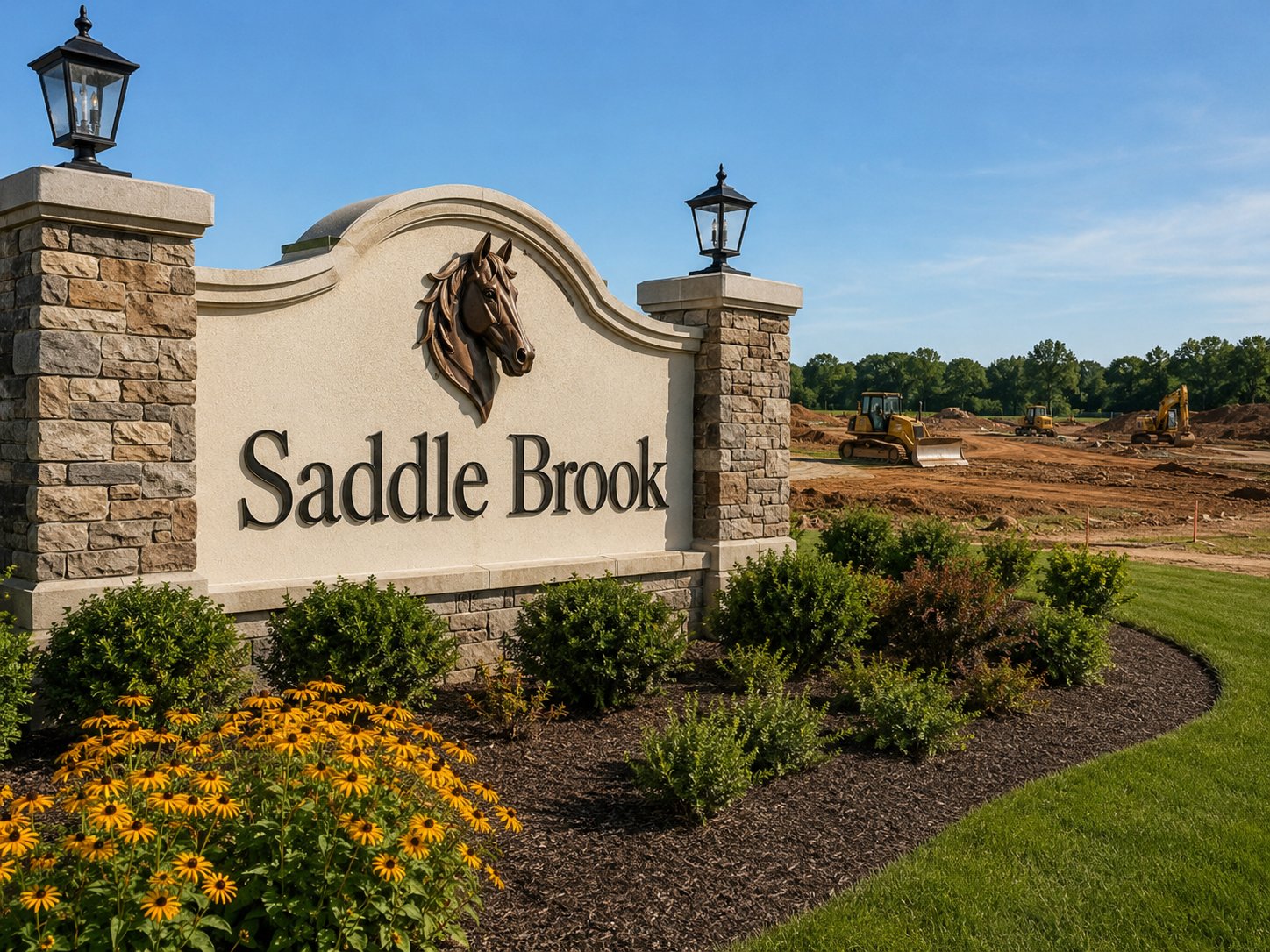
We recently helped the last boarders move out of a stable near our home that we once managed. It had been a horse property for generations. The people who bought it had the means to make it something that would last, and I had high hopes for them. They got bad advice instead. The boarders left a few at a time. The property is for sale again, it will sell quickly, someone will make a substantial profit, and upscale houses will go up on it.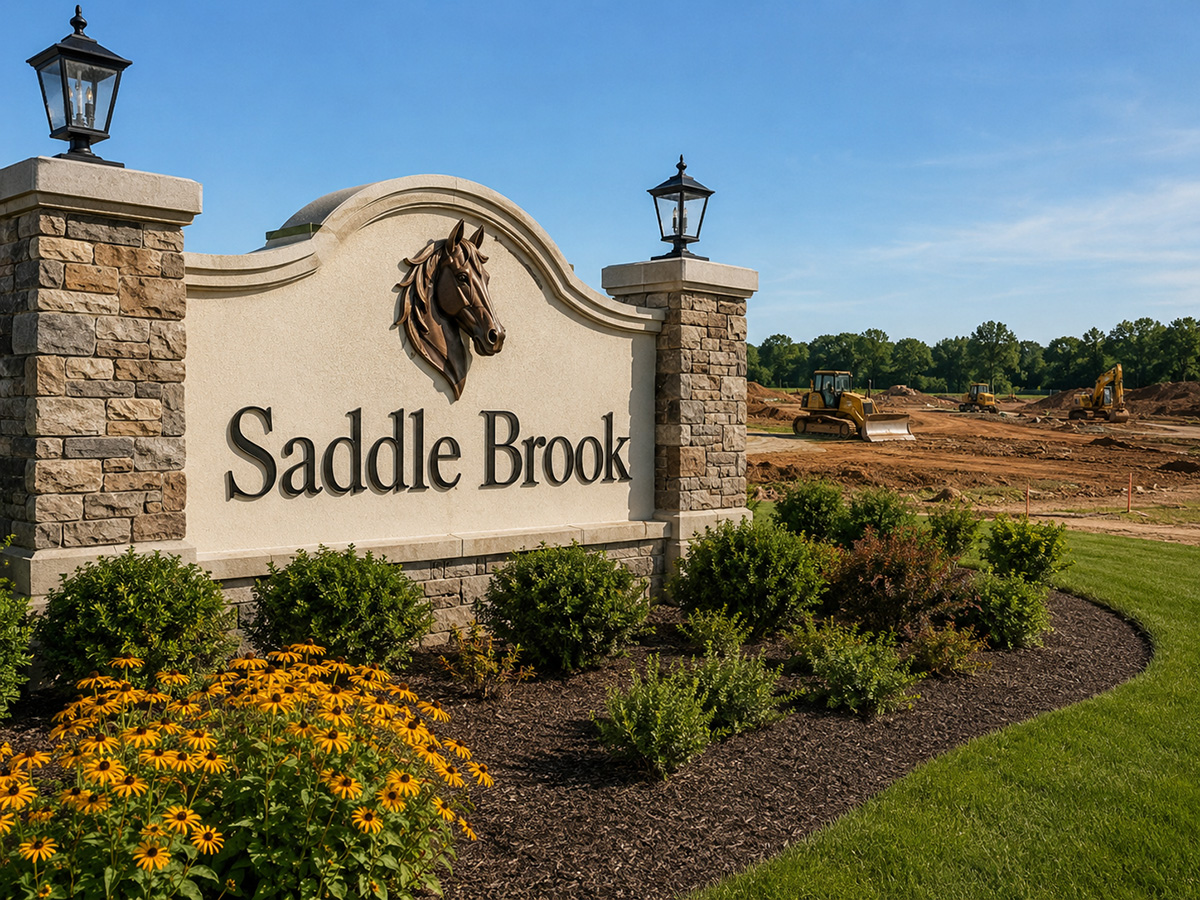
Then somebody will name the development Saddle Brook, and within one generation nobody living there will know why.
That is called progress, and I understand the arithmetic behind it. But the horses still have to go somewhere, and the people who love them still have to figure out how. If that is where you are today, do the thirty-day work, watch the water, be there for the first three days, and be kind to the people at the new place.
The barn may be gone. The horse is still here. Take care of the one that is still standing in front of you.
Common Questions About Moving a Horse to a New Barn
How far in advance should I start transitioning my horse's hay?
Begin as soon as you know the move date, ideally about thirty days out. Start with a small amount of the new hay mixed into the old and increase the proportion gradually. If your horse is on a special or restricted diet, consult your veterinarian first.
What paperwork does my horse need to change stables?
A current negative Coggins test at minimum, plus vaccination records. If you are crossing a state line you will also need a certificate of veterinary inspection, usually issued within thirty days of travel. Requirements vary by state, so call your veterinarian early.
How long does it take a horse to settle into a new barn?
Most horses begin to relax within one to two weeks, though some settle in days and some take a month. The first seventy-two hours are the most important for monitoring health, particularly water intake and manure output.
Why is my horse not drinking at the new stable?
New water tastes different, and some horses refuse it at first. Automatic waterers are another common cause, since a horse who has never used one may not understand it. Hang a bucket you can monitor, and consider hauling water from the old barn for the first few days.
Should my horse be quarantined when he arrives?
Many well-run barns require a short isolation period for new arrivals. This protects every horse on the property, including yours. It is a sign of good management, not a problem.
Can I move my horse and go out of town the same week?
No. Plan the move for a time when you can be present that day and the following several mornings. The observation period is the part that protects your horse.