
|
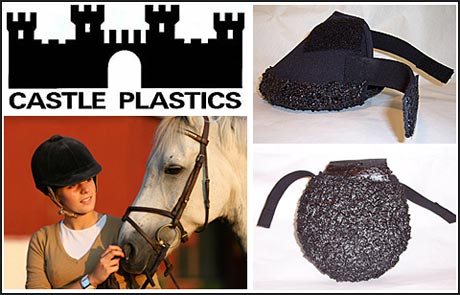
Castle Hoof Boots by Castle Plastics, Inc.
Finally an easy solution to aid your horse's comfort! Made of light neoprene rubber, the Castle Hoof Boot offers extreme comfort, protection and breathability for the hoof. About Castle Plastics, Inc. Castle Plastics was founded by Gabrielle Serafini in 1920. He and his bride Emilia migrated from Castello di Alvito, Italy to Leominster, MA in the United States in 1911. Today, Castle Plastics is a leading manufacturer of horseshoe pads in North America. Our introduction to the equine industry was sudden, unplanned, and really accidental. One day, a family friend was observed shoeing one of his horses from his racing stable. During the process, he began to nail a hoof pad between the hoof and the shoe. From there, research and inquisition began in regards to the value the hoof pad served is assisting the horses to perform. The rest is History... Castle Plastics, has involved in the hoof care industry for many decades and we take pride in both the innovation and quality of all the products that we have developed and introduced to the market over the years, as well as the fact that each and every item that leaves our facility is manufactured in house. We are extremely grateful to the farriers and horseshoe supply dealers that have willingly worked with us in order to help transform ideas and concepts into the many successful products that we have available today. As always, we continue to welcome and encourage any feedback from farriers, distributors, and equine enthusiasts. Our ultimate goal is soundness for the equine athlete! So How Do I Know If My Horse Needs To Wear Pads? Deciding when your horse needs Castle Plastics’ products is a decision that almost always needs to be made by a professional farrier. It is important to note that improper use of our products will do little to help your horse and, in certain situations, can actually irritate your horse’s feet. Keeping this point in mind, sometimes it will be obvious to you that your horse is having issues with his/her feet. The horse may appear lame, or to be walking with an altered gait. Moreover, you may even notice a visible injury to the hoof, such as an abscess or abrasion. We offer products to help with all of these issues. Discussing your horse’s symptoms with your farrier will help determine which of our products will be the most helpful. |
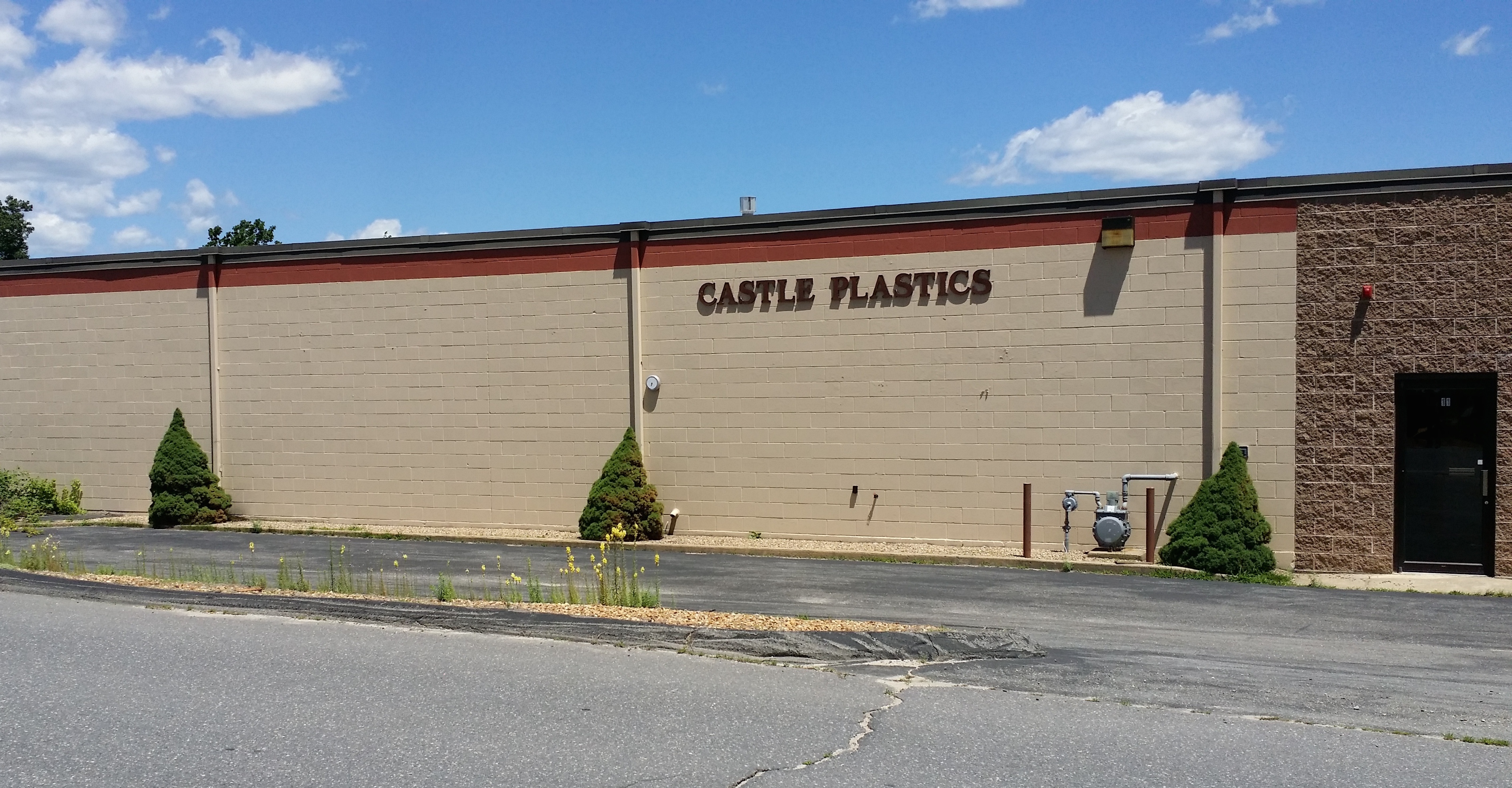
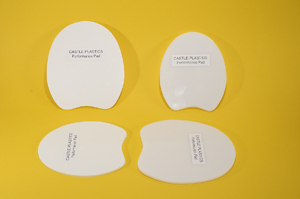
Per Castle Plastics, Inc.: founded by Gabrielle Serafini in 1920. He and his bride Emilia migrated from Castello di Alvito, Italy to Leominster, MA in 1911. Today, Castle Plastics is a leading manufacturer of horseshoe pads in North America. The introduction to the equine industry was, per the company, "sudden, unplanned, and really accidental." One day, a family friend was observed shoeing one of his horses from his racing stable; during the process, he began to nail a hoof pad between the hoof and the shoe. Research and inquiry began into the value the hoof pad served. The company manufactures everything in-house and works in close partnership with farriers and horseshoe-supply dealers.
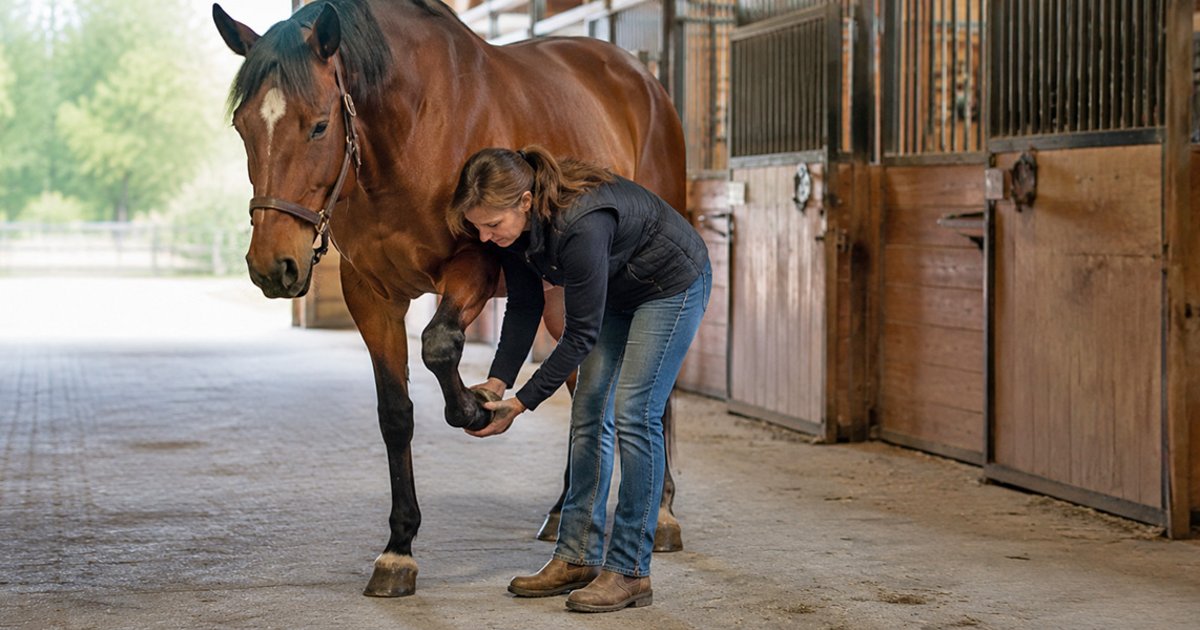
Per Castle Plastics: deciding when your horse needs pads is a decision that almost always needs to be made by a professional farrier. Improper use will do little to help, and in some situations can actually irritate the hoof. Sometimes it'll be obvious — the horse may appear lame, or be walking with an altered gait. You may notice a visible injury such as an abscess or abrasion. Discussing symptoms with your farrier will help determine which Castle Plastics product fits.
Per Castle Plastics: yes — most pads are not used to directly treat injuries. Farriers use pads often to keep horses from becoming lame or tender-footed. Examples: horses with trouble growing their frogs benefit from cushion frog pads; horses whose feet grow at strange angles benefit from degree and wedge pads. The most important rule: always use a farrier you trust and respect.
Per Castle Plastics, farriers have successfully used the pads to treat:
Plus less severe cases: slightly tender-footed horses, environmental factors warranting preventive use. The decision is one a horse-owner-and-farrier partnership makes together.
Per Castle Plastics, the length of time varies on an individual basis — and is determined by a professional farrier. Several horses with a specialized injury or newly diagnosed disease may only need pads for approximately one six-week shoeing cycle. Other horses with a history of problematic hoof growth or frog issues may use pads for their entire lives. Per the company: "the use of pads does not mean there is anything wrong with your horse. Pads are a great tool for farriers to use to help all horses function at their full potential."
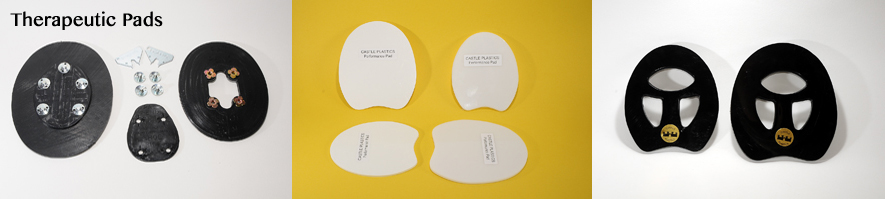
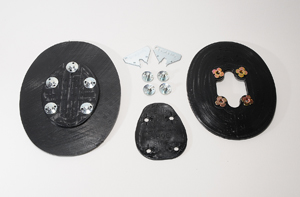
Per Castle Plastics, the line currently includes over 100 total styles of pads across 8 categories:
Per Castle Plastics, two specialty categories worth knowing:
Sno Pads — widely used during winter; recommended for any horse ridden during winter months on snow and ice. Two sub-types:
Hoof Print Impak Pads — for hunters, jumpers, Thoroughbreds, trotters, pacers, polo ponies. Manufactured from a special blend of polymers; absorb shock, stand up well, and are able to be reset. Effective for foal extensions, flat soles, pedal osteitis, and hospital plates. Great for horses that need extra concussion relief on a daily basis.
Per Castle Plastics, the company welcomes feedback from farriers, distributors, and equine enthusiasts. The 6-week regular shoeing cycle is the partnership rhythm — Castle Plastics encourages owners to make sure they have a farrier they trust and who comes out on a regular 6-week basis. Distributors are available across the USA. Direct contact: 1-800-922-7853 or 978-534-6220, email [email protected]. Address: 11 Francis Street, Leominster, Massachusetts 01453. Pricing varies by pad style and quantity; pricing as quoted is subject to change due to economic factors and polymer-market conditions — confirm current pricing with Castle Plastics or your farrier directly when ordering.
About this listing: Product and service details on this page, including any results described, are provided by Castle Hoof Boots. InfoHorse.com verifies the business behind every listing — for decisions about your horse's health, talk with your veterinarian.
Explore more from the InfoHorse.com directory




Explore expert guides on topics related to your business
By Bob Pruitt
By InfoHorse Editorial Team
By Bob Pruitt
By Bob Pruitt
By Ann Pruitt
By Bob Pruitt