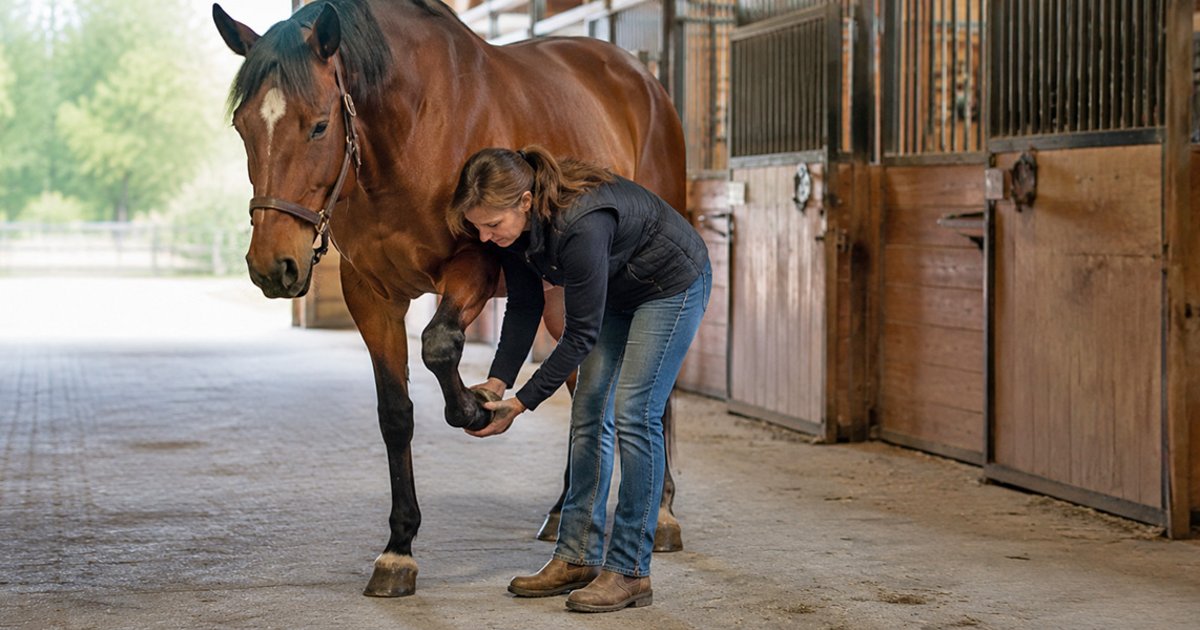
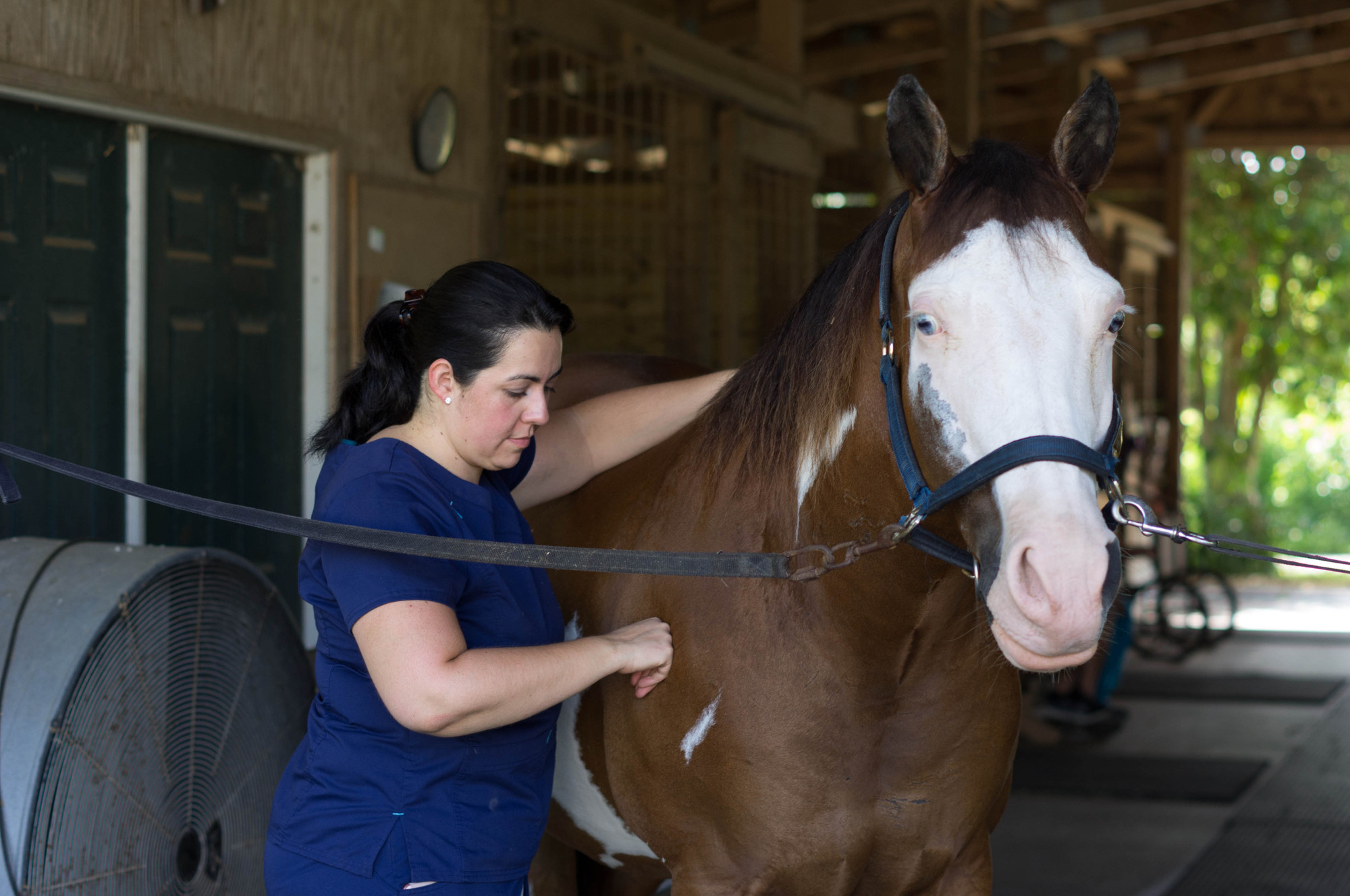

When a horse starts refusing a lead, shortening its stride, or carrying a sour attitude under saddle, the cause is often hiding in the tissue you cannot see. Equine Physiotherapy by Balanced Equus exists to find and release that hidden tension. Founded by certified Equine Fascial Integration Therapist Roxana Soler, the practice specializes in hands-on bodywork that reads a horse's body the way a rider wishes they could, then works methodically to free it.
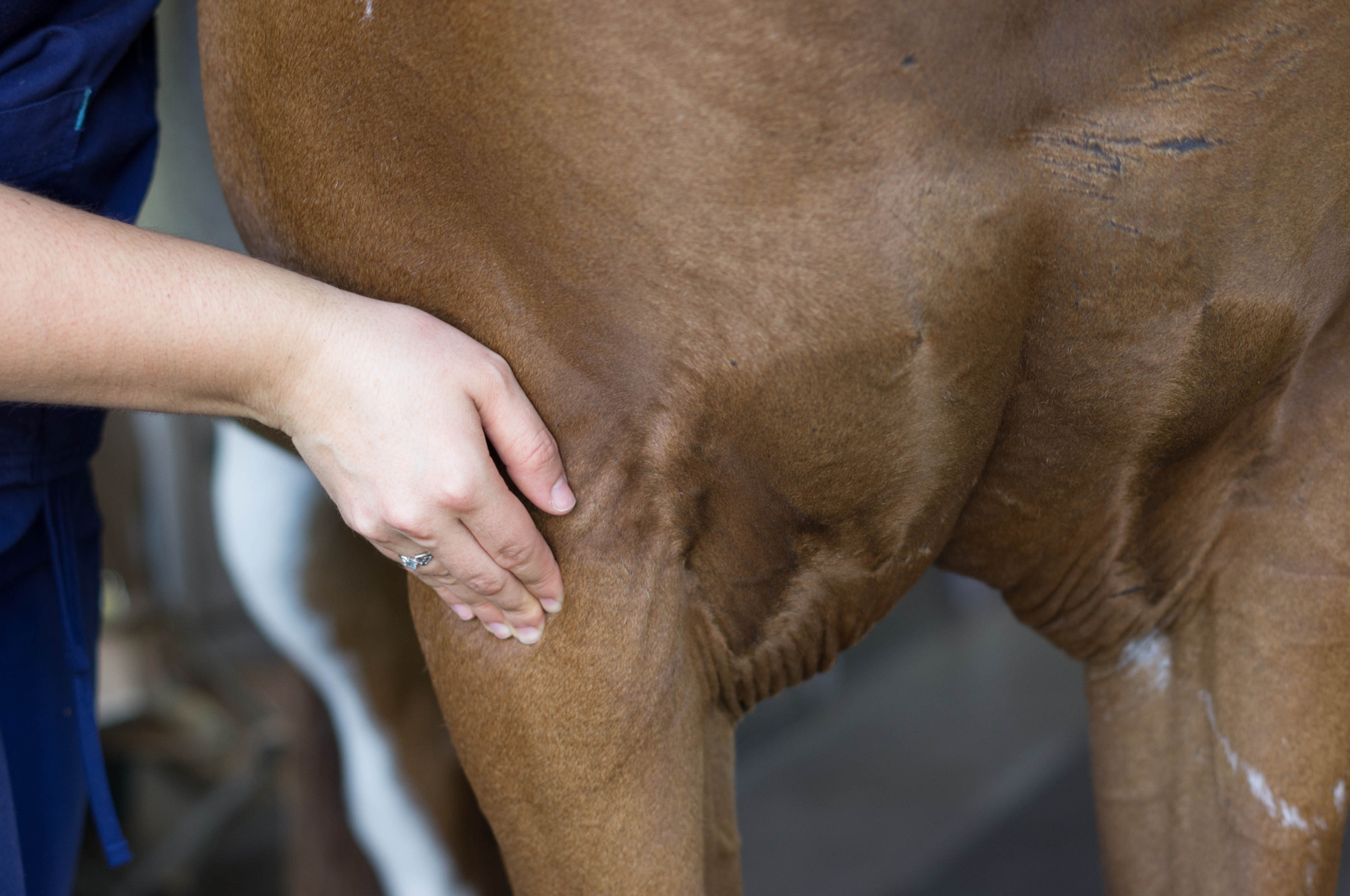
Fascia is the thin, continuous membrane that connects and protects the soft tissue throughout your horse's body. When it tightens, often as a quiet response to old injury, compensation, or repetitive strain, it pulls on muscles, tendons, and ligaments and quietly restricts range of motion. The horse loses freedom of movement long before anyone names the problem. Equine Fascial Integration Therapy, the signature service at Balanced Equus, works directly with this membrane and the structures around it, easing restriction so the body can return to biomechanical balance. The result your riders notice is simple: a horse that moves more freely, hurts less, and is willing to try again.
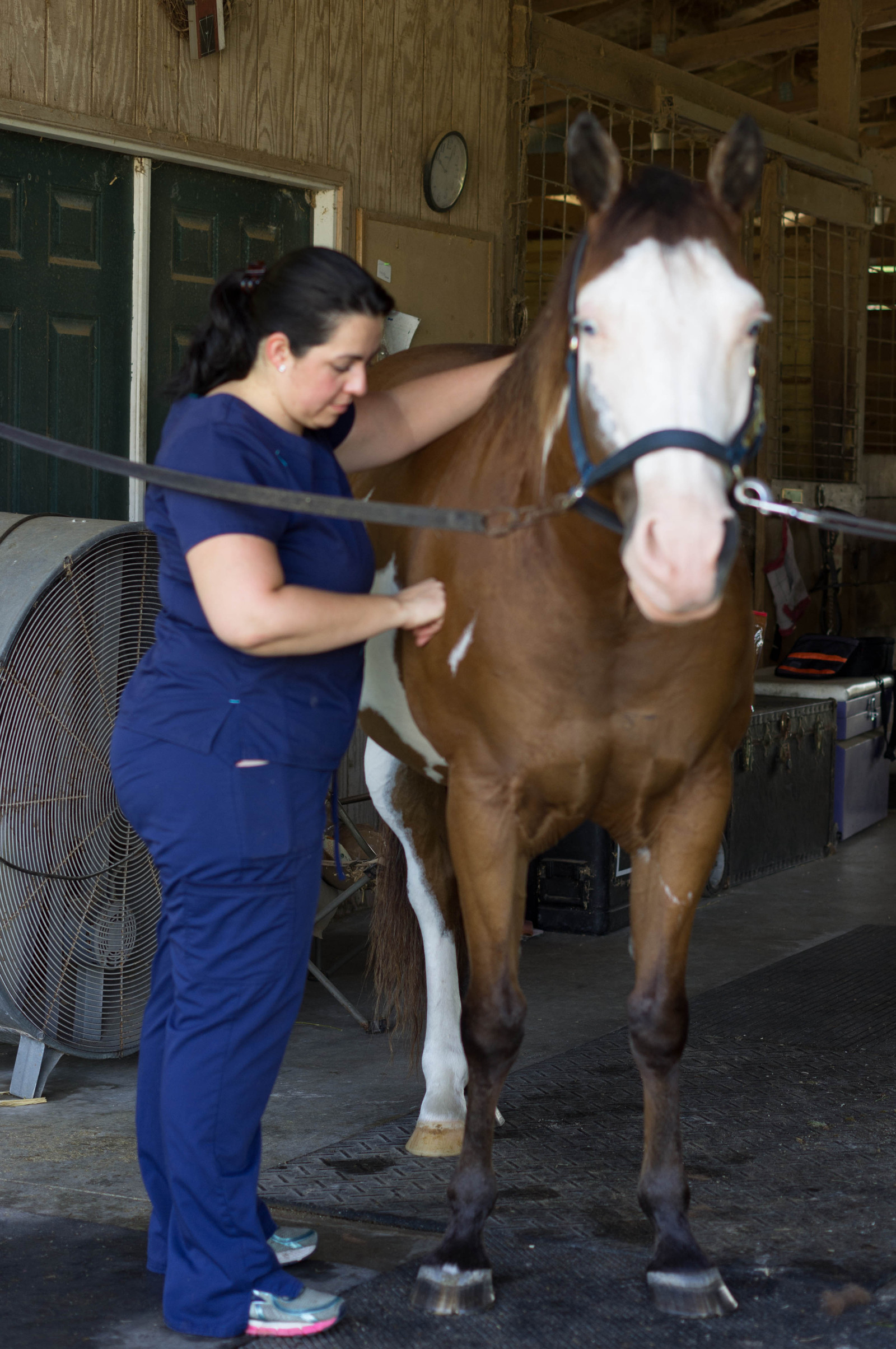
Every horse begins with a biomechanical assessment. Roxana evaluates behavior, gait, range of motion, and points of pain to build a clear picture of where the body is guarding and why. From that assessment she designs a custom rehabilitation plan tailored to the individual horse rather than a one-size routine. A full Equine Fascial Integration Therapy session runs about ninety minutes of focused, hands-on work. Because lasting recovery is rarely the work of one discipline alone, Roxana also collaborates with your veterinarian, farrier, and trainer so that the bodywork supports, rather than competes with, the rest of your horse's care team.
Balanced Equus helps horses carrying pain or discomfort, those recovering from injury, and those locked into compensation patterns that linger long after the original problem heals. It serves performance horses whose results have quietly slipped, as well as horses whose behavior, willingness, or attitude has soured for reasons that turn out to be physical rather than temperamental. By restoring range of motion and reducing pain, the work often resolves the very behavior issues that pain created, giving owners back the horse they remember. Roxana brings horses in southwest and central Florida this attention in person, traveling to the barn where each horse lives and works.
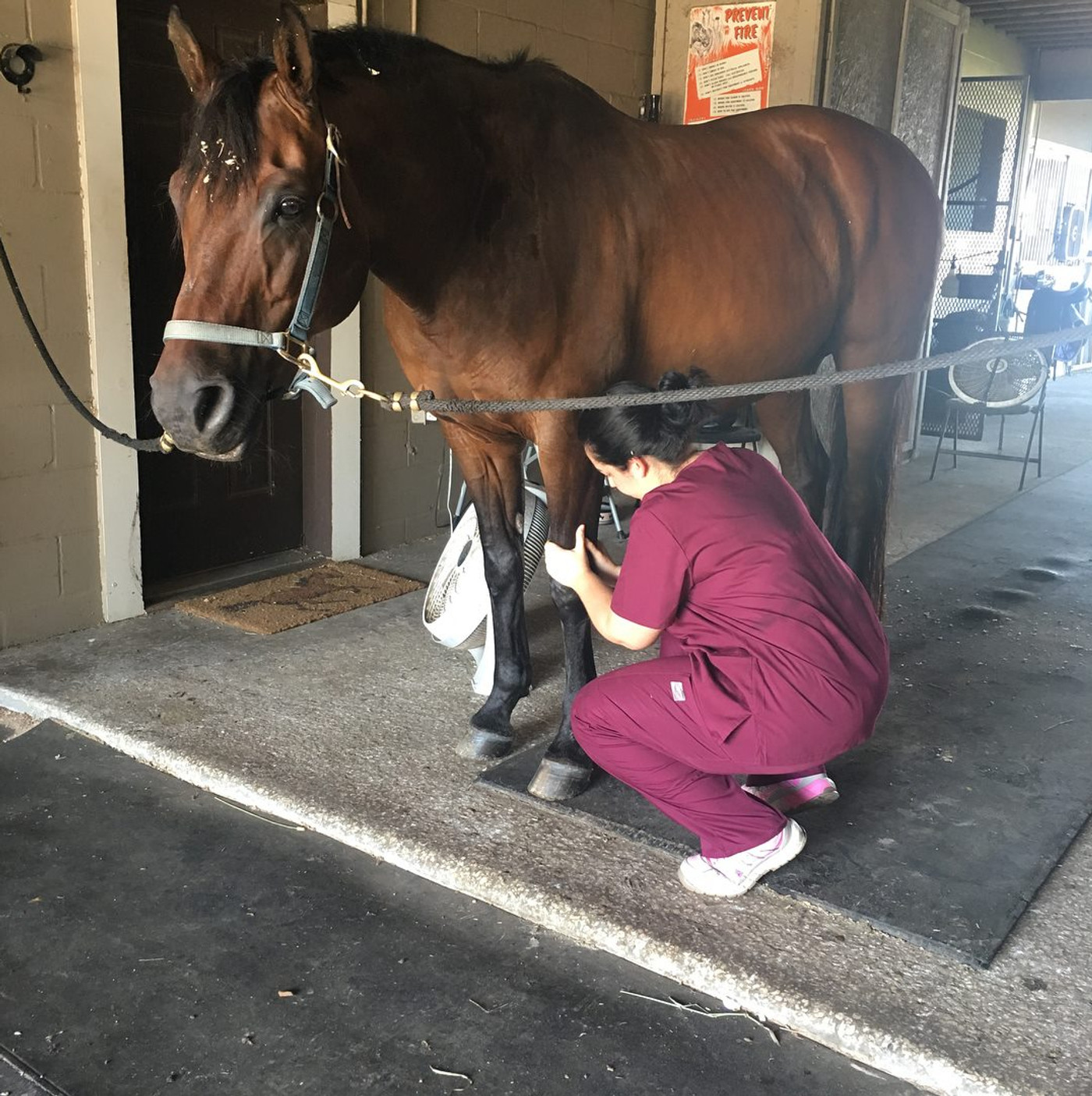
EFIT is the signature myofascial release service at Balanced Equus. It manipulates the fascia, the thin membrane connecting and protecting the soft tissue, along with the surrounding muscles, tendons, and ligaments, to release restriction and restore your horse's biomechanical balance.
Roxana Soler is based in Naples, Florida, and provides in-person service across southwest and central Florida, traveling to your barn. Travel charges may apply for locations outside the Naples and Bonita Springs area; details are confirmed when you inquire.
Each engagement opens with a biomechanical assessment. Roxana evaluates behavior, gait, range of motion, and pain to understand where the body is guarding, then builds a custom rehabilitation plan for that individual horse before any deeper bodywork begins.
A full Equine Fascial Integration Therapy session is approximately ninety minutes of focused, hands-on work. The initial biomechanical assessment is a shorter, separate appointment.
Often, yes. When pain or fascial restriction is driving a horse's resistance, releasing it can resolve the behavior issues that pain created, restore range of motion, and renew willingness and performance. Many attitude problems are physical at their root.
Yes. Roxana takes a collaborative approach, coordinating with your veterinarian, farrier, and trainer so that the bodywork complements your horse's existing care rather than working against it.
Roxana is the founder of Balanced Equus and a certified Equine Fascial Integration Therapist. She grew up in a horse-owning family and has been a lifelong rider. A riding accident that left her with lasting ankle pain and limited mobility gave her firsthand insight into how restricted movement feels, and it inspired her to help horses, who cannot describe their pain in words, find relief.
Watch for a shortened or uneven stride, reluctance to perform movements that used to come easily, a decline in performance, stiffness or limited range of motion, and new resistance or a poor attitude under saddle. These can all signal pain or fascial restriction worth assessing.
About this listing: Product and service details on this page, including any results described, are provided by Equine Physiotherapy by Balanced Equus. InfoHorse.com verifies the business behind every listing — for decisions about your horse's health, talk with your veterinarian.
Explore more from the InfoHorse.com directory





Explore expert guides on topics related to your business
By Bob Pruitt
By InfoHorse Editorial Team
By Bob Pruitt
By Bob Pruitt
By Ann Pruitt
By Bob Pruitt