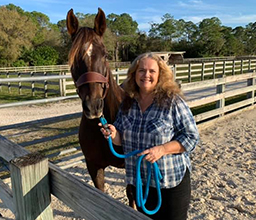
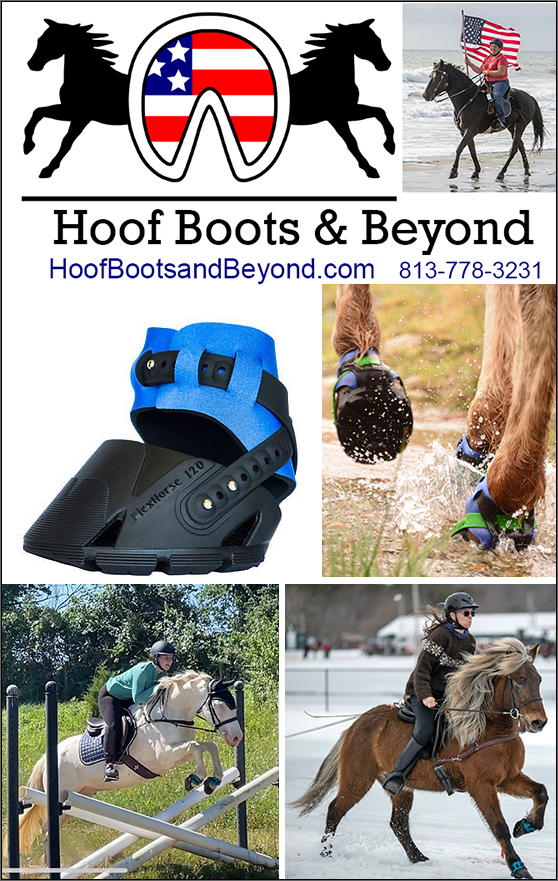
Hoof Boots & Beyond exists for the barefoot horse and the rider who wants to keep going without nailing on a shoe. The business is the U.S. importer and distributor of Flex Boots, a flexible hoof boot made in Finland, and it pairs that single, focused product line with real fitting help so the boots actually do their job on the trail, in the arena, and across whatever ground comes next.
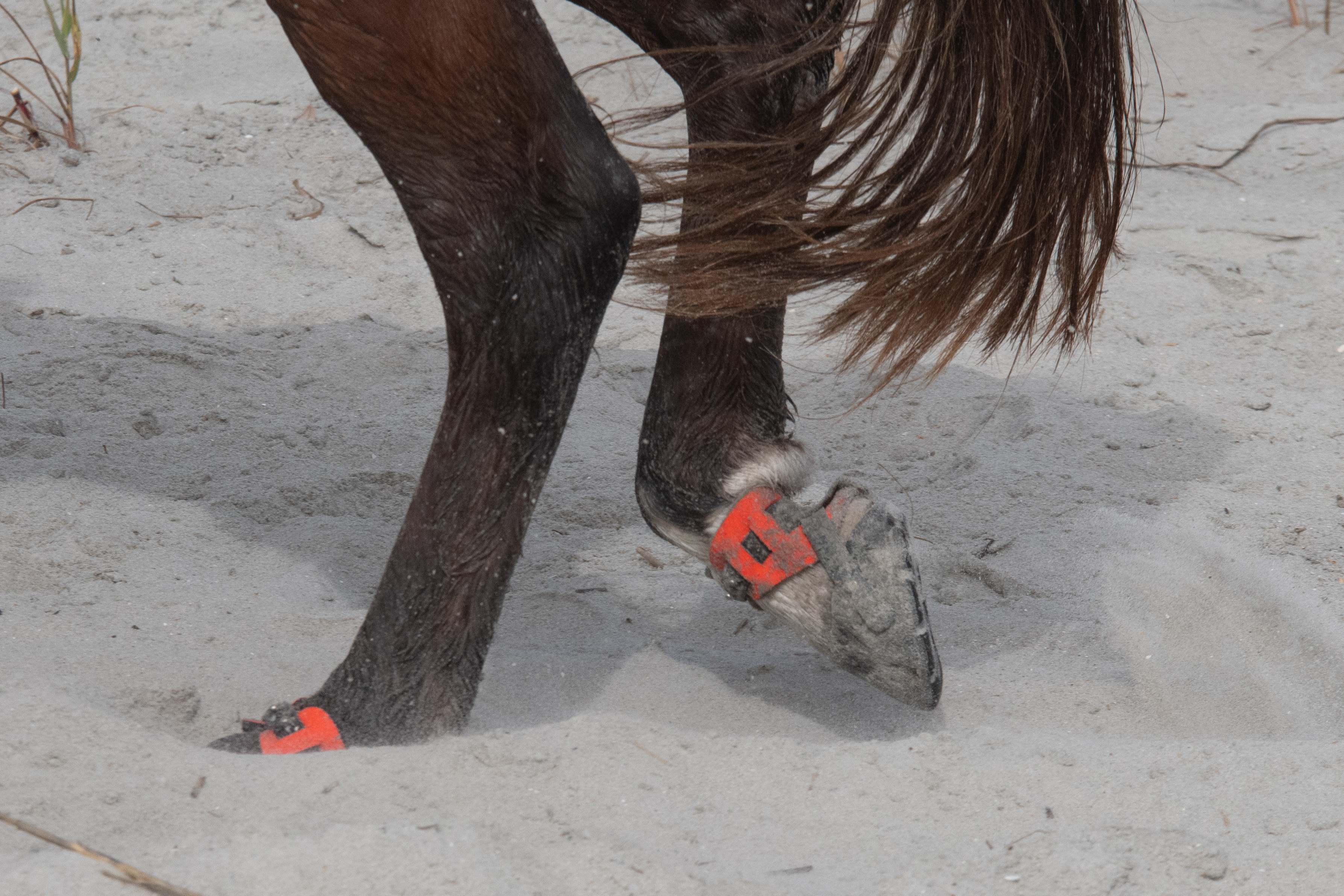
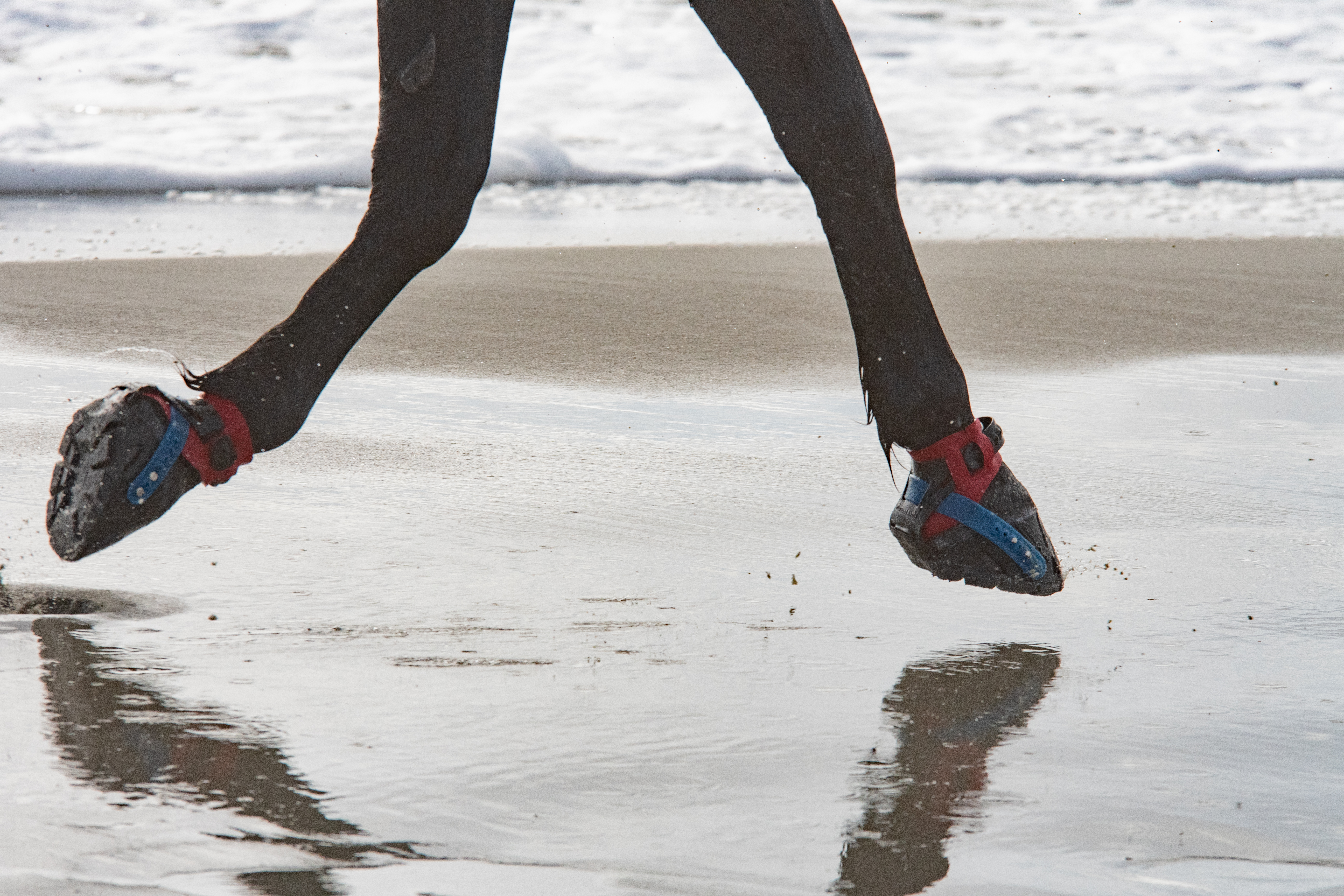
Flex Boots are built to let a barefoot hoof move the way it is supposed to. The shell flexes with each stride instead of clamping the hoof in a rigid cast, and a superior sole design with a correct break-over point helps the horse roll through the step naturally. The fastening system uses no Velcro and no cables, the materials shed water, and the soles come pre-drilled for ice studs so the same boot works in snow, mud, water, and ice. Each boot arrives as one complete set: the shell with rivets, a TPU gaiter, a neoprene gaiter, and a back strap. There is nothing to modify out of the box.
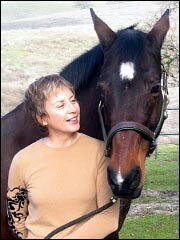
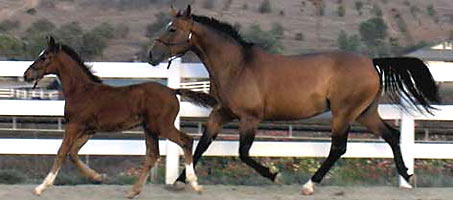
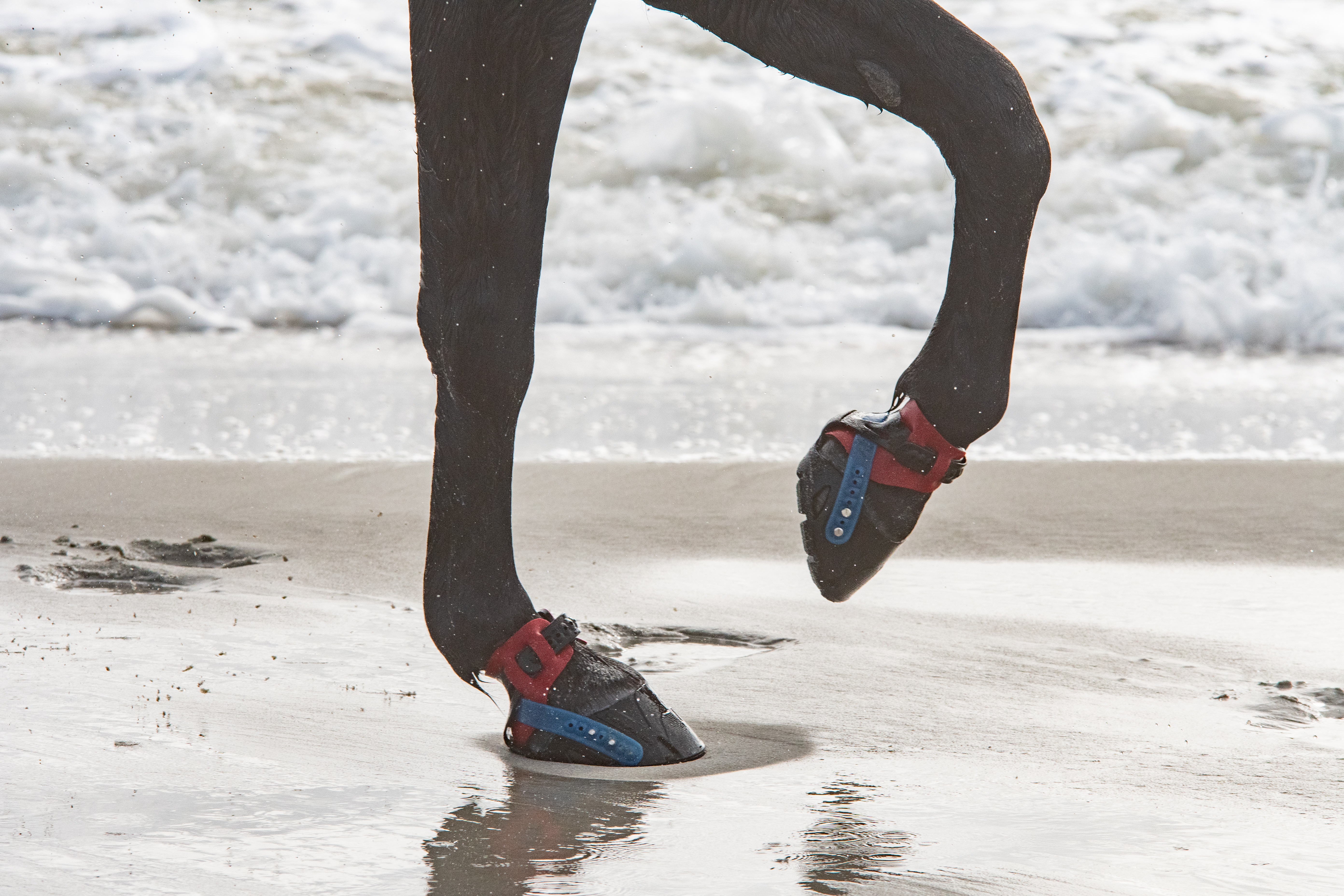
Will they hold up for riding, jumping, and eventing?Yes. Flex Boots are made for working horses, not just walks down the lane. They are ridden for trail and endurance, schooling and jumping, driving, and turnout, and they are rated for 24/7 wear when a horse needs continuous protection. Before becoming the U.S. distributor, owner Lindy Griffith tested the boots on her own horses, Maxwell and Chief, across many kinds of terrain, including a three-day, 63-mile Ocean to Lake endurance ride. The boots earned their place the hard way before they were ever sold here.
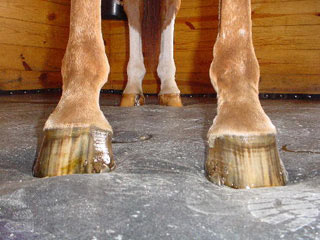
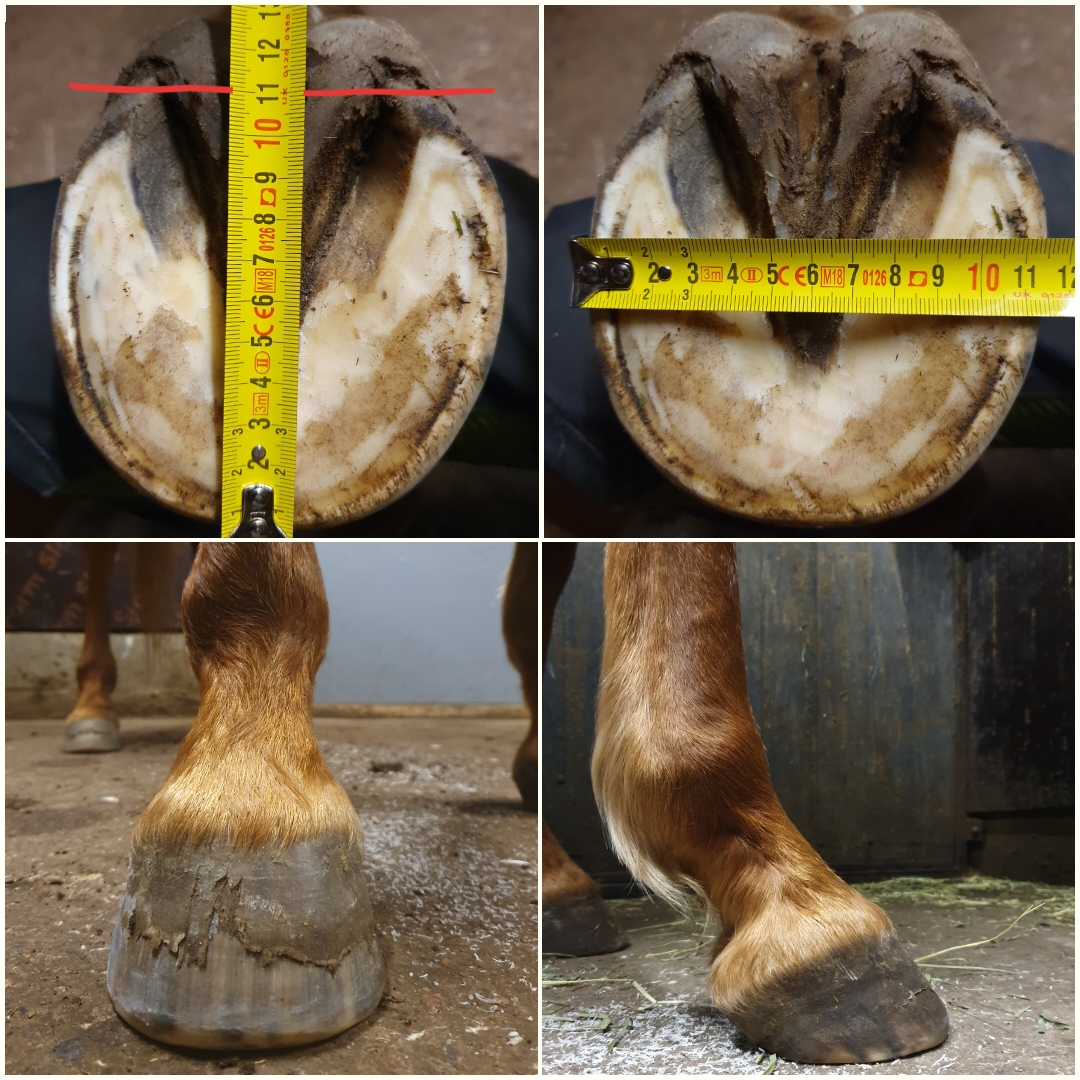
Fit is where most hoof boots fail, so Hoof Boots & Beyond treats it as the main event. Measure the hoof right after a trim, or within a day or two, because a freshly trimmed hoof is the shape the boot is built around. Drawing a line heel to heel and a second line from its midpoint to the toe gives the working length, measured along the weight-bearing wall and never out to the heel buttress, while width is taken at the hoof's widest point. With 15 standard sizes and 14 wide sizes for horses and ponies, plus Flex Pads to take up room for hooves between trims or recovering from thin soles, most horses land in a true fit rather than a compromise. Boots that run more than 10mm wider than they are long, or very narrow hooves that twist, are the honest exceptions the sizing guidance calls out up front.
You do not have to figure the fit out alone. Hoof Boots & Beyond runs a network of Hoof Boot Consultants, trained natural hoof trimmers who provide hands-on fitting service so the boot is matched to the horse in person, not guessed at from a spreadsheet. Owner Lindy Griffith describes the program as quite unique because it puts a knowledgeable person and a tape measure on the actual hoof. For owners who prefer to self-fit, downloadable sizing charts and a detailed fitting PDF walk through trim, strap placement, gaiter adjustment, and storage step by step.

Because every Flex Boot component is replaceable, you swap a worn part instead of buying a whole new boot, which saves money and waste. The shop stocks the full parts catalog: neoprene and TPU gaiters with pastern straps, boot straps and Flex Pads, and rivets, washers, and ice studs. Beyond the boots themselves the lineup extends into broader barefoot hoof care with Hoof Armor, Mud Crud products, and Evo rasps and blades, so a barefoot owner can outfit and maintain the hoof from one trusted source.
Riders consistently point to two things: the boots stay put, and they do not rub. Lisa from Louisiana found that across varied terrain "the boots stayed on great, nothing got in the boots." Debra from Florida, comparing them to a competing brand, said they were "no fuss and fit like a glove, and no rubbing." Anne from Connecticut summed up the daily-use side: "So easy to put on and take off and my boy is super comfortable."
Boots are priced and sold individually, so you add two to your cart to make a pair. Many barefoot horses need protection on only the front feet, and sizes can differ left to right, so selling singles lets you buy exactly what each hoof needs rather than a forced matched set.
Measure right after a trim, or within one to two days, because that is the hoof shape the boot is engineered around. Keeping hooves on a regular maintenance trim schedule holds them close to that shape, which is what keeps a fitted boot fitting well between cycles.
Yes. The materials are water-repellent, the design drains well, and the soles come pre-drilled for ice studs, so the same boot carries a horse through snow, mud, standing water, and ice without you needing a separate set for each condition.
This is exactly what they are built for. Flex Boots protect tender soles during the transition, and Flex Pads add cushioning for thin soles or horses recovering from conditions like laminitis, giving a newly barefoot horse comfort and protection while the hoof toughens up.
You have two paths. Use the downloadable size charts and fitting PDF to self-measure length and width, or connect with a Hoof Boot Consultant, a trained natural hoof trimmer in the network, for hands-on fitting on the actual hoof. The consultant route is the safest way to land a precise fit the first time.
The sizing guidance is honest about the edges. Boots fit a wide range of shapes, but if a hoof is more than about 10mm wider than it is long, or if a very narrow hoof shows frequent leg twisting, these flexible boots may not be the right tool. Measuring before you buy surfaces those cases before money changes hands.
No. Every component is replaceable. Gaiters, straps, pads, rivets, washers, and ice studs are all stocked separately, so a worn part is a cheap fix rather than a reason to buy a new pair, which keeps long-term cost and waste down.
Alongside Flex Boots and their parts, the shop carries Hoof Armor, Mud Crud products, and Evo rasps and blades, so a barefoot owner can protect, treat, and maintain the hoof from a single source that specializes in barefoot horses.
Explore more from the InfoHorse.com directory


Explore expert guides on topics related to your business
By Kevin Docker
By Ann Pruitt
By Becky Young
By Ann Pruitt
By Michael Lowder
By Smooth Run Equine