

Scoot Boot is the barefoot hoof boot you can actually ride in. Designed by a working farrier and built in Tasmania, Australia, it protects sensitive soles across rock, gravel, sand and mud while letting the hoof move and function the way nature intended. Riders use Scoot Boots for trail miles, endurance, reining, western work and jumping — reportedly clearing fences up to 1.5 metres without the boot coming loose.
Where many hoof boots are heavy, bulky and built only for hand-walking, Scoot Boot is low-profile, lightweight and competition-ready. The result is a boot that disappears under your horse and shows up only when you need protection.
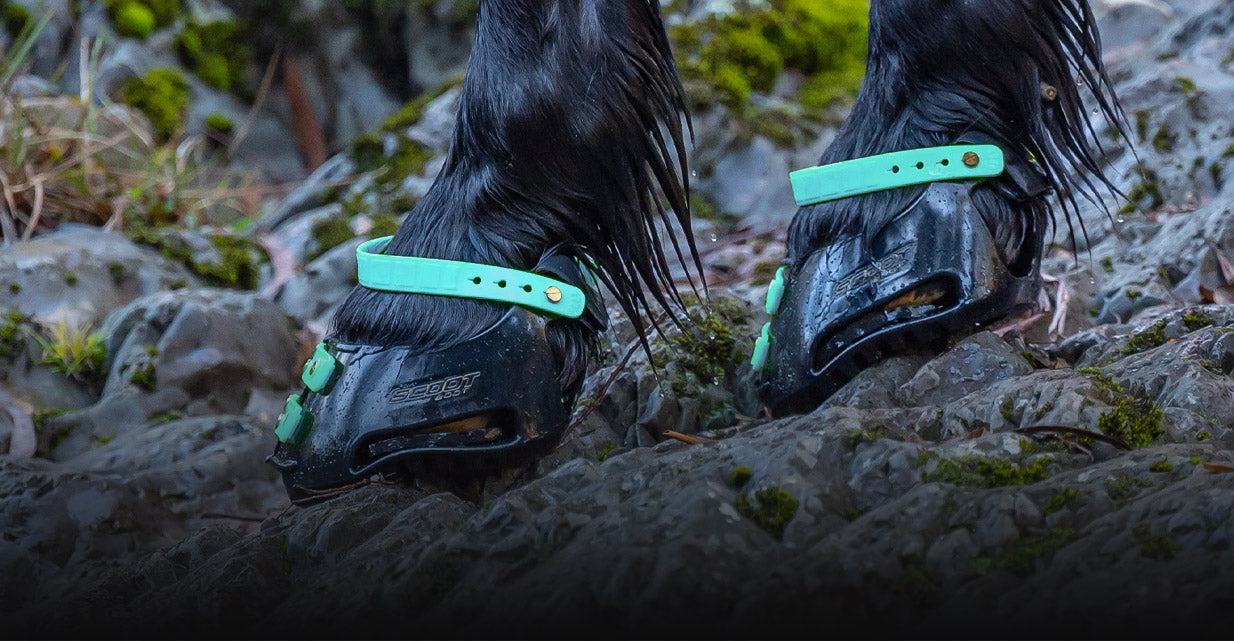
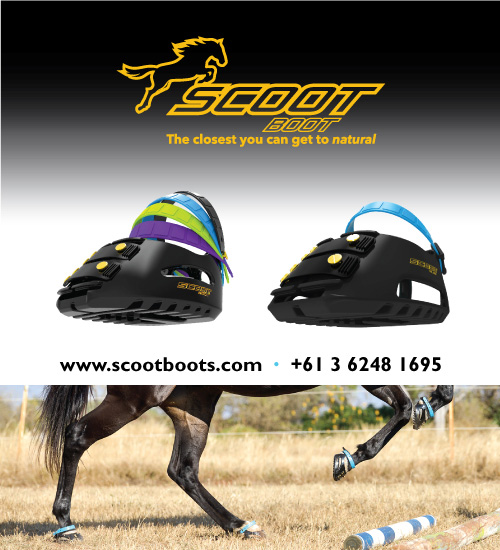
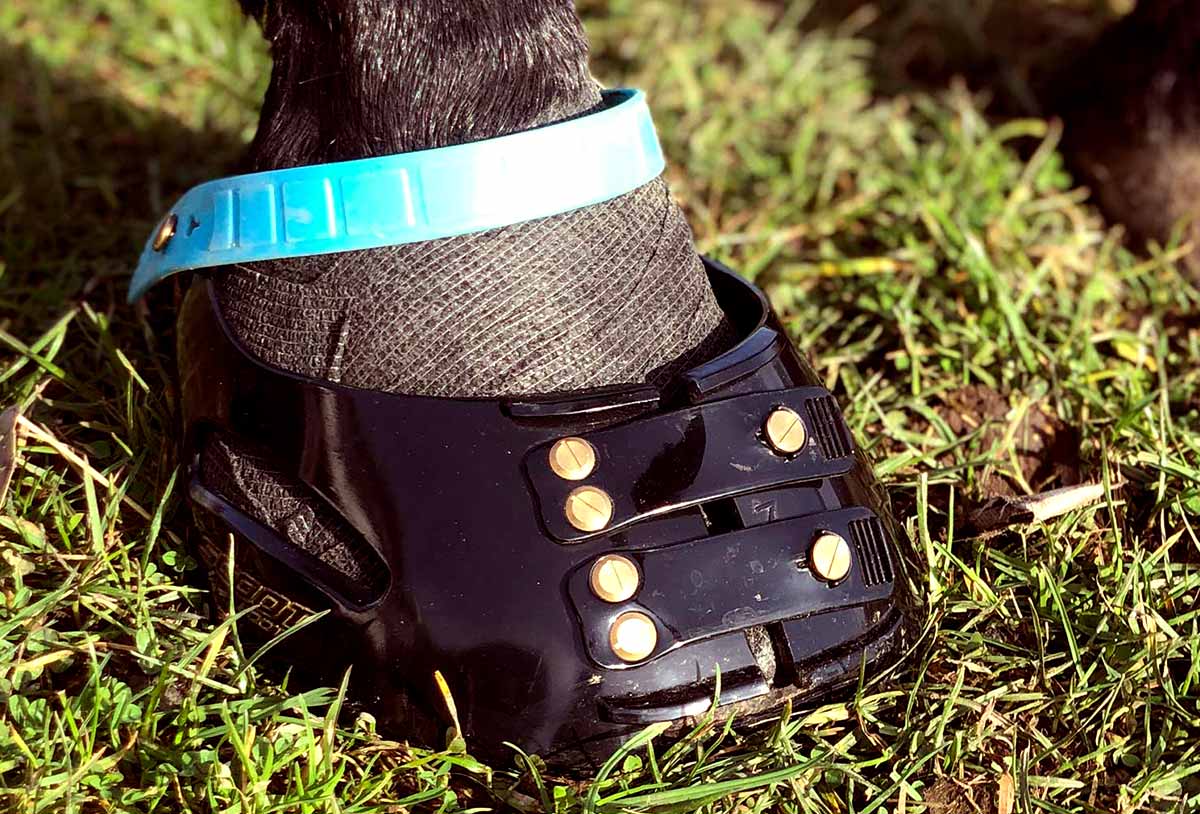
Scoot Boot is built around the barefoot hoof, not against it. There is no internal padding and no enclosed footbed to trap water, grit or heat. Instead the design uses an open toe and side vents so mud, sand and moisture drain straight out and air keeps the hoof healthy — which is why owners can leave the boots on for 24/7 turnout during rehabilitation. A flexible, shock-absorbing sole cushions the joints over hard ground, while a textured tread delivers grip across every terrain.
The fit system uses removable coloured straps rather than cables or velcro, locking the boot precisely to the hoof wall. There is nothing to fray, nothing to clog, and worn straps simply swap out instead of sending the whole boot to the bin.
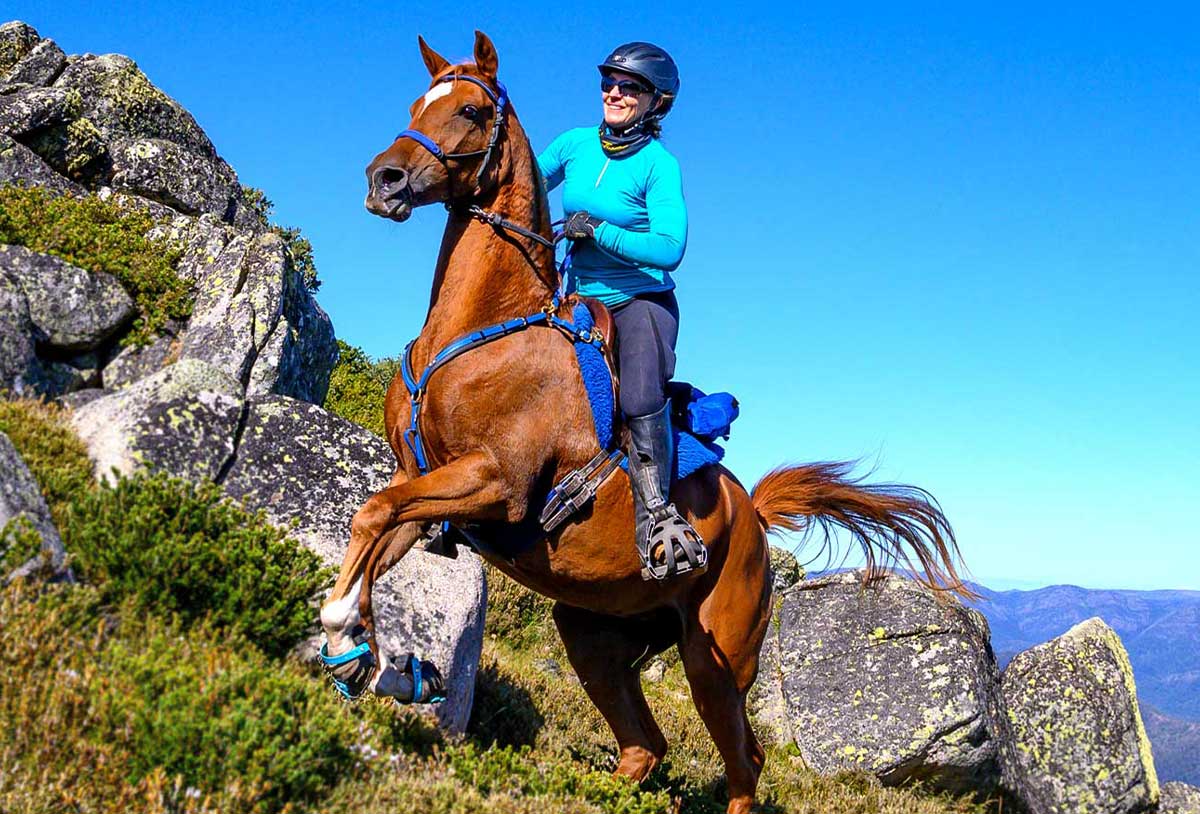
The hardest part of going barefoot is keeping a horse moving while its feet adapt. Movement is what builds the frog, the digital cushion and a hard toe callus — but a tender-footed horse will stop moving the moment the ground turns sharp. Scoot Boot bridges that gap. It shields the sole over harsh terrain so your horse keeps walking, trotting and working through the transition, then comes off again when the footing is kind.
Because the boots vent and drain freely, they also suit rehabilitation and recovery from hoof pathologies, where protection plus airflow matters more than a sealed shoe. For the everyday rider, that same design means one set of boots covers trail, arena and turnout.
Fit starts with a fresh, balanced trim, because hoof shape and size change as the foot grows. With the hoof freshly trimmed, you measure the width and the length of the foot and match those figures to the Scoot Boot sizing chart — width is the critical number, since the strap system locks the boot to the hoof wall. Scoot Boot offers a free sizing service with free shipping and exchanges so you can confirm the right size before you commit to a riding pair.
The range has grown beyond the original Scoot Boot Classic to include the adjustable Scoot Boot Adjust and the therapeutic Scoot Boot TheraRide, so there is a model and size span for most horses, ponies and rehab cases.
Yes. Scoot Boots are made to be ridden in — on the trail, in the arena, for endurance and competition. The brand reports riders jumping fences up to 1.5 metres in them, thanks to the low-profile, lightweight design and the strap system that holds the boot securely to the hoof wall.
The open toe and side vents let mud, sand, grit and water drain straight out instead of packing inside the boot, and they keep air moving over the hoof. That drainage and ventilation is what allows the boots to be left on for 24/7 turnout during rehabilitation without trapping moisture against the foot.
That is exactly what they are designed for. By protecting tender soles over hard or rocky ground, Scoot Boots keep a transitioning horse moving — and movement is what develops the frog, digital cushion and toe callus. When the footing is soft, the boots come off again.
Scoot Boot uses removable coloured straps that fasten the boot precisely to the hoof wall, instead of cables or velcro that fray and clog. The straps are replaceable, so a worn strap can be swapped out without replacing the entire boot.
Start from a fresh, balanced trim, then measure the width and length of the hoof and match them to the Scoot Boot sizing chart, with width being the key dimension. Scoot Boot also runs a free sizing service with free shipping and exchanges so you can confirm the fit before settling on a riding pair.
The line includes the original Scoot Boot Classic, the adjustable Scoot Boot Adjust, and the therapeutic Scoot Boot TheraRide. Between the three models and their size ranges, there is a fit option for most horses, ponies and rehabilitation cases.
Scoot Boot was co-founded in Tasmania, Australia in 2015 by Dave Macdonald, a farrier with more than 15 years in the industry, and Annette Kaitinis. Macdonald designed the boots out of his own barefoot horse journey, and the company now sells into more than 100 countries.
Yes. The flexible, shock-absorbing sole softens the impact of hard ground while a textured tread provides grip, so the boots are well suited to rock, gravel, trail and endurance riding as well as everyday arena work.
About this listing: Product and service details on this page, including any results described, are provided by Scoot Boot. InfoHorse.com verifies the business behind every listing — for decisions about your horse's health, talk with your veterinarian.
Explore more from the InfoHorse.com directory






Explore expert guides on topics related to your business
By Giddyap Girls
By Ann Pruitt
By Debbie Disbrow
By Bob Pruitt
By InfoHorse Editorial Team
By Bob Pruitt