The truck is half of every hauling rig, and it is the half that does the stopping. So whether you are hauling hay or horses, start with the numbers before you fall for horsepower or trim. The sticker on the driver's door jamb and the owner's manual give you the tow rating, the payload, and the gross combined weight rating, which is the most the truck, trailer, horses, tack, fuel and passengers may weigh together.
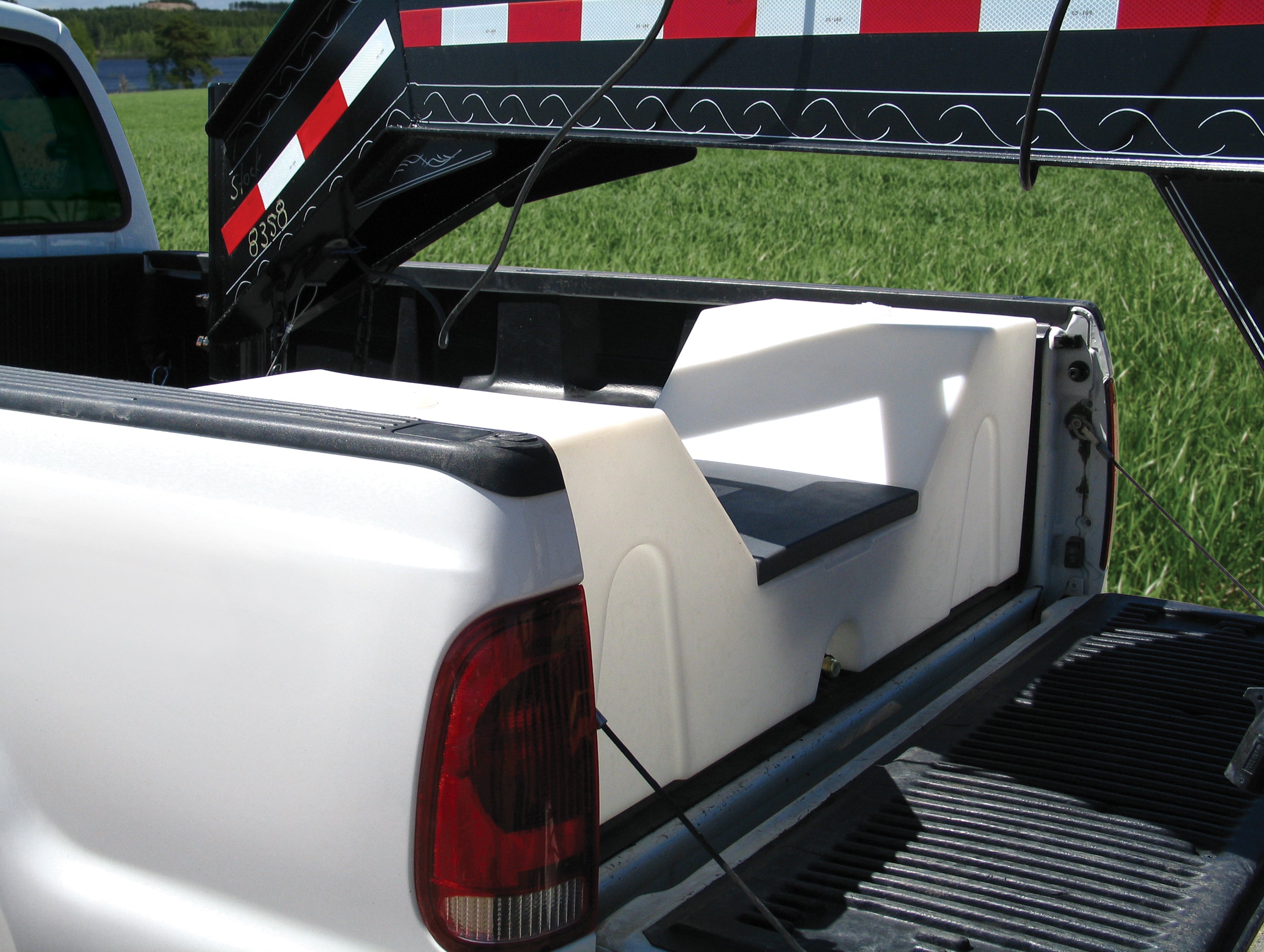
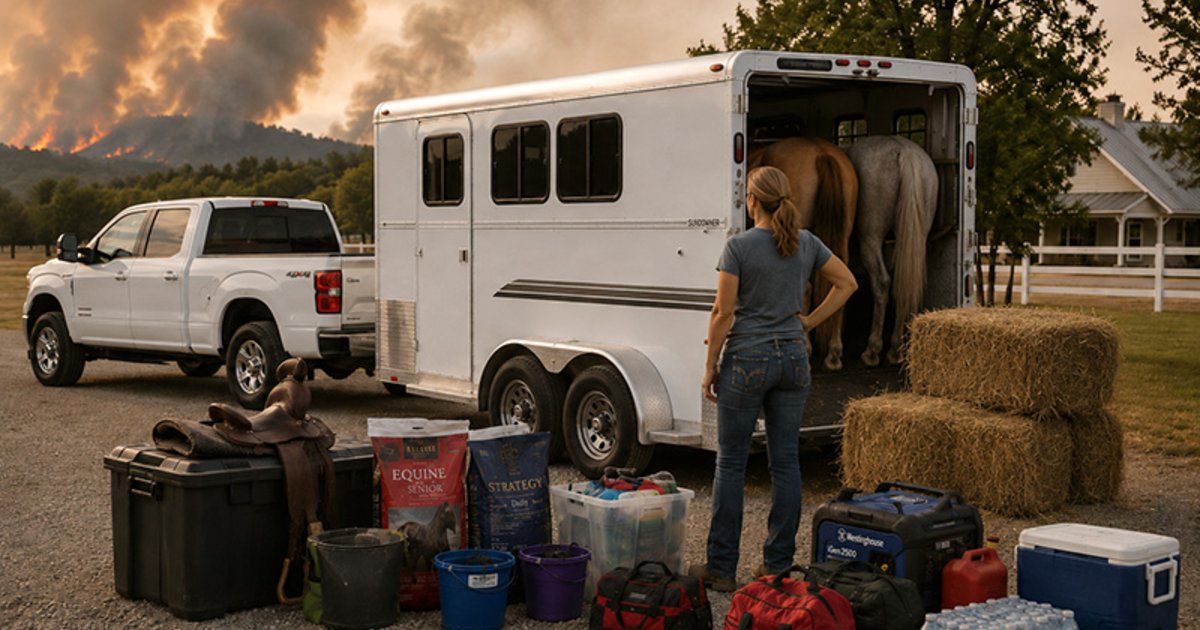
Weigh the load honestly. A full-grown horse commonly weighs 1,000 to 1,200 pounds, and hay, water, tack and a dressing room add up fast. The trailer also presses down on the truck: plan on roughly 10 to 15 percent of a loaded bumper-pull trailer's weight on the hitch ball, and roughly 15 to 25 percent of a gooseneck's weight in the bed. That weight counts against payload along with everyone in the cab, and payload is often the limit you reach first.
Horses are a live load. They shift, lean into turns and brace when you brake, so a rig that pulls a flatbed load comfortably can feel very different with two horses aboard. A longer wheelbase and a heavier truck generally help stability, and a brake controller matched to the trailer's brakes matters more than any engine option. Leave yourself a margin instead of towing right at the rated limit.
Not sure whether your truck and trailer are a match? Our free Tow and Trailer Matcher walks through the numbers, and the Horse Trailering Guide covers loading, driving and safety checks before you pull out.
The companies on this page serve horse owners who haul. Compare what they offer, and call them with your truck's ratings and your trailer's loaded weight in hand.