ⓘ
The Solution Section (FAQ)
Who is Valley View Ranch Equestrian Camp for?
Valley View Ranch is an equestrian summer camp for girls ages 8 to 17 located on Lookout Mountain in northwest Georgia. Each session serves up to 60 campers in a safe, nurturing environment built around horses. The camp has been developing confident, skilled riders since 1954.
What riding programs does the camp offer?
Valley View offers five distinct riding programs tailored to different disciplines and skill levels: English Hunt Seat, Stock Seat Western, Pony Club, Barrels, and Vaulting. This lets each camper focus on the discipline that interests her most, from classical jumping to gymnastics on horseback.
Are the programs suited to different skill levels?
Valley View's riding programs are tailored to different disciplines and skill levels. In English Hunt Seat, for example, lessons progress from basic walk-trot work through advanced courses. Riders take two mounted lessons daily plus a theory class as they develop their skills.
What is the difference between the English and Western programs?
The English Hunt Seat program teaches classical English riding with a focus on proper position, flatwork, and jumping. The Stock Seat Western program covers Western fundamentals including reining, trail patterns, horsemanship, and working cattle. Girls choose the path that fits the riding style they want to learn.
What is the Pony Club program at Valley View?
The Pony Club program is based on the United States Pony Club curriculum and teaches comprehensive horse care alongside riding skills. Campers can earn official Pony Club ratings while at camp. It is well suited to riders who want a structured, recognized progression in horsemanship.
Does the camp teach horse care, not just riding?
Yes. Every camper learns essential horse care skills including grooming, tacking, feeding, and basic health checks. Understanding the whole horse is central to Valley View's philosophy, so girls leave knowing how to care for a horse, not only how to ride one.
What does a typical day at camp look like?
Riders participate in two mounted lessons daily plus a theory class, with the rest of the day given to camp life. Afternoon activities include swimming, crafts, hiking, and more. The schedule balances riding excellence with overall personal growth and character building.
How do I enroll my daughter or learn more about Valley View Ranch?
You can reach Valley View Ranch Equestrian Camp by phone at 706-862-2231 or by email at
[email protected]. Full session details and registration are available on their website at https://www.valleyviewranch.com. Reach out early, since each session is limited to 60 campers.
Where is Valley View Ranch located and what is the setting like?
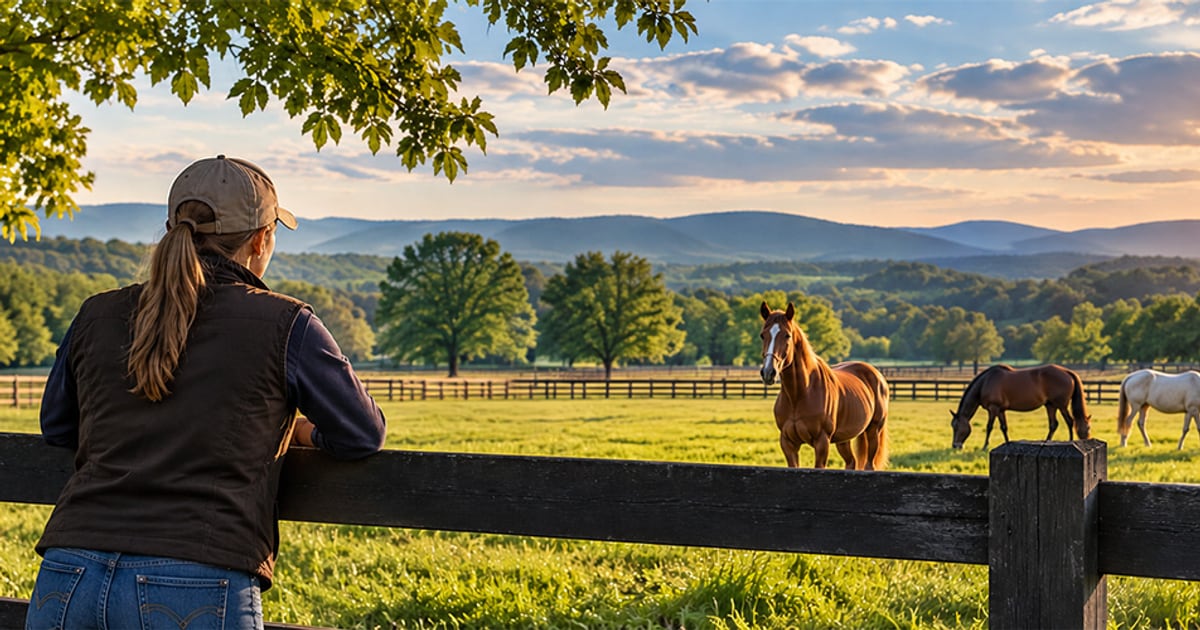
Valley View Ranch sits atop Lookout Mountain in Cloudland, northwest Georgia, where Georgia, Alabama, and Tennessee meet. The camp spreads across 600 private acres of pastures, wooded trails, and panoramic brow views at an altitude of about 1,800 feet, which brings warm days and cool nights. It is roughly 45 miles south of Chattanooga, 100 miles northwest of Atlanta, and 120 miles northeast of Birmingham, reached by a two-mile private drive. The remote mountain setting gives campers a true ranch-living experience surrounded by ancient Appalachian forest, streams, rock formations, deer, and wild turkey.
Are the riding instructors at Valley View Ranch certified?
Yes. Every riding program at Valley View Ranch is taught under CHA (Certified Horsemanship Association) professional instruction, across Hunt Seat, Western Stock Seat, Pony Club, Barrels and Gymkhana, and Vaulting. Certified instructors teach each camper to use her head, hands, seat, and legs to communicate clearly with her mount, with lessons arranged by ability so beginners and advanced riders both progress safely. This professional, certified instruction is a core reason families have trusted Valley View as a girls equestrian summer camp for decades.
What are the 2026 session dates and tuition rates for Valley View Ranch?
For summer 2026, Valley View Ranch offers a one-week Mini Session A (5/31 to 6/5) at $2,600, a two-week 1st Session (6/7 to 6/19) at $5,000, a three-week 2nd Session (6/21 to 7/10) at $7,000 with one- or two-week options available, and a two-week 3rd Session (7/12 to 7/24) at $5,000. Enrollment requires a $500 deposit per child per session. Because some sessions fill quickly and overall enrollment is limited, families are encouraged to register early through the camp's website at https://www.valleyviewranch.com.
What is the deposit and cancellation policy for camp registration?
Camp enrollment requires a $500 deposit per child per session, and $500 of that deposit is a nonrefundable registration fee after April 1, including cancellations for illness, pandemics, fire, or forces of nature. Cancellations received in writing before April 1 are eligible for a refund; cancellations after April 1 receive a refund of camp fees paid minus the $500 deposit, and cancellations less than three weeks before June 1 forfeit prior payments. The camp accepts all major credit cards with a 3.5% customer assistance fee per card transaction, while checks and cash are preferred. Full details are on the registration page.
How are the cabins set up and what are the counselor ratios?
Campers live in five large wood-framed bunkhouses with porch swings, plumbing, electricity, and screened-in windows that open onto brow views and grazing horses. Each bunkhouse holds two cabins, with five girls and one counselor on each side, so ten girls and two counselors share every bunkhouse. One wrangler-counselor is assigned to each group of no more than five girls and lives in the cabin with them, creating close mentorship. Girls are grouped into cabins by age, and counselors, chosen for high ideals and strong character, are usually former campers who return to carry on the camp's traditions.
Can my daughter bring her own horse to camp?
Yes. While Valley View Ranch keeps a herd of camp horses year-round so a camper's favorite mount is always waiting, girls are also welcome to bring their own horse and enjoy a new partnership amid the mountain scenery. The ranch's foundation is built on years of raising Quarter Horses, and it offers many breeds and colors suited to every level of rider. On arrival, each rancher is interviewed about her horse experience and given a riding tryout, then matched to a horse according to her ability and preferences for the safest, most rewarding fit.
What is the Vaulting program and when must campers enroll for it?
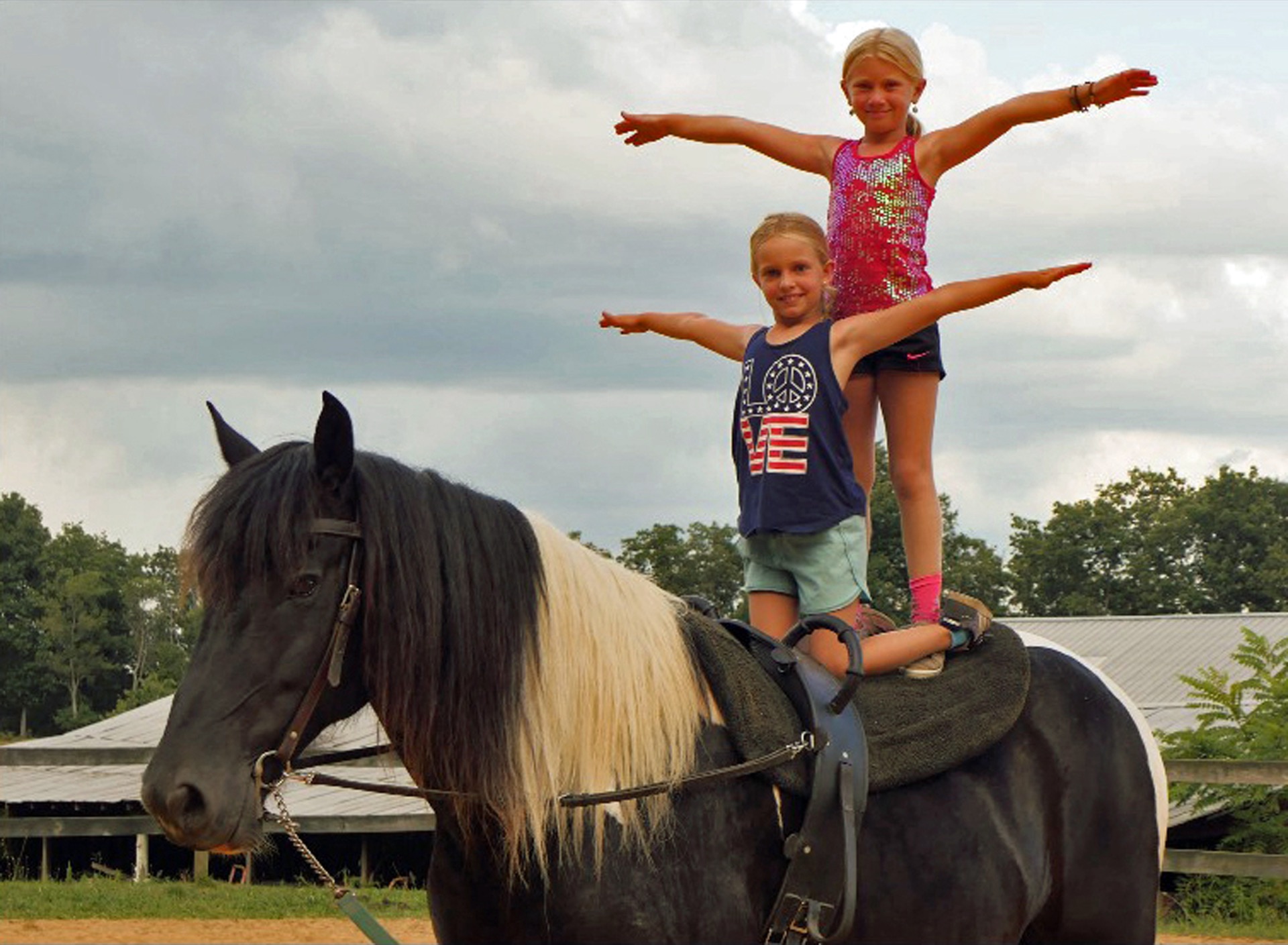
Valley View Vaulters perform gymnastic maneuvers on horseback, holding the handles of a surcingle while one instructor teaches and another lunges the horse in a circle. Campers train on Heyoka, a gentle Belgian-Haflinger, and Taj, a black-and-white Friesian paint. Practice begins on a stationary vaulting barrel learning seat, mount, dismount, and basic stunts, then advances to moves like the flag, swan, stand, arabesque, prince, and doubles tricks with a friend. Vaulting is a safe, confidence-building horsemanship challenge, but enrollment is limited and must be completed before January 1, so families interested should reserve a spot early.
What activities besides riding does the camp offer?
Beyond two daily mounted lessons, Valley View Ranch runs a full recreational program. Campers enjoy archery, hiking, swimming, canoeing and kayaking, environmental education, and group games, plus crafts like pottery, painting stall signs, horseshoe art, jewelry, leatherwork, and tie-dye. Nightly entertainment includes talent and skit nights, the Carnival and Barn Dance, campfires, cookouts, and karaoke. Two-week campers also take a Sunday excursion, with younger girls visiting Chattanooga attractions like the Tennessee Aquarium and Rock City, and campers 12 and older able to take a guided whitewater rafting trip down the Ocoee River.
Who owns and runs Valley View Ranch, and how long has it operated?
Valley View Ranch is a family-run equestrian camp now in its third generation of horse lovers. Jack and Olive Jones bought the property in 1954 and built it into a riding camp for their four daughters. In 1970 their daughter Nancy took over and remains the owner and director, while her niece Chelsea serves as Assistant Director and Office Manager, and Barbara 'Bo' Clark has coordinated the riding programs since 1975. Summer 2026 marks the camp's 72nd season of helping girls grow as confident riders, making Valley View one of the longest-running girls equestrian summer camps in the Southeast.
How much trail riding and time in the saddle do campers get?
Valley View Ranch has more than 10 miles of wooded trails winding past streams, log jumps, rock formations, and wildlife, and wranglers lead at least four guided trail rides a day that campers join around their riding-class schedule. Trail riding lets each girl log extra time in the saddle to practice communicating with her horse, and favorite routes lead to special spots like 'The Compass' and the 'Lookoff Ledge.' At the end of a two-week session, campers often team up for a mounted scavenger hunt with riddles and obstacle challenges, and many search the woods for the camp's prized 'golden horseshoe.'
Are the riding instructors at Valley View Ranch CHA certified?
Yes. Every riding program at Valley View Ranch is taught under CHA (Certified Horsemanship Association) professional instruction, from English Hunt Seat and Western Stock Seat to Pony Club, Barrels and Gymkhana, and Vaulting. Lessons are arranged by each rider's ability and woven into her daily ranch schedule, and the riding programs have been coordinated by Barbara 'Bo' Clark since 1975. The certified-instruction standard, combined with specially schooled lesson horses and small group sizes, is central to how the camp builds confidence and skill safely across every discipline and level.
How big is the ranch and what is the property like?
Valley View Ranch is a 600-acre private peninsula off Lookout Mountain in northwest Georgia, set at an altitude of about 1,800 feet near the point where Georgia, Alabama, and Tennessee meet. A two-mile private drive leads in from the highway, Jones Gulf borders the west and north perimeters, and the Chattanooga Valley to the east supplies the sunrise-and-moonrise 'valley view' that gives the ranch its name. More than ten miles of wooded trails wind through ancient Appalachian forest past streams, rock formations, log jumps, and wildlife such as deer and wild turkey, making it a genuine working ranch rather than a manicured resort.
How does the camp match each girl to the right horse?
On arrival, each camper is interviewed about her horse experience and given a riding tryout, then assigned a horse according to her ability and preferences. The Hunt Club keeps specially schooled lesson horses for beginners through advanced riders in its own ring and barn, and the Western program draws on a herd founded on years of raising Quarter Horses, with many breeds and colors available for every level. Younger Pony Club campers have their own horses, barn, and tack room. Because Valley View is a year-round working ranch that keeps its herd all year, a returning camper's favorite horse is usually still there waiting for her.
What is the vaulting program and which horses are used?
The Valley View Vaulters perform gymnastic maneuvers on horseback while holding the handles of a surcingle, with one instructor teaching as another lunges the horse in a circle. Practice begins on a stationary vaulting barrel where campers learn basic seat, mount, dismount, and beginning stunts before progressing to advanced moves such as the flag, swan, stand, arabesque, prince, and partner doubles tricks. The program uses two gentle horses: 'Heyoka,' a Belgian-Haflinger, and 'Taj,' a black-and-white Friesian paint. Vaulting is a safe confidence builder, but enrollment is limited and must be reserved before January 1.
How much trail riding and saddle time do campers get?
Valley View has more than ten miles of beautifully wooded trails, and wranglers lead at least four guided trail rides a day, with campers joining voluntarily around their riding-class schedule. Trails are treated as practice for ring lessons, giving riders extra time to build security in the saddle and communication with their horse while exploring streams, log jumps, and rock formations. Campers search for the 'golden horseshoe' and request favorite routes to special spots like 'The Compass' and the 'Lookoff Ledge' in Lower Pasture, and at the end of a two-week session they sometimes team up for a competitive mounted scavenger hunt with riddles and obstacle challenges.
What are the cabins and counselor ratios like?
Campers live in five large wood-framed bunkhouses with porch swings, plumbing, electricity, and screened windows that open onto grazing horses and brow views. Each bunkhouse contains two cabins, so ten girls and two counselors share a building, while one wrangler-counselor lives directly with a group of no more than five girls. Counselors are selected for high ideals and strength of character, and most have come up through the camp as former campers who return year after year. Girls are grouped into cabins by age, which lets each counselor get to know her small group well and encourage real personal growth.
What activities are offered besides riding?
Beyond the saddle, Valley View offers archery, hiking, environmental education, swimming, canoeing and kayaking, and gym games such as kickball, basketball, tetherball, foosball, ping-pong, horseshoes, and corn hole in the 'round-up.' Crafts range from pottery and clay to painting stall signs, horseshoe art, knitting, jewelry and beadwork, leather and nature crafts, dream catchers, and tie-dye. Evenings bring talent shows, skit night, 'Carnival,' barn dances, campfires and cookouts, karaoke, and costume bingo, plus special events like July 4th fireworks and the 'Granny Dollar' horseback costume parade — all planned secondary to the riding programs so horses always come first.
Are there day trips and excursions during longer sessions?
Yes. Campers staying two weeks take a trip on the Sunday in between sessions. Younger campers head to Chattanooga to visit the Tennessee Aquarium, Incline Railway, Point Park, Rock City, the Discovery Museum, the Southern Belle Riverboat, or DeSoto State Park. Campers ages 12 and older can take a guided whitewater rafting adventure down the Ocoee River. Girls who stay across two or more sessions enjoy additional outings to nearby DeSoto Falls, Cloudmont Ski & Golf Resort, and Cloudland Canyon State Park, giving longer-term campers a richer regional experience around their riding.
How do the end-of-session horse shows and demonstrations work?
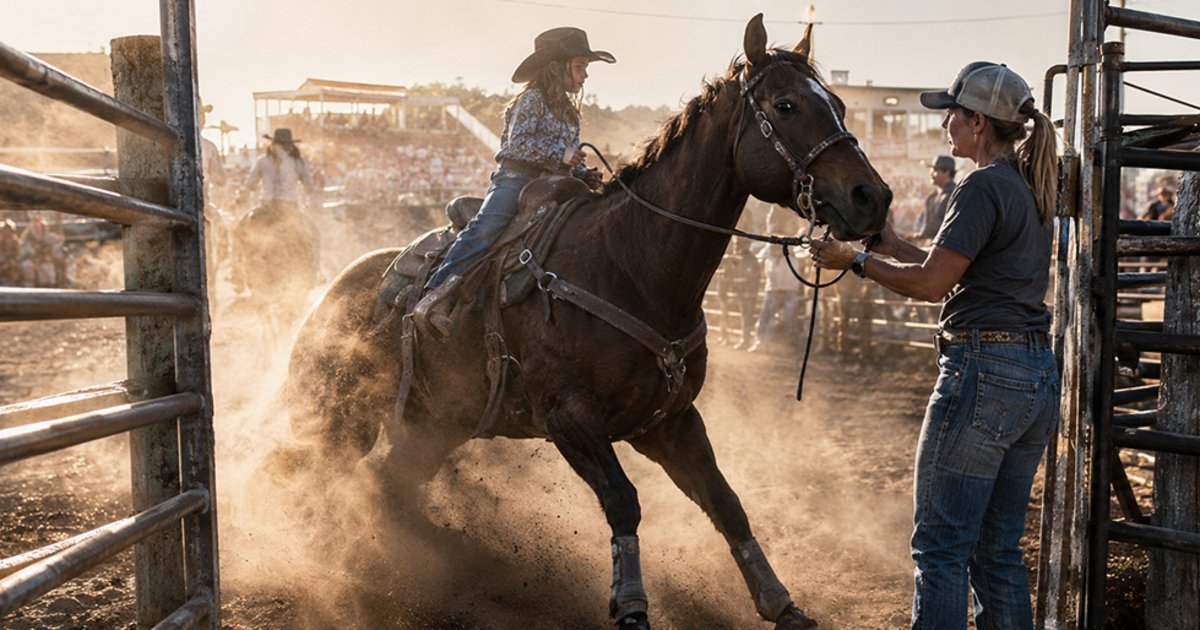
Each two-week session closes with horse-show days where campers compete against classmates at their own level. At the Hunt show, advanced riders go over fences on a 'cross country' course in the front field while lower-level riders do their flat and jumping work in the ring. Rodeo day is a perennial favorite, with campers dressing up themselves and their horses, racing the clock for the tightest turns and fastest times, and older riders running a multi-barrel super pattern in the 'Upper Pasture Rodeo' program. There are also synchronized stock-seat or Pony Club drill-team demonstrations and a Vaulter exhibition, capped by an Awards Banquet and Dinner Ceremony.
What are the 2026 session dates and tuition rates?
For 2026, Valley View Ranch offers a one-week Mini Session 'A' (May 31 to June 5) at $2,600; a two-week 1st Session (June 7 to June 19) at $5,000; a three-week 2nd Session (June 21 to July 10) at $7,000, with one- or two-week options available within it by phone or email; and a two-week 3rd Session (July 12 to July 24) at $5,000. Several sessions fill early and may show as full, so families are encouraged to register promptly. Rates are listed with an asterisk on the camp's Dates & Rates page, and parents should confirm current availability directly with the ranch when enrolling.
What is the deposit and cancellation policy?
Camp registration requires a $500 deposit per child per session. That $500 functions as a nonrefundable registration fee after April 1 under any circumstances, including cancellation due to pandemics or illness, fire, forces of nature, or other reasons. Cancellations must be submitted in writing prior to April 1 to receive a refund; cancellations after April 1 receive a refund of camp fees paid minus the $500 deposit, and cancellations made less than three weeks before June 1 forfeit all prior payments. No deduction is allowed for late arrival, early withdrawal, illness, homesickness, behavioral issues, or dismissal. Families should review the full terms on the registration page before submitting payment.
How does Valley View build confidence in young and beginner riders?
Confidence-building is woven through the whole program. Beginners start with fundamentals — learning to post, working over ground poles and cavalettis, and practicing basic seat, mount, and dismount on a stationary vaulting barrel before ever working at speed or over fences. Lessons are assigned by individual ability and small groups keep attention personal, with one wrangler-counselor for every five girls. The Pony Club is built specifically around younger campers' attention spans, interests, and safety, giving them their own horses, barn, and instructors. Steady progression through lessons, supervised trail time, and end-of-session shows lets each girl see measurable improvement and ride away more capable and self-assured.
What makes Valley View different from other equestrian summer camps?
Several things set Valley View apart: it is a genuine 600-acre year-round working ranch rather than a seasonal facility, so the same horses are cared for all year and waiting when campers return. It has been family owned since 1954 and is now run by three generations of horsewomen, with CHA-certified instruction in five distinct disciplines — English Hunt Seat, Western Stock Seat, Pony Club, Barrels and Gymkhana, and Vaulting — and the camp prides itself on every girl participating in all of them. Enrollment is kept small and personal, group sizes are tiny, the mountain setting offers ten-plus miles of private trails, and most counselors are former campers carrying on long-standing traditions.