

Check Out Our Professional Colt Starters! Colt Starting Guidelines

With Richard Winters
A well-started colt should master a core set of skills within thirty to sixty days of training: standing tied at the hitching rail, picking up all four feet for the farrier, standing quietly for saddling and mounting, lunging in both directions, backing willingly, and walking, trotting and loping with a rider both in the arena and out on the trail. About 90 percent of colts can meet these minimums in that time frame. The key is balance—there’s no need to race through the process in an afternoon, but dragging it out for months can create a bored, disrespectful colt set in his underachieving ways.
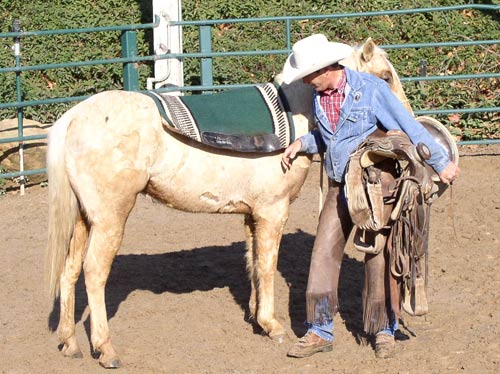
Last month I wrote about equipping your weanling or yearling with the basic skills they would need to be successful in our human environment. That was the preschool or "Headstart" program. Now, as spring approaches, some of you have two and three-year-olds that need to be started under saddle. Nobody ever plans to fail, but sometimes we fail to plan. Below are some guidelines to help you plan your colts’ formal education.
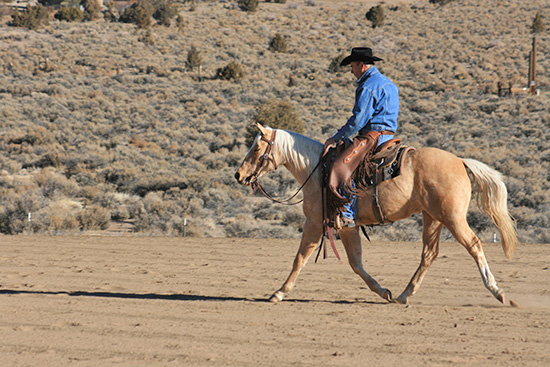
“Your colt should travel relaxed on a loose rein at all three gaits.
First of all, it's important that you have balance in your colt starting philosophy. In other words, you need to avoid extremes. Perhaps you have watched a colt starting demonstration or contest where in just a couple of hours, the trainer has saddled a colt and was trotting and loping him around the pen. What you observed during such a demonstration was probably just fine. You don't have to do that! This is not a race. It would also be fine, and probably appropriate, if you spent a week doing what you witnessed the clinician do in an afternoon performance.
Now that you understand that getting on and riding your green colt the quickest is not the goal, I would recommend that you not drag out this process for weeks or months. Taking an excessive amount of time to start your colt often creates a disrespectful and/or bored colt that gets more and more set in his "underachieving" ways.
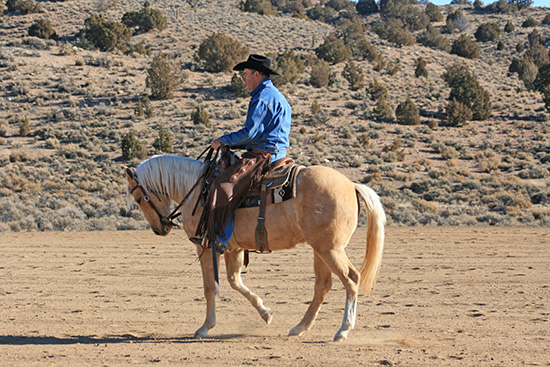
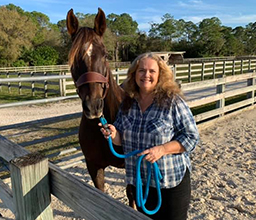
This filly is backing willingly without excessive pulling on the reins.
Perhaps we need to be intellectually honest for a moment. Are you truly equipped and skilled enough to start your own colt? Almost everyone can drive a car proficiently. However, most motorists are not qualified to build their own engines. Getting the right start on your colt will pay dividends for the next twenty years of his career. A bad start will continue to plague your relationship and hinder your progress at every turn.
A couple thousand dollars, with a qualified colt starter, might be the best money invested in your young prospect. You don't want to have six months or a year of bad handling and then expect a good colt starter to fix everything. He or she might get it done. Guaranteed, they will be thinking (just like the automotive technician), "I wish that they had called me before they had taken the engine out of the box!"
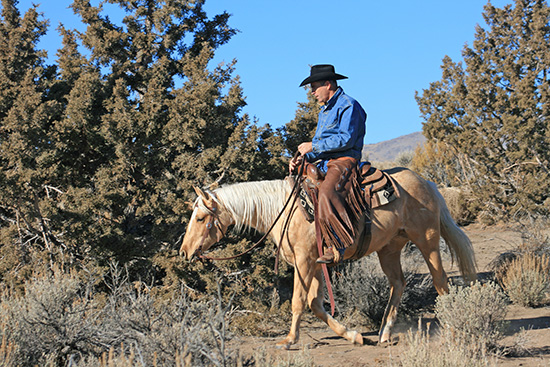
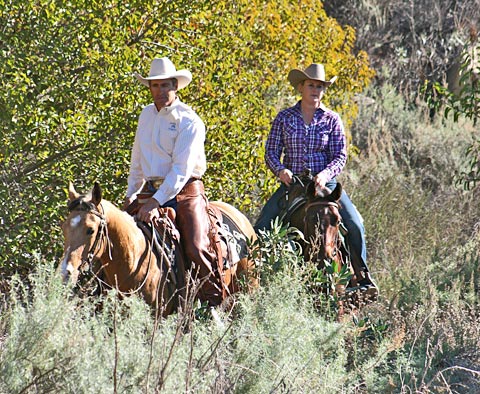
Getting out on the trail is great education for every young prospect.
What can you expect from thirty to sixty days of training for your youngster? The following is a general list that 90% of all colts will accomplish within this time-frame. 10% might encounter a particular problem or "special need" in some area. However, most colts, most of the time, should meet these minimum requirements in a thirty to sixty day time frame.
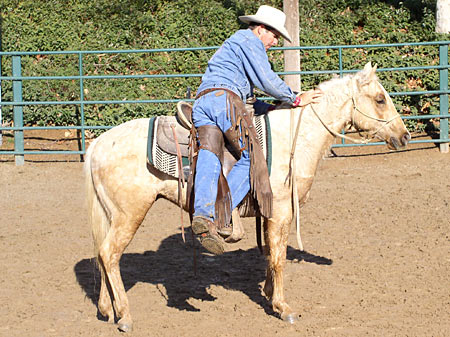
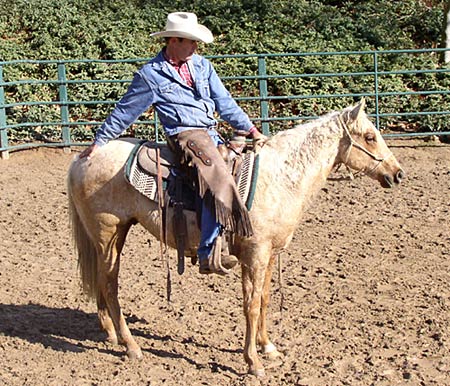
1. Stand tied at the hitching rail. 2. Pick up all four feet for farrier work. 3. Stand quietly for saddling. 4. Lunge on a line, or at liberty, in both directions. 5. Compliant for bridling in a snaffle, hackamore or side pull. 6. Stand still for mounting and dismounting on both sides. 7. Walk, trot and lope with a rider, in an arena, in both directions. 8. Back willingly with reasonable softness and vertical flexion. 9. Move left and right laterally with a simple leg yield from the rider. 10. Move out freely, in all three gates, outside of the arena and on the trail.
At the end of thirty days, almost all of my colts can perform these basic tasks. Yet depending on the skill set of the colts’ owner it might take more training for the colt to perform similarly with the owner at the helm. Many people have ridden extensively and are quite confident and competent while riding their older saddle horses. However, riding a young green colt is something totally different. While you can often just "point and shoot" with the older horse, colts demand a tremendous amount of leadership and clear direction to be successful. Are you that confident leader?
Whether you are going to start your colt yourself or seek out a professional, your colts are ready to get started! Don't hold them back or keep them out of school. It's time to provide them with a quality education and foundation that will last a lifetime.
Richard Winters Horsemanship WintersRanch.com