

Colt Starting – Getting It Right!

I always like to address the topic of colt starting at this time of year. With Richard Winters Horsemanship
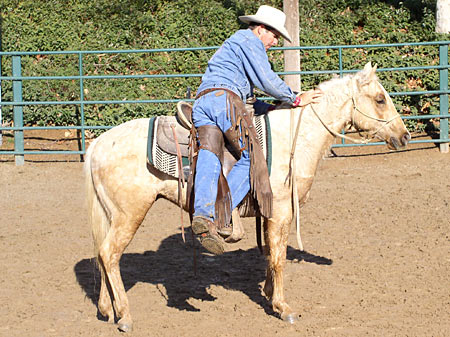
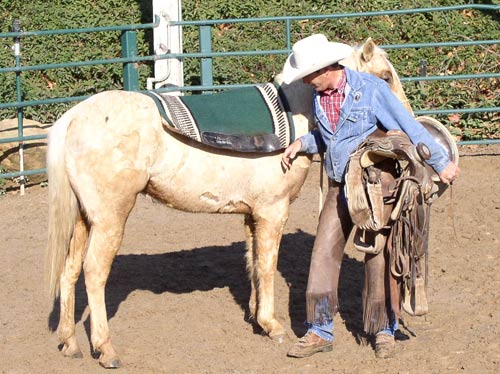
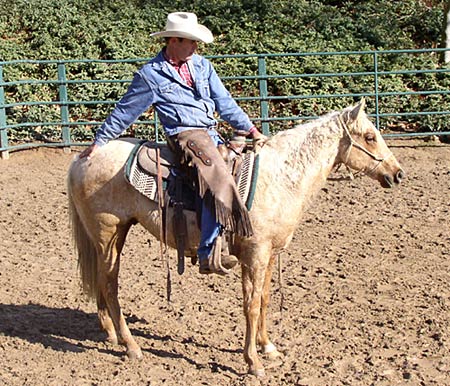
Colt starting typically begins when a young horse has just turned two or possibly three years of age, and getting it right matters more than saving money—only a very small percentage of riders are truly qualified to start colts, so most owners are better served hiring the best professional they can afford rather than the cheapest. The industry standard assumes ninety percent of colts started by a professional can be ridden at the walk, trot, and canter by the end of thirty to sixty days. Even after sixty to one hundred and twenty days of training, the horse is still green—it takes many months and even years of consistent riding to develop a seasoned, reliable mount.
I always like to address the topic of colt starting at this time of year. You might have young horses at home, who have just turned two or possibly three years of age. It's probably time to start their formal education. What is your plan? Are you going to send your equine youngster off to boarding school? Are they going to be home schooled? Are you going to hire a tutor to come to your home? Someone from the county will come knocking on your door if you do not have a plan for your child's formal education by the time they are five or six. As a horse owner, you will not be called upon by a government official but you do have a responsibility to educate your young equine.
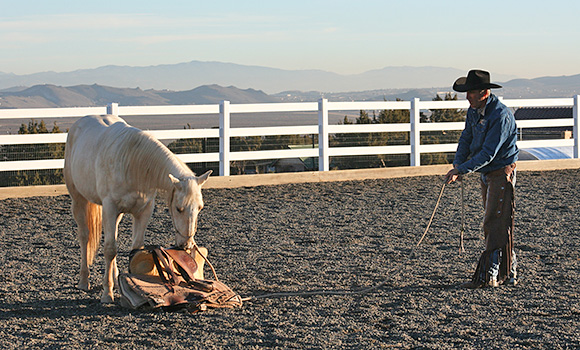
My wife and I have often made the comment to young parents, You only get one chance to raise your kids. In other words, you'll never be sorry for spending extra quality time building a relationship with your children and helping them be all they can be. It's true with our horses as well. Starting out with a good quality foundation in your horse's training will pay dividends throughout your horse's life.
Cutting corners during this important developmental time will come back to bite you. (Or buck you!)
It's been my experience that many people are well qualified to be riders and good leaders for their horses. However only a very small percentage are qualified to be colt starters. If you are a horseman or horsewoman of that caliber, congratulations. You will enjoy the satisfaction of starting your own horse and supporting him through these early stages of training. If not, then it's time to seek professional help. I know how to drive a car, wash a car, and maybe even change the oil in a car. However, I'm not so na've as to think that I could build a car! For that, I would need an expert.
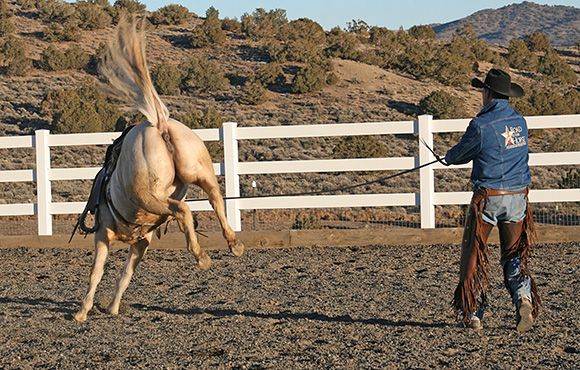
Horse training is no different than any other vocation. How would you go about finding a doctor or dentist, plumber or contractor? You would perhaps ask a trusted friend for their recommendation. You might go directly to the professional and ask for references. You might also look for opportunities to see their finished work. It's simply a matter of doing your homework to ensure that to the best of your ability you have found a good match.
I have trained horses and started colts for the public for well over 30 years. I have had countless clients and horses come to me with the story of how things did not work out well with the previous trainer. On some of those occasions, they themselves were the previous trainer! It's simple but true. Do it right or do it over. This is the most important educational time in your young horse’s life. Make sure you don't cut corners to save a little time or money during this important juncture.
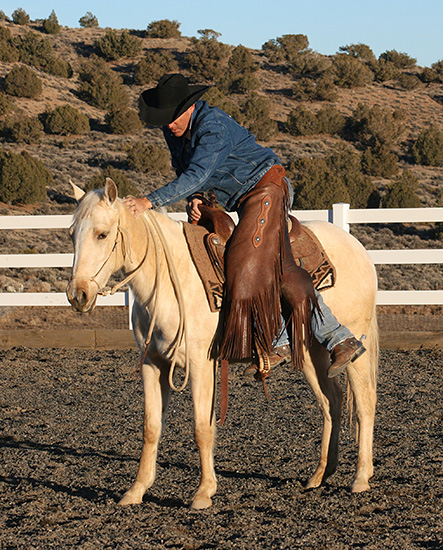
Have I done all that I can do to prepare myself and this colt for our first ride?
Here are a few things to keep in mind: A professional colt starter is worth just as much as a trainer in any other discipline. Don't go with the cheapest price. Go with the best you can afford.
Don't think that a weekend colt starting clinic is really going to get your horse broke. The clinic can be a great introduction and start. However, just like a child, there is no substitute for heading off to school every morning, five days a week.
I believe that our industry-standard assumes that ninety percent of colts started by a professional will be able to demonstrate being ridden at the walk, trot and canter by the end of thirty to sixty days. If you are two months into the training process and your trainer still has not ridden your colt, it's time to ask some serious questions.
You can invest sixty, ninety and even one hundred and twenty days of professional training, but your horse is still going to be green. It takes many months and even years of good quality and consistent riding to develop a seasoned and reliable mount.
The less experience your young horse has, the more experience you, as the rider must possess. Remember, "Green on green equals black and blue!"
If you are physically, mentally and emotionally fit and up to the task of colt starting, that's great. Unfortunately, many horse owners have gone into this process uneducated and unprepared and have had a high price to pay. Our young horses deserve for us to get this right!
Richard Winters Horsemanship WintersRanch.com