

Cowboy Training, So You Want to Be a Cowboy!
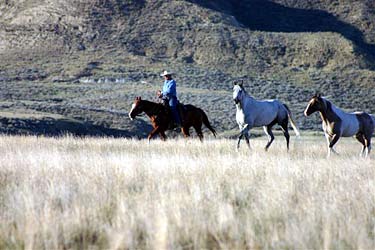
Becoming a cowboy is feasible even if you weren’t born horseback with a rope in your hand—what it takes is the mental and physical qualifications and a willingness to make sacrifices, with mental attributes like desire, dedication, and humility mattering as much as physical ability. The core skills are riding, roping, and caring for cattle, so take honest stock of where you stand, then seek out qualified teachers, schools, and clinics to strengthen your weak areas. Offer to do day work free as an opportunity to practice; if you are persistent, humble, and teachable, you will get there.
Are you one of the many who sit in an office at a desk, or computer terminal, or behind the wheel of a semi, while your heart is somewhere on the rolling grassland, loping a good cow horse off into far horizons? Have you dreamed of days spent roping, driving cattle, working outdoors under limitless blue skies? Do you wonder if you have what it takes to be a cowboy? You just might. Let me visit with you for a few minutes about what it takes to be a cowboy.
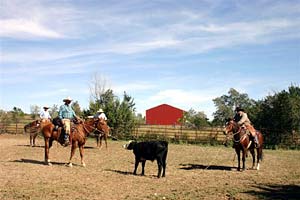
My definition of a cowboy is one who cares for the livestock and the land, a resourceful steward with a rope and horse. I can’t think of another line of work that requires more versatility, or offers greater satisfaction if you are a self starter who enjoys working outdoors, year round, with livestock. You may have heard that today it is an impossible dream if you weren’t born horseback with a rope in your hand. Not so. It is feasible if you have the mental and physical qualifications and are willing to make the sacrifices necessary to live the lifestyle you are dreaming about.
A green student with a burning desire to learn will go further than a talented, more experienced person who lacks the dedication and humility to apply himself.
First, think about how seriously you want to immerse yourself in the lifestyle. Not everyone works full time on a big cow outfit. There are opportunities for the guy or gal who wants to day work during holidays, weekends or vacation, while keeping that nine to five job. One of our students went back to his home in the Midwest and started working weekends, gathering cattle and doing other jobs horse back to help out land owners who had plenty of grass and cows, but lacked the skills to care for them. There are feedlot cowboys who spend their days horseback checking pens, doctoring sick cattle and moving cows from pen to pen.
I’ll make a brief list of some of the things you would want on a resume for these jobs, and then visit with you about how to precede. The first three things most people think of, and rightfully so, when they think about cowboying are, riding, roping and caring for cattle. Those things alone cover a lot of ground, and there are more on the list, depending on the size of the outfit you are riding for.
When you see that help wanted ad in the Wyoming Livestock Journal it might say something like this: Wanted, ranch manager; mature, dependable (single or married couple, depending on circumstances). Responsibilities include irrigating, haying, fencing, operating and maintaining equipment, calving, etc. Housing provided; salary dependent on experience. I received a call the other day from someone who was looking for an individual to fence, ride, doctor and drive tractor.
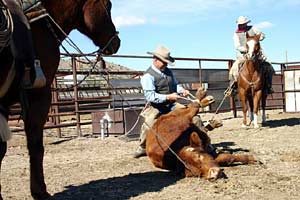
Let’s talk first about developing your riding proficiency, because this is the training most readily available; in the last fifty years instructors and riding facilities have sprung up like mushrooms, all over place. Because the quality of instruction varies so much, you need to be careful about whom you work with, and don’t be afraid to change teachers if you feel uncomfortable about the philosophy or practices of an instructor.
They range from great to abusive, so listen to the words they use to describe horses, either affectionate or demeaning and look at the attitude of their horse , calm, respectful and willing or fearful and aggressive? Judge from what you see hear and feel. Choose substance over flash and charisma. After you have found someone competent you can trust, be willing to pay a reasonable amount for their know-how and then practice, practice, practice.
The internet offers a wealth of information about instructors and places to go that can be found quickly if you are computer literate. If you don’t have a computer at home, nearly every library has one or more available, and the staff is very willing to help. Check out all the flyers at your feed store, talk to acknowledgeable people about their experience with the clinician, attend as an auditor the first time if you aren’t sold or money is tight. Develop an ability to compare, and then use it to evaluate what you are seeing. Take university classes that deal with the scientific side of livestock production and range management.
To sum it up, first you need the desire, the mental ability to do the work, then you need to find out just what is involved and weather you want to work occasionally, part time or full time as a cowboy. After that, begin to search out qualified teachers, make the sacrifices in time and money necessary to learn, then offer to do day work, free, as an opportunity to practice. If you are persistent, humble and teachable you will get there.
Contact: Bob King 385 W. Kaibab Way Cochise, Arizona 85606 Phone: 888-596-3304 Email: [email protected] Website: www.cowboyschool.net