
Helping Horse Owners Make Informed Decisions
Curing Chronic Thrush in Horses
Sponsored Article

Curing Chronic Thrush in Horses

By Ray Tricca · Health

Want a working horse pro's take on Curing Chronic Thrush in horses?

Sponsored Content

How to Treat Chronic Thrush in Horses! By Ray Tricca and SBS Equine
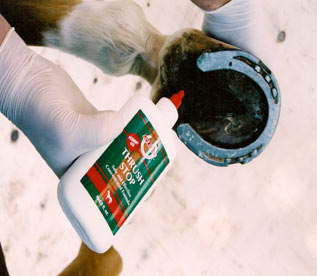
Using Thrush Sttop

Field Trials reveal steps to treating chronic thrush and help keep it from coming back.

At the end of 2009, The Horse-Journal published the results of field trials that on the leading thrush remedies. The study also summarized the most important steps in treating thrush, such as cleaning out the foot and removing diseased tissue. Regardless of what thrush products you use, using these steps will help prevent chronic thrush and other hoof infections. How serious is the thrush on your horse? Thrush can be classified in anyone of three categories:

Mild Thrush The Horse-Journal went on to say that most of the thrush remedies they tested were effective against mild thrush. Mild thrush is often recognized by its obvious black discharge and odor with no deep tissue layer invasions. There is no pain or lameness observed from the hoof. Mild thrush sits near the surface and is easy to kill, sometimes with one application of a cleaning agent.

Moderate Thrush Moderate thrush has the black discharge and odor along with some pain observed coming from the heel tissue. This is usually an indication of a more deeply rooted infection. The Horse-Journal said that copper and iodine based products work well on moderate thrush, but they can also be caustic to tender tissues and slow healing. We believe that repeated daily use of some caustic agents can be counter-productive. The hoof condition can be made worse because the treatment can kill the microbes and healthy new tissue at the same time. This can retard the healing process.

Severe Thrush There is severe pain and lameness associated with severe thrush with obvious involvement of deep tissue . Severe thrush is chronic when it is so deeply rooted that it becomes difficult to kill microbes without harming surrounding tissue. Repeated attempts to kill chronic, or deeply rooted infections with traditional ingredients, most of which are caustic, were shown in the field trials not to be very effective against severe thrush.

At the conclusion of the study, the Journal said that only one product (SBS Thrush Stop) defeated some chronic cases that nothing else could touch, yet was gentle to tender hoof tissue. They repeated the test weeks later on chronic cases and came up with similar results. They liked the way the product formed a barrier and had a long-lasting effect. The Horse-Journal said, “Thrush Stop is our No. 1 choice for thrush”.

Some people wondered, “how could a product be strong enough to kill deeply rooted chronic thrush without harming tender hoof tissue?” We asked the researchers who developed Thrush Stop, what was their secret? It not only is an interesting story, but it also may provide a clue on how to successfully defeat chronic thrush and white line disease, which is another deeply rooted infection.

Necessity is the Mother of Invention! Twenty five years ago, Dr. Rick Shakalis went to pick up his daughter at the local horse stable. Like many other young girls her age, she was responsible for grooming her own animal. The stable manager said that her horse, Coco, had a stubborn case of thrush and recommended that his daughter use some of the products that they kept around the barn. When Dr. Shakalis read the ingredients on the labels, he realized that many of those products were caustic, hazardous, or ineffective against bacteria. He said “there must be a better way”. Dr. Shakalis went to his lab with his business associate, Dr. John Pautienis, and they formulated a thrush remedy that was both safe and effective. A new company (SBS Equine Products) was born that day with a mission statement.

Strategy The goal of the SBS Researchers was to kill deeply rooted thrush without harming the surrounding tender hoof tissue. Caustic agents kill microbes, but they can also hinder the hoofs natural defense which is tissue rejuvenation. A normal hoof will grow 3/8” in a month. They defined the thrush as a bacterial infection, not a fungus as it is in the human fingernail. They knew that bacteria thrive in moist environments that are dark and low in oxygen. The clefts of the frog are the perfect place for the bacteria to hide because they are often packed with muck and urine soaked manure.

Dr. Shakalis said Thrush Stop works so well for the following reasons: (1) The key active ingredient acts like a birth control pill for bacteria. The bacteria can’t reproduce so they die out naturally without harming surrounding tissue. Being a non-caustic formula, it allows the healthy tissue to thrive and grow out. Over-use of products containing caustic agents can be harmful to tender new tissue and hinder growth.

(2) The active ingredients allow the formula to form a barrier which binds to the hoof protein for long lasting protection. The Horse-Journal noted this product feature in their report.

(3) The formula also contains a drying agent which helps destroy the place where the microbes like to hide.

The packaging for Thrush Stop is also important to its success. The long neck twist cap can get the ingredients deep into the cracks and crevices where the organisms thrive. Aerosols or sprays that sit on the surface are not as effective at reaching hiding places.

Summary Chronic thrush is deeply rooted and is impossible to kill with one application of a strong topical agent. Repeated use of these strong chemicals can be harmful to the surrounding healthy hoof tissue and slow the healing process. The SBS researchers developed a formula that targets bacteria and fungus without harming sensitive tissue. The product is not caustic and can be used as often as necessary to keep thrush under control and allow hoof tissue to thrive and prosper Regardless of the thrush remedy that is used, the most important steps in dealing with thrush are cleaning and trimming. Removing the diseased tissue and opening up the flaps of the frog by your farrier will give you a head start to recovery. Improperly trimmed hoofs prevent oxygen from getting in crevices. Frequent cleaning can help keep thrush and white line disease under control.
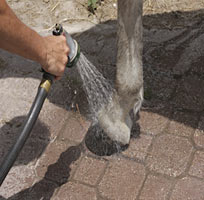
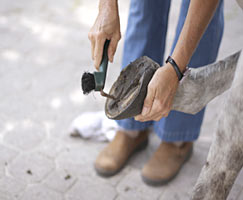
Wash the hoof.

Wash the Hoof

Pick and brush the hoof.
Pick & Brush
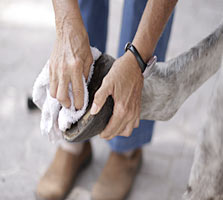
Wipe and dry the hoof.
Wipe & Dry
Apply Thrush Stop.
Apply Thrush Stop

Article Video Support Here

Sponsored Content — Contact information provided by the sponsor
Key Article Takeaways
  • At the end of 2009, The Horse-Journal published the results of field trials that on the leading thrush remedies.
  • Shakalis said Thrush Stop works so well for the following reasons: (1) The key active ingredient acts like a birth control pill for bacteria.
  • (2) The active ingredients allow the formula to form a barrier which binds to the hoof protein for long lasting protection.
  • (3) The formula also contains a drying agent which helps destroy the place where the microbes like to hide.
  • By Ray Tricca and SBS Equine Field Trials reveal steps to treating chronic thrush and help keep it from coming back.
Questions readers commonly ask:
How do I tell if my horse's thrush is mild, moderate, or severe?

Per Ray Tricca, citing the Horse Journal field trials: thrush sorts into three categories that determine how aggressive your treatment needs to be.

  • Mild thrush — obvious black discharge and characteristic odor, but no deep tissue invasion and no pain or lameness. Sits near the surface; often clears with a single application of a cleaning agent.
  • Moderate thrush — same black discharge and odor, but with pain coming from the heel tissue. Indicates a more deeply rooted infection.
  • Severe (chronic) thrush — clear pain and lameness with obvious deep tissue involvement. So deeply rooted that it's difficult to kill the microbes without harming surrounding tissue.

The distinction matters for product choice: mild responds to almost anything; chronic requires a non-caustic approach (covered in Q3) so you don't trade infection damage for treatment damage.

What should I do if I think my horse has chronic thrush?

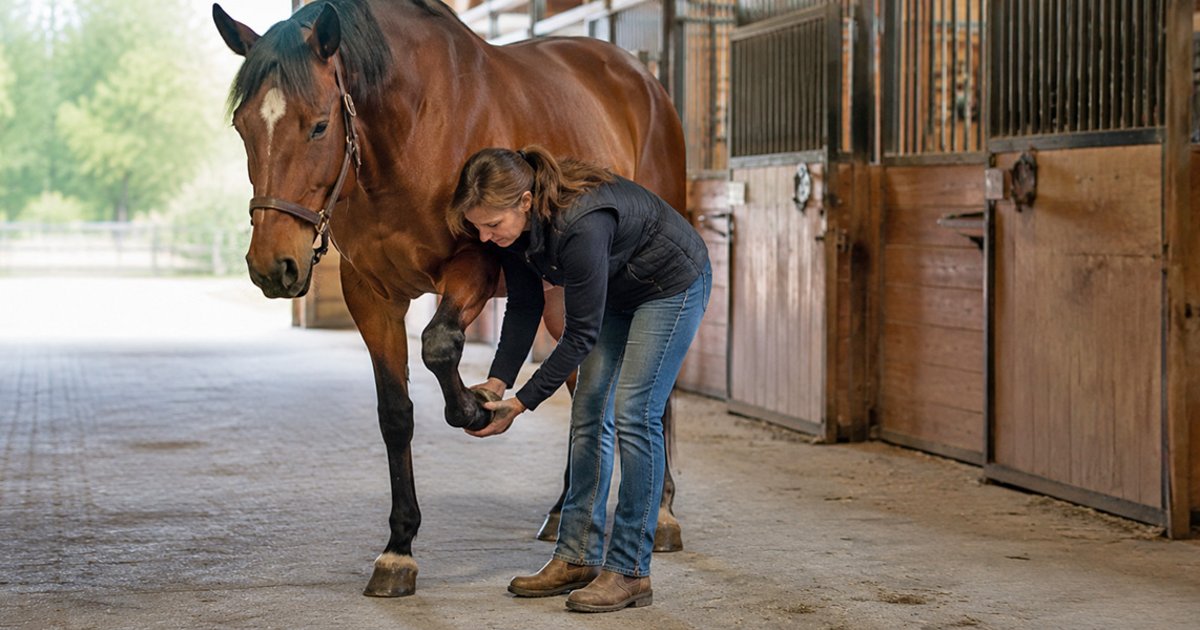
Per Ray Tricca: regardless of which thrush product you choose, the two non-negotiable first steps are cleaning and trimming. Have your farrier remove the diseased tissue and open up the flaps of the frog so oxygen can reach the affected areas — improperly trimmed hooves trap microbes in airless crevices where topical treatments can't reach. The Horse Journal field trials called this out as the foundational step that determines whether any product can succeed.

From there, daily hoof maintenance is the routine: wash the hoof, pick, brush, wipe dry, then apply your chosen treatment. Chronic thrush won't yield to a single application of a strong topical agent — repeated use of harsh chemicals can actually slow healing by killing healthy tissue along with the microbes. Pick a non-caustic formula that can be used as often as needed without damaging the surrounding tender hoof tissue, and keep at it consistently rather than in short bursts.

Why don't strong copper or iodine thrush products work on chronic cases?

Per Ray Tricca, citing the Horse Journal field trials: copper- and iodine-based products work well against moderate thrush, but they're caustic to tender tissues and can slow healing. Repeated daily use of these caustic agents tends to be counter-productive on chronic cases — the treatment kills the microbes, but it also kills the healthy new tissue that the hoof needs in order to grow back. The hoof's natural defense is tissue rejuvenation (a normal hoof grows about 3/8" per month), and caustic agents work against that defense.

The trial's conclusion: most products were defeated by chronic thrush, and the cycle of strong-product / damaged-tissue / re-infection just kept repeating. The non-caustic approach Tricca describes works differently — it disrupts bacterial reproduction without harming the surrounding tissue, so the healthy horn can grow out while the bacterial population dies off. The takeaway for owners: match the strength of the product to the case, and on chronic cases, don't assume more aggressive equals more effective.

How long does it take to clear chronic thrush?

Per Ray Tricca: chronic thrush is by definition deeply rooted and impossible to kill with one application of a strong topical agent. The healing timeline is dictated by hoof growth — a normal hoof grows roughly 3/8" per month, so the diseased tissue has to be replaced from the inside out as the new horn grows down. Repeated use of strong caustic chemicals during this period can actually extend the timeline by harming the healthy tissue you're trying to grow.

The practical pattern: a non-caustic formula applied as often as needed, consistently, alongside daily mechanical cleaning. The product should form a barrier that binds to the hoof protein for long-lasting protection (the field trial called this out as a key feature), and packaging matters — a long-neck twist cap that gets the formula deep into the cracks reaches the bacteria that aerosols and surface sprays can't. Confirm specifics and timeline expectations with your farrier or vet, especially if lameness is part of the picture.

How do I prevent thrush from coming back after I clear it?

Per Ray Tricca: prevention rests on two pillars — frequent cleaning and proper trimming. Daily picking removes the muck and urine-soaked manure that pack into the clefts of the frog (the bacteria's preferred hiding spot — dark, moist, low-oxygen). Your farrier's job is to keep the hoof shaped so oxygen can actually reach those clefts; improperly trimmed hooves seal the bacteria into anaerobic pockets where topical treatments can't touch them.

Hoof-environment basics matter alongside the mechanical work — keep stalls dry, keep horses out of standing mud and manure, and address any quality issues in the surrounding horn. For ongoing hoof-quality support, products like Hoof-Alive (a current InfoHorse advertiser) target brittle, cracked horn that creates the kind of micro-lesions thrush exploits. The principle is consistent: healthy, well-maintained horn is the actual defense; topical treatments are the cleanup crew, not the strategy.

Related Products & Services

LaSal Animal Health
InfoHorse Advertiser
LaSal Animal Health
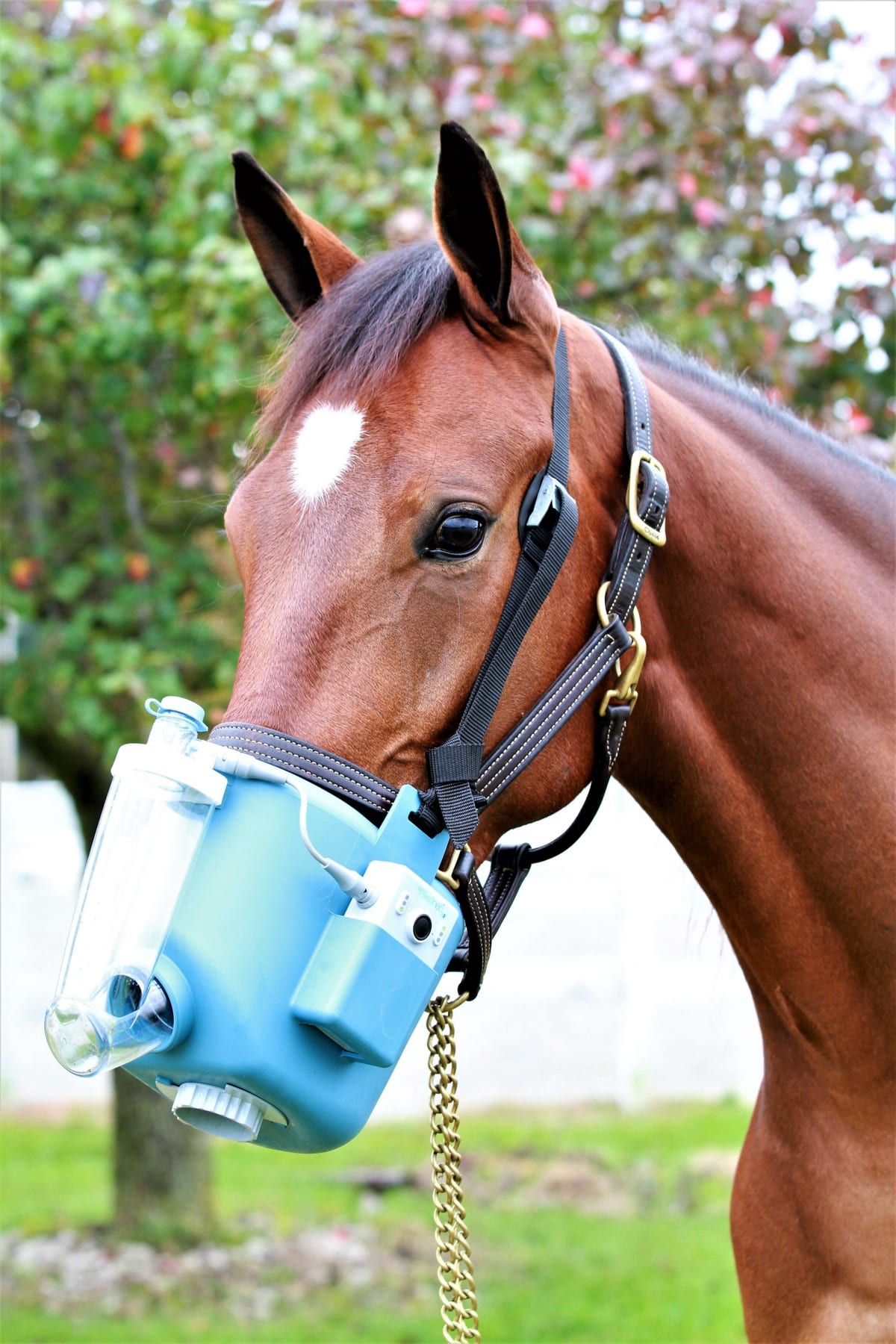
Nebulizer La Sal Animal Health offers the only chelated silver nebulizing solution on the market. Find LaSal Animal Health on InfoHorse.com.
Markie's Choice
InfoHorse Advertiser
Markie's Choice
Markie's Choice — Horse Health Products. Find product details, reviews, contact info and more on InfoHorse.com, America's #1 horse product directory.
The Hay-EZ
InfoHorse Advertiser
The Hay-EZ
The Hay-EZ Hay Bag Filler — the smart way to fill your slow-feed hay bags or nets. Hold the bag open at the top for easy hay loading. Filling has never been easier.
Ann Pruitt
Contact Ann Pruitt
InfoHorse.com