That is why they have introduced a simple cleaning tool that is powerful enough to blow a stream of water 35 feet in 1.5 seconds.
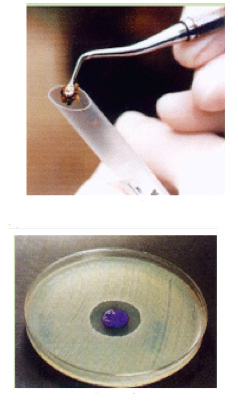
Then these samples went to the laboratory technicians for analysis (figure 2).
In every case, the over-the-counter product we tested – Sav-A-Hoof Gel – worked extremely well at killing both bacteria and fungus (Figure 4).
(2) Treatments: Apply SBS Topicals such as Sav-A-Hoof, Toe Grow, or Thrush Stop to affected areas within 30 minutes after flushing.
John Pautienis for SBS Equine According to hoof researchers, the most important step in fighting hoof disease is cleaning the feet and removing diseased tissue.
Simple Flushing Tool Effective Against Hoof Disease!
Contributions by Dr. Richard Shakalis & Dr. John Pautienis for SBS Equine According to hoof researchers, the most important step in fighting hoof disease is cleaning the feet and removing diseased tissue.
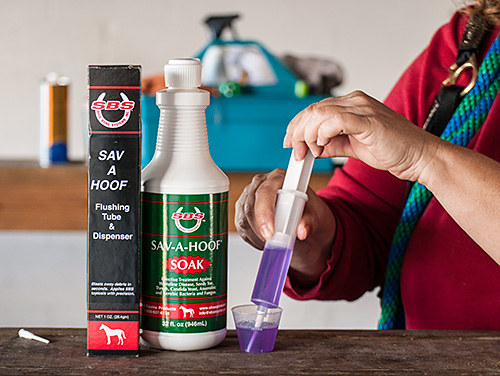
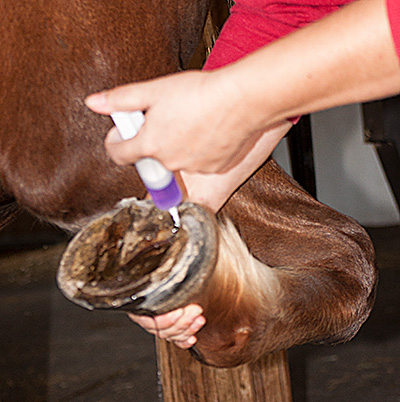
SBS is committed to this process. That is why they have introduced a simple cleaning tool that is powerful enough to blow a stream of water 35 feet in 1.5 seconds. Using a simple saline solution, this tool can safely flush out deeply rooted debris where harmful organisms thrive and open up these areas to oxygen. Bacteria hate oxygen. The tool can also deliver controlled amounts of topical agents such as Sav -A-Hoof Soak with pinpoint accuracy into cracks and voids without harming healthy tissue.
What is white line disease?
Researchers have spent a great deal of time trying to find the single organism that causes the destruction of hoof wall at the stratum medium, referred to as white line disease. The hope is that the discovery of the elusive bacteria or fungus will result in a definitive cure. Unfortunately, this approach is too simplistic for the complex biological event that is actually taking place. White line disease is caused by two different types of opportunistic microorganisms that exist in a symbiotic relationship. Together they produce enzymes and exotoxins that break down the protein and collagen of the hoof wall. This dynamic colony of microorganisms consists of at least one type of destructive bacteria and at least one fungus.
This information explains quite a bit. First, because it is not caused by a single organism, white line disease may appear different from horse to horse, depending on the particular makeup of the colony of microorganisms present. For example, if there is a very aggressive fungus present mixed in with a virulent bacterium, a fast-growing, hard-to-treat case will result. Conversely, if a slow-growing, less invasive fungus is paired with a more benign bacterium, this case can be treated more easily.
There may be two or more destructive bacteria or fungi present in the same hoof. You can begin to understand that an infinite number of combinations can result. This also explains why a certain treatment may work effectively in one case and fail miserably on the next.
To add another variable to the mix, these colonies are dynamic and grow faster when the environment is wet and warm, and slower when it is cold and dry.
In white line disease, bacteria and fungi live within the confines of the hoof wall in a symbiotic relationship. That is, they can live independently, but mutually benefit by each other’s presence. Each organism breaks down the hoof in a different manor while providing metabolites for the other. The fungi can be heterotrophs, obtaining their food from nonliving organic matter, or saprophytes, feeding as parasites on living hosts.
They become deeply embedded within the hoof wall and send out threadlike filaments called hyphae that absorb nutrients much like roots of a plant. The bacterium reproduces more quickly by dividing, but the fungus can produce spores that makes it harder to kill. Treating for bacteria or fungus alone is useless because when one is eliminated, the other will continue to grow unabated. You must control both simultaneously.
In testing for white line disease, diseased hoof material was removed deep from within the hoof wall, along the leading edge of the infected area, and placed in sterile culture containers. Then these samples went to the laboratory technicians for analysis (figure 2). So what did we find from this mixed bag culture of micro-organisms? We ran the gamut, as one would expect, from very harmful to relatively benign bacteria, as well as a stubborn fungus in our samples. In every case, the over-the-counter product we tested – Sav-A-Hoof Gel – worked extremely well at killing both bacteria and fungus (Figure 4). What are the best ways to fight Hoof Disease ? Deeply rooted infections like white line disease or chronic thrush are impossible to kill with one application of a powerful topical agent. Repeated use of these strong chemicals can be harmful to the surrounding healthy hoof tissue and slow the healing process. SBS researchers have developed formulas that stop bacteria and fungi without harming the sensitive surrounding tissue. These formulas are benefitial because they are not caustic and can be used as often as necessary to keep infection under control and give healthy hoof tissue a chance to prosper. Summary. The best ways to fight hoof disease are - (1) Cleaning & Trimming: Have the farrier trim and remove diseased tissue and flush away deeply rooted debris from cracks and voids with SBS’s flushing tube. This will open up these areas to oxygen and clear pathways for topicals treatments to reach their target. (2) Treatments: Apply SBS Topicals such as Sav-A-Hoof, Toe Grow, or Thrush Stop to affected areas within 30 minutes after flushing. These products do not harm healthy hoof tissue. (3) Hoof Protection: Seal-out pathways of infection with SBS hoof condtioners such as Farrier’s Hoof Sealant II, Topcoat Hoof Conditioner, or Sav-A-Hoof Protectant. These products last longer because they cure (dry) on the hoof wall rather than remain fluid (wet) like hoof oils and hoof dressings. For more information go to www.sbsequine.com. The authors are hoof researchers and co-founders of SBS Equine products.
Sponsored Content — Contact information provided by the sponsor
💬Questions Readers Commonly Ask (FAQ)
What should I do if my horse has white line disease or chronic thrush?
Per Drs. Shakalis and Pautienis (writing for SBS Equine): the protocol comes down to three sequential steps.
Clean and trim. Have your farrier trim and remove diseased tissue, then flush deeply rooted debris from cracks and voids. Per the article: the most important step in fighting hoof disease is cleaning the feet and removing diseased tissue. Opening the area to oxygen matters because the bacteria involved hate oxygen.
Treat. Apply targeted topicals to the affected area within 30 minutes after flushing — while pathways are still clear and oxygenated.
Protect. Seal pathways of infection with a hoof conditioner or sealant that cures (dries) on the hoof wall rather than remaining wet like ordinary hoof oils.
Per the article: don't expect one application of any product to do the job — repeat treatments are part of the standard course.
What exactly is white line disease, and why does it look different on different horses?
Per Drs. Shakalis and Pautienis: white line disease is the destruction of the hoof wall at the stratum medium, caused by at least one type of destructive bacteria and at least one fungus living in a symbiotic relationship. They produce enzymes and exotoxins that break down the protein and collagen of the hoof wall.
Per the article: because it's not caused by a single organism, the disease appears differently from horse to horse depending on the particular makeup of the colony. Aggressive fungus + virulent bacterium = a fast-growing, hard-to-treat case. Slow-growing fungus + benign bacterium = a more easily treated case. The colonies are also dynamic — they grow faster in wet, warm conditions and slower when cold and dry. This is why a treatment that works on one horse may fail on another, and why repeated culture-and-treat cycles are sometimes needed before the right protocol locks in.
Why isn't an antifungal alone enough to treat white line disease?
Per Drs. Shakalis and Pautienis: treating for bacteria or fungus alone is useless because when one is eliminated, the other will continue to grow unabated. You must control both simultaneously.
Per the article: the fungi can act as heterotrophs (feeding on nonliving organic matter) or saprophytes (feeding on living hosts), embedding deeply within the hoof wall and sending out threadlike hyphae that absorb nutrients like plant roots. The bacterium reproduces quickly by dividing, but the fungus produces spores that make it harder to kill. The structural takeaway: any product or protocol that targets only one of the two organism types will appear to work briefly, then the disease returns. Per Bloodroot Paste (a current InfoHorse advertiser): products formulated to address deep-tissue hoof infection are part of the toolkit; coordinate with your farrier and vet on which combination is right for your horse's specific case.
How long does it take to clear white line disease or chronic thrush?
Per Drs. Shakalis and Pautienis: deeply rooted infections like white line disease or chronic thrush are impossible to kill with one application of any topical agent. Repeated use of strong chemicals, however, can harm surrounding healthy hoof tissue and slow the healing process — which is why the article emphasizes formulas that aren't caustic and can be used as often as necessary without collateral damage.
Per the article: the practical timeline is weeks-to-months of repeated cleaning, flushing, treatment, and sealing, with the farrier trimming away diseased tissue at each shoeing cycle. The colony's dynamic nature means progress depends on weather (wet warm conditions accelerate growth), the specific bacterial-fungal makeup of the case, and consistency of treatment. Confirm progress with your farrier or vet at each interval; visible regrowth of healthy hoof at the coronary band is the signal that the colony is being suppressed faster than it can rebuild.
How do I prevent hoof disease from coming back after treatment?
Per Drs. Shakalis and Pautienis: seal-out pathways of infection with a hoof conditioner that cures (dries) on the hoof wall rather than remaining fluid like ordinary hoof oils and dressings. The cured layer lasts longer and physically blocks bacteria and fungi from re-entering cracks and voids.
Per the article: prevention has three legs — keep feet clean and dry where possible (the colonies grow faster in wet warm environments), maintain regular farrier work so cracks and voids don't develop into infection sites, and apply a curing-type sealant after each cleaning. Per Hoof-Alive (a current InfoHorse advertiser): hoof conditioners formulated for ongoing maintenance support the protect-the-pathway step alongside whatever active treatment your farrier prescribes. The reality is that horses living in wet pastures or wet stalls will need more aggressive prevention than horses in drier conditions; adjust the maintenance interval to your environment.
📋
Recommended Products
Curated picks from across InfoHorse.com — most relevant first