

Five Reasons to Choose a Trades-based Equine College
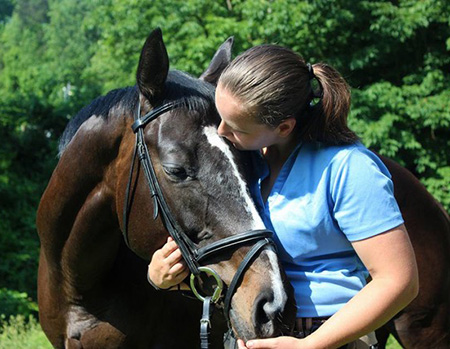
Article from Meredith Manor International Equestrian Centre
A trades-based equine college gives students a broader, stronger foundation for a horse-industry career than a traditional four-year program—every class is specific to horses, and students typically finish faster, save money, and gain hands-on experience that leads to quicker job placement. Daily interaction with a wide range of horses, small classes taught by experts, and certifications in areas like riding, teaching, equine massage, and farrier work mean graduates leave with transcripts, references, and a built-in professional network.
If you can't imagine a day without horses, an equine career is for you. And if you're wondering about the best way to achieve the knowledge and skills you need to be successful, you can't go wrong participating in a trades-based equine education program.
Just ask Kristen Bosgraf, a former graduate and now Admissions Director at Meredith Manor International Equestrian Centre. Kristen explains every class offered in a trades-based program is specific to horses and the services a professional can sell in the equine industry.
You'll never work a day in your life if you are doing something you love," Bosgraf is fond of saying. "We also have a saying , 'Find a need and fill it." We have the basic philosophy that the more services you can sell, the more you can earn.
While some feel working in a barn or serving as an apprentice to a specific trainer is all of the "school" you need, we say there's so much more to learn than can be learned from any one trainer.
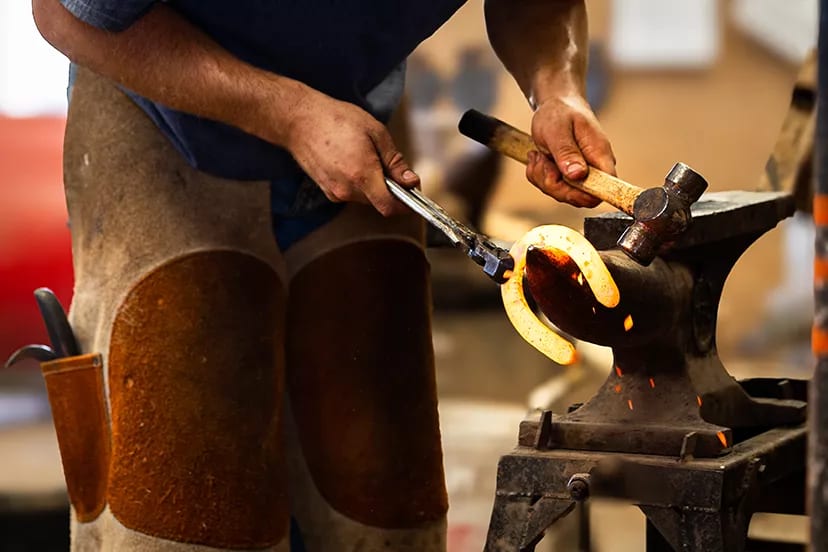
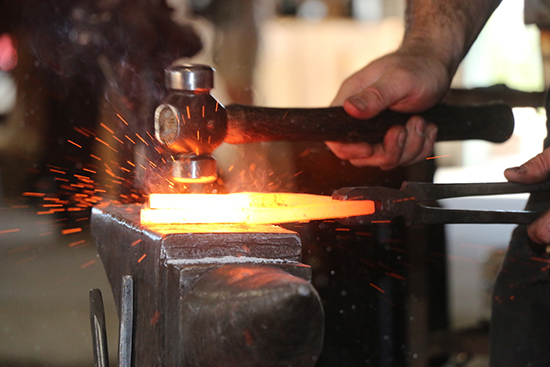
Attending an equine school is the best way to obtain the skills you need to develop a broad foundation on which to build a career. Earning certifications in a variety of areas (training, riding, massage, farrier) will put you in the best position to provide your best services to your clients and the horses for which you care.
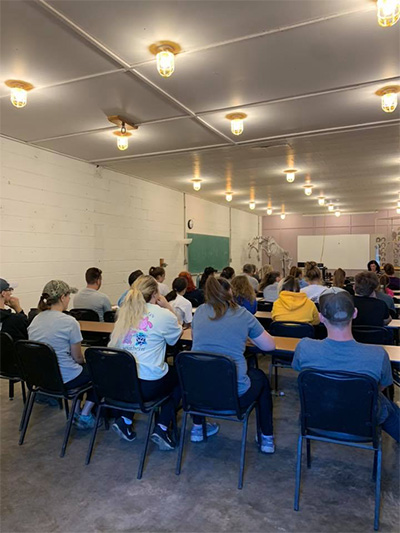
Coming out of a formal, trades-based program will also show prospective clients and employers you can be responsible - and accountable. You will leave an education program with transcripts, certifications, references and a built-in network to get you started.
In a trades-based education, you learn the concepts, then test the concepts," Bosgraf says. "You really have to be a Jill of all trades.
We have outlined five reasons a trade-based equine education gives students a broader, stronger foundation on which to build their careers:
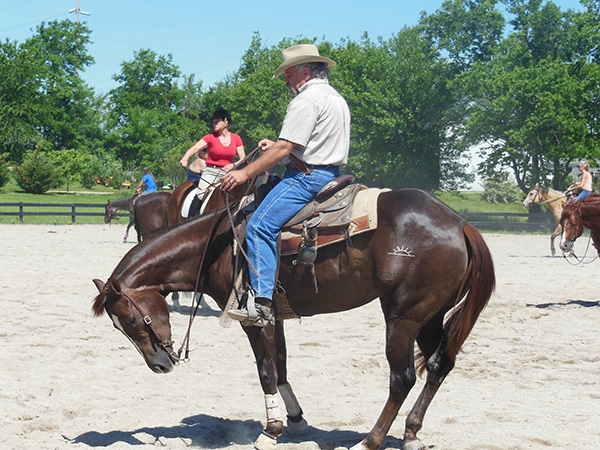
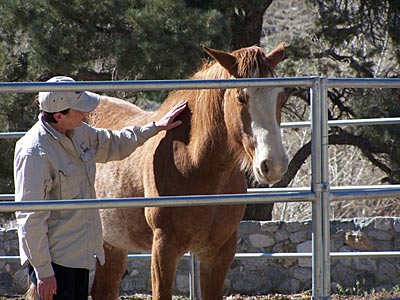
1 Look for a Hands On Method Look for a school that has horses on campus and a program that gives students access and interaction with the horses daily
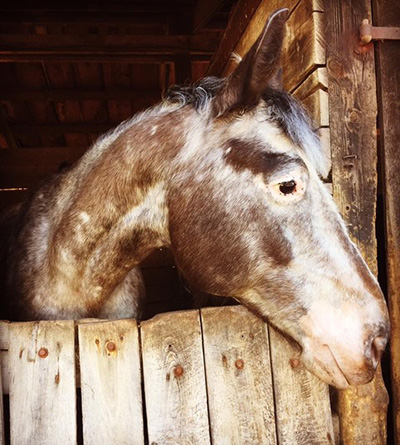
Students should learn the theory behind the techniques and develop a "language" horses understand at every level. This gives students a reference point so they can then modify their approach if necessary to fit any horse or situation.
Remember: All horses speak horse. If you can communicate with horses you can train them to do any game you want them to do out there in the industry.
2 Seek Broad Exposure Seek a program that offers a wide variety of horses but also a variety of classes and certifications
It's also said that the more you know about the horses in your care the better job you can do whether you are the teacher, the trainer, the farrier - or all of the above.
3 Immerse Yourself in the Program A trades program like the one at Meredith Manor appeals to students who choose horses as a career because they want their whole lifestyle to be centered around horses
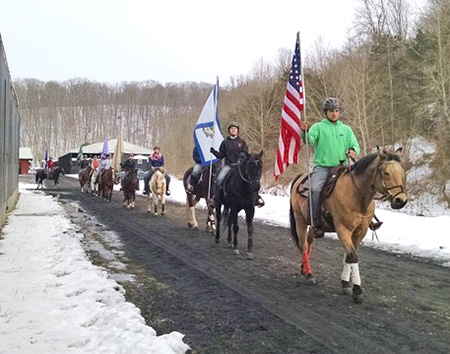
To be successful in the horse industry you must be in the habit of being organized: you must be able to communicate effectively and evaluate and implement a plan of action for each horse and client. These skills take practice. Living the life at trades-based program is living the life of your desired trade.
4 Education - That's It For a trades college, education is all we sell
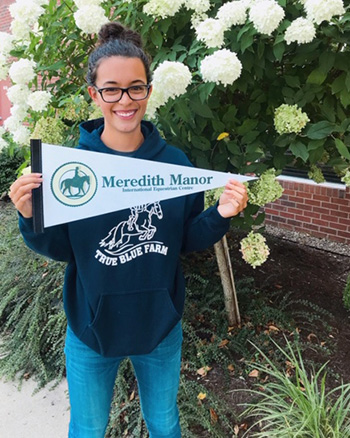
You are getting a verifiable foundation of knowledge. Classes log attendance and daily grades which all are reflected on student transcripts. This demonstrates to an employer that you met a minimum standard and completed an educational program - it provides employers with an opportunity to seek references from instructors and staff.
And you don't get what you don't really need. Because an equine trades-based college is not merely a department within a school dedicated to other fields of study, the curriculum does not require unrelated courses like history, English or college math. Instead, it is a comprehensive program designed by horse professionals for future horse professionals.
Classes are small and taught by experts in the field. In a trades-based program, you'll benefit from more one-on-one interaction with instructors. Students in a trade-based program have a greater chance of graduating and improved placement opportunities, according to careerschoolnow.org.
5 A Shared Passion At an equine trades college, students are coming to a community of individuals who have the same passion for horses and desire to make it their life's work
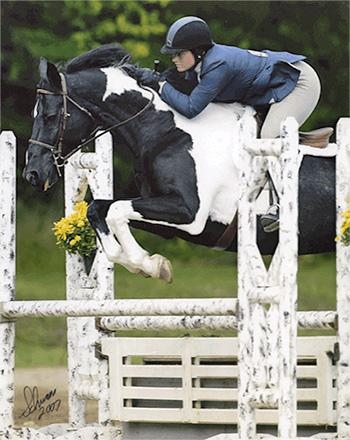
A trades-based equine program also helps students see clearly that a career in horses is possible.
In summary, choosing a trades-based education over a traditional four-year college offers a variety of benefits. Students typically finish faster, save money and gain hands-on experience that leads to a quicker job placement. Often, students from a trades program have more job security than students coming out of traditional college programs.
But most importantly, graduates of a hands-on trades college develop self confidence in their abilities. They graduate knowing they have acquired the skills they need to be successful in their chosen career. How do they know? Because they've already done it.
Meredith Manor International Equestrian Centre Meredith Manor is the only trade-based, post secondary option specific to horses in the United States. At Meredith Manor there are nearly 100 horses on campus and that means students have daily interaction with the animals.
The horses Meredith Manor utilize span a wide range of ages, breeds and training levels which gives the students practical experience dealing with horses not yet ready for public use. Every program offered is heavily supplemented with hands-on activity giving students the time to build proficiency beyond that of an amateur.
Students in the trade-based program of Meredith Manor learn a specific method called 'heeding' which was developed by program founder Ron Meredith.
Every student - regardless of which Meredith Manor program they choose - interacts with a wide variety of horses on a daily basis. As students acquire skills, those skills are challenged by interacting with less experienced or more opinionated horses. This broad exposure means the student is not the limiting factor when they are handling a specific horse - their skills are not dependent on the skills of the horse.
The same holds true whether the program is a riding or non-riding program. Equine Massage students, for example, also work on a variety of horses whose tension, stress and physique vary breed to breed.
Meredith Manor has been preparing students for equine careers for more than 50 years. We are old enough to have developed workable teaching systems, big enough to have excellent facilities, and progressive enough to be the most copied institution in the horse industry. Practical, Progressive, Professional - that's Meredith Manor.
Located in beautiful Waverly, WV, Meredith Manor International Equestrian Centre sits on 130 wooded acres near the cities of Parkersburg, WV, and Marietta, OH. Federal Financial Aid and on-campus housing is available.
To find out more see www.meredithmanor.edumeredithmanor.edu or contact Kristen Bosgraf, Director of Admissions and Graduate Services, at 304-679-5265. You can also email Kristen at [email protected] and you can follow us on Facebook, Instagram, Twitter and YouTube.