
Helping Horse Owners Make Informed Decisions
Hoof-it Composite Horseshoe and Hoof Repair Systems
Sponsored Article

Hoof-it Composite Horseshoe and Hoof Repair Systems

By Cyndee Pryor Composite Horseshoe · Health

Need straight talk about Hoof-it Composite Horseshoe and Hoof Repair Systems from working horse pros?

Sponsored Content

United Steele Hoof History and Hoof-it II Pads By Cyndee Pryor
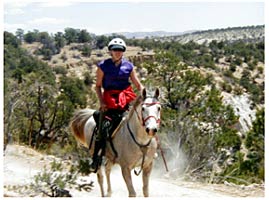
The horse Unoited Steele benefits from Hoof-it 2 Hoof Pads.

Composite Horseshoe and Hoof Repair Systems by Hoof-it® Technologies

If one is very lucky, a great horse comes your way once in a lifetime. We all define a great horse as something different - a horse that can tolerate our inexperience, our children, go fast, go slow, do trail work, arena work, dressage, hunter, jumper, work cattle. Regardless of the definition, the horses all share the similar ability of figuring out what we want them to do and do it well. I have been so blessed with such a mount. He came to me with lots of energy and a great spirit of competition. He was capable of listening to me, and I also listened to him. We started with NATRC, went into endurance and competitive trail riding, Iaha Sweepstake Competitions, and even tried our hand and hoof at dressage. He took me to many regional and national competitions with ribbons, plaques, titles, placing in the money, and memories.

But one issue plagued us regardless of the sport - he had terrible hooves.

We would come home from a competition, and my farrier would shake his head back and forth. However athletically gifted my horse was, his hooves couldn’t hold up in spite of our best efforts. We tried competing in boots, we tried flat pads, wedge pads, we tried taking off as much of the front toes as we dared. We tried most everything during the ten years of hoof problems. All to no avail. That horse refused nothing I asked except to grow a heel on those front hooves. He naturally wanted to have almost no heel growth, contracted heels, and flat soles. His quarters were always broken away on all four hooves which put too much pressure on the heels. I had to miss important competitions, not because he was tired, needed a break, or wasn’t ready, but because his hooves wouldn’t hold up.

Then I found Hoof-it II Pads. I was at a 100 mile endurance ride with another horse and as always, had my eye on anything new that might help US’s hooves. The riders parked next to us showed me how Hoof-it II Pads had worked for them and gave me a catalog. I couldn’t get home fast enough to make that phone call. Hoof-it II Pads have worked wonders for United Steele. After an early retirement, he is back in competition. His hooves look great - even with training and 50 mile rides. After the farrier finishes putting on new shoes, we apply Hoof-it II Pads to all four hooves. The pads fill in where quarters are weak and prevent them from breaking out. I fill in the nail holes to keep his hooves moist, and also use the Hoof-it to fill in around the heels on the outside of the hoof to give more support to the heels on the shoes. We fill in all around the inside of the shoe and the sole area.

If it is winter and the horse isn’t being used, I can take the pads off myself without worry of thrush due to the wet weather. When I want to ride, I can easily put the Hoof-it on, regardless of my shoeing schedule.

My farrier is amazed with how well U S’s hooves look now. He is no longer flat soled, his heels grow and are no longer contracted, and his quarters hold up to the work load. US hated his early retirement, and thanks to Hoof-it II Pads, US and I are quite happy and back in competition.

Story by Ms.Jennifer Nice– Successful Endurance "There is no other equestrian sport that subjects horses to the amount of concussion that endurance riding does. Top 100-mile equine athletes routinely compete over hard, rocky and uneven terrain at speeds ranging from10 to 15 miles per hour for durations of 12 to 24 hours. Add to this the horse's conformation, way of going and weight, and concussion-induced injuries become a primary concern. It is because of this that I sought out a shoe that would reduce concussion and wear and tear on my horse's joints. When I chose the Anatomics, not only did I find that they worked to reduce concussion, but my farrier was also able to custom fit them to the size and shape of my horse's feet. So far, I've competed in three races using the Marathons and then two more in the Anatomics, and I will again use the Anatomics at the Washoe 100 on May 6.

But Al Baraaq is not my only horse wearing these shoes. My endurance partner of 13 years, Oasis Shetarah, now 21, also wears Marathons. Although this horse is retired from endurance riding, he still competes in competitive trail riding with Audrey Pavia, a noted author of equine books. Since switching to the Marathons to relive a variety of mild, age-related joint and hoof problems, he is competing 100-percent sound. The Marathons are helping to relieve joint stiffness and to correct both sheered walls and contracted heels from years of wearing steel shoes. Audrey expects to have a long career in competitive trail riding with him!

Minneapolis Police Mounted Patrol -Officer Angela M. Dodge August 28, 2000 "Thank you for your help in addressing the concerns of the Minneapolis Police Mounted Patrol Unit regarding shoes for our horses. When I first contacted you, we were preparing for protests related to the International Scientists of Animal Genetics conference that was being held in our City. We were looking for a shoe for our horses that would provide proper grip on the wide variety of surfaces our horses encounter, as well as flexibility and durability. We received our order in less than a week and our Farrier had no problem putting the shoes on. We used a combination of the Marathons and Anatomic. The test would be how they held up during the protests. During the protests, we had other Mounted Patrol Units from other agencies providing mutual aid.

One of the things we noticed immediately was the fact that our horses had much less slipping than the horses from the other agencies that were using steel shoes, barium shoes, or a combination (steel with barium tips). Our horses definitely had much better footing, which was a great advantage! The shoes have been extremely durable while remaining flexible, which is healthier for the hoof. We are very pleased with the performance of your Anatomic and Marathon shoes and plan to continue to use them in the future. Thanks again Heinz! I look forward to meeting you soon."

Contact: Hoof-it® Technologies- Minden, Nevada 89423 Phone: 888-466-3483 Email: info@hoof-it.us Website: www.hoof-it.us/index.htm
Sponsored Content — Contact information provided by the sponsor
Key Article Takeaways
  • I was at a 100 mile endurance ride with another horse and as always, had my eye on anything new that might help US’s hooves.
  • His hooves look great - even with training and 50 mile rides.
  • So far, I've competed in three races using the Marathons and then two more in the Anatomics, and I will again use the Anatomics at the Washoe 100 on May 6.
  • My endurance partner of 13 years, Oasis Shetarah, now 21, also wears Marathons.
  • Since switching to the Marathons to relive a variety of mild, age-related joint and hoof problems, he is competing 100-percent sound.
Questions readers commonly ask:
What should I do if my horse has chronic hoof problems that won't respond to standard farrier work?

Per Cyndee Pryor (HOOF-it Technologies, with rider Jennifer Nice contributing): look beyond traditional shoes-and-pads to composite hoof-repair systems and concussion-reducing shoes. Cyndee's gelding United Steele had ten years of hoof problems — no heel growth, contracted heels, flat soles, broken quarters — and the standard rotation of boots, flat pads, wedge pads, and aggressive toe trimming all failed.

Per the article: the workflow that worked was traditional shoeing first, then composite pad application across all four hooves. The pads filled in weak quarters, supported the heels from the outside, kept hooves moist by sealing nail holes, and could be removed during winter rest without thrush risk. Talk to a farrier experienced with composite repair systems before retiring a horse for hooves alone — alternative shoeing has rescued many horses written off as un-soundable.

How do I know if my horse has poor hoof structure that needs more than routine farrier work?

Per Cyndee Pryor: watch for the cluster of "refuses to grow heel, contracted heels, flat soles, broken quarters on all four hooves". Each on its own can have many causes; together they signal structural weakness that routine trimming and shoeing can't correct.

Per the article: the practical diagnostic is whether your horse can hold up to the work you ask of it. United Steele was "athletically gifted" — capable across NATRC, endurance, competitive trail, IAHA Sweepstakes, and dressage — but his hooves couldn't hold up regardless of sport. The signal is repeated competition cancellations, lameness flare-ups after work, and the farrier shaking his head despite best efforts. If that pattern is showing up, the hoof structure is the bottleneck, and conventional pads aren't enough. Schedule a consultation with a farrier who works with composite repair systems before assuming your horse is unsound.

What hoof-protection options should I consider before deciding on shoes-and-pads?

Per Cyndee Pryor: conventional shoes with various pad options were tried in sequence over ten years before composite repair systems worked. Knowing the full menu up front saves time.

Per the article, the options Cyndee worked through:

  • Hoof boots for competition — sometimes adequate for trail, often inadequate for the load of endurance distances.
  • Flat pads under the shoe — cushion only, no structural support.
  • Wedge pads — alter angle but don't address weak quarters.
  • Aggressive toe trimming — shifts pressure but doesn't grow heel.
  • Composite pads applied to the whole hoof — fill weak quarters, seal nail holes, support heels.

Per Scoot Boot (a current InfoHorse advertiser): hoof boots remain a viable option for many horses, especially those barefoot between competitions. The right answer depends on the horse and the work; consult your farrier on which option suits your specific case.

What's the difference between traditional steel shoes and composite shoes for high-impact riding?

Per Cyndee Pryor and endurance rider Jennifer Nice: traditional steel shoes transmit more concussion; composite shoes absorb more. For sports that subject horses to sustained concussion — endurance especially — the difference matters.

Per the article: top 100-mile equine athletes routinely compete over hard, rocky, uneven terrain at 10-15 mph for 12-24 hours. Composite shoes (the article references HOOF-it's Marathons and Anatomics) reduce concussion and wear-and-tear on joints; the article's testimonials describe relieving age-related joint stiffness, correcting sheered walls and contracted heels, and competing 100% sound on a 21-year-old previously retired from endurance. Minneapolis Police Mounted Patrol reported much less slipping with composites versus the steel and barium shoes other agencies were running. Per The SoftRider Next Generation Horse Shoe (a current InfoHorse advertiser): composite-shoe options for concussion-sensitive horses are worth comparing alongside steel.

Is investing in composite hoof systems worth it for a horse already in early retirement?

Per Cyndee Pryor: her gelding United Steele was retired early due to chronic hoof problems and is now back in competition — including 50-mile training rides — after switching to composite pads. The framing the article puts forward: a great horse comes along once in a lifetime, and the calculus of cost vs. extending that horse's working life isn't subtle.

Per Jennifer Nice (a related testimonial in the article): her endurance partner of 13 years, Oasis Shetarah (now 21), was retired from endurance but is still competing 100% sound in competitive trail riding with author Audrey Pavia after switching from steel shoes to composite Marathons. Joint stiffness, sheered walls, and contracted heels improved on the change. The structural argument is that early retirement is often a hoof problem in disguise, and the right hoof intervention can return a horse to useful work years longer. Costs vary by farrier and product; price out the alternative of an unused horse before deciding.

Related Products & Services

LaSal Animal Health
InfoHorse Advertiser
LaSal Animal Health
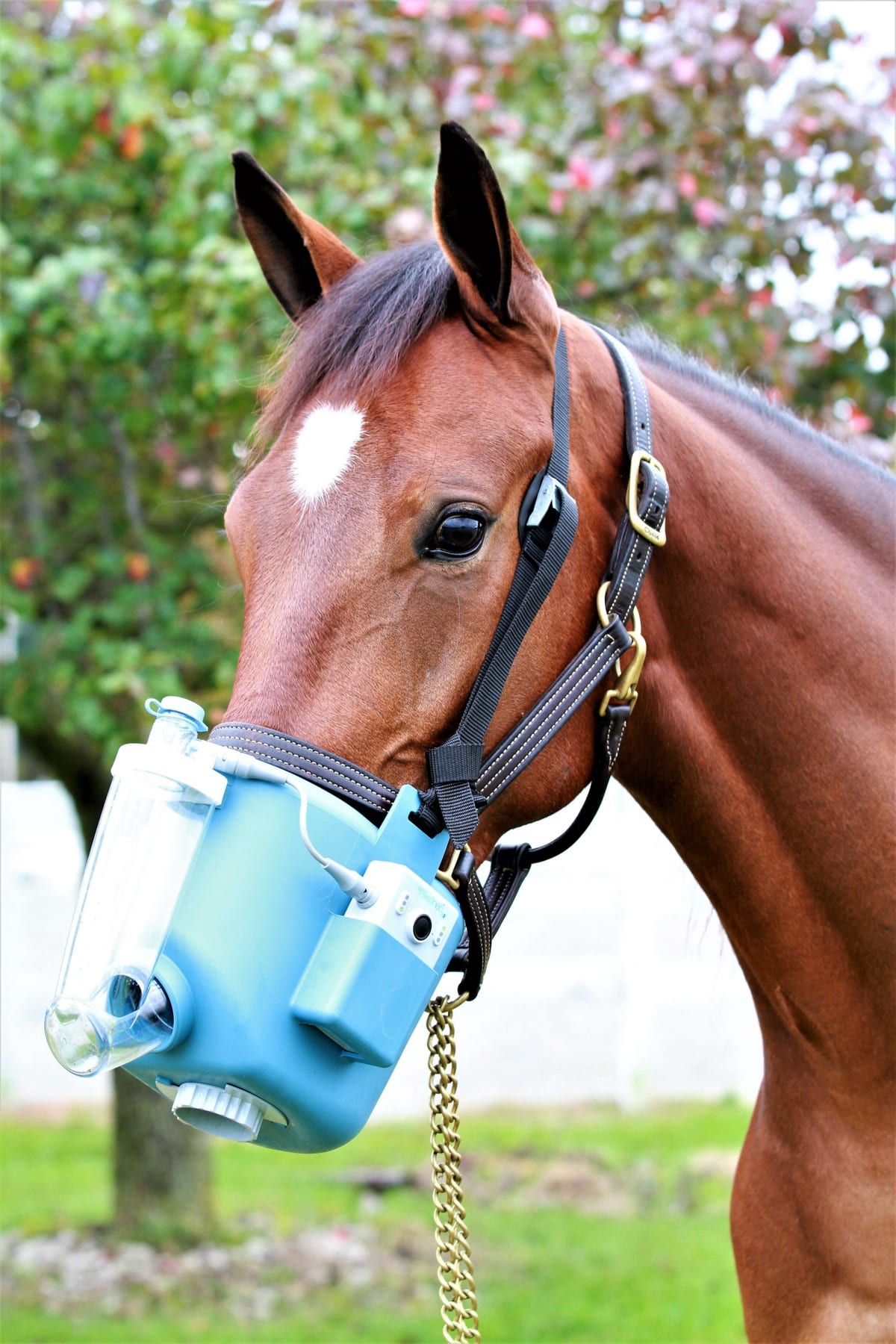
Nebulizer La Sal Animal Health offers the only chelated silver nebulizing solution on the market. Find LaSal Animal Health on InfoHorse.com.
Markie's Choice
InfoHorse Advertiser
Markie's Choice
Markie's Choice — Horse Health Products. Find product details, reviews, contact info and more on InfoHorse.com, America's #1 horse product directory.
The Hay-EZ
InfoHorse Advertiser
The Hay-EZ
The Hay-EZ Hay Bag Filler — the smart way to fill your slow-feed hay bags or nets. Hold the bag open at the top for easy hay loading. Filling has never been easier.
Ann Pruitt
Contact Ann Pruitt
InfoHorse.com