

Winter Horse Care, Barn Preparation, Frozen Water Prevention, Feeding, Blanketing and Emergency Planning
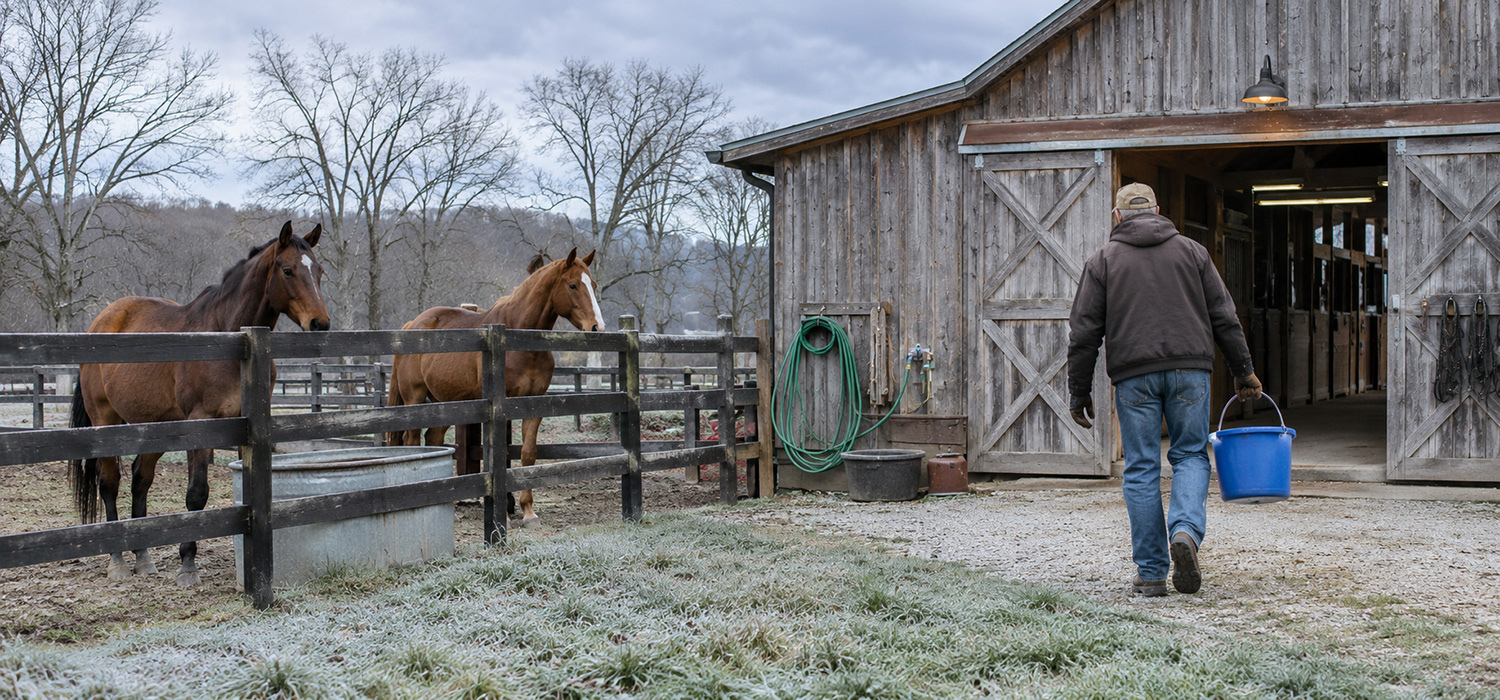
Winter comes every year. Sometimes it slips by without much trouble. Other years, it arrives with frozen pipes, icy pastures, power outages, and some very unhappy horses waiting for their breakfast.
Most experienced horse owners have at least one winter story they would rather not repeat. Maybe it was a frozen water hose, a broken pipe, a horse standing beside an empty water bucket, or a miserable morning trying to thaw a water trough before heading to work.
There is something particularly unsettling about looking out at your horses on a bitterly cold morning and realizing that something you thought was ready for winter simply isn't working.
Getting the horse barn ready for winter while it is still fall can feel a little like putting up Christmas lights before Halloween. But when you are responsible for horses, early preparation is almost always better than a cold-weather emergency.
After years of caring for horses and learning more than a few lessons the hard way, here is my Winter Horse Readiness Plan. Some of these things are simple. Others could save you considerable money, worry, and possibly even your horse's life.
1. Do You Know Where Your Barn's Main Water Shutoff Valve Is?
This may be the most important question on the entire list.
Do you know exactly where your main water shutoff valve is located? Can you get to it quickly? Do you have the correct tool to turn it off?
Better yet, do you have individual shutoff valves for the water lines leading to pasture waterers, automatic stall waterers, wash racks, and outside faucets?
Having separate valves is ideal, but many barns have only one main shutoff. If that's your situation, make sure you know where it is and that it actually works.
A frozen pipe that bursts can turn a perfectly good winter morning into a very expensive disaster. Take a few minutes now to locate your valves, label them, and make sure everyone who helps care for your horses knows where they are.
Those few minutes could save you hours of trouble.
2. Have You Protected Your Horse Barn's Water Pipes From Freezing?
Exposed water pipes should be properly insulated before freezing weather arrives.
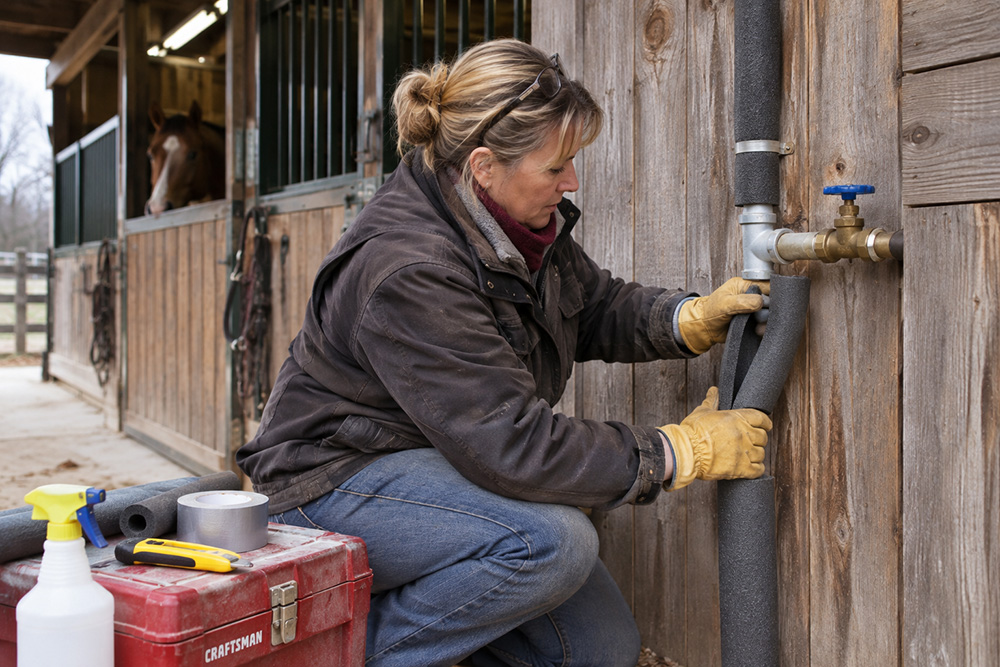
Hardware stores carry foam pipe insulation, outdoor faucet covers, and other products designed for cold-weather protection. Buy what you need early, before everyone else has the same idea and the shelves are empty.
Pool noodles can sometimes serve as inexpensive temporary insulation for certain exposed pipes, but proper pipe insulation is a better choice, especially for severe freezes. Insulation alone will not necessarily prevent a pipe from freezing during prolonged cold.
Don't overlook the pipes in wash racks, tack rooms, and those little corners of the barn that don't get much attention until something goes wrong.
Drain and winterize water lines that won't be used, when appropriate, and follow the manufacturer's recommendations for automatic waterers and frost-free hydrants.
And keep a good supply of duct tape handy. It certainly won't fix everything, but around a horse barn, it always seems to have a job!
3. What Happens If Your Horses' Water Freezes Overnight?
Horses need dependable access to fresh, clean water all year long, and winter can make that surprisingly difficult.
Cold weather sometimes causes horses to drink less, particularly when their water is close to freezing. When horses are eating dry hay instead of moisture-rich pasture, adequate water intake becomes even more important.
A 1,000-pound adult horse may need approximately 10–12 gallons of water a day, depending on diet, activity, and conditions.
One way to encourage drinking is to keep water at a more comfortable temperature, approximately 45–65°F.
We have found that insulated heated water buckets in the stalls can be worth their weight in gold. There is nothing quite like walking into the barn on a freezing morning and finding liquid water instead of a solid block of ice.
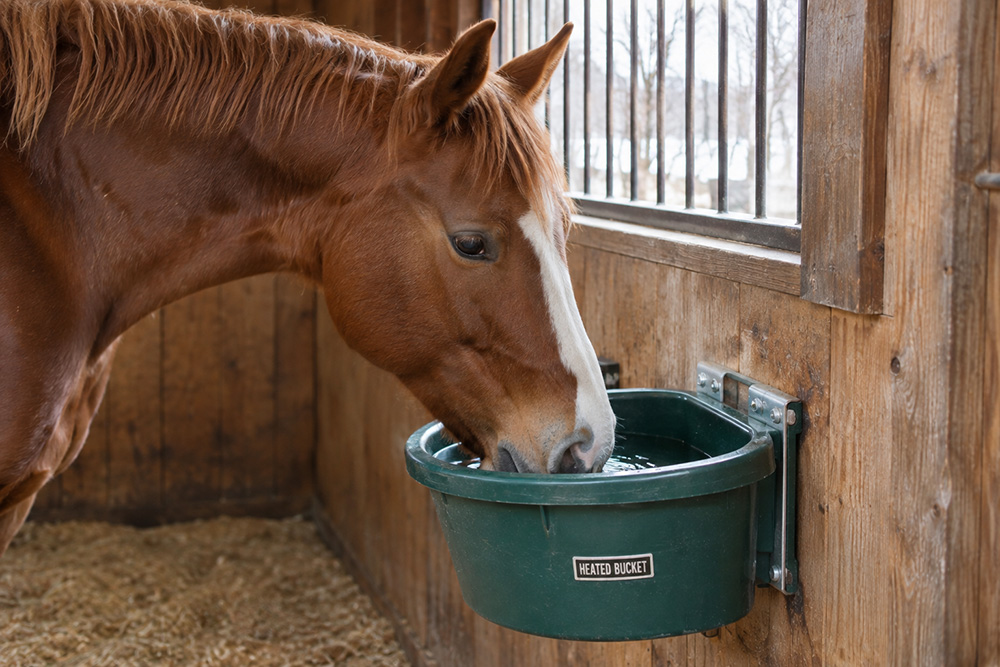
A properly designed, livestock-safe heated water tank can also provide a reserve of unfrozen water for refilling buckets when hoses are frozen. Use only equipment intended for that purpose and follow all electrical safety instructions.
For horse owners looking for a more permanent solution, the Bar-Bar-A Non-Electric Horse Waterer is especially interesting. Its design delivers water when the horse activates it, then drains the remaining water away. With proper installation below the frost line, there is no standing water in the bowl to freeze.
A system that doesn't need electricity to prevent freezing can be a tremendous advantage in winter, although it still depends on a functioning water supply.
Whatever watering system you use, check it daily. Never assume that an automatic waterer is working simply because it worked yesterday.
And remember, snow and ice are not reliable substitutes for a horse's regular drinking water.
4. Do You Have a Plan If the Electricity Goes Out?
If you have ever experienced an extended power outage during freezing weather, you already know how quickly ordinary horse care can become difficult.
Consider what happens if the power goes out for 24, 48, or even 72 hours. Will your well pump work? Will you have water for your horses? Can you open electric gates? Will your heated water buckets stop working?
If you depend on well water, find out whether your generator can actually power the well pump. Owning a generator and having one properly configured to operate the equipment you need are two very different things.
Test it before you need it, keep appropriate fuel available, and have a safe operating plan. Generators must be operated outdoors, away from barns, doors, windows, and ventilation openings because of carbon monoxide and fire hazards.
A supply of emergency drinking water, extra buckets, flashlights, batteries, charged phones, and a reliable way to contact your veterinarian should be part of your preparations.
Don't wait until the lights go out to discover what doesn't work.
5. Are Your Horse's Winter Blankets Clean, Repaired and Ready?
Now is the time to pull those blankets out of storage. Are they clean? Have the waterproof outer layers held up? Are the straps, buckles, and closures still in good condition?
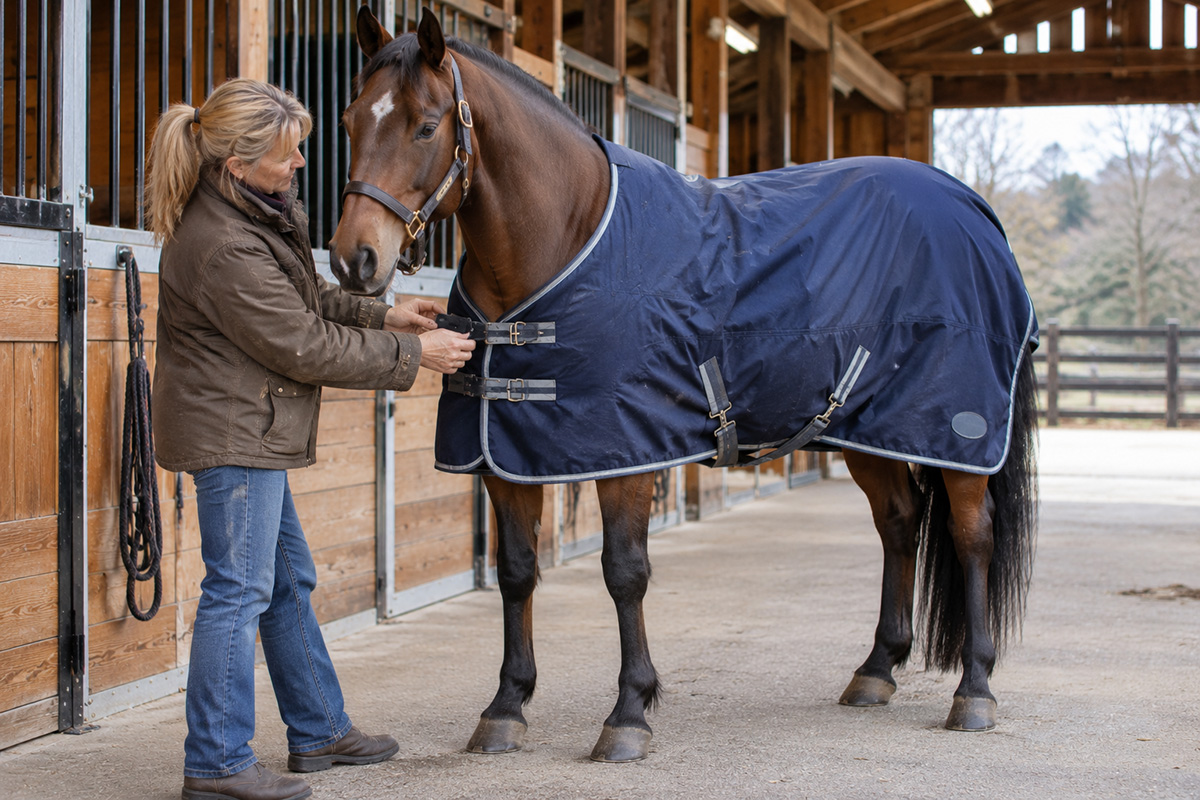
And where did those missing leg straps go last winter?
If you need replacements, order them now rather than discovering the problem when the temperature drops.
Not every horse needs a winter blanket. A healthy horse with a full winter coat, adequate feed, proper shelter, and time to adjust to the weather may be quite comfortable without one.
But older horses, very young horses, thin horses, clipped horses, and horses with certain health problems may need additional protection.
Cold rain combined with wind can be especially challenging, even when the thermometer doesn't seem terribly alarming.
If you clip your horse's winter coat for riding or showing, plan ahead for the blankets that horse may need.
Check under blankets regularly for rubbing, dampness, overheating, or weight loss. A blanket that fits poorly can cause problems of its own.
How Do You Measure a Horse for a Winter Blanket?
Here is a simple method I have used.
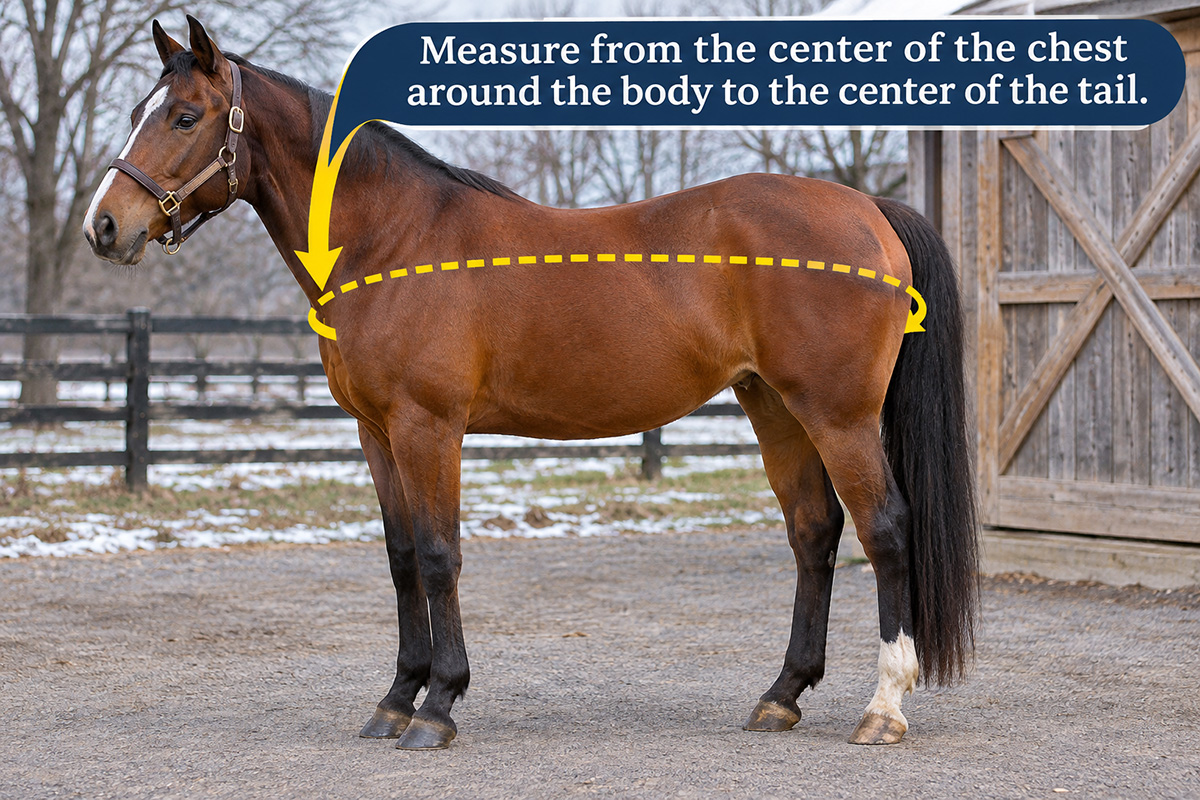
Take a long piece of soft twine or string and begin at the center of the horse's chest. Gently follow the contour of the body around the shoulder and along the side to the center of the tail.
Mark the length of string, then lay it out and measure it with a tape measure.
It's an easy way to get an approximate blanket measurement without wrestling with a long measuring tape around the horse.
Check the blanket manufacturer's sizing chart, because fit and measurement instructions can vary.
6. Are Your Horses Drinking Enough Water to Help Prevent Winter Colic?
This is one of the winter problems I take very seriously.
When horses drink less water and consume more dry forage, the risk of dehydration and impaction colic can increase.
One of the things we do during winter is add water to certain feeds.
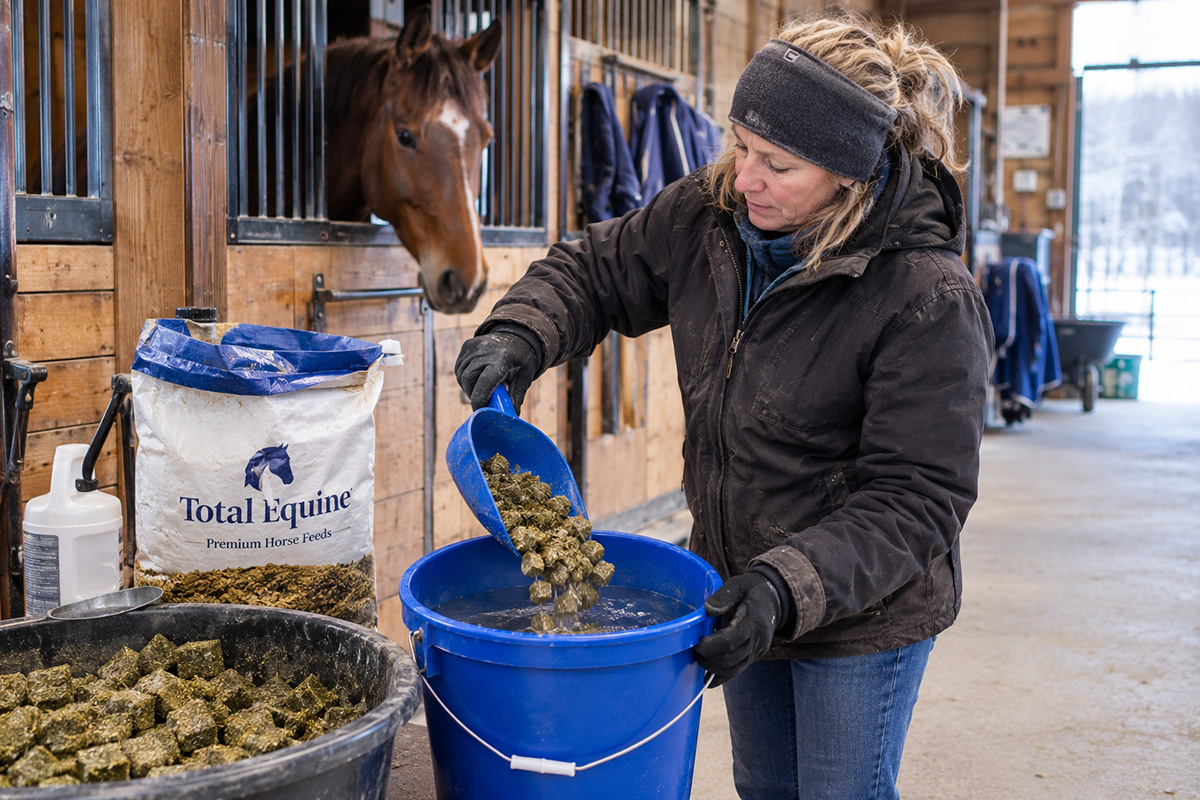
Soaked hay cubes have worked well for us, particularly when mixed with slightly warm water. Some complete feeds and fiber-based feeds can also be soaked according to the manufacturer's directions.
Our friends at Total Feeds offer products that can be mixed with water, and some horses will happily consume a very wet, soupy feed.
The idea is simple: get more moisture into the horse while encouraging normal drinking.
Soaking feed isn't a substitute for fresh drinking water, and not every horse needs soaked hay. Any soaked feed should be prepared safely, fed promptly, and kept from freezing.
We also use this approach when traveling with horses that may be reluctant to drink unfamiliar water.
Pay attention to changes in drinking, appetite, and manure production. Reduced manure, unusual discomfort, repeated lying down, pawing, or looking at the flank can be warning signs of colic.
If you suspect colic, call your veterinarian promptly. Early attention can make an enormous difference.
7. Will Your Horses Need More Hay During Cold Weather?
Horses produce heat as they digest forage. In cold weather, that process becomes especially valuable.
As temperatures fall below the level a horse can comfortably tolerate, the body needs additional energy to maintain its temperature.
For many horses, increasing appropriate forage is a better first step than simply adding more grain.
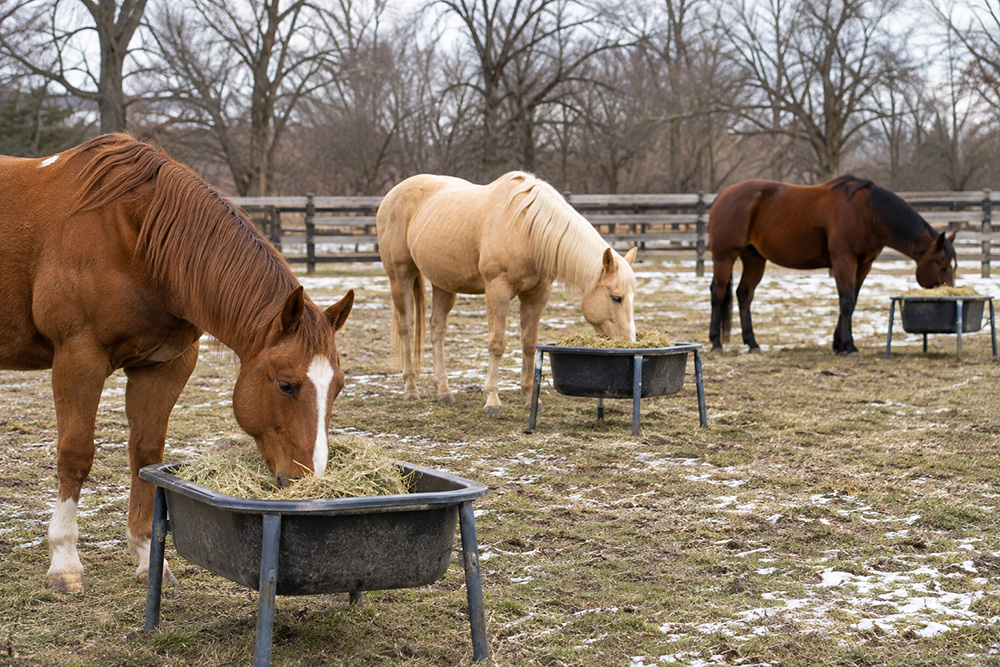
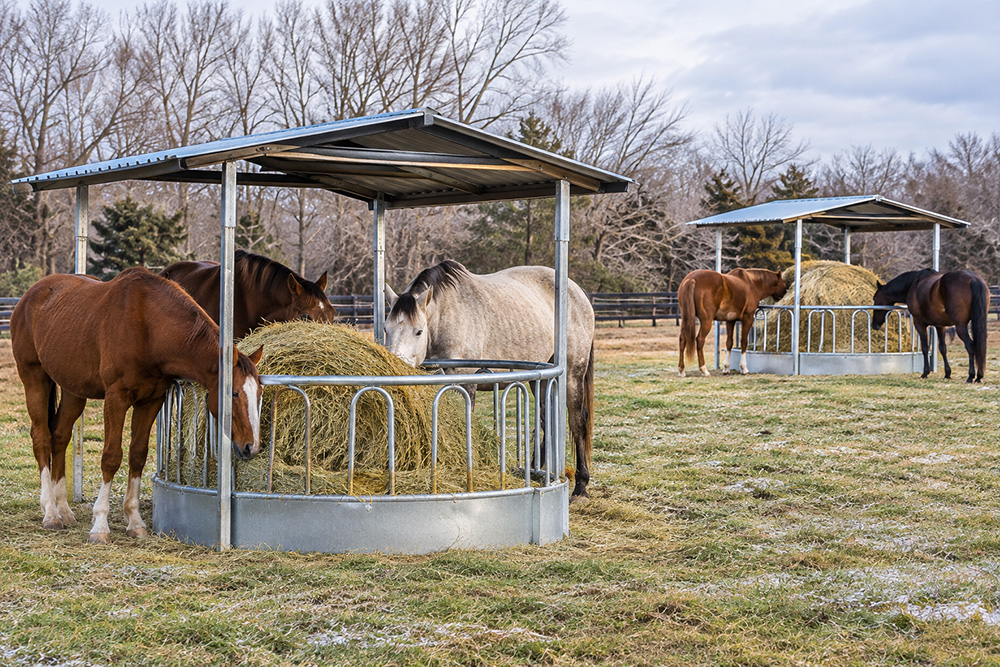
Pasture horses may benefit from additional good-quality hay during severe cold, and round bales can be useful where appropriate.
Make sure the hay is clean, free of mold, protected from excessive moisture, and accessible to every horse.
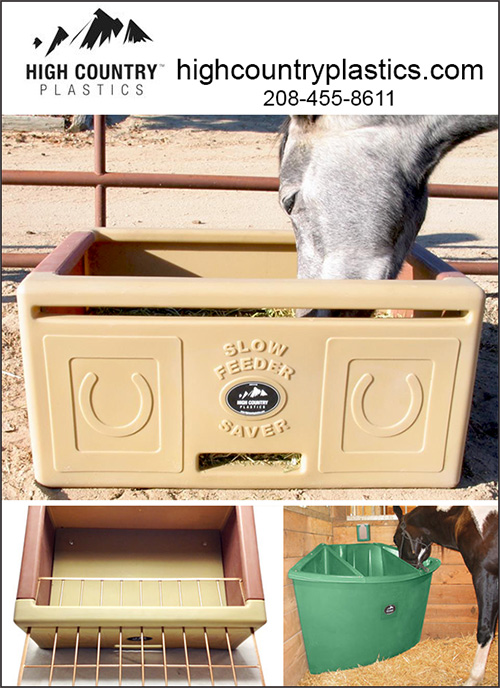
If horses are living together, watch the herd dynamics. The dominant horse may be enjoying a full hay feeder while the quieter horse is standing twenty feet away wishing for an invitation.
Multiple feeding locations may be necessary.
Order hay before winter weather disrupts deliveries. A barn full of horses and an empty hay shed are not a combination anyone wants to experience.
8. Should You Change Your Horse's Feed or Supplements for Winter?
Winter nutrition is not simply a matter of feeding more.
Some horses genuinely need additional calories. Others may need little or no change to their regular ration.
Older horses, growing horses, hard keepers, and horses with poor body condition may require special attention. Horses with insulin dysregulation or a history of laminitis may need carefully controlled diets rather than additional grain or unrestricted hay.
A properly balanced diet should provide adequate vitamins and minerals, including vitamin E, zinc, magnesium, and selenium where needed.
But more is not necessarily better, especially with selenium. Adding supplements without knowing what is already in the horse's ration can create nutritional imbalances.
Before making major changes, evaluate the horse's body condition, forage quality, current feed, and individual health needs.
Your veterinarian or an equine nutrition professional can help determine whether any additional feed or supplementation is appropriate.
9. Do Your Horses Have a Dry Place to Escape Wind and Freezing Rain?
Many healthy horses tolerate cold temperatures remarkably well.
What can make winter much more difficult is the combination of wind, moisture, and cold.
A horse standing in a dry winter coat on a calm, cold day is in a very different situation from one standing in freezing rain with a strong north wind blowing across the pasture.
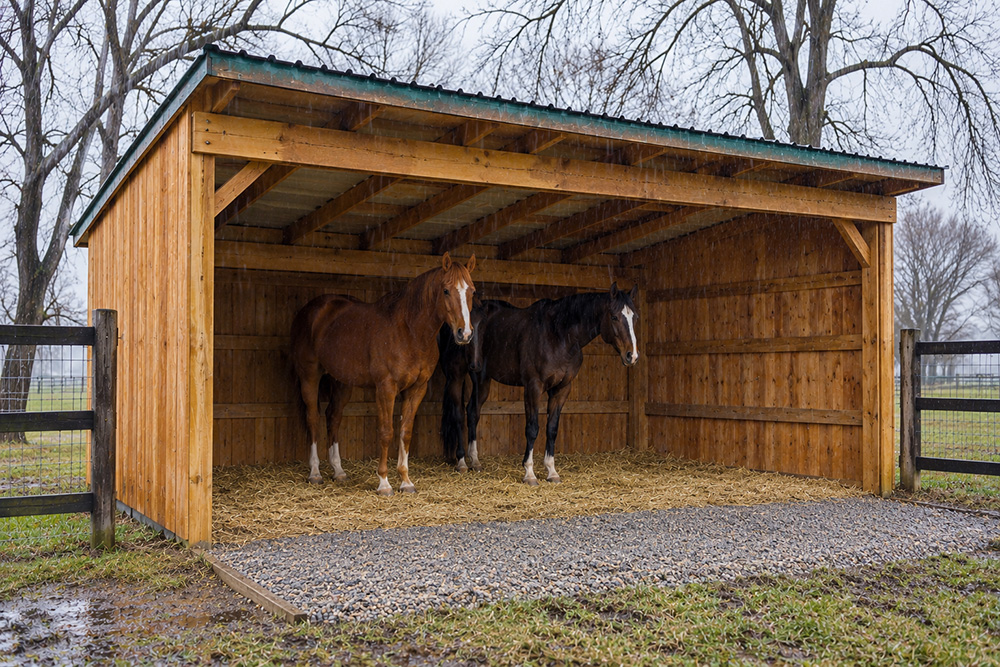
Run-in shelters, properly designed barns, and natural windbreaks can provide important protection.
Walk through your pastures now and consider where the horses will go when a winter storm arrives.
Is the run-in shelter positioned to protect them from prevailing winds? Does rain collect inside? Is the ground around the entrance muddy or slippery? Can every horse safely enter, or is one horse likely to block the doorway?
Shelters should have adequate space, safe footing, and good drainage.
Don't forget the bedding. A dry place to lie down is especially valuable for older or less mobile horses.
10. Have You Checked Your Pastures, Gates and Walkways for Ice Hazards?
A winter storm can change a familiar pasture into a dangerous obstacle course.
Water collects in ruts, around gates, and near water troughs. Then the temperature drops, and those ordinary wet spots become sheets of ice.
Look now for drainage problems and repair them where possible.
High-traffic areas may need improved footing, gravel in suitable locations, mats, or other traction solutions designed for horses.
Avoid using products around horses without checking whether they are appropriate for hooves, skin, and the environment.
And remember that footing conditions affect people, too.
One of the most dangerous parts of winter horse care can be a horse owner carrying two heavy water buckets across a frozen barnyard.
Prepare safe walking paths for yourself as well as your horses.
11. Have You Scheduled Winter Hoof Care?
Winter doesn't mean hoof care can be ignored.
Wet ground, mud, freeze-thaw cycles, and changes in exercise can affect hoof condition and traction.
Discuss your horse's needs with your farrier before the coldest weather arrives.
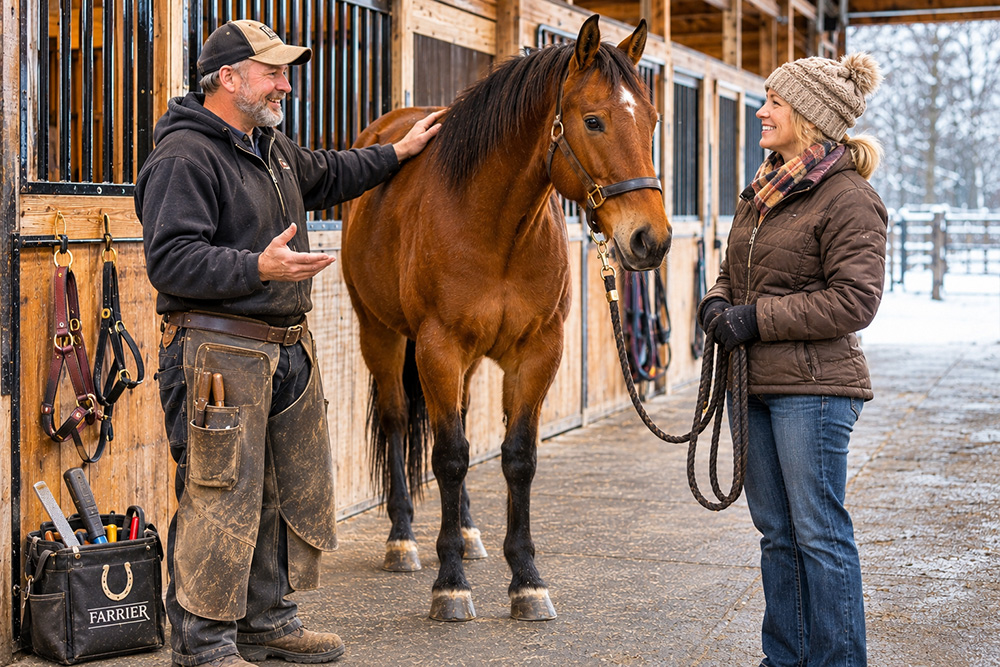
Some horses may do well barefoot. Others may need adjustments to their regular shoeing or traction management, depending on their environment and work.
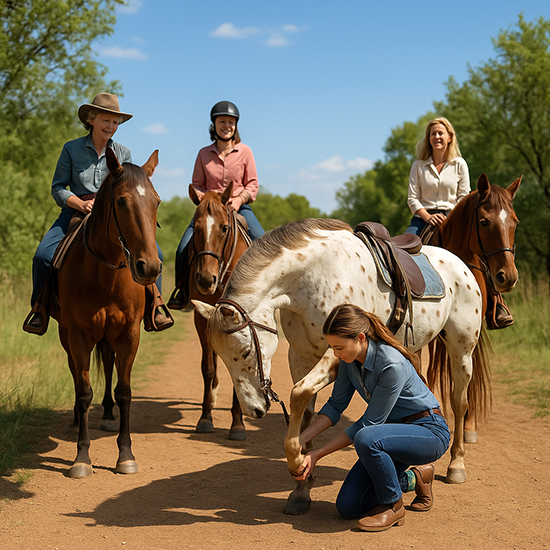
Keep hooves picked out, check for packed snow or ice, and watch for signs of thrush or soreness.
If a horse has a history of laminitis, pay particular attention to changes in comfort, movement, and diet.
A winter hoof problem can become much more difficult to manage when the ground is frozen and travel conditions are poor.
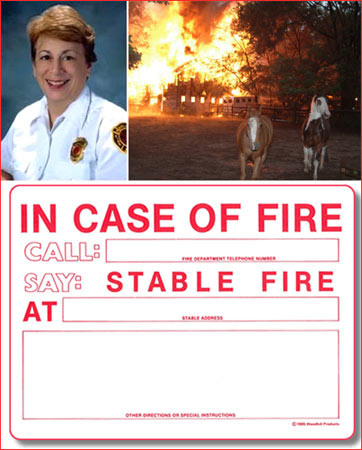
12. Is Your Barn Safe From Winter Electrical and Fire Hazards?
Winter means more electrical equipment in many horse barns.
Heated water buckets, tank heaters, lighting, and other devices can put additional demands on the electrical system.
Before the cold weather arrives, inspect electrical cords, outlets, breakers, and heating equipment.
Have a qualified electrician address questionable wiring and ensure appropriate ground-fault protection is installed.
Avoid running temporary extension cords through stalls, under bedding, or anywhere horses can chew or damage them. Heating equipment should be installed and operated according to its manufacturer's instructions.
Check fire extinguishers, smoke or heat detection systems, and emergency exits.
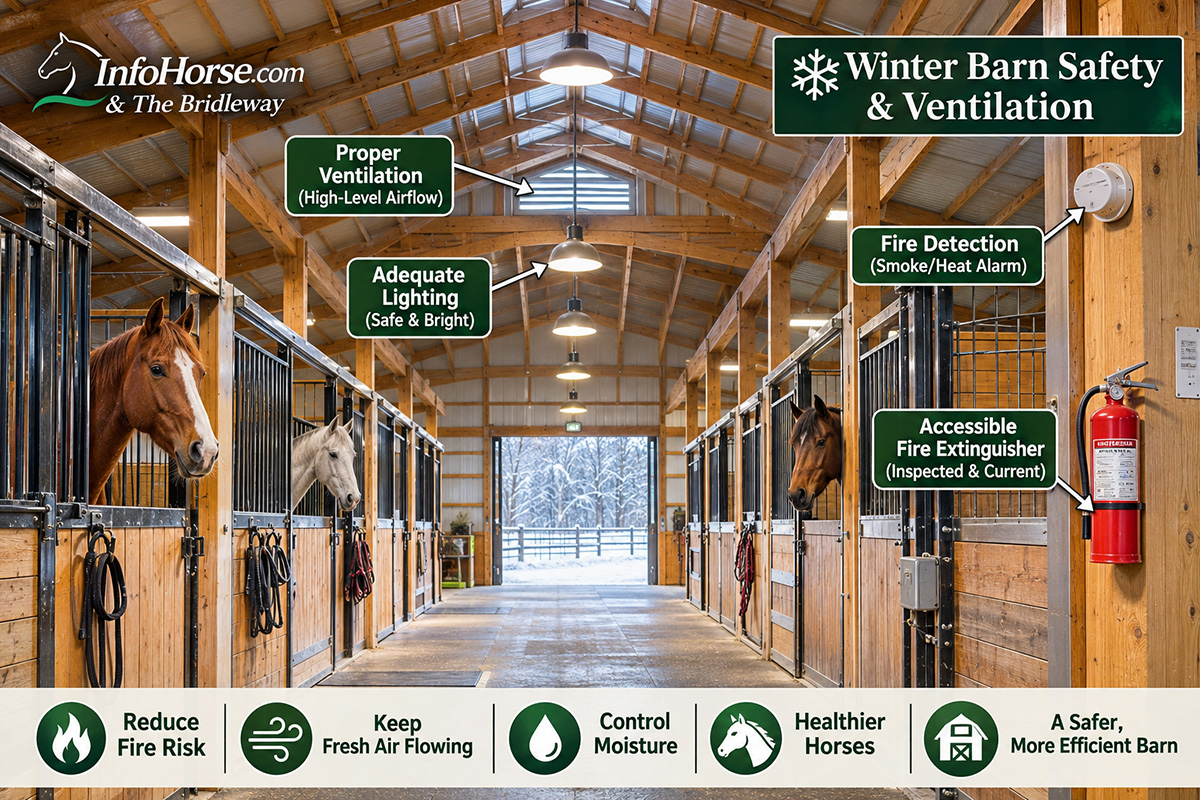
Keep combustible materials away from electrical equipment and heat sources. Avoid portable space heaters and heat lamps in horse housing whenever possible because of their fire risk.
Make sure stall doors and barn exits can be opened quickly in an emergency.
A little prevention is far better than confronting a barn fire in the middle of a winter night.
13. Are You Keeping the Barn Warm but Forgetting About Fresh Air?
It is tempting to close every door and window when winter winds begin blowing.
But horses need fresh air, even in cold weather.
Dust, moisture, ammonia from urine, and airborne irritants can build up inside poorly ventilated barns.
Good ventilation helps maintain respiratory health while reducing condensation and excess moisture.
The goal is fresh air without exposing resting horses to unnecessary cold drafts.
Keep stalls clean, remove wet bedding, and make sure the barn's ventilation openings are functioning as intended.
A tightly closed barn may feel warmer to us, but that doesn't necessarily make it healthier for our horses.
14. Have You Made Special Plans for Your Senior or Metabolic Horse?
Not every horse experiences winter in the same way.
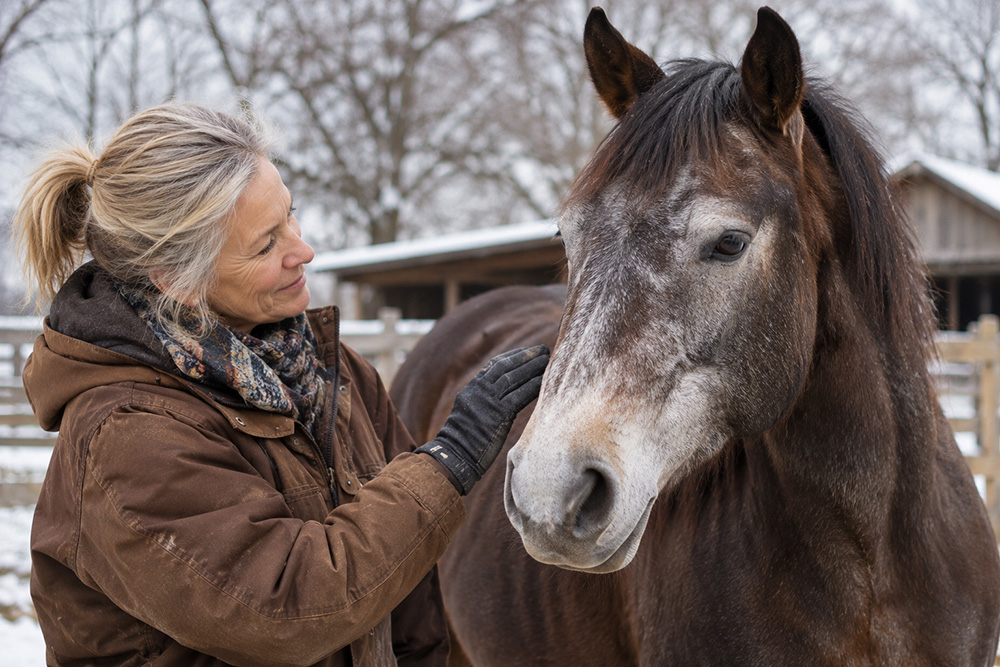
An older horse with worn teeth may struggle to consume enough hay. A horse with insulin dysregulation may need a carefully managed forage program. A horse with a heavy winter coat can lose weight without the owner noticing until spring.
Very young horses, thin horses, and horses that have recently moved from warmer climates may also need additional attention.
This is a good time to schedule a veterinary evaluation, particularly for horses with existing health concerns.
Check body condition by feeling beneath the winter coat rather than relying only on appearance.
Watch for changes in appetite, energy, mobility, and manure production.
And don't overlook teeth. A senior horse that cannot chew hay efficiently may need an alternative forage source to maintain condition through winter.
The goal is not simply to get through winter. It is to keep each horse healthy and comfortable enough to enjoy the spring that follows.
15. Could You Care for Your Horses for Three Days Without Leaving the Property?
This is the question I would ask every horse owner before winter.
Imagine an ice storm has moved through your area. The roads are dangerous. Electricity is out. Your regular feed delivery is delayed.
Could you safely care for your horses for the next three days?
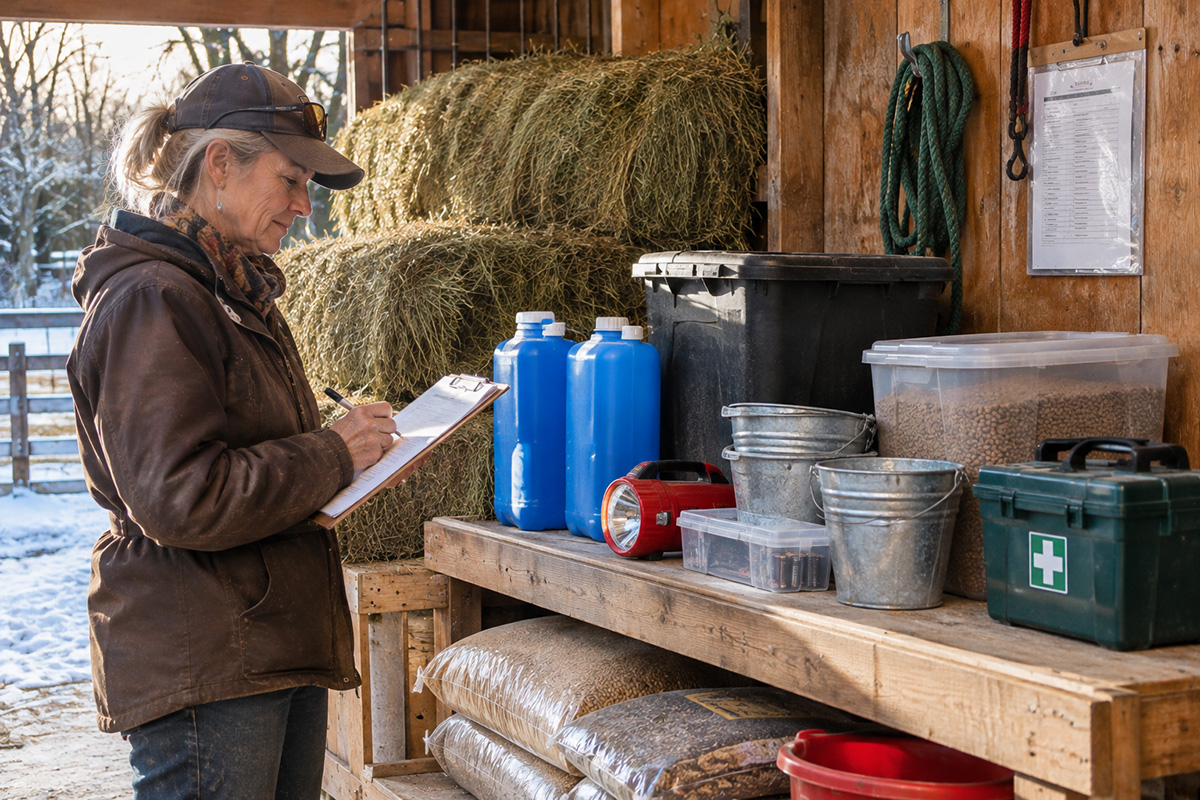
Do you have enough hay, feed, bedding, water, medications, and essential supplies?
Is your trailer accessible if a horse needs emergency veterinary treatment? Is your towing vehicle ready, and do you have a backup transportation plan if roads are unsafe?
Does someone else know your horses' feeding instructions and where emergency supplies are kept?
Make a simple written emergency plan and keep it somewhere easy to find. Include your veterinarian's phone number, an emergency veterinary contact, feed instructions, and the names of people who could help if you couldn't reach the barn.
For areas where extended winter storms are possible, consider keeping more than three days of supplies.
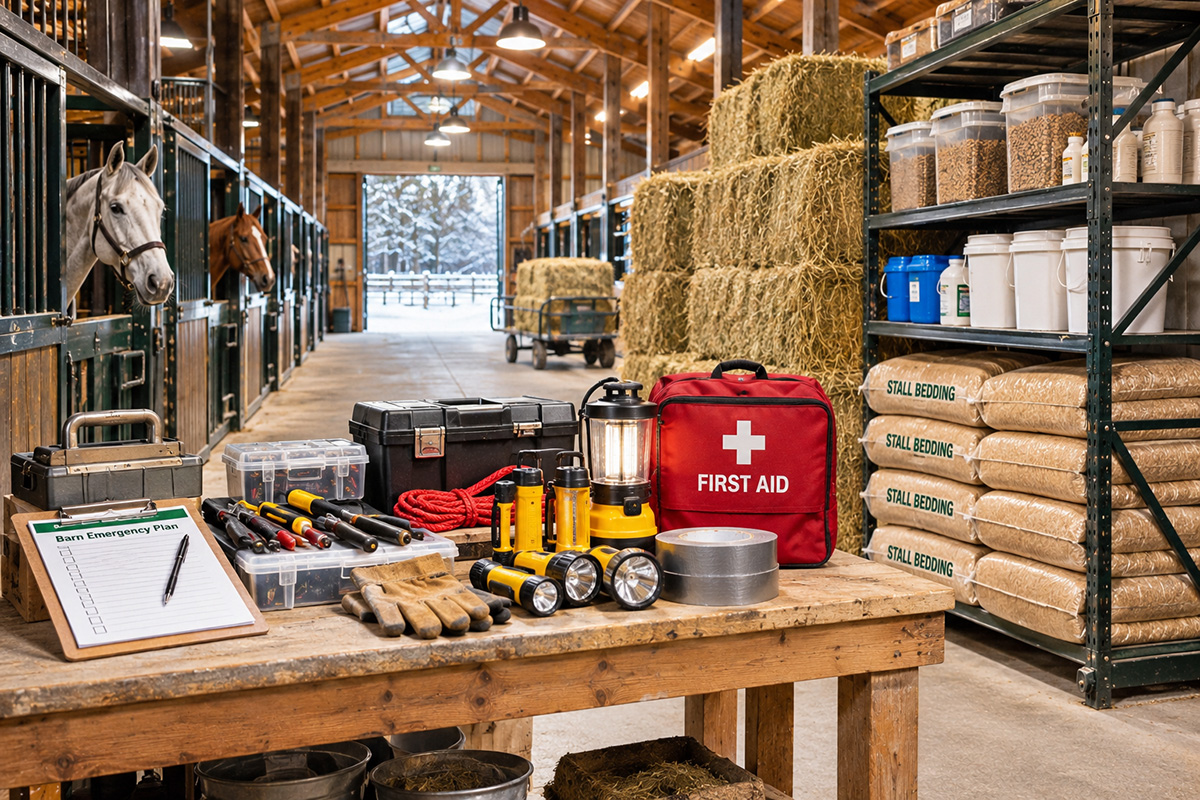
Preparation provides something very valuable during an emergency: time to think clearly instead of reacting in panic.
A Little Preparation Now Can Make a Big Difference This Winter
There is something wonderfully peaceful about walking into a horse barn on a cold winter morning.
The horses are quietly eating hay. Their water is fresh. The barn is dry. Everyone is comfortable, and the day begins the way it should.
Of course, horses have a remarkable ability to surprise us, and no amount of preparation can prevent every problem.
But knowing the water system is protected, the feed is stocked, the blankets are ready, and there is a plan if the power goes out can remove a great deal of worry.
Most of the advice in this article comes from lessons learned over the years, sometimes the hard way.
If sharing those experiences saves another horse owner one frozen morning of frustration, or helps one horse remain healthier and more comfortable through a difficult winter, it will have been worth writing.
Here's wishing you warm water, plenty of hay, healthy horses, and a wonderfully uneventful winter.
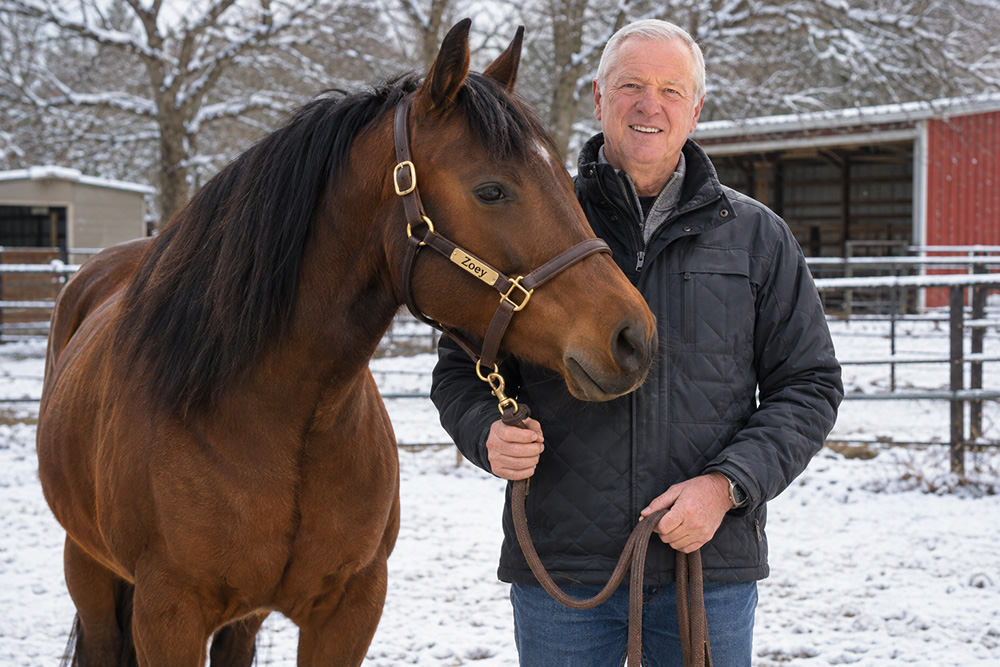
Bob Pruitt and his Morgan horses, including Zoey
InfoHorse.com — Helping Horse Owners Make Informed Decisions Since 1997.