
Helping Horse Owners Make Informed Decisions
Horse Colic Causes Cowboy Distress

Sponsored Article

Horse Colic Causes Cowboy Distress

By Jeff Wilson · Health

Worried about colic and want a real-world read on Horse Colic Causes Cowboy Distress?

Support our Sponsor
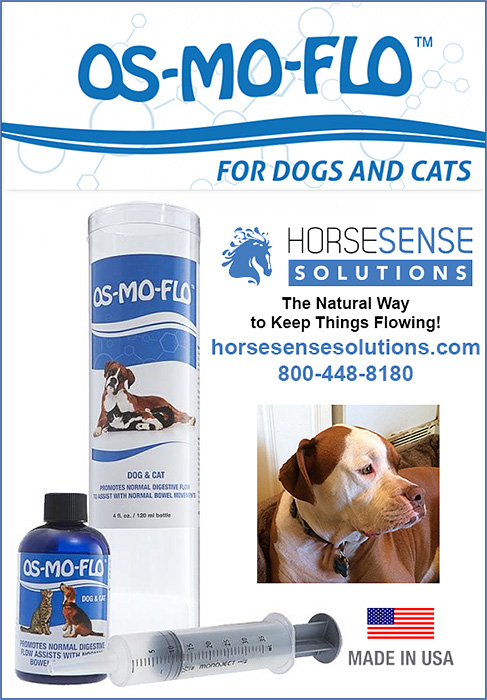
SayWhoa / Horse Sense Solutions
Every staff member at Horse Sense Solutions has been involved with dogs, cats and horses on a
View Sponsor Profile →
View Listing →

Horse Colic Causes Cowboy Distress

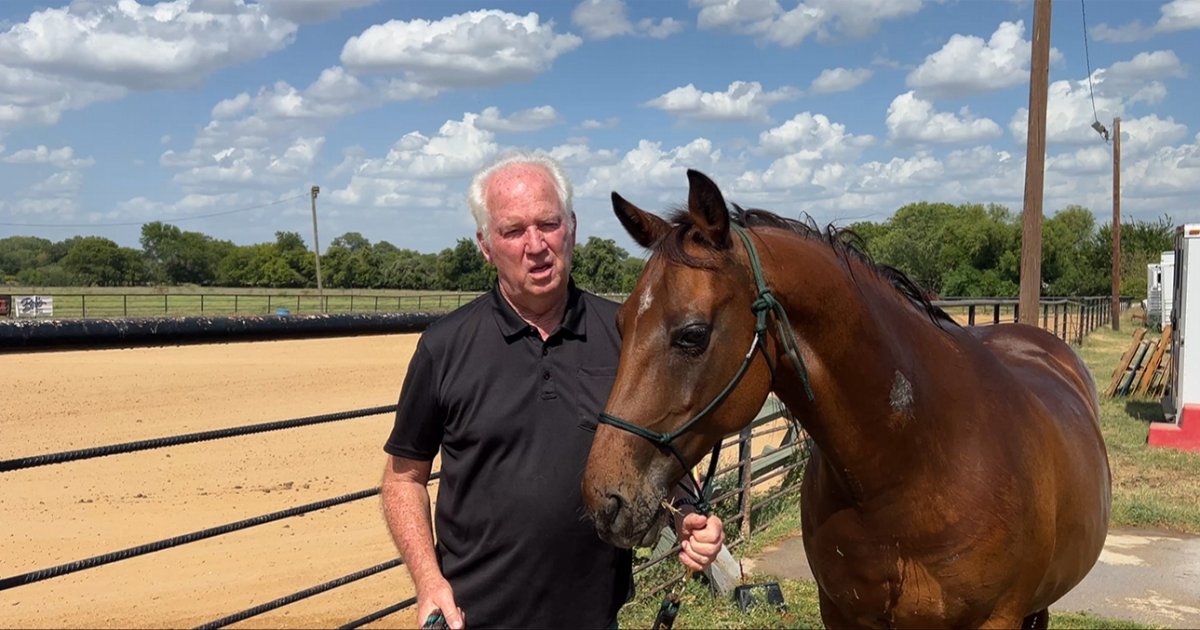
Horse Trainer Jeff Wilson about Horse Colic

My horse is irreplaceable, there isn’t another like him, are thoughts that can echo through our minds whenever we face losing them. Yes, I hate that topic too. Our fantastic riding partners are so unique, that without them, we have a void. Make sure you enjoy your own extraordinary horse today.

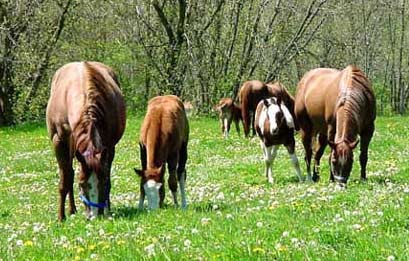
I was greeted by my horse, Black Willow Orion, as he emerged from the pasture the other morning. He looking as if his belly was saying, I can’t believe I ate the whole thing. I reasoned with him that it was just a little too much grass as I led him back to the barn. I finished feeding everybody else and returned to him. I could see his distress, and his coat had begun to glisten with sweat. OK, tough dude, you’ll be fine. I murmured, trying to convince myself. But I knew, yes I knew… that hated killer, Colic, was paying us a visit today.

Orion just stood there, motionless, dealing with it. My mind began to whirl, “This can’t be happening on the threshold of releasing our new promo video,” — a video that featured Orion. In my mind’s eye, I could see the video ending with his epitaph. I moved into his stall, the same stall he had been born in 17 years ago, and snapped a lead to his halter. “Let’s go walk around the arena.”

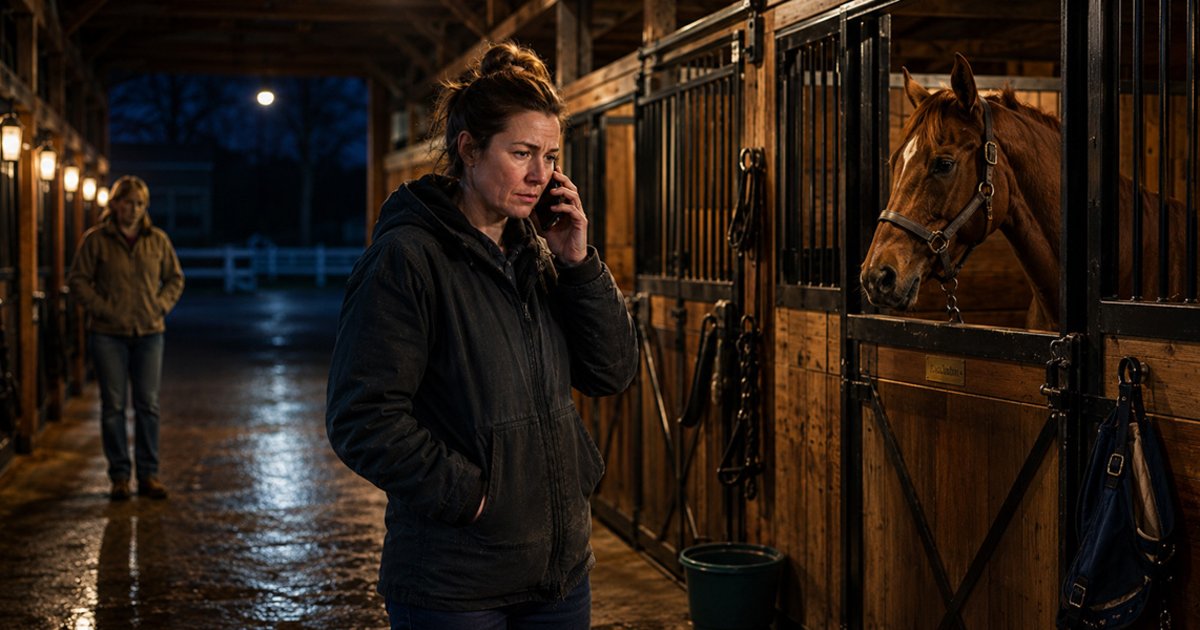
Some days it’s hard to rise to the occasion, it’s just easier to slide over to deal with it. Trying to keep my own guts from twisting, I hurriedly called my medical team. “It’s Orion,” I blurted, I had no words to downplay it. My team is exceptionally good, but serious challenges stomped in right along beside them. Orion’s veins would not stay open to administer fluids. He refused to swallow any mineral oil, and we weren’t able to tube him successfully. Did you know banging your head against a wall uses 150 calories an hour? Did I mention that by this point that I was outta my mind and not coming back soon?

There aren’t words to describe your feelings towards people who stand with you; I was fortunate and grateful to have competent people working all day to evict that dirty, ole’ rotten scoundrel, Colic, from the premises. Despite their efforts, Orion’s temperature dropped, his body cold to the touch, and his gut sounds on the right side remained deadly quiet.

By the end of the day, there was nothing more for us to do. Facing the next tier of care, I recognized that he and I were heading towards our last moments together. As surreal as it was for me, I prepared myself to do what was necessary — for him. I wasn’t going to allow his suffering to escalate.

You can picture that moment, can’t you? What do you say and do to make everything better? Nothing. It was in that moment — with nowhere to run — that someone had the conviction to bring me a single dose of a product called SayWhoa which is the focus of this article. SayWhoa is a relatively new product designed to clear impactions using the power of osmosis — sending water back into the digestive system to clear the impaction and relieve the gas.

We administered the bottle, in truth, without much hope of recovery as Orion was so far gone. Time had been against us. Strangely, the SayWhoa was the only thing he cooperated with and swallowed. We waited; by now there was a small crowd of concerned people standing with us awaiting the outcome — the tension in your belly really does make you hold your breath.

Within 15 minutes of administering the product, Orion’s temperature began to rise and, like turning a switch, his temperament returned. Within a half hour his gut sounds returned (strongly), and, after drinking a half bucket of water, he strolled to the other side of the arena and began eating hay. Within 45 minutes he passed manure. Yes, a miracle occurred.

We all stood stunned, in disbelief, at what we just witnessed. The transformation, had it happened any other way, may have left some skepticism behind in us (we are all so marketed to), but we were unanimously convinced. This product actually had done what it said it would do.
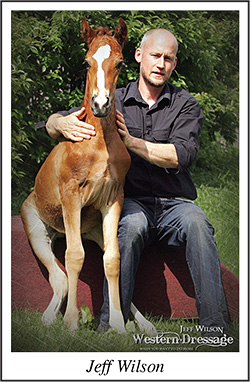
Jeff Wilson

If you want to keep your horse around, you need to have a bottle of SayWhoa on hand all the time. The makers of this product are very accessible and willing to help you.

Check out this fantastic horse of mine on YouTube. Search ‘Orion the Star Morgan Stallion’ and thank you SayWhoa for making this video not an ‘in memoriam.’

Experience is what you get when you don’t get what you wanted. Fortunately, this time, I got both. (Keeping Orion actively moving continued on that day, maybe to make us feel better. Moving around me in a circle, I did not ask for a routine, but Orion swooped in with all his big moves. He absolutely felt great.) Hi Ho Silver!

If you want to learn more about what I talked about here, or wish to ask a question, you can contact me at Jeff@JeffWilsonCowboyDressage.com. I have been training horses for over 30 years and valued the western horse lifestyle in my approach to training. I give clinics and seminars on how to reach your full potential with your horse through the training foundation of Cowboy Dressage.

SayWhoa! To Horses in Distress

Horse Sense Solutions
HorseSenseSolutions.com
info@horse-ss.com
118 Atlee Drive, Weatherford, Texas 76087
830-372-2211
Key Article Takeaways
  • Check out this fantastic horse of mine on YouTube.
  • I moved into his stall, the same stall he had been born in 17 years ago, and snapped a lead to his halter.
  • Did you know banging your head against a wall uses 150 calories an hour?
  • Within 15 minutes of administering the product, Orion’s temperature began to rise and, like turning a switch, his temperament returned.
  • I have been training horses for over 30 years and valued the western horse lifestyle in my approach to training.
Questions readers commonly ask:
What should I do if my horse shows signs of colic?

Per Jeff Wilson (Cowboy Dressage trainer, 30+ years training horses): call your vet first, the moment you suspect colic — don't wait to see if it passes. Time matters; Wilson lost most of a day fighting before his horse Orion's case turned around.

Per the article: the standard interventions Wilson's medical team attempted included opening veins to administer fluids, mineral oil by mouth, and tubing. All three failed in Orion's case — veins wouldn't stay open, the horse refused to swallow oil, tubing was unsuccessful. By end of day his temperature dropped, his body was cold to the touch, and gut sounds on the right side were silent. The single intervention Orion did cooperate with was a dose of SayWhoa — designed to clear impactions using osmosis, sending water back into the digestive system to clear the impaction and relieve gas. Per Horse Sense Solutions (a current InfoHorse advertiser via OS-MO-FLO): the SayWhoa-makers' product line is built around this osmotic-clearance approach. Confirm protocol with your vet before keeping any colic product on hand.

How do I know my horse is colicking versus just feeling a little off?

Per Jeff Wilson: the early signs are subtle and easy to dismiss. Wilson described Orion emerging from pasture with his belly looking like it was saying "I can't believe I ate the whole thing" — easily reasoned away as just a little too much grass.

Per the article: the signals that escalated his concern within minutes were visible distress, a coat starting to glisten with sweat, and the horse standing motionless dealing with discomfort. In serious cases the symptom progression is rapid: dropping temperature, body cold to the touch, gut sounds going quiet on one or both sides, and refusal to eat or drink. Watching for the cluster matters because individual signs are common; together they're a colic signature. If you see two or more, call your vet immediately. "Tough dude, you'll be fine" is not a treatment plan.

What happens when standard colic interventions don't work?

Per Jeff Wilson: Orion's case showed three standard interventions failing in sequence — the failure path is real and worth understanding before you're in it.

  • IV fluids: the veins wouldn't stay open to administer fluids, sometimes the case in shock or severe dehydration.
  • Oral mineral oil: the horse refused to swallow it, common when distress is severe.
  • Nasogastric tubing: tubing was attempted unsuccessfully, which can happen when a horse is uncooperative or anatomy is unfavorable.

Per the article: at that point, with temperature dropping and gut silent, Wilson was facing the next tier of care and preparing for euthanasia to prevent further suffering. The article documents that a single dose of SayWhoa — administered without much hope of recovery given how far Orion was gone — turned the case around within 15 minutes. The structural lesson: when the standard toolkit fails, additional options exist. Discuss escalation paths with your vet before a crisis.

How quickly can a colic horse turn around once treatment works?

Per Jeff Wilson: the recovery timeline in Orion's case unfolded in minutes once the working intervention was administered.

  • 15 minutes after administration: temperature began to rise; "like turning a switch," Orion's temperament returned.
  • 30 minutes: gut sounds returned strongly. Orion drank a half bucket of water and strolled to the other side of the arena to eat hay.
  • 45 minutes: Orion passed manure.

Per the article: the speed of the change was "a miracle" — everyone present was stunned. The framing matters because colic recovery in serious cases is often gradual and partial, and a fast response signal is meaningful. Confirm with your vet whether your horse's response is genuine recovery or temporary symptom relief that may mask continued underlying problem. A horse that passes manure and eats normally still warrants observation through the next 24-48 hours; talk to your vet about post-crisis monitoring.

Should I keep colic emergency products on hand at the barn?

Per Jeff Wilson: "if you want to keep your horse around, you need to have a bottle of SayWhoa on hand all the time". The framing is preparedness, not prediction — the goal is to have the option available when minutes count.

Per the article: Wilson's experience that day shaped the recommendation. The product was brought to him by someone present at the crisis; without that, Orion likely would have been lost. Building an at-barn emergency kit is standard horsemanship advice — first-aid supplies, your vet's emergency number on the wall, a working flashlight, a portable corral or extra halters and leads. Adding a colic-management product to that kit is a low-cost insurance step; talk with your vet about what makes sense for your operation, dosing protocols, and how it interacts with anything else your horse takes. Per Equine Physiotherapy by Balanced Equus (a current InfoHorse advertiser): post-crisis recovery support is the natural follow-on once the acute event has passed.

Related Products & Services

LaSal Animal Health
InfoHorse Advertiser
LaSal Animal Health
Nebulizer La Sal Animal Health offers the only chelated silver nebulizing solution on the market. Find LaSal Animal Health on InfoHorse.com.
Markie's Choice
InfoHorse Advertiser
Markie's Choice
Markie's Choice — Horse Health Products. Find product details, reviews, contact info and more on InfoHorse.com, America's #1 horse product directory.
The Hay-EZ
InfoHorse Advertiser
The Hay-EZ
The Hay-EZ Hay Bag Filler — the smart way to fill your slow-feed hay bags or nets. Hold the bag open at the top for easy hay loading. Filling has never been easier.
Article Sponsor
SayWhoa / Horse Sense Solutions
1-800-448-8180 or 830-372-2211 www.horsesensesolutions.com/ info@horsesensesolutions.com
View Listing →
Ann Pruitt
Contact Ann Pruitt
InfoHorse.com