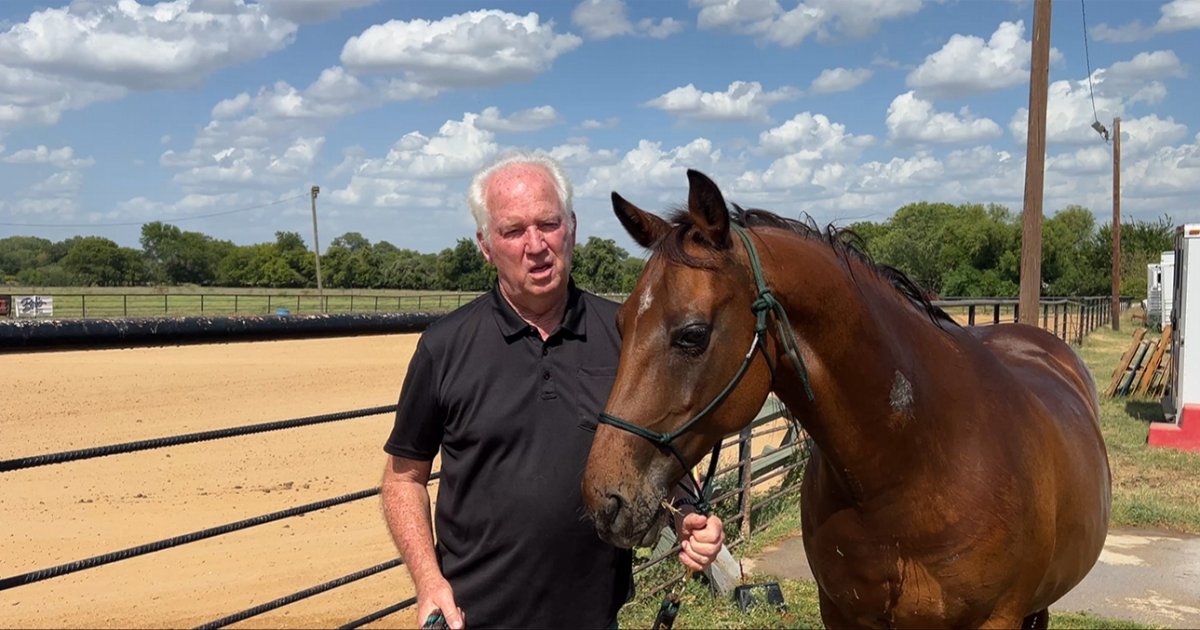
Per Bob Pruitt for InfoHorse.com: dust-free bedding protects respiratory health.
"No hoof, no horse"—clean dry bedding prevents thrush, white-line disease, and hoof softening.
Wet bedding has done its job—remove and dispose of it promptly.
Schedule full strip-and-disinfect weekly to monthly depending on use and material.
Clean stalls reduce flies and other insect populations dramatically.
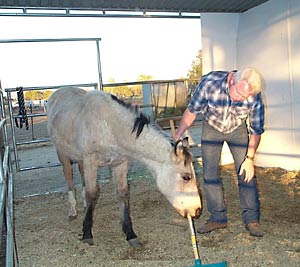
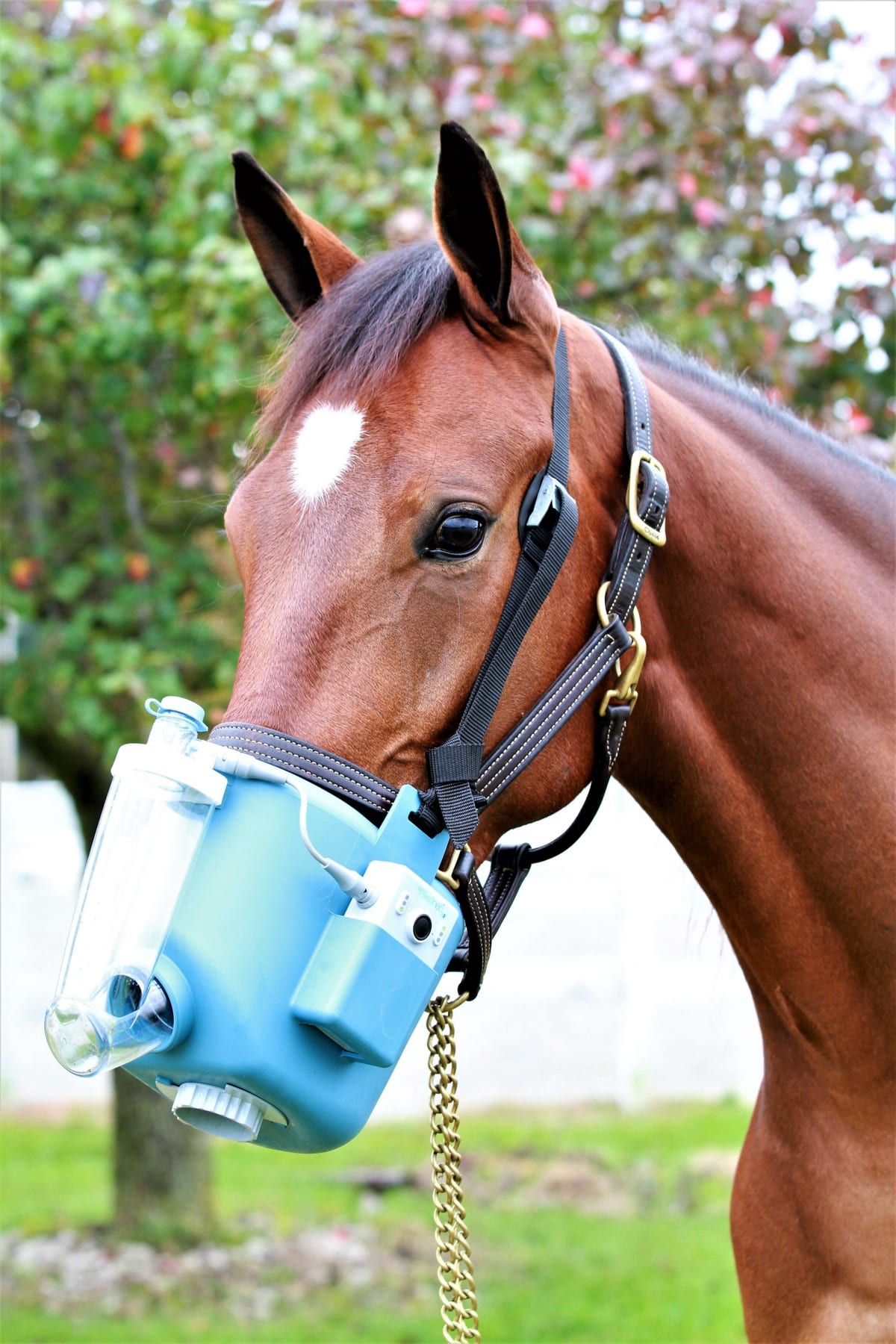
The purpose of the horse bedding is to provide some comfort to the horse and to absorb moisture, particularly from urine. We will need to provide stall bedding that is dust free for our horse’s respiratory health. We want our bedding to be easy to pick and remove the manure and wet bedding. Dusty bedding needs to be removed.
Horse bedding will absorb the wet spots so our horse’s hooves don’t. Remember the saying “ No hoof, no horse.” Clean bedding helps prevent issues like thrush, white line and softening of the hoof. Horse stall bedding also provides comfort for our horse and helps prevent sores developing from rubbing on the unprotected floor.
Once the bedding has become wet it has done its job and needs to be removed and disposed of. Eventually even though we do our best cleaning, there will be a time when the stall should be completely stripped of the bedding to ensure bacteria and the small pieces of organic material are removed. It might be best to put the stall-stripping job on a schedule of weekly to monthly. This schedule will vary depending on use, bedding material and general environment. Clean stalls will also reduce the number of insects especially flies. Our goal is a healthy, safe and comfortable environment for our horses.
Per Bob Pruitt: top-pick daily to remove manure and wet spots; full strip and clean weekly to monthly depending on bedding material, horse use, and ventilation. Cleaning prevents bacteria buildup and protects horse health.
Why does dust-free bedding matter so much?
Per Bob Pruitt: stalled horses breathe their bedding's dust 24/7. Dusty bedding triggers chronic respiratory issues like RAO/heaves. Pelleted bedding, hemp, dust-extracted shavings, or paper bedding all run very low on respirable dust.
What's the link between bedding and hoof health?
Per Bob Pruitt: "No hoof, no horse." Wet bedding lets ammonia attack the white line and frog. Quality bedding wicks moisture away, keeps hooves dry, and prevents thrush, white-line disease, and softened hoof horn.
Will clean stalls really reduce flies?
Per Bob Pruitt: dramatically. Flies breed in manure and damp bedding. Daily mucking and dry, well-ventilated stalls cut fly populations sharply—often more effective than chemical sprays.
Should I strip my stalls in winter?
Per Bob Pruitt: yes—on a slightly extended schedule. Cold weather slows ammonia smell but doesn't stop accumulation. Monthly full strip in winter, weekly in summer, is a workable rule for most barns.
📋
Recommended Products
Curated picks from across InfoHorse.com — most relevant first