

How to Help with Equine Arthritis Pain
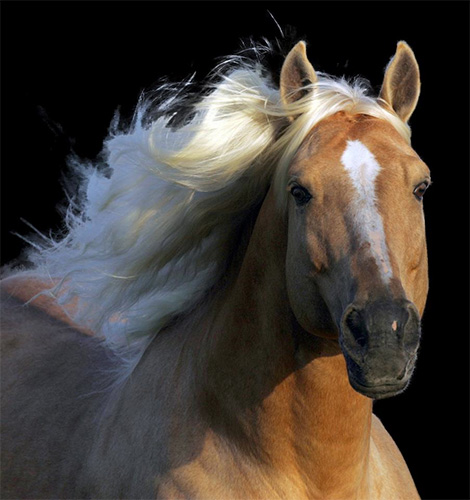
There is no cure for arthritis in horses, but effective lifestyle changes can reduce pain, improve function, and arrest further joint damage. The most important steps are slimming down an overweight horse, gentle daily exercise such as thirty minutes of steady walking, and supplementing with glucosamine and chondroitin sulfates—natural substances that stimulate formation and repair of joint cartilage—along with antioxidants like vitamins C and E and a generous dosage of omega-3. Gentle heat soothes sore joints under everyday conditions, while cold therapy takes over during painful flare-ups.
Anyone who's developed arthritis can tell you that it's a terrible affliction; not only are their joints disintegrating, but they hurt like the dickens while doing so. Article from OmegaFields
Arthritis is such a sneaky thing – little twinges of pain that tend to stick around, getting a little worse over time, until you realize one day that you're really hurting and have been so for a long time! You resign yourself to a painful future, and you know what's coming when cold, wet weather moves in, so you check your supply of Ben-Gay and get the heating pads ready.
Making matters worse, we're not alone in coping with this painful monster – our horses, like ourselves, are quite prone to arthritis, and they hurt just as much as we do.
We hope medical science will soon be able to control it, even cure it, both horse and human, but until then, because it's a chronic degenerative disease, the prognosis isn't good. Once it's in our joints, it's there for keeps, and if left untreated, it just gets worse. So we compensate: we medicate to mitigate the symptoms. We avoid activities that we know will hurt.
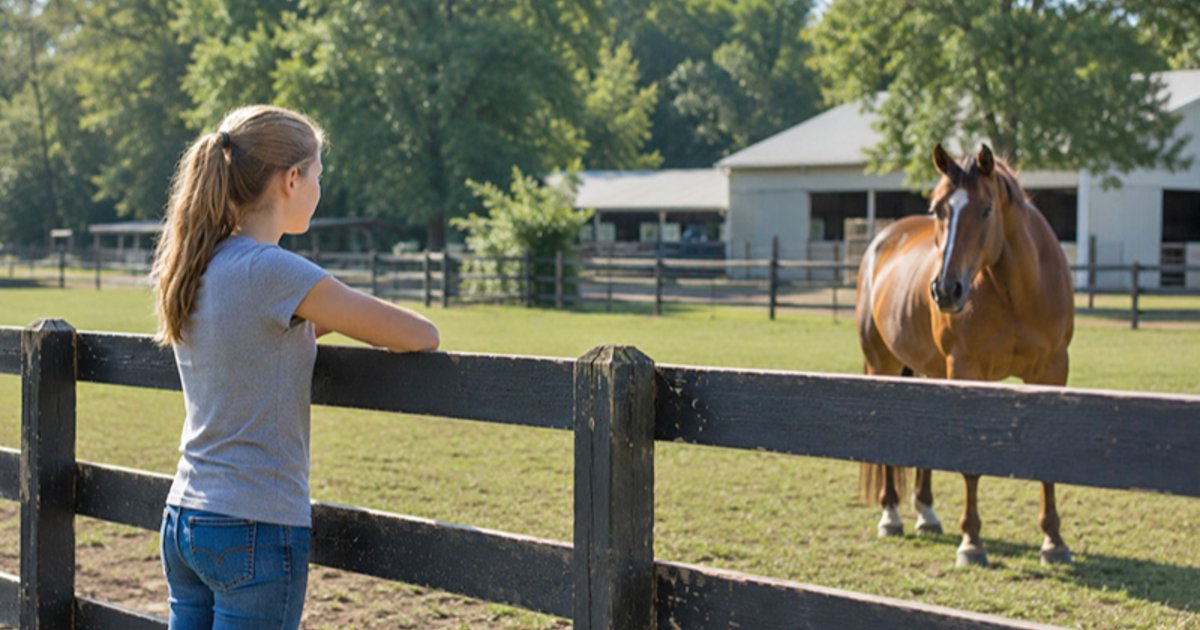
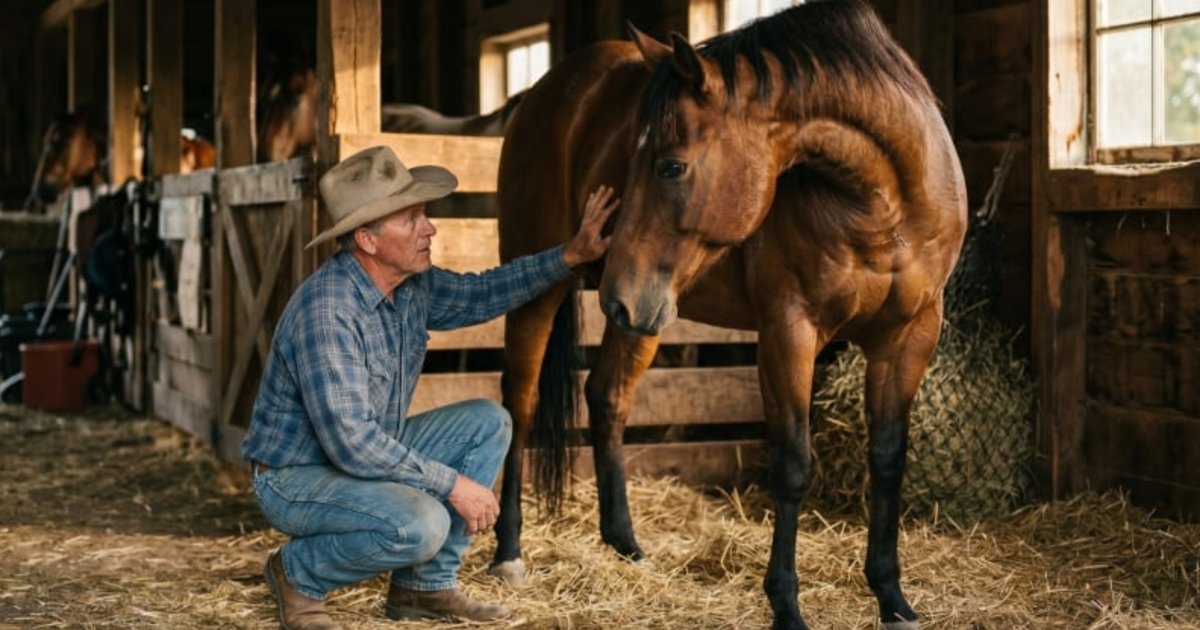
Lucky us, humans can do that. Horses not so much. They rely upon us to see and recognize their symptoms, then do something about it to ease their pain, just as we do our own. Problem is, sometimes we don't get the message when our horse hurts. But the clues are there -- we need to recognize what their body language is telling us.
Fortunately, most of us can spot a horse
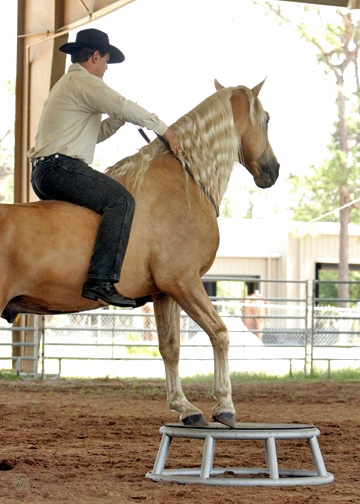
that’s in obvious pain, though we may not be able to pinpoint exactly where it's centered.
Here are some of the general symptoms that tell us that our horse is hurting: ' An obvious limp ' A listless, depressed attitude. ' Decreased appetite. ' Lies down more than usual ' Doesn't move around as much as usual, less interested in playing ' Separates himself from his herd-mates standing, eases the weight load on an involved leg by pointing a forefoot or flexing a hind foot to let the opposite leg take up the weight burden. ' When ridden, seems stiff, may refuse certain movements such as collection, jumps, certain turns and the like.
We get a break when examining specifically for arthritis: it is a disease that’s centered in the joints, which narrows down which areas we need to concentrate on. Here are some of the symptoms of arthritic pain: ' Joint swelling ' Warmth around a joint ' Reduced ability to move the joint ' Stiffness, especially in the morning ' Misshapen joint ' When picking his feet, you notice less dirt, hay, manure packed in When we do see the symptoms, we bring in the vet to do another evaluation, and if our suspicions are confirmed, our next thought is how do we get rid of the problem? Can’t we just take a pill?
Unfortunately, there is no silver bullet – not yet, anyway, though science is trying hard to develop one. As a chronic degenerative condition quite possibly stemming from an autoimmune problem, and at this point is incurable, we can't get rid of arthritis by any simple medication.
Fortunately, we can deal with it and make our horse's life immensely easier. There are effective lifestyle changes that can reduce pain, improve function, and arrest further joint damage. First, start a slimming down program if he's overweight. That alone will greatly help joint pain in his legs and feet.
Controlled movement will help relieve stiffness and reduce pain and fatigue. Gentle daily exercise is excellent therapy, particularly important because affected joints need plenty movement to prevent permanent restriction of motion. Thirty minutes per day of steady walking, if his lameness permits, is usually enough. It will help to pick up an affected leg frequently and flex or extend the joints a dozen times or so. Free-range turnout is an excellent lifestyle for all horses, but note that it does not replace actual therapy.
Though inconclusive, some positive results have been reported from supplementation with bioflavonoids, and especially glucosamine and chondroitin sulfates. These two natural substances are readily available for purchase; they stimulate formation and repair of joint cartilage. In addition, add antioxidants such as vitamins C and E, plus a generous dosage of omega-3.
Applying a liniment such as Absorbine is quite helpful. It creates a mild inflammation that increases blood flow and eases the pain. Bandaging is also helpful because it holds in heat, but it’s mostly effective only on the fetlock (ankle). Other joints are better served using Neoprene wraps, but be careful if you use Neoprene over liniment – some liniments are irritating under Neoprene, and it is important to avoid irritating the skin. Read the liniment label for warnings. Massage the dosed area for ten or fifteen minutes after applying liniment and before bandaging.
Those sore joints will very much appreciate heat. Gentle heat is the magic touch for the pain of arthritis under everyday conditions. But his arthritis may flare up occasionally, and become much more painful. When it happens, ease up on his walking therapy, and use cold therapy instead of heat. You can use a garden hose (no nozzle), for example, and hose down a particularly sore knee.
Temporary increases of antioxidants and glucosamine/chondroitin sulfate will bring some added relief. Please note that while bandaging will help control swelling, it also holds in heat, just the opposite of what you want during a flare -up, thus you may have to forego bandaging temporarily. Use discretion and never over-do.
During a flare-up, increase the dosage of bioflavonoids, vitamin E and especially vitamin C, and be sure glucosamine and chondroitin sulfates are dosed to full recommended levels, to help minimize further joint damage.
You can safely dose with Bute at flare-up time, but be careful. Only the worst cases require constant, repeated dosing, and that has some potentially serious side-effects. One is the suppression of an enzyme, resulting in the reduction of the stomach's protection against ulcers. If the situation calls for frequent dosing of Bute, you can also supplement him with a half to a full cup of lecithin each day. Lecithin effectively protects the stomach wall from damage, is tasteless, and is relatively inexpensive. There are other products to control ulcer pain; discuss them with your vet.
Once a flare-up has eased, phase out the cold therapy and get back to hand-walking for brief periods several times a day. Long-term, exercise is of paramount importance.
If you shoe your horse, squaring the toes makes breakover easier and smoother, thus easier on arthritic joints, but be sure to keep the feet at their natural angle so you don't complicate matters. Don't use caulks, trailers or grabs on the shoe, and use shoe padding to raise the heel angles slightly.
Finally, consider his nutrition. Ideally, his primary feed should be low-sugar roughage, such as a grass hay like timothy, selected for proper mineral balance and sugar content. As previously suggested, supplement it with Vitamins C and E because of their excellent anti-oxidant qualities, and with high omega-3 fatty acids such as Omega Fields’ product, HorseShine. Round it off with a cup of canola oil per day.
Don't expect a cure from these steps. There isn't one. But you can most assuredly make life easier for him.
Contact Us Omega Fields® P.O. Box 186 Newton, WI 53063 1-877-663-4203 8AM to 5PM CST Monday through Friday – Human Interaction! General E-Mail: [email protected] Web omegafields.com
Choosing a joint supplement?
Our neutral, vet-reviewed Best Joint Supplements for Horses buyer's guide compares the ingredient types, what the equine evidence actually shows, and how to read a label.