

Manure Management for Healthy Horse Pastures
Regular manure removal is one of the most influential parts of horse pasture care, affecting pasture health, parasite control, soil quality, and overall horse wellbeing. Because parasite eggs shed in manure contaminate grazing areas and re-infect horses, picking up manure—at least once or twice per week in smaller paddocks—breaks the parasite lifecycle and significantly reduces parasite burden without relying solely on chemical dewormers. Left in place, manure creates areas horses refuse to graze, leading to overgrazed sections, weed growth, and progressive soil compaction.
Proper manure management is one of the most overlooked yet most influential aspects of horse pasture care. It affects pasture health, parasite control, soil quality, and overall horse wellbeing in ways that many horse owners don't fully appreciate. Understanding the importance of regular manure management can transform the health of your pastures and the health of your horses.
Why Manure Management Matters
Manure accumulates quickly in horse paddocks and pastures. Without regular removal, concentrated waste areas develop where horses refuse to graze. This leads to overgrazed sections of pasture, weed growth in the ungrazed areas, and progressive soil compaction. Over time, the pasture becomes less productive and less nutritious for your horses.
The Link Between Manure and Pasture Health
Uneven Grazing – Without regular manure removal, distinct "roughs" and "lawns" form in your pasture. Horses will graze the preferred areas short while avoiding the areas where manure has accumulated. This uneven grazing pattern stresses pasture plants and reduces overall pasture productivity.
Soil Compaction – Concentrated manure areas experience repeated horse traffic, leading to soil compaction. Compacted soil limits water infiltration and root development, reducing the health and productivity of pasture plants.
Manure, Parasites, and Horse Wellbeing
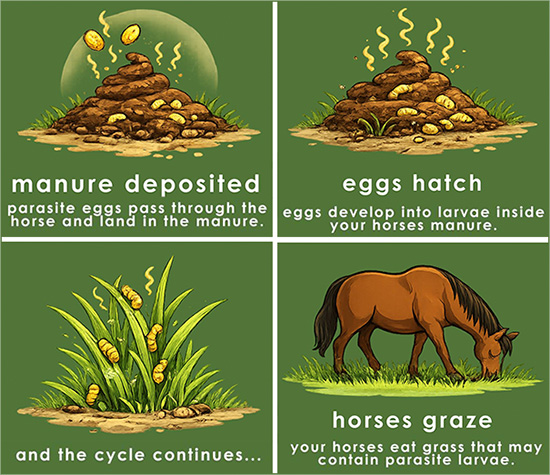
The parasite lifecycle in horses is intimately connected to manure. Parasite eggs shed in manure contaminate pastures, and horses grazing in these areas re-infect themselves. Regular manure removal breaks this lifecycle and significantly reduces parasite burden without relying solely on chemical dewormers.
Beyond parasites, accumulated manure attracts flies that can cause skin irritations, promotes bacterial growth that affects hoof health, and creates an unsanitary grazing environment. Horses grazing in clean paddocks experience fewer health challenges and lower stress levels.
Nutrient Balance
Horse manure doesn't break down evenly like cow manure. When manure accumulates in piles, nutrients become concentrated where the piles sit while the rest of the pasture becomes nutrient-depleted. Regular removal and distribution of manure helps maintain more even nutrient cycling across the entire pasture.
Best Practices for Effective Manure Management
Frequency – Pick up manure at least once or twice per week in smaller paddocks. Larger pastures with lower stocking densities may require less frequent management, but consistency is more important than frequency.
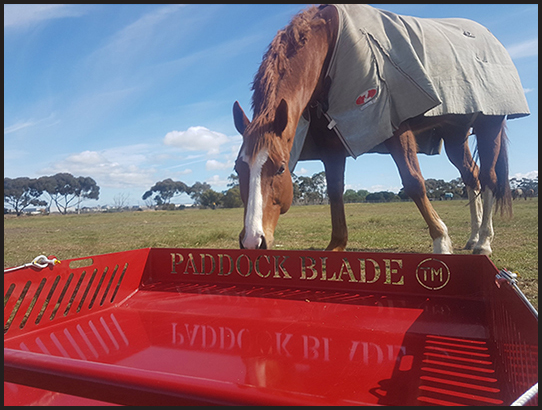
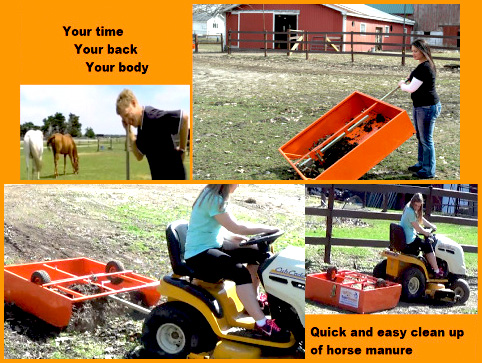
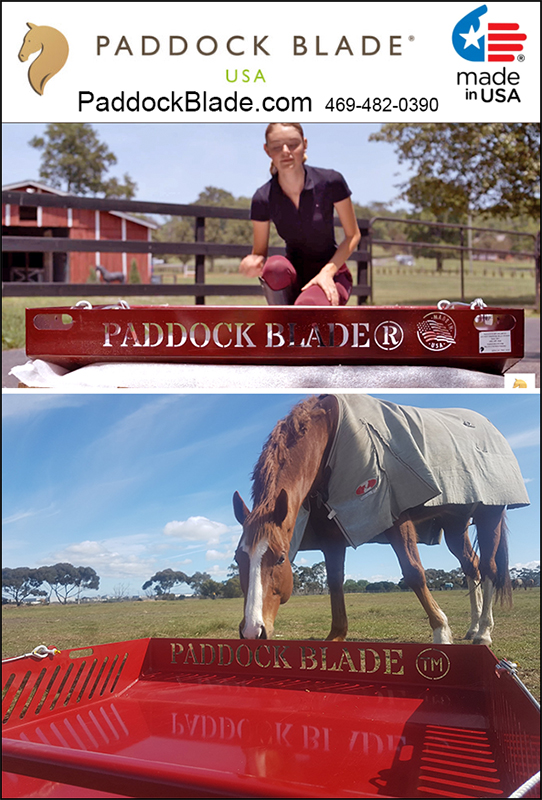
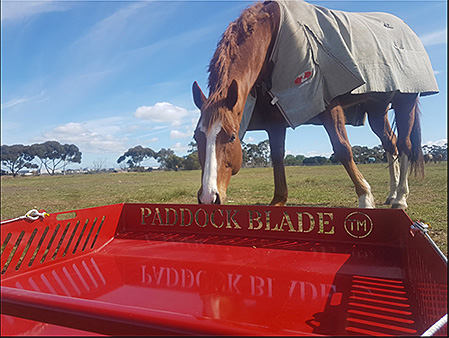
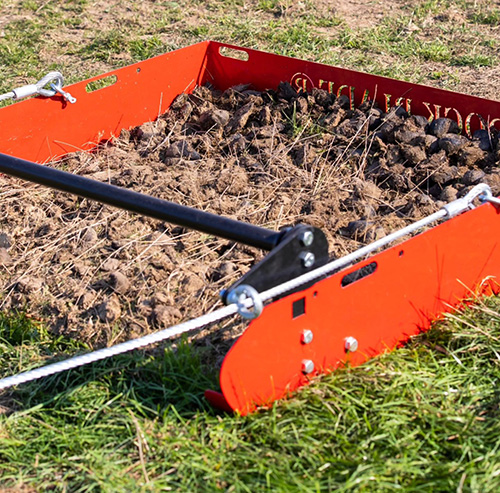
Match Method to Property – Different properties benefit from different manure management approaches. Options include manual collection, tow-behind tools like the Paddock Blade, or rotational grazing systems that allow manure to decompose naturally in paddocks that are not currently being grazed.
Seasonal Adjustments – During wet seasons, manure management may require more frequency to prevent mud and contamination. During dry seasons, less frequent management may be adequate.
Clean Pastures, Happier Horses
Horses grazing in clean paddocks move more naturally, experience lower stress levels, and face fewer health challenges. Clean pastures support better nutrition, reduce parasite exposure, and create a more pleasant environment for both horses and handlers. The investment in regular manure management pays dividends in horse health and pasture productivity.
The Paddock Blade Journey
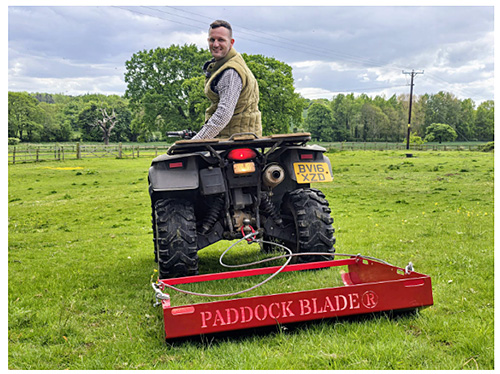
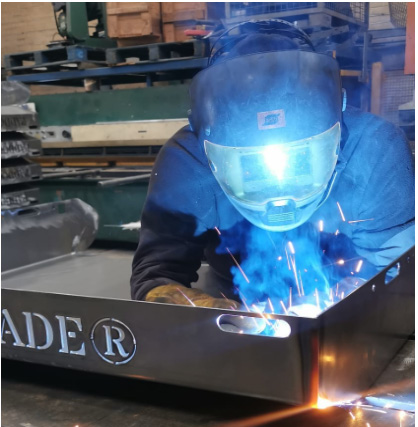
Paddock Blade was invented in a small farmyard workshop in Worcester, UK. The inventor recognized the need for a better tool to manage manure in horse paddocks and developed a simple, effective solution. Today, Paddock Blade manufactures in 4 countries and sells to more than 25 countries worldwide, helping horse owners maintain healthy, productive pastures.
Jake Fowler, Paddock Blade USA – For more information about the Paddock Blade manure collection system, contact Jake Fowler at 469-482-0390. Paddock Blade USA is dedicated to helping horse owners maintain the cleanest, healthiest pastures possible.