

Trail Riding Safety
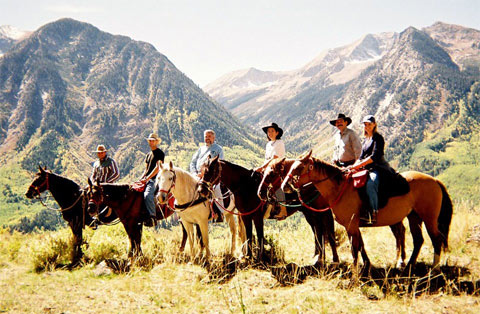
Mike Bergin
Safe trail riding comes down to preparation, well-maintained tack, and staying vigilant in the saddle. Carry a small emergency kit with water, a first aid kit, rain gear, an emergency blanket, a halter with rope, wire cutters, and a map or GPS, and check your bridle, reins, girth, and billet straps for dryness or cracking before every ride. Because girths often loosen once tack warms up and the horse fully exhales, check your girth about ten minutes into the ride and again at every rest stop.
We all know that horseback riding can be a dangerous recreation. Here is the mix. You have a large, powerful, sometimes unpredictable animal. You have weather that can go from mild to wild in just a few moments. You have dangers and distractions on the trail that can range from wild animals to downed trees, to unstable trail conditions. And finally, you have a set of riding gear that interacts with the horse and can cause problems. Wow! Throw all these factors together and a lot can happen on a trail ride. How do we minimize the risks inherent in trail riding? Let’s take a look. Be Prepared
In order to be ready for a wide variety of circumstances, it helps to have a saddle bag or pack with some emergency supplies. Keep this bag in your tack room or other handy location and make a habit of taking it with you on every trail ride. If selected wisely, this can be a relatively small and light weight package. For instance, outdoor recreation stores carry a thermal emergency blanket that folds up to the size of a small paperback!
Here is a basic list, but you’ll need to adjust it for your specific climate and riding circumstances. Water First aid kit Energy bars or trail mix Rain gear Emergency blanket Halter with rope Wire cutters and pocket knife Map or GPS unit Matches or lighter
Before you head out, make sure to check the weather forecast so you know what you are getting into. Have the right clothes for the conditions that will occur during the entire ride – dressing in layers helps with this.
Maintain and Check Your Gear Failure of your saddle or tack can easily cause an accident. Before each ride, check your bridle, reins, breastplate, girth/cinch, leathers/fenders, and billet straps/cinch ring for dryness, cracking, leather separation, etc. This can easily be done as you are putting the items on your horse. Clean and oil all leather tack items periodically to make sure that they remain strong and pliable.
Ride a Saddle that Fits Your Horse With saddles, one size does not fit all. Like shoes for people, the fit of a saddle is important for your horse to be comfortable. Because as we all know, if your horse isn’t happy, nobody is happy! A saddle that is too narrow, too wide, or too long for your horse can cause discomfort and soring. When you are on the trail, you want your horse’s full attention on the trail and on your instructions, not on how bad his or her back feels.
In addition, a saddle that does not fit properly is likely to slide around on your horse’s back. It does not matter how tight you try to girth the saddle, if the panels are not making even contact they cannot do their job of keeping the saddle in place. If you are not sure if your saddle fits, get the help of a trainer or saddle fit expert.
Check Your Girth During the Ride A loose girth can cause a saddle to slide back or from side to side. In a worst case situation, the saddle can slide completely off to the side, ejecting the rider. Even when a girth seems very secure when the saddle is first put on, there are many factors that can cause a girth to loosen up after you have started riding. If your saddle and tack were cold when you started your ride, it can relax as it heats up.
Many horses will hold extra air in their lungs when the saddle is first fitted. When they later fully exhale, the girth becomes loose. Many saddle pads (and some types of saddle panels) will compress during a ride. Finally, your saddle and girth can change position slightly as you ride. Make a habit of checking your girth ten minutes or so after starting your ride, and again any time you stop for a rest.
If the saddle does not feel secure, take the time to check your girth before it gets worse.
Be Aware of Your Surroundings It is great to enjoy the scenery and chat with your riding companions. But while you are doing this it is important to be aware of what is going on around you so that you are prepared for problems before they happen. Keep an eye on the weather, your horse’s mood, the interaction of other horses in your group, and any wildlife in the area.
Australian Saddles and Trail Safety I firmly believe that Australian style saddles are the very best for trail riding, and safety is one of the biggest reasons. First of all, the saddle is designed to keep you in your seat. The large kneepads at the front of an Aussie saddle are called poleys. These provide a brace for your thighs should your horse bolt, rear, or turn suddenly. Instead of falling back or sideways out of the saddle, your thighs wedge up against the poleys and allow you to regain control. To me, this is the single greatest feature of an Australian saddle.
Second, the girthing system of an Australian saddle is extremely secure. In addition to a billet strap on each side of the saddle, there is a sturdy overgirth that goes across the top of the saddle. The overgirth snugs the saddle down from the top while the billets secure the saddle from the bottom. If a billet strap should break, you still have the overgirth holding the saddle firmly in place.
Finally, if the worst happens and you do come off of your horse and get hung up in the stirrup there is some protection. The leathers on Australian saddles are hung from stirrup bars, similar to an English saddle. The leathers are designed to slide off of the stirrup bars if there is hard backwards pressure. It also a bonus that Australian saddles are very comfortable, allowing you to focus on your riding rather than your rear!
Conclusion Be prepared, stay vigilant during your ride, and take care of your equipment. If you do these things, trail riding becomes a far more enjoyable and less dangerous experience.