
Helping Horse Owners Make Informed Decisions
Beat Laminitis with Equine Podiatry Solutions! — Barrel Racing (Equine Podiatry Solutions LLC , founder Derrick Cooke, is well-acquainted with…)

Beat Laminitis with Equine Podiatry Solutions!

Equine Podiatry Solutions LLC , founder Derrick Cooke, is well-acquainted with the challenges

Watching your horse battle acute laminitis and need a farrier-developed solution?

Reviewed by Ann Pruitt, InfoHorse.com · Updated May 2026
Desmosphyrine by Equine Podiatry Solutions, the first of its kind acute laminitis treatment for horses
Beat Laminitis with Equine Podiatry Solutions!

Who Is Derrick Cooke and Equine Podiatry Solutions?

Equine Podiatry SolutionsLLC, founder Derrick Cooke, is well-acquainted with the challenges presented by acute laminitis. A farrier for more than 35 years, Derrick worked with a variety of disciplines, including cutting horses, reining horses, working cow horses, roping horses, sorting horses, and many others. Derrick studied biology and chemistry in college. He has been aggressively researching a solution to get ahead of acute laminitis by preventing damage in the acute phase since 2006. Equine Podiatry Solutions, LLC was established as an LLC in December of 2019 to develop innovative solutions to common problems of the domesticated horse.

What IS Laminitis?

Honestly, we hope you never have to find out! Having said that, Laminitis is currently the 2nd leading cause of death and the most expensive to recover from disease in horses. This is primarily because of flawed theory’s concerning the nature of the disease. In 1998 Dr. Pollitt discovered active matrix Metalloproteinase (MMP)that degrade the structures binding the lamina. MMP remain dormant until there is excessive free radical oxygen or peroxynitrite. Acute Laminitis is the perfect storm to activate the MMP.

Inflammation will always produce reactive oxygen species and the lack of blood flow will create a buildup up Peroxynitrite .Desmosphyrine, offered by Equine Podiatry SolutionsLLCis a a superoxide dismutase that takes advantage of the instability of free radical oxygen and peroxynitrite.

Desmosphyrine will turn both free radical oxygen and peroxynitrite to water before they build up enough to signal on the matrix Metalloproteinase. In effect Desmosphyrine tricks the MMP by creating a normal biochemical environment for the MMP!

Derrick Wanted a Cure— Not Something That Would Just “Manage” Laminitis!

Over the years, Derrick became more interested in the problem of acute laminitis and finding a possible solution. He read everything he could get his hands on and researched the biochemistry involved.“I wanted to solve the problem of laminitis in a manner that prevented damage in the Acute Phase, rather than managing it in the chronic phase.”Driven by the desire to provide long-term healing for horses suffering from acute laminitis- Derrick used his knowledge from his extensive college Chemistry courses to help create an actual solution to help prevent coffin bone rotation and put a Stop to Laminitis!

You Need To Apply Our Desmosphyrine In The Acute (onset!) Of a Laminitis Attack!

Our 3 day, 24 dose Desmosphyrine Treatment, should be on your shelf, because when Laminitis hits, you need to get it stopped almost immediately to prevent, permanent and irreversible results. It is in this phase that you will see your horse often rocking from front feet to back and hesitant to walk. It is in This Phase thatDesmosphyrine, offered by Equine Podiatry Solutions LLCtakes advantage of the instability of free radical oxygen and peroxynitrite to turn both free radical oxygen and peroxynitrite to water before they build up enough to signal on the matrix Metalloproteinase (which can cause rotation of the coffin bone).

In effect Desmosphyrine tricks the MM P by creating a normal biochemical environment for the MMP and helps restore your horse’s hoof back to normal.

What is the Difference between Acute and Chronic Laminitis?

**Acute Phaseis the onset of Laminitis. The Acute phase is a condition where developmental pathways have accumulated enough to trigger a response from the horses body. They range from ingesting to much sugar or things that turn into sugar to internal problems of the endocrine system. There is inflammation in the lamina and damage occurs during the Acute phase. The goal of treating Acute laminitis is to minimize or prevent damage.

***Chronic Laminitisis the condition the horse is left in after the damage has occurred. The goal of treating Chronic laminitis is to Repair damage.

This goal is remarkably difficult because the critical structures that suspend the bone column within the hoof capsule have been destroyed.

The critical components of the extra cellular matrix (ECM) have also been destroyed; therefore, the scaffolding for the tissue and signaling properties of the ECM must be repaired first. If the horse reaches the Chronic phase 95% of the time the horse ends up dead or useless.


How Long Does The Acute Stage Usually Last?

Acute stage of laminitis when carbohydrate overload was associated with the developmental stage is accepted to be 72 hours. When the developmental phase is associated with metabolic issues the Acute phase can last in excess of 4 weeks… the point is, you need ourDesmosphyrine KitImmediately… don’t wait!

But… How Do I Know If My Horse Is Experiencing an Acute Laminitis Attack?

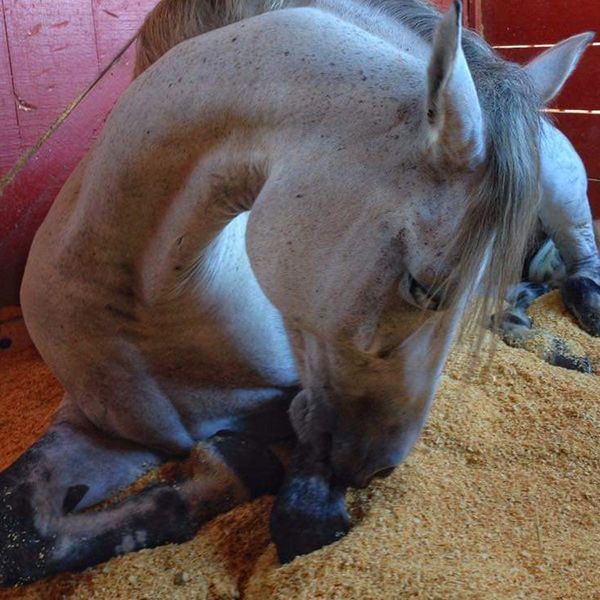
The late Dr. Kauffman of the University of Missouri said it best. If your horse is pinned down experiencing pain on both front feet and reluctant to move. It is likely in the Acute phase of Laminitis.

How Does The Desmosphyrine Work?

Desmosphyrine turns free radical oxygen to water; therefore the enzymes responsible for separating the structures holding the lamina together remain dormant, thus preventing the collapse of the laminae, and preventing the coffin bone from dangerous rotation

How Do I Apply The Desmosphyrine Treatment?

Our Desmosphyrine is applied topically after clipping 1 inch above the hairline. It is massaged in the clipped area for approximately 30 seconds and the excess is coated evenly over the hoof wall. These steps are repeated on all 4 hoofs every 12 hours for 3 days when toxicity was the trigger. When a metabolic disorder was the trigger only the front feet need to be treated with a loading dose of a full packet administered to each front foot on the first day. The subsequent days 1/2 the dosing is applied to each front foot every 12 hours for 10 days.

What Has Been The Success Record of Desmosphyrine?

The success rate of Desmosphyrine in clinical trials has been95% effectiveat preventing rotation. 1 foot on 1 horse suffered just under 1 degree of rotation following 1 bout with high Acth levels, subsequently contracting Salmonella and a second Acute attack of laminitis triggered by Colitis all within approximately 9 weeks… this would be far from the usual case with Laminitis.

Overnight Shipping Is Available, But It Is Smarter To Have Our Treatment ON Hand!

Overnight shipping is available, but relying on that service is highly discouraged. We have found Overnight shipping over major holidays or during storms or hurricanes is not available. During November and December it is not guaranteed because of the demand placed on carriers delivering gift items. It is far better to have this treatment ON Hand. If you have several horses, ponies, Morgans, insulin resistant or overweight horses, this is a Must Have product on hand!

Desmosphyrine 24 Dose Treatment— Only $600 To Stop Laminitis!

Anyone who has had experience with Laminitis, knows that it can drain your bank account and your heart. Our 3 day, 24 Dose Desmosphyrine Treatment ,is only $600— and, when applied and used as directed, has (thus far) a 95% success rate. It is the most affordable “miracle of hope”you could possibly buy for your horse! It should be applied topically on all 4 feet every 12 hours for 72 hours. The proprietary superoxide dismutase works to preserve the desmosomal bonds of the lamina from the oxidative stress catalyze by MMP-1, MMP-2, MMP-9, MMP-13, Adamts-4.

Desmosphyrine uses Superoxide Dismutase to protect the basement membrane from Reactive Oxygen Species and preserves the Desmosomal Bonds of the lamina when caught in time


Is It True That It Has a Shelf Life Of 3 years?

Yes, ourDesmosphyrine 24 Dose Treatment Kithas a shelf life of 3 years kept at moderate temperatures. This means that you can be prepared for as long as 3+ years to prevent the destruction of laminitis by putting a stop to it at the onset!!

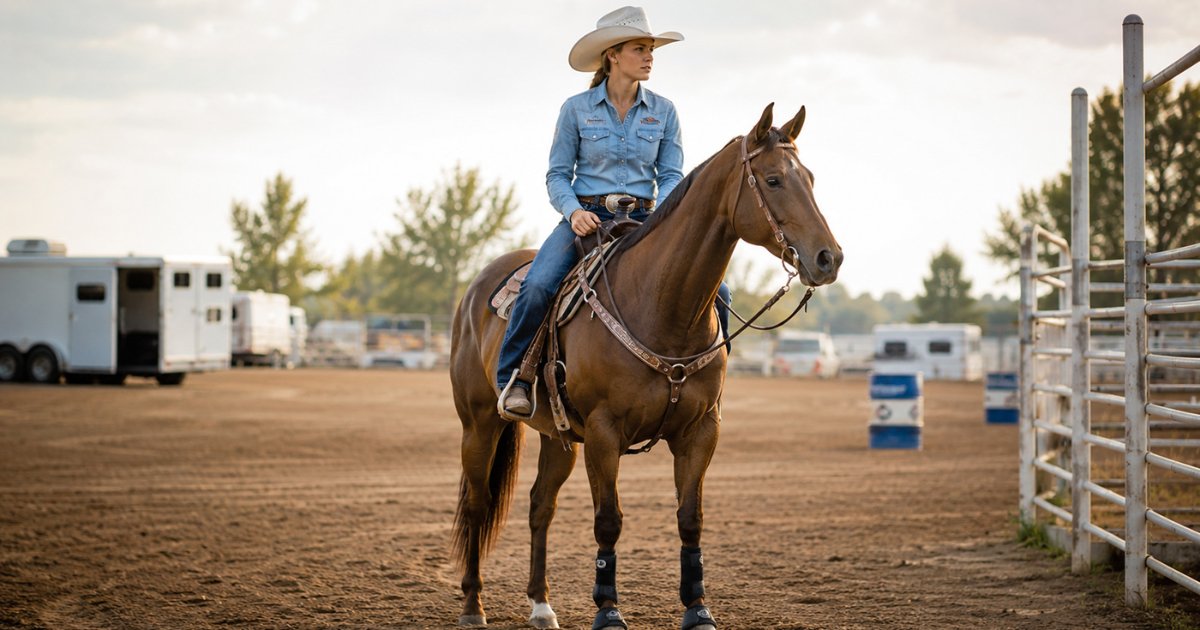
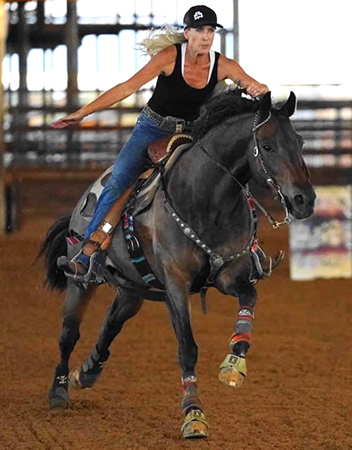
Hear About "Frosty, Prca Barrel Horse"— Saved by our Desmosphyrine 24 Dose

Treatment:

  • Frosty is a Prca barrel horse who got in the feed room on November 4, 2015.
  • Frosty was treated with Desmosphyrine on November 5, 6, and 7.
  • He was back under the saddle on December 28, 2015.
  • He ran in the Prca rodeo in San Angelo, Texas in February 2016, placing second.
  • In March 2016, Frosty ran in the Patriot and came in eighth by a thousandth of a second.

Finally, a Real Solution To The Laminitis Nightmare— Order Today!

Laminitis is one of the leading causes of death with horses. Sea Biscuit, Secretariat, Barbaro, Kip Deville, and numerous others have succumbed to the nightmare of Laminitis.

It took every bit of skill, knowledge, study and Chemistry knowledge — coupled with a pure refusal to give up, by farrier Derrick Cooke CJF— to come up with what others are calling a ‘miracle’ in the horse world. Invited to speak at national farrier clinics, Derrick travels throughout America teaching farriers and veterinarians about Desmosphyrine and the miracle it offers to horses at the onset of Laminitis. It will be the best $600 you will spend— the life you are preparing to save, could be that of your own horse.Desmosphyrine may be all the stands between Your horse and certain death.Call and order today.
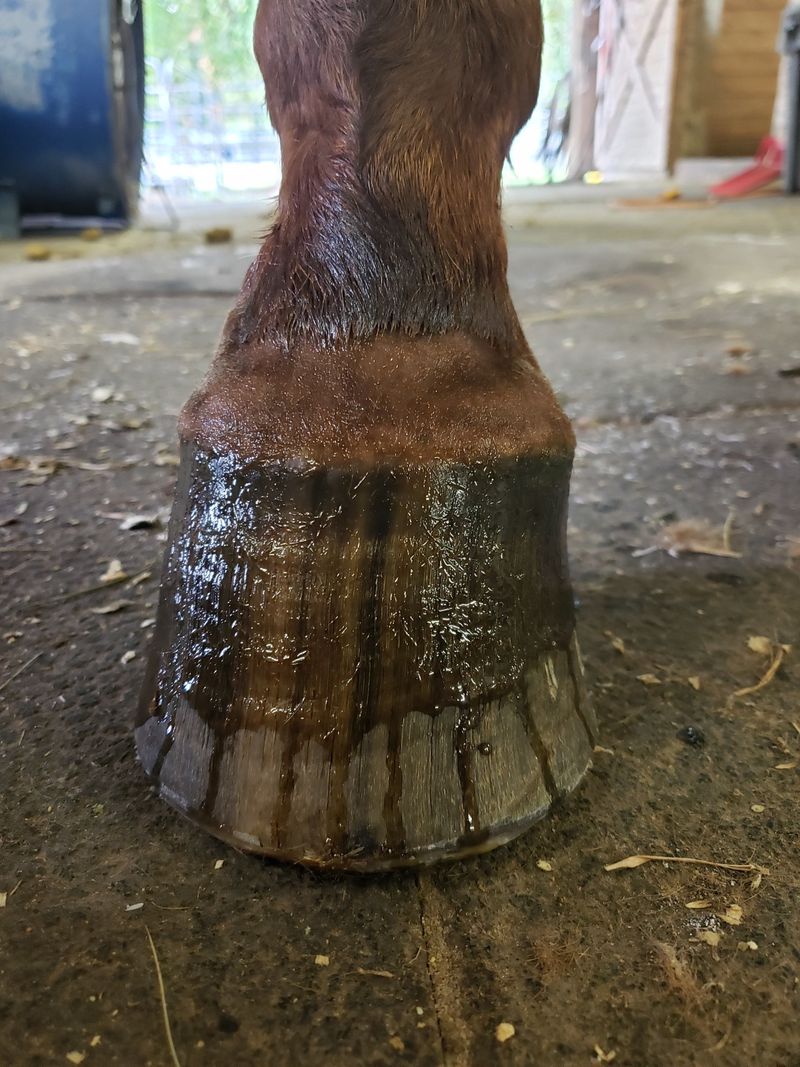
Desmosphyrine by Equine Podiatry Solutions, the first of its kind acute laminitis treatment for horses

What is Desmosphyrine and why does it matter?

Desmosphyrine is the flagship topical solution from Equine Podiatry Solutions, LLC, developed specifically to interrupt acute laminitis before it turns chronic. Rather than only managing pain and stabilizing the hoof after damage is done, it is formulated to address the underlying biochemical cascade inside the lamina. The company describes it as the first product of its kind aimed at the acute phase, the narrow window when a horse's outcome is still in the balance.

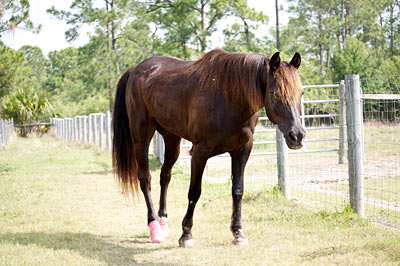
Frosty the PRCA barrel racing horse treated for acute laminitis by Equine Podiatry Solutions
Frosty the Prca barrel racing horse treated for acute laminitis by Equine Podiatry Solutions

Who created Equine Podiatry Solutions?

The company was founded in December 2019 by Derrick Cooke, CJF, a Certified Journeyman Farrier with more than 35 years under horses across cutting, reining, working cow horse, roping, and sorting disciplines. Cooke studied biology and chemistry in college and has spent over 15 years researching a way to get ahead of acute laminitis instead of treating it after the coffin bone has already moved. Equine Podiatry Solutions is a veteran-owned business built around education and science-based knowledge for the equine community.

Close-up of equine acute laminitis affected hoof addressed by Desmosphyrine

How does the science work inside the hoof?

According to the company, acute laminitis swelling involves oxidative stress and creates a hydraulic system within the foot. That oxidative stress activates matrix metalloproteinases (MMPs), the enzymes that digest the collagen and break the desmosomal bonds holding the lamina to the coffin bone. Desmosphyrine works through superoxide dismutase (SOD) mimetic and mitochondrial-superoxide chemistry, mimicking the body's own antioxidant defenses to blunt that oxidative damage at the source.

Don't let laminitis have the final word - Equine Podiatry Solutions Desmosphyrine treatment

How is Desmosphyrine applied?

Desmosphyrine is a topical treatment applied to all four feet every 12 hours for 72 hours. Because acute laminitis moves fast, Equine Podiatry Solutions urges owners to order it and keep it stocked in the barn before an episode happens, so it is on hand the moment signs appear. The general treatment window for halting acute progression is usually within the first 48 hours.

Which horses is this built for?

It is aimed at any horse showing early signs of acute laminitis, the inflamed, weakened, and damaged lamina that presents as lameness, elevated hoof temperature, a bounding digital pulse, difficulty standing, and reluctance to walk. The company's own case story is Frosty, a Prca barrel horse who got into the feed room on November 4, 2015, then went on to place second at the Prca rodeo in San Angelo, Texas in February 2016 and eighth at the Patriot in March 2016. The product is positioned for performance and pleasure owners alike who want to act in the acute phase rather than manage chronic founder for years.

How do you order and learn more?

Desmosphyrine can be ordered directly through the Equine Podiatry Solutions website at beatlaminitis.com, which also hosts the company's science explainers, laminitis guide, FAQs, and peer-reviewed research links. Equine Podiatry Solutions notes that this product has not been evaluated by the FDA. Owners are encouraged to read the educational material, consult their veterinarian, and keep the product on hand before an emergency strikes.
Share This Solution
The Solution Section (FAQ)
Who is Derrick Cooke and Equine Podiatry Solutions?

Per Equine Podiatry Solutions, LLC: founder Derrick Cooke is a farrier with more than 35 years of experience working with cutting horses, reining horses, working cow horses, roping horses, sorting horses, and many others. Derrick studied biology and chemistry in college.

Per the company: Derrick has been aggressively researching a solution to get ahead of acute laminitis by preventing damage in the acute phase since 2006. Equine Podiatry Solutions, LLC was established in December 2019.

What is laminitis — and why is it so dangerous?

Per Equine Podiatry Solutions: laminitis is currently the second leading cause of death and the most expensive to recover from disease in horses.

Per the company: in 1998 Dr. Pollitt discovered active matrix Metalloproteinase (MMP) that degrade the structures binding the lamina. MMP remain dormant until there is excessive free radical oxygen or peroxynitrite. Acute laminitis is the perfect storm to activate MMP — inflammation produces reactive oxygen species, and lack of blood flow creates a buildup of peroxynitrite.

What's Desmosphyrine — and how does it work?

Per Equine Podiatry Solutions: Desmosphyrine is a superoxide dismutase that takes advantage of the instability of free radical oxygen and peroxynitrite.

Per the company: Desmosphyrine turns both free radical oxygen and peroxynitrite to water before they build up enough to signal on the matrix Metalloproteinase. "In effect Desmosphyrine tricks the MMP by creating a normal biochemical environment for the MMP" — preventing the collapse of the laminae and the dangerous rotation of the coffin bone.

What's the difference between Acute and Chronic Laminitis?

Per Equine Podiatry Solutions:

Acute Phase: the onset of laminitis. Developmental pathways have accumulated enough to trigger a body response. Triggers range from ingesting too much sugar (or things that turn into sugar) to internal endocrine problems. Inflammation occurs in the lamina, and damage occurs during this phase. Goal: minimize or prevent damage.

Chronic Phase: the condition the horse is left in after damage has occurred. Goal: repair damage. Per the company, this is "remarkably difficult because the critical structures that suspend the bone column within the hoof capsule have been destroyed." Per Equine Podiatry Solutions: if the horse reaches the chronic phase, 95% of the time the horse ends up dead or useless.

How do I know if my horse is having an acute attack — and how long does the acute stage last?

Per Equine Podiatry Solutions, citing the late Dr. Kauffman of the University of Missouri: "If your horse is pinned down experiencing pain on both front feet and reluctant to move — it is likely in the Acute phase of Laminitis."

Duration of acute stage:

  • Carbohydrate-overload trigger: ~72 hours
  • Metabolic-issue trigger: can last in excess of 4 weeks

Per the company: the point is — you need the Desmosphyrine kit immediately at the first sign.

How do I apply the Desmosphyrine treatment?

Per Equine Podiatry Solutions: applied topically after clipping 1 inch above the hairline. Massaged into the clipped area for approximately 30 seconds; excess coated evenly over the hoof wall.

Toxicity-trigger protocol: all 4 hoofs every 12 hours for 3 days.

Metabolic-disorder-trigger protocol: only the front feet — full packet loading dose to each front foot day one, then 1/2 dosing to each front foot every 12 hours for 10 days.

What's the success record — and the Frosty story?

Per Equine Podiatry Solutions: success rate of Desmosphyrine in clinical trials has been 95% effective at preventing rotation. Per the company: "1 foot on 1 horse suffered just under 1 degree of rotation following 1 bout with high ACTH levels, subsequently contracting Salmonella and a second Acute attack of laminitis triggered by Colitis all within approximately 9 weeks."

Frosty's story (PRCA Barrel Horse):

  • Got into the feed room November 4, 2015
  • Treated with Desmosphyrine November 5, 6, and 7
  • Back under the saddle December 28, 2015
  • Ran in PRCA rodeo San Angelo, Texas, February 2016 — placed second
  • March 2016 ran in the Patriot — came in eighth by a thousandth of a second
How do I order — and what's the price?

Per Equine Podiatry Solutions:

  • Desmosphyrine 24 Dose Treatment Kit: $600
  • Shelf life: 3 years at moderate temperatures
  • Overnight shipping available but discouraged — not always available during major holidays, storms, hurricanes, or November/December high-demand periods
  • Better to keep on hand if you have multiple horses, ponies, Morgans, insulin-resistant or overweight horses

Contact: Derrick Cooke, 105 Burkhalter Road, Claxton, Georgia 30417. Phone: 817-771-8779. Email: [email protected]. Pricing as quoted is subject to change due to economic factors — confirm current pricing with Equine Podiatry Solutions directly when ordering.

What is Desmosphyrine?
Desmosphyrine is a topical equine product from Equine Podiatry Solutions, LLC, formulated to treat acute laminitis in horses. The company describes it as the first of its kind, designed to interrupt the disease in its acute phase rather than only managing the chronic aftermath. It targets the oxidative-stress chemistry that breaks down the lamina holding the hoof to the coffin bone.
Who is Derrick Cooke and what are his credentials?
Derrick Cooke, CJF, is the founder of Equine Podiatry Solutions, LLC and a Certified Journeyman Farrier with more than 35 years of experience. He studied biology and chemistry in college and has worked across cutting, reining, working cow horse, roping, and sorting disciplines. He is also an American Farrier's Association certification tester who has lectured at clinics internationally.
When was Equine Podiatry Solutions founded?
Equine Podiatry Solutions, LLC was established in December 2019. It is a veteran-owned business dedicated to providing education and science-based knowledge to help the equine community understand and act on acute laminitis. Founder Derrick Cooke had been researching a solution since 2006.
How is Desmosphyrine applied to a horse?
Desmosphyrine is applied topically to all four feet every 12 hours for 72 hours. Because acute laminitis can progress within hours, Equine Podiatry Solutions recommends keeping the product stocked in the barn before an episode occurs so it is ready the moment signs appear. Always follow the product's directions and your veterinarian's guidance.
How does Desmosphyrine work?
The company explains that swelling in acute laminitis involves oxidative stress and creates a hydraulic system inside the hoof. That oxidative stress activates matrix metalloproteinases (MMPs), which digest the collagen and break the desmosomal bonds in the lamina. Desmosphyrine uses superoxide dismutase (SOD) mimetic and mitochondrial-superoxide chemistry to mimic the body's antioxidant defenses and reduce that damage.
What is the difference between acute and chronic laminitis?
In acute laminitis, the tissue connecting the hoof to the coffin bone becomes inflamed, weakened, and damaged, showing as lameness, elevated hoof temperature, a bounding digital pulse, difficulty standing, and reluctance to walk. Chronic laminitis develops when the acute phase goes untreated, leading to coffin bone displacement, worsening lameness, weight loss, abscesses, and potential bone penetration through the sole. Desmosphyrine is aimed at the acute phase to keep it from becoming chronic.
How quickly do I need to act when a horse shows laminitis signs?
Speed is critical. Equine Podiatry Solutions notes that quick treatment, usually within the first 48 hours, is essential to prevent acute laminitis from progressing to the chronic, often permanent form. This is precisely why the company urges owners to order Desmosphyrine and keep it on hand before an emergency, rather than scrambling for it after symptoms appear.
What are the early warning signs of acute laminitis?
Watch for pronounced or even slight lameness, a rising hoof temperature, an elevated or bounding digital pulse, difficulty standing, and an unwillingness to walk. A horse may also rock back onto its heels to take weight off the painful toes. Because these signs mark the narrow acute window, treating immediately gives the best chance of avoiding chronic founder.
What causes laminitis at the tissue level?
According to the company, oxidative stress combined with inflammation has devastating effects on the lamina. The oxidative stress activates matrix metalloproteinases (MMPs), enzymes that digest the collagen and laminin binding the hoof wall to the coffin bone. As those desmosomal bonds break down, the structural connection fails, which is what allows the coffin bone to rotate or sink.
Who is the Frosty case study?
Frosty is a PRCA barrel racing horse who got into the feed room on November 4, 2015, a classic grain-overload laminitis trigger. After treatment, Frosty went on to place second at the PRCA rodeo in San Angelo, Texas in February 2016 and finished eighth at the Patriot competition in March 2016. The company shares Frosty's story as a real-world example of a performance horse returning to competition.
Is Desmosphyrine a substitute for veterinary or farrier care?
Equine Podiatry Solutions emphasizes education and science alongside its product, and conventional laminitis care such as rest, pain management, diet control, cold therapy, hoof support, and farrier work remains important. The company's point is that those approaches manage symptoms but do not treat the underlying oxidative-stress cause, which is what Desmosphyrine targets. Owners should always involve their veterinarian when a horse is foundering.
Has Desmosphyrine been evaluated by the FDA?
Equine Podiatry Solutions states on its website that this product has not been evaluated by the FDA. Owners should read the company's educational materials, consult their veterinarian, and use the product according to its directions. The science behind the approach is documented in peer-reviewed research and a patent application referenced on the company's site.
Is there patent or research backing for the approach?
Yes. The company references a U.S. patent application (TH Ref. 410803-1010) and links peer-reviewed laminitis studies on its science page, including the founder's own published work on mitochondrial superoxide mimetics. Derrick Cooke's background in biology and chemistry informs the biochemical rationale behind targeting oxidative stress in the acute phase.
What disciplines does Equine Podiatry Solutions serve?
Founder Derrick Cooke has worked with cutting horses, reining horses, working cow horses, roping horses, and sorting horses over his 35-plus year farrier career. Because laminitis can strike any horse regardless of job, the product is relevant to performance horses, including barrel racers, as well as pleasure and pasture horses. Frosty, the featured case study, is a PRCA barrel horse.
Why keep Desmosphyrine stocked before a laminitis episode?
Acute laminitis can develop rapidly after triggers like grain overload, illness, or metabolic stress, and the effective treatment window is short, often within 48 hours. The company specifically recommends ordering Desmosphyrine ahead of time and keeping it in the barn so the every-12-hours-for-72-hours protocol can begin at the first sign. Having it on hand removes the dangerous delay of trying to source it mid-crisis.
How do I order Desmosphyrine or contact the company?
Desmosphyrine can be ordered directly through the Equine Podiatry Solutions website at beatlaminitis.com, which also includes a contact form to reach the company. The site hosts the product details, the science explainer, a guide to laminitis, FAQs, and research links. The company also maintains a presence on Facebook and YouTube for education and updates.
What makes Equine Podiatry Solutions different from other laminitis products?
Most laminitis interventions focus on stabilizing the hoof and managing pain after the lamina is already failing. Equine Podiatry Solutions positions Desmosphyrine as a first-of-its-kind topical that goes after the root oxidative-stress mechanism during the acute phase, aiming to prevent acute laminitis from becoming chronic. That prevention-in-the-acute-window philosophy, backed by founder Derrick Cooke's 15-plus years of research, is the company's core differentiator.

Contact Beat Laminitis with Equine Podiatry Solutions!

Call Website Email
Ann Pruitt
Contact Ann Pruitt
InfoHorse.com