

A hunter/jumper safety kit is not a shopping list for anxious parents; it is the quiet routine that helps a rider think clearly. The best gear will not replace lessons, correct pace, or a sensible horse, but it can reduce avoidable risk and make a young rider feel more prepared. Helmet, boots, gloves, stirrups, vest, and show-ring routine all belong in the same conversation.
Riders and parents often focus on the most visible item. In the hunter/jumper world, the better question is how the whole kit behaves when the rider is nervous, warm-up is crowded, rain changes the footing, or a pony has an opinion at the in-gate.
The Bridleway rule: Safety gear should be current, correctly fitted, easy to check, and boring enough that the rider can focus on rhythm, track, and the next fence.
Helmet fit is the non-negotiable
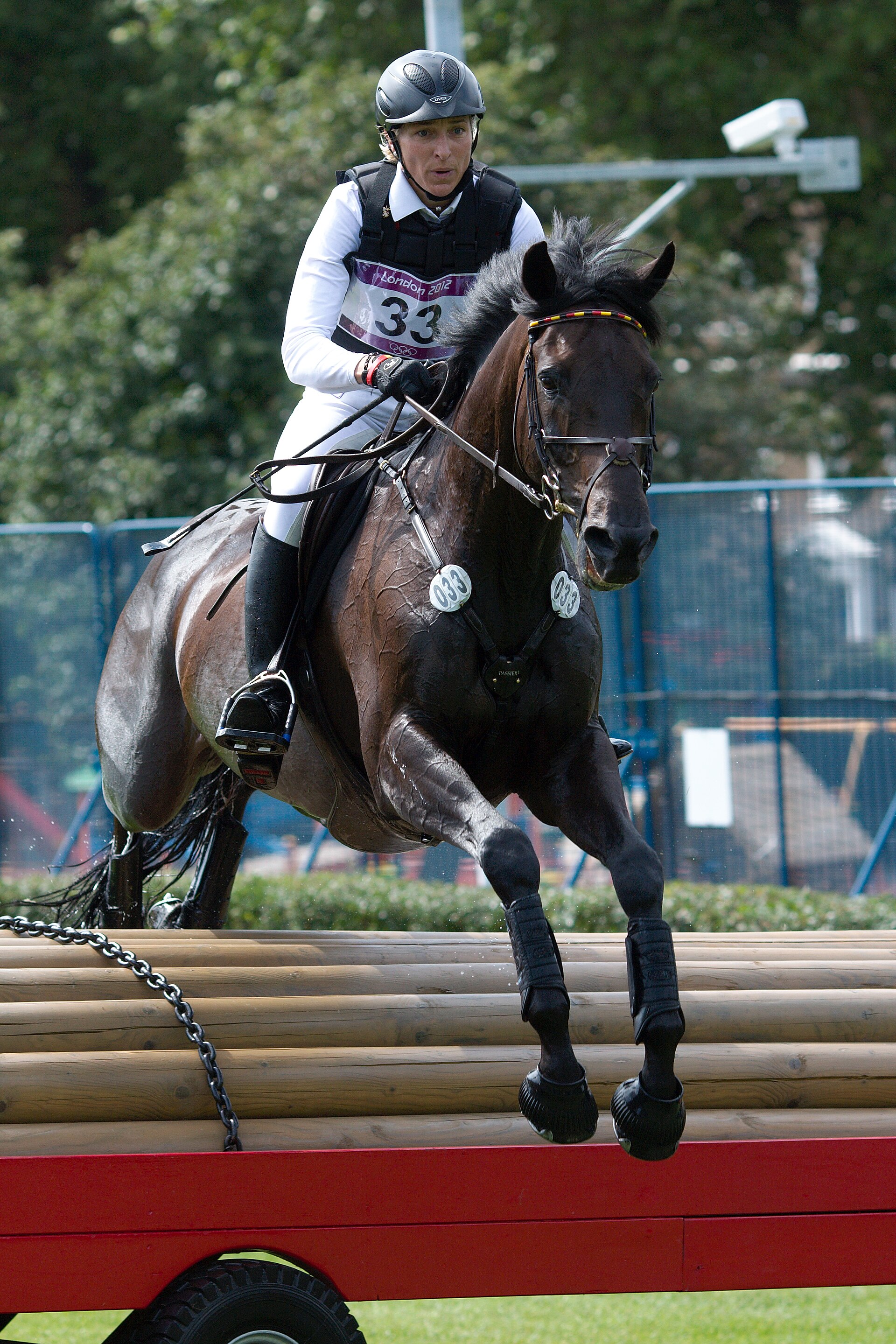
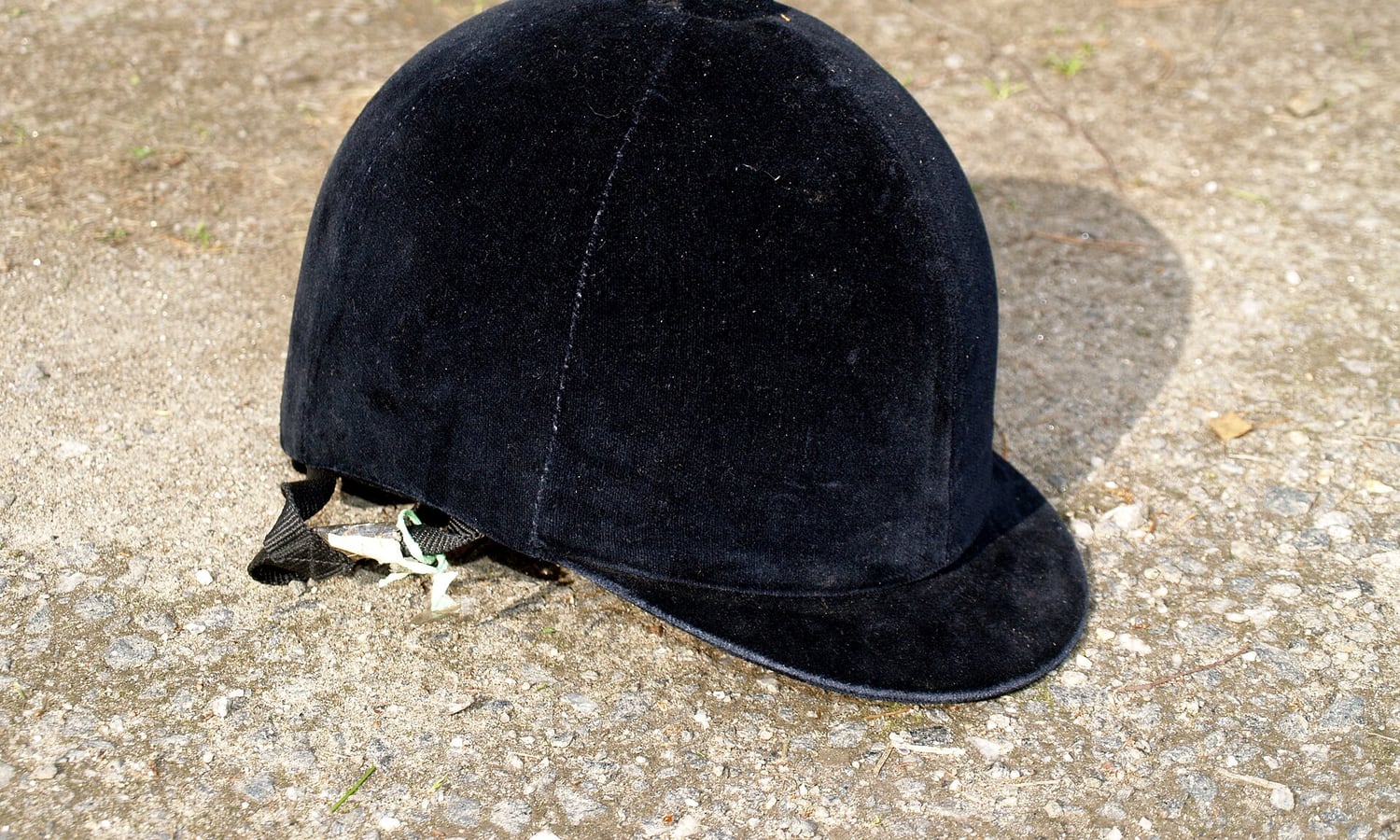
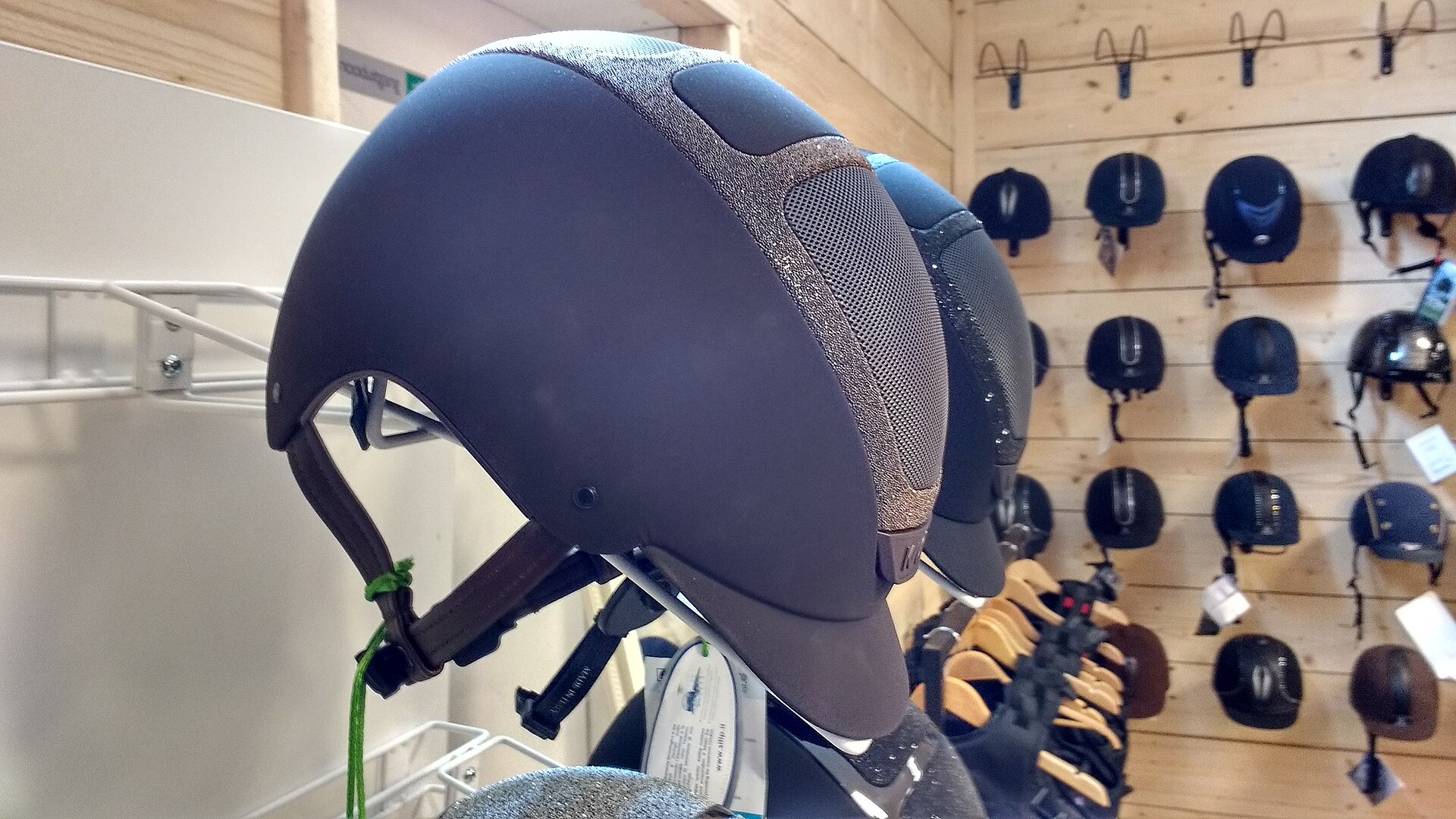
A helmet should meet the current standard required by the rider's organization or show rules, fit snugly without pressure points, sit level, and stay secure when the rider moves. Hair style matters because a helmet fitted over one bun or ponytail setup may not fit the same way on show day.
Replace timelines, impact history, and certification labels deserve real attention. A helmet that took a fall, has visible damage, or no longer fits correctly should not be treated as a hand-me-down victory.
Current rules matter.
Helmet and body-protector requirements can vary by organization and division. Check the current rulebook and show information instead of relying on barn memory.
Boots, gloves, and stirrups shape the rider's base
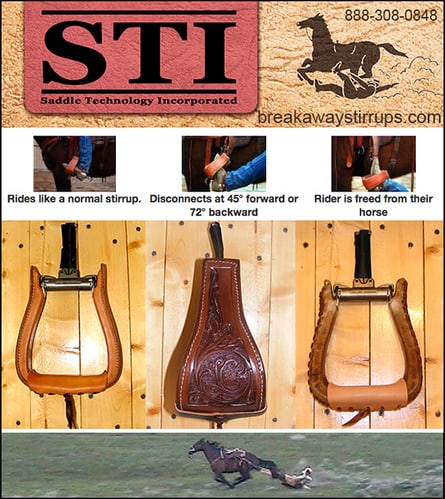
Footwear should give the rider a stable lower leg and a heel that cannot slip through the stirrup. Gloves should let the rider hold reins without gripping harder than necessary. Stirrup choice should be discussed with a trainer, especially when safety-release designs, wide treads, or youth sizing enter the picture.
None of these choices should encourage a locked leg or braced hand. Safety gear works best when it supports correct position, not when it disguises tension.
Security
A rider feels organized, can shorten or lengthen reins calmly, and keeps the heel down without jamming the leg.
Grip panic
A rider relies on sticky gear while the body stiffens, the hand tightens, and the rhythm disappears.
Body protectors and vests need discipline context
Some riders use protective vests for schooling, jumping, cross-training, or after a confidence hit. Eventing has its own requirements and culture around body protection. Hunter/jumper riders should talk with their trainer about what is appropriate for the level, horse, and rider.
The vest has to fit well enough to ride in. A too-long, too-bulky, or poorly adjusted vest can interfere with position and comfort, especially for teens whose bodies are changing quickly.
| Item | Before the ride | After the ride |
|---|---|---|
| Helmet | Level, snug, certified for the rules, chin strap adjusted. | Check for impact, damage, loosened harness, or fit changes. |
| Boots | Heel, smooth sole, no broken zipper, correct spur plan if used. | Look for rubs, mud, loose stitching, or slippery soles. |
| Gloves | Rein feel without extra gripping. | Dry and clean enough for the next ride. |
| Stirrups | Correct size, even leathers, safe tread, trainer-approved design. | Inspect pads, hinges, and leather holes. |
Show nerves are part of the kit.
A rider who knows where every item is, how it fits, and what to check has more brain left for the course. Organization is not fussy; it is athletic preparation.
What riders are asking before they buy, show, or change the routine
The useful question is often more ordinary than the polished product copy. Riders and parents want to know what will help the horse feel better, what will keep the rider safer, what is worth paying for, and what can wait. The better buying habit is to translate each worry into a check you can repeat at the barn.
Keep these questions open
- What safety gear does a hunter/jumper rider need first?
- How should an equestrian helmet fit?
- Should a hunter/jumper rider wear a body protector?
- Are safety stirrups necessary?
The parent-friendly warm-up check
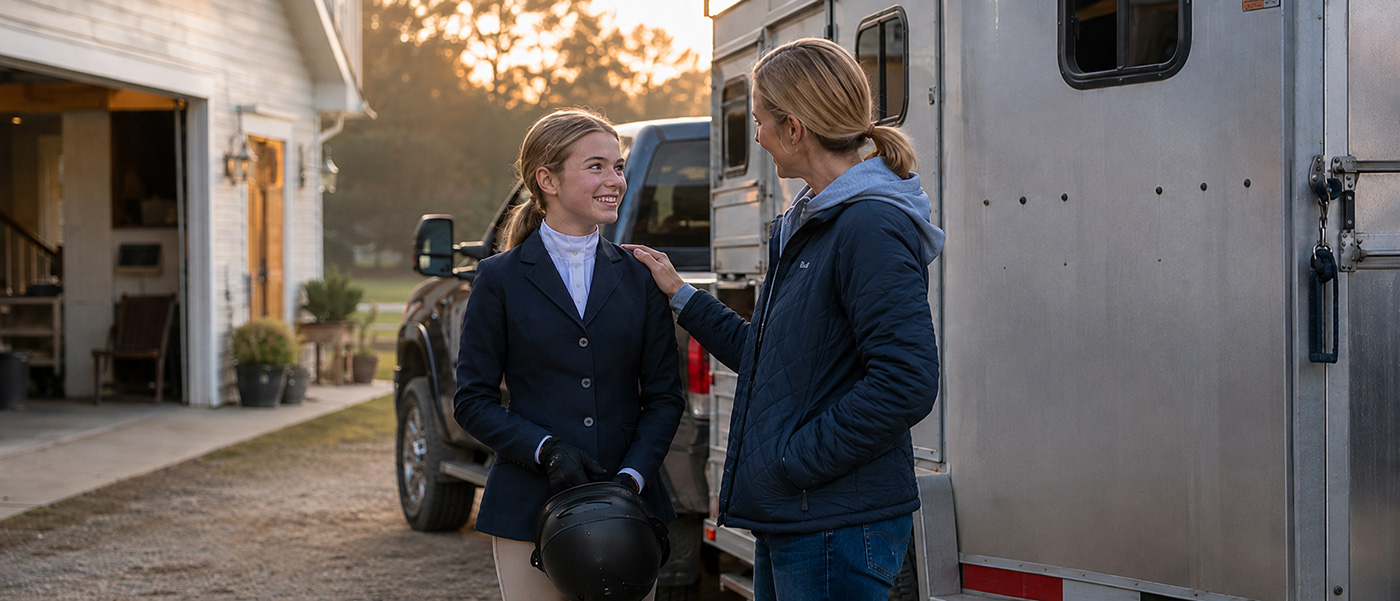
Parents do not need to become trainers to be helpful. They can check helmet placement, boot zippers, glove pair, water bottle, number, crop rules, and whether the rider has eaten. Then they can step back and let the trainer manage the riding.
That rhythm is especially useful for younger riders. The adults create order around the ring so the rider can learn responsibility without feeling alone.
What confidence looks like
The rider knows the kit, the trainer knows the plan, the parent knows the boundaries, and the horse gets a rider who is organized rather than frantic.
What to ask the professional before you spend more money
A polished English-riding decision still benefits from a second set of expert eyes. Before buying the upgraded version, changing equipment, adding a new product, or blaming the horse, bring a clean question to the trainer, veterinarian, fitter, farrier, barn manager, or product specialist.
| Ask | Why it helps |
|---|---|
| What problem are we solving first? | It separates comfort, safety, training, rule, and presentation questions. |
| What evidence would change the plan? | It keeps the decision from becoming brand loyalty or barn rumor. |
| How will we know this worked? | It turns the purchase or routine into an observable horse-care test. |
How to use this guide this week
Pick one checkpoint from this guide and use it before or after three rides this week. Write down what you saw, what the horse felt like, and whether the answer changed after a lesson, a harder school, or a show-day simulation. Good horsepeople do not need perfect guesses. They need repeatable observations.
Simple record: Keep a tiny note in your phone: date, horse, work, what changed, and what you will ask your trainer or professional next. Patterns are where ordinary barn notes become useful horsemanship.
Research note: This Bridleway guide was shaped from USEF Rulebook, Practical Horseman, r/Equestrian reader discussions. Forum and Reddit discussions were used only to understand common rider questions, not as veterinary, legal, or rule authority.