

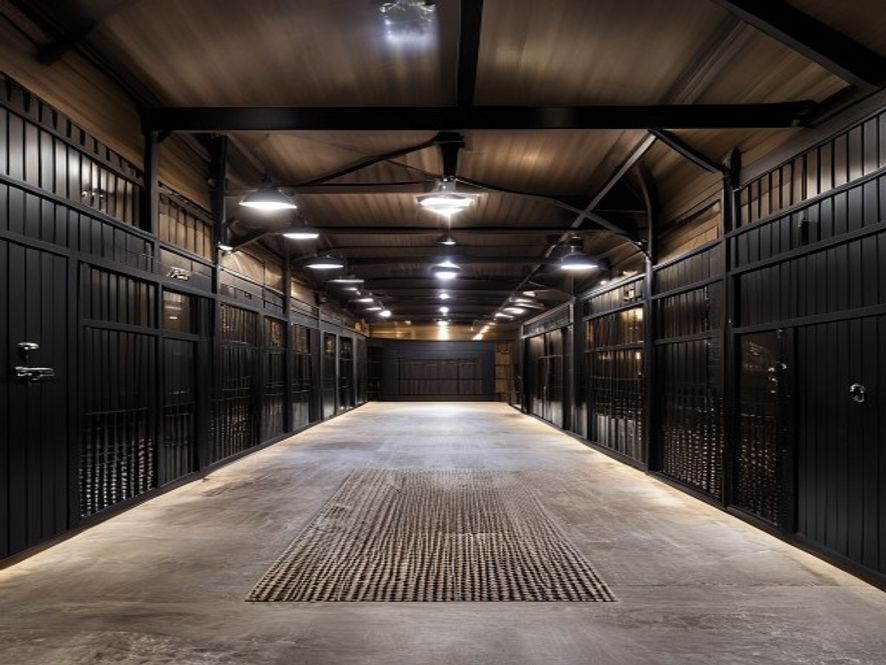
Serious riders notice whether the barn works before they notice whether it photographs well. A beautiful barn can impress in a hero image, but riders and horse owners read the smaller signs quickly: air, footing, aisle safety, stall condition, wash-bay drainage, tack-room order, turnout, and whether horses look relaxed in the routine.
The English market values polish, but real polish is operational. It is the sense that every surface, product, and service provider has been chosen to support sound horses, prepared riders, and quiet daily care.
The Bridleway rule: The best private barns feel expensive because they feel thoughtful, safe, clean, and calm.
Air, light, and footing tell the truth quickly
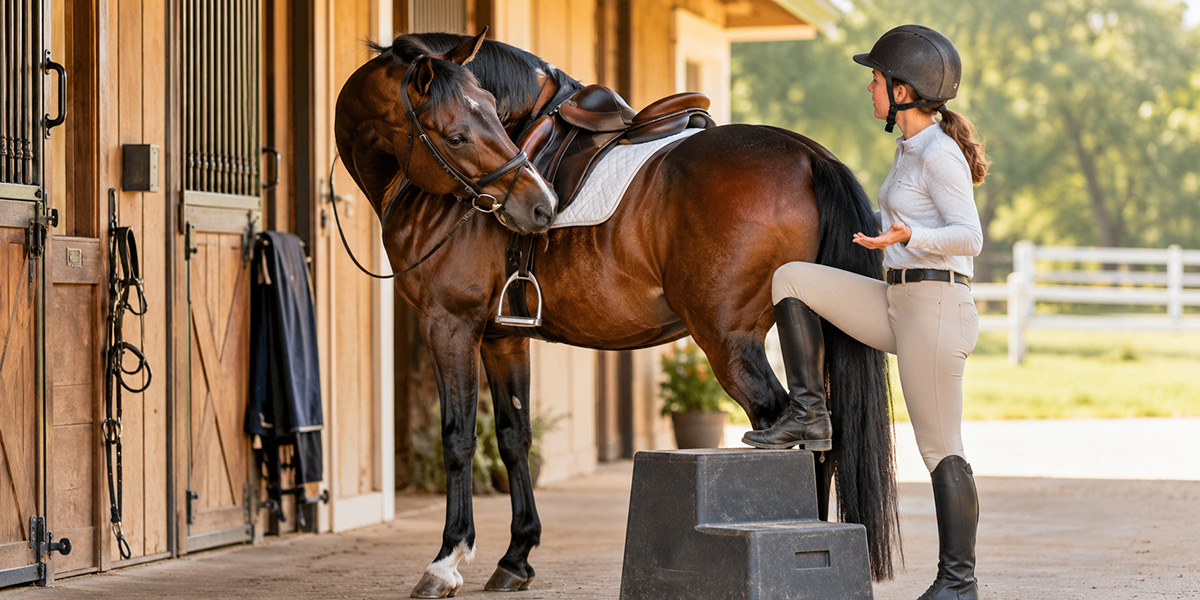
Before a rider studies architecture, they feel the barn. Is the air fresh? Is there dust hanging in the aisle? Are horses bright-eyed and settled? Are mats level, floors safe, and stall fronts maintained?
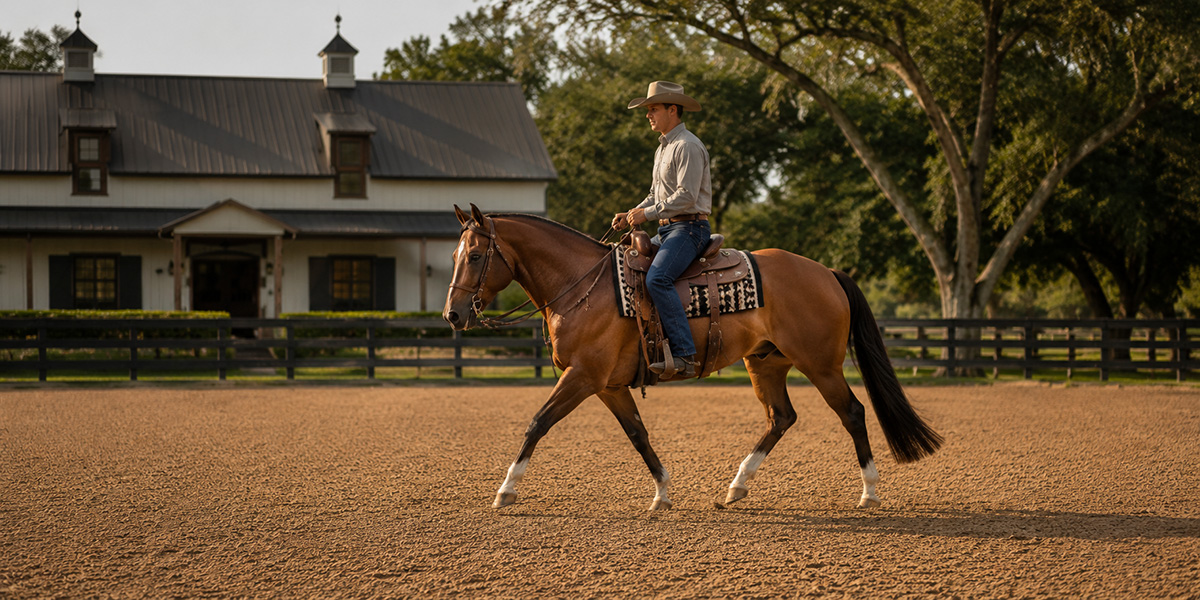
Then they notice footing. An expensive facility with a hard, dusty, or inconsistent arena sends the wrong message because every ride depends on the surface.
The tack room and wash bay reveal the daily standard
A tack room should protect expensive equipment and make riders more organized. A wash bay should be safe, well-lit, well-drained, and practical enough for daily use. These spaces are where promises about care become visible.
Premium sponsors fit best when their products solve real barn problems: storage, stall fronts, footing, grooming, lighting, water, trailer access, recovery, or tack care.
Decorative luxury
Beautiful details that do not improve horse care, rider workflow, safety, or maintenance.
Operational luxury
Materials, products, and systems that make the barn safer, cleaner, calmer, and easier to run.
Turnout and trailer access matter to serious owners
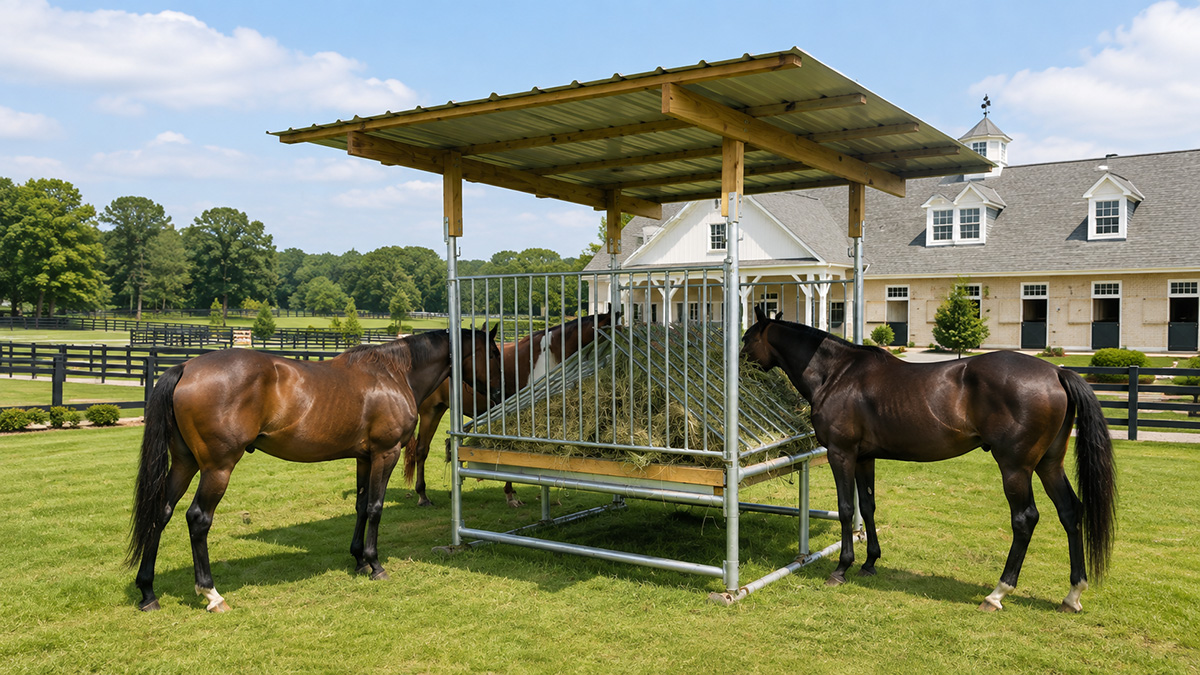
English riders may focus on the ring, but thoughtful turnout, gates, fencing, footing around entries, and trailer movement all influence daily care. Horses are not show equipment stored between rides.
A private facility should make loading, unloading, deliveries, farrier visits, and veterinary care easier. If those routines are awkward, the barn will feel less premium no matter how pretty the aisle is.
| Barn area | High-quality signal | Sponsor opportunity |
|---|---|---|
| Stalls and aisle | Clean, safe, level, well-ventilated, easy to maintain. | Stalls, mats, fans, lighting, hardware, cleaning systems. |
| Arena | Consistent footing, dust control, good drainage, clear maintenance plan. | Footing, grooming equipment, water systems, jumps, mirrors. |
| Tack room | Protected equipment, drying space, labels, workflow. | Storage, saddle racks, leather care, climate control, cabinetry. |
| Wash and recovery | Drainage, traction, warm water, safe ties, supply storage. | Wash systems, grooming products, therapy, towels, mats. |
Advertiser note: The English reader does not want a hard sell in this environment. They want to understand why a product belongs in a serious barn and how it improves daily horse care.
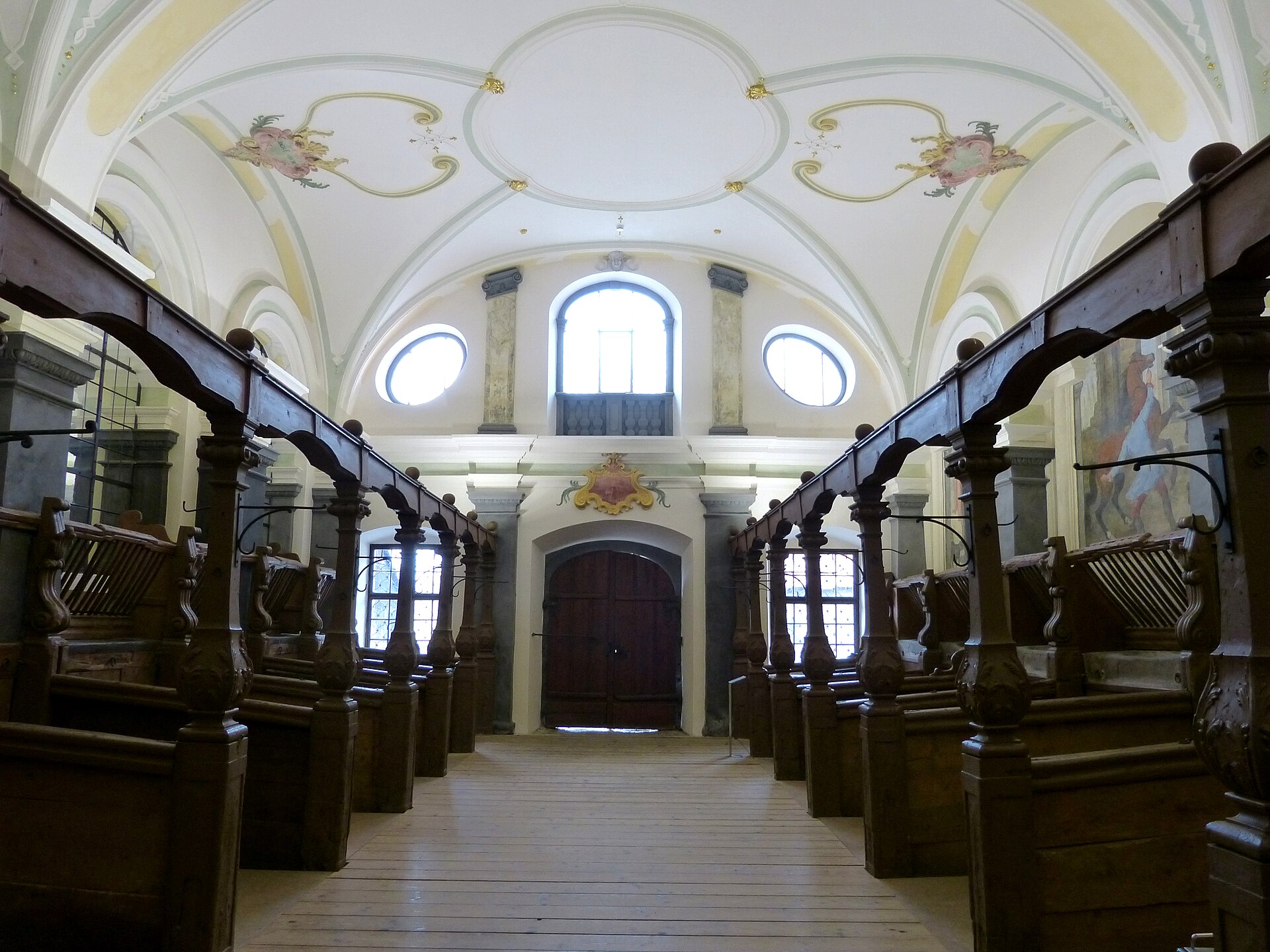
What riders are asking before they buy, show, or change the routine
The useful question is often more ordinary than the polished product copy. Riders and parents want to know what will help the horse feel better, what will keep the rider safer, what is worth paying for, and what can wait. The better buying habit is to translate each worry into a check you can repeat at the barn.
Keep these questions open
- What do serious English riders notice first in a private barn?
- What makes a barn feel premium?
- Why is footing part of barn quality?
- How should advertisers speak to English barn owners?
A barn can be aspirational and practical
The Bridleway standard is not snobbery. It is a higher expectation for clarity: show riders the problem, the product, the daily benefit, and the horse-care reason.
That creates a page where premium advertisers can feel at home and readers can discover useful names without feeling trapped in a directory wall.
The best test
A visiting rider should be able to imagine a calm show morning in the barn within one minute of seeing it.
What to ask the professional before you spend more money
A polished English-riding decision still benefits from a second set of expert eyes. Before buying the upgraded version, changing equipment, adding a new product, or blaming the horse, bring a clean question to the trainer, veterinarian, fitter, farrier, barn manager, or product specialist.
| Ask | Why it helps |
|---|---|
| What problem are we solving first? | It separates comfort, safety, training, rule, and presentation questions. |
| What evidence would change the plan? | It keeps the decision from becoming brand loyalty or barn rumor. |
| How will we know this worked? | It turns the purchase or routine into an observable horse-care test. |
How to use this guide this week
Pick one checkpoint from this guide and use it before or after three rides this week. Write down what you saw, what the horse felt like, and whether the answer changed after a lesson, a harder school, or a show-day simulation. Good horsepeople do not need perfect guesses. They need repeatable observations.
Simple record: Keep a tiny note in your phone: date, horse, work, what changed, and what you will ask your trainer or professional next. Patterns are where ordinary barn notes become useful horsemanship.
Research note: This Bridleway guide was shaped from Practical Horseman, British Horse Society horse-care guidance, r/Equestrian reader discussions. Forum and Reddit discussions were used only to understand common rider questions, not as veterinary, legal, or rule authority.