
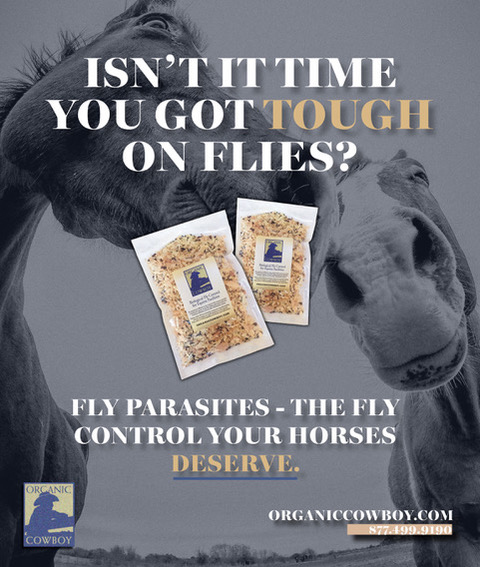

Flies are not just a nuisance around the barn. They torment horses, spread disease, and turn a peaceful pasture into a swatting, stomping misery for every animal in your care. The Organic Cowboy answers the problem the way nature already solved it: with living beneficial insects that hunt down pest flies before they ever grow wings. No fogging, no spraying, no chemical residue drifting across your feed and water. Just a quiet biological workforce doing what it has done in North American soil for thousands of years.
Backed by more than fifty years of experience in biological fly control, The Organic Cowboy has built a proven, economical program trusted by horse owners, rescue organizations, therapeutic riding centers, and working stables alike. The promise is simple and refreshingly honest: as you remove the chemicals, the natural predators that devour fly pupae are finally free to thrive.
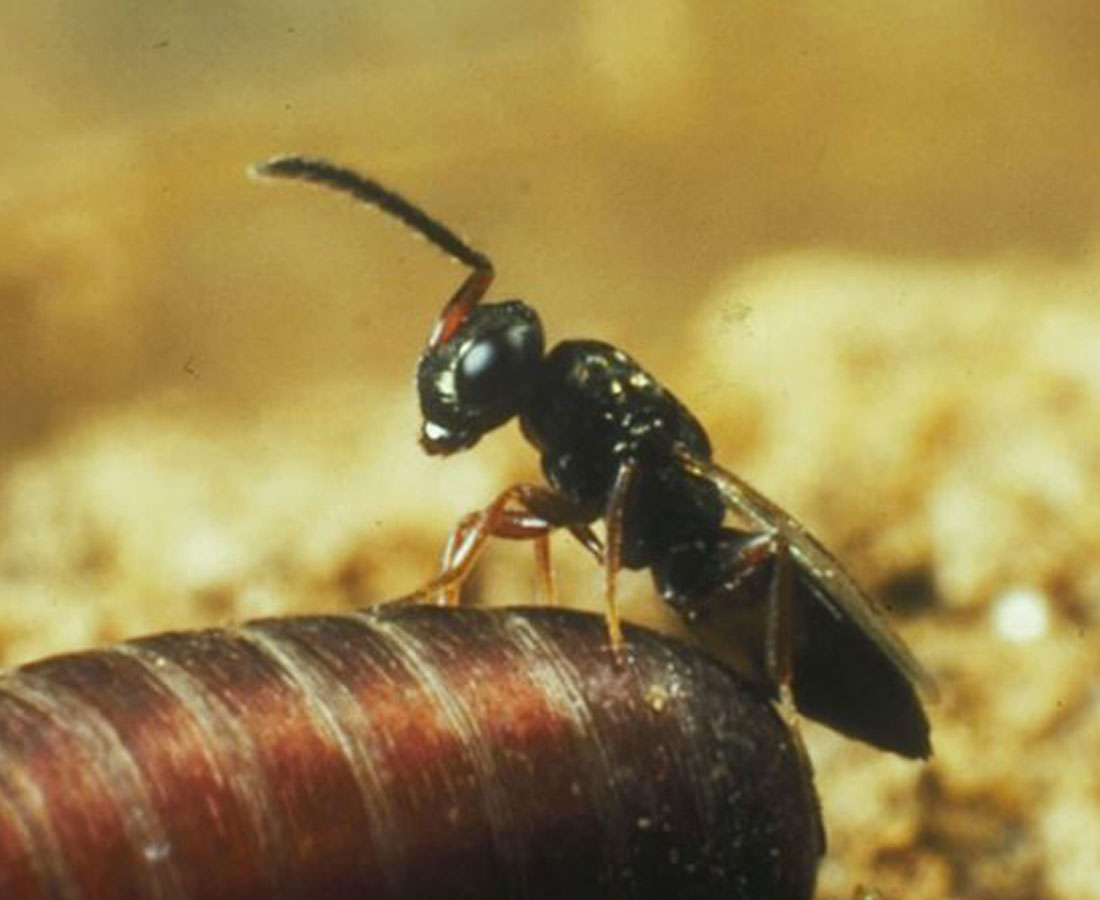
The Organic Cowboy program centers on tiny, gnat-sized parasites from the Pteromalidae family, all native to North America and completely harmless to horses, people, pets, and other wildlife. They never bite and never sting. Instead, a female parasite tunnels through manure and decaying organic matter searching for fly pupae. When she finds one, she drills a small hole, inserts her ovipositor, and deposits her eggs inside the developing fly. The next generation of pest flies never emerges. Instead, more parasites do.
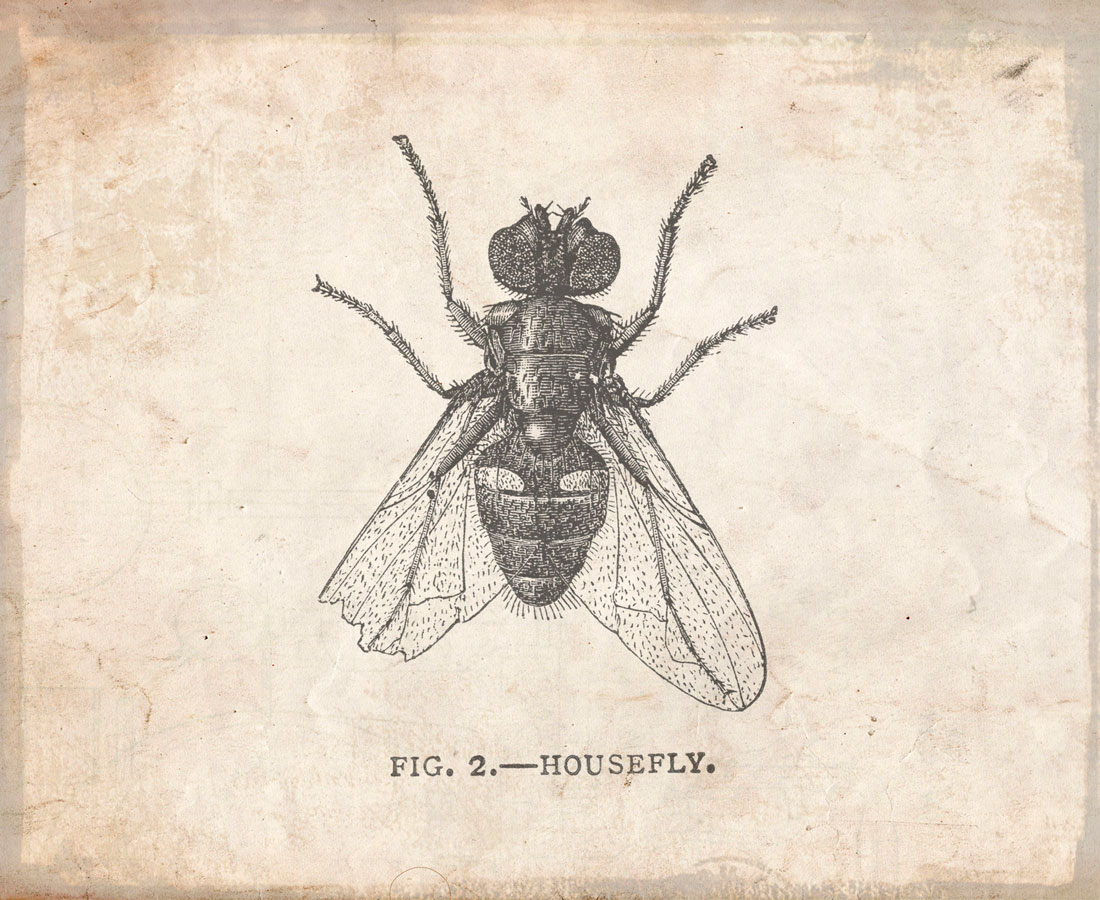
Because the parasites attack the immature, immobile pupal stage, they break the fly life cycle exactly where chemical sprays cannot reach. A single female can lay between fifty and one hundred eggs over her two-to-four-week life, quietly multiplying your defense with every release. This is the natural way to control house flies, stable flies, and horn flies, the three biggest tormentors of any horse property.
The Organic Cowboy does not rely on a single insect. Its blend combines three complementary species: Spalangia cameroni, Muscidifurax zaraptor, and Muscidifurax raptorellus. Each species hunts a little differently and thrives in different conditions, so together they cover the full range of manure environments found around a barn, from dry fence lines to damp, built-up corners. Removing chemical sprays also gives other natural allies, such as the pupae-feeding Hister beetle, room to flourish alongside the parasites, layering your property's defenses even further.
Fly control is not a one-time event, and The Organic Cowboy is built around that reality. During the peak of the season a brand-new generation of flies can emerge in as little as fourteen days, so the program ships fresh, living parasites to your door on a recurring schedule, either every two weeks for maximum knockdown or every four weeks as a budget-friendly option. Your program is tailored to your geographic zone and your number of horses, so the right quantity arrives at the right time, with the season's first shipment doubled to make up for any late start.
Putting the parasites to work takes only minutes. When a shipment arrives, simply peel open the top of the pack and shake out a small quantity onto the manure areas where flies breed, concentrating along fence lines and spots where manure builds up. Release within forty-eight hours of arrival, or refrigerate briefly to slow their metabolism until you can. Pair the releases with weekly stall and barn cleanup, keep any limited spraying away from release zones, and the parasites handle the rest, repopulating your trouble spots all season long.
Yes. The beneficial insects are gnat-sized, native North American species that do not bite, sting, or bother horses, dogs, livestock, or humans. They feed only on the pupae of pest flies, which is exactly what makes them a chemical-free alternative to sprays and foggers.
The blend targets the three flies that plague horse properties most: house flies, stable flies, and horn flies. By destroying these pests in the pupal stage, the parasites prevent the next generation from ever hatching.
You choose your cadence. Shipments arrive every two weeks for the strongest control during peak fly season, or every four weeks as a more economical option. Because a new generation of flies can emerge in as little as fourteen days, the recurring schedule keeps your defense ahead of the pests.
Open the pack and shake out a small quantity onto manure-heavy areas, working along fence lines and spots where waste collects. Release the parasites within forty-eight hours of delivery, or keep them refrigerated to slow their metabolism if you need a short delay.
Your program is customized to your geographic zone, which sets the seasonal start and end dates, and to the number of horses on your property, which determines how many parasites you need per shipment. The first shipment is doubled to make up for any late start in the season.
Chemical sprays only knock down adult flies and leave residue around feed, water, and animals, while flies quickly rebound. Biological control attacks flies at the source in the pupal stage, leaves no chemical residue, and actually strengthens over the season as the parasites multiply and other natural predators return.
The program is used by private horse owners as well as horse rescue organizations, therapeutic riding centers, and other working equine facilities that want effective, season-long fly control without exposing their animals to chemicals.
The Organic Cowboy brings more than fifty years of experience in biological fly control, refining a proven blend of beneficial parasites that delivers economical, safe, season-long results.
About this listing: Product and service details on this page, including any results described, are provided by The Organic Cowboy™. InfoHorse.com verifies the business behind every listing — for decisions about your horse's health, talk with your veterinarian.
Explore more from the InfoHorse.com directory





Explore expert guides on topics related to your business
By Bob Pruitt
By InfoHorse Editorial Team
By Bob Pruitt
By Bob Pruitt
By Ann Pruitt
By Bob Pruitt