
Helping Horse Owners Make Informed Decisions
Biological Fly Control for Horses

Biological Fly Control for Horses

By Ann Pruitt · Health

Looking for Biological Fly Control for your horse?

Support our Sponsor
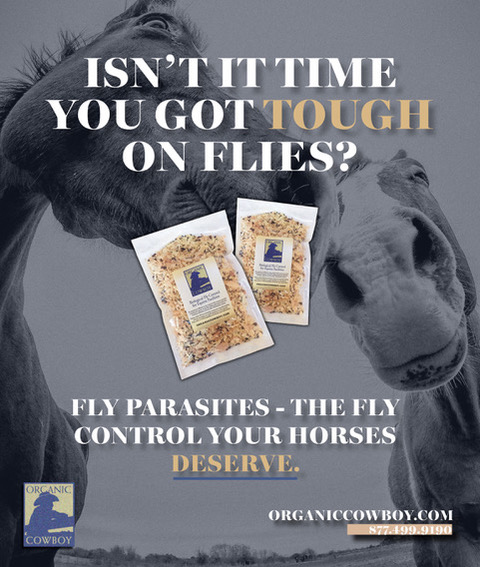
Natural Fly Control by The Organic Cowboy™
Our Natural Fly parasites are a time-honored tool in the battle against pest flies, killing flies
View Sponsor Profile →
View Listing →

Natural Fly Control To Help Horse Owners by Organic Cowboy

Enjoy your horse property without the pests

Effective, Safe, and Season-Long Relief Without Harmful Chemicals

If you’ve ever tried to enjoy a peaceful day with your horses only to be interrupted by clouds of buzzing flies, you’re not alone. Flies are a constant frustration around stables—they pester your horses, spread disease, and make barn chores far less pleasant. While there’s no magic fix to eliminate every single fly (nature just doesn’t work that way), there is a powerful, natural solution that can dramatically reduce fly populations: fly predators.

And when it comes to biological fly control, few do it better than Organic Cowboy™—a trusted name with over 35 years of experience helping horse owners live fly-free, the natural way.

What Are Fly Predators?

Releasing Fly Predators

Fly predators, also known as fly parasites, are tiny, gnat-sized beneficial insects from the Pteromalidae family. These harmless helpers seek out and destroy fly pupae before adult flies ever have the chance to emerge. Unlike biting stable flies or buzzing house flies, fly predators don’t bother horses, people, pets, or even other beneficial insects like bees. All they want is fly pupae—and they’re extremely good at their job.

Once released near manure piles or fly breeding areas, fly predators go to work interrupting the fly life cycle, targeting: House flies

Because they work at the source, you’re reducing the next generation of flies before they become a problem.

Because they work at the source, you’re reducing the next generation of flies before they become a problem.

Why Choose a Biological Fly Control Program?
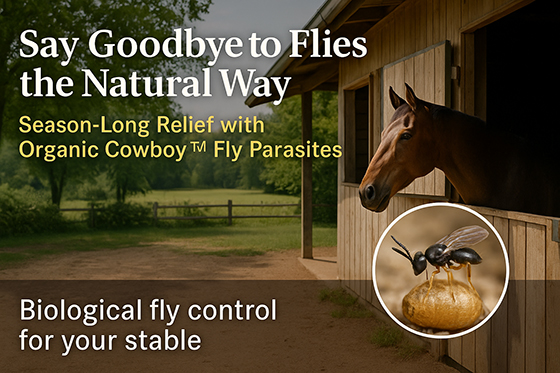
Biological fly control is safe and clean. Safe for the environment and your horse.

Traditional fly sprays, foggers, and traps may knock down some adult flies temporarily—but they don’t get to the root of the issue. Worse yet, repeated chemical use can create resistance in fly populations, not to mention posing risks to your horses, barn cats, and the environment.

Biological fly control offers several major advantages: No harmful chemicals

Safe for horses, children, dogs, and other animals

No resistance buildup

Long-lasting and sustainable

Environmentally friendly

By reducing chemical use, you also encourage the survival of helpful native predators like Hister Beetles, which feed on fly pupae and contribute to a balanced barn ecosystem.

Meet Organic Cowboy™ – A Leader in Natural Fly Control
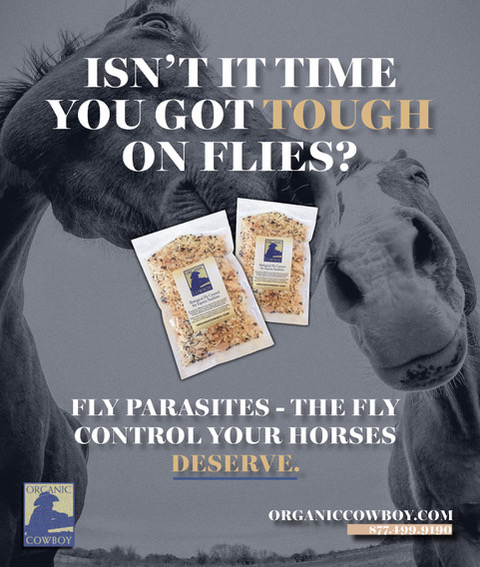
Organic Cowboy Biological Pest Control for Horses

Organic Cowboy™ provides a proven, species-specific blend of fly predators designed for season-long control. Their easy-to-use program delivers fresh fly parasites at intervals tailored to your region and fly cycle.

Here’s what sets Organic Cowboy™ apart:

Over 35 years of hands-on experience

Carefully selected blend of natural fly parasite species

Consistent, automated shipping during fly season

Friendly customer service and educational tips through the Organic Cowboy Journal

A great referral program—recommend them and you and your friend both get a free double order “We love our little fly predators, it really makes living with horses close to the house livable,” shares one Organic Cowboy user—and that sentiment is echoed by barn owners all across the country.
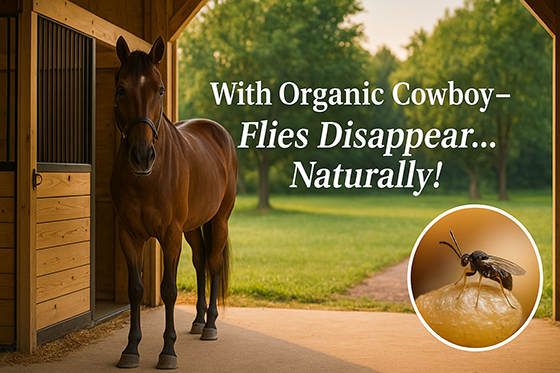
Safely reduce you fly pests at your barn.

Sample Program: Real Results for a 30-Horse Barn So what does a real fly predator program look like for a working horse property?

Here’s a sample 2025 program designed for a barn with 30 horses, using Organic Cowboy’s 7-shipment seasonal delivery model:

Details: - $109.80 per shipment

- 50,000 fly parasites per shipment

- 7 shipments across the season (May–October)

- First shipment is a double order to jumpstart control

- Total Cost: $933.35 for the season (including shipping)

That’s season-long relief from flies for less than $32 per horse—a small price to pay for cleaner stalls, healthier horses, and a happier barn.

What to Expect When You Start Getting started with Organic Cowboy™ is simple:

Choose your property size and fly season start date.

Receive shipments on a convenient schedule.

Release fly parasites near manure piles, moist bedding, and fly hotspots.

Enjoy a big drop in flies in as little as a few weeks.

Stay consistent—flies don’t take vacations, and neither should your fly control!

Even though no system can completely eliminate flies, Organic Cowboy’s fly predators provide a dramatic reduction in pest flies—all without chemicals or hassle.

Ready to Breathe Easier at the Barn?

There’s nothing like walking into a barn where the air is fresh, the horses are calm, and the flies are few and far between. That’s what Organic Cowboy™ is all about—real relief, real results, and real peace of mind.

- Safe. - Natural. - Proven.
Order your Organic Cowboy™ Fly Parasites today and take the first step toward a fly-free season—naturally.

Key Article Takeaways
  • Stay consistent—flies don’t take vacations, and neither should your fly control!
  • Sample Program: Real Results for a 30-Horse Barn So what does a real fly predator program look like for a working horse property?
  • Flies are a constant frustration around stables—they pester your horses, spread disease, and make barn chores far less pleasant.
  • Fly predators, also known as fly parasites, are tiny, gnat-sized beneficial insects from the Pteromalidae family.
  • These harmless helpers seek out and destroy fly pupae before adult flies ever have the chance to emerge.
Questions readers commonly ask:
What exactly are fly predators, and will they bite my horses?

Per the article: fly predators (also called fly parasites) are tiny, gnat-sized beneficial insects from the Pteromalidae family. They are not biting flies, not stinging insects, and not visible buzzing pests — they're small enough most people never notice them once they're released.

Their entire job is finding fly pupae in manure piles, moist bedding, and other fly-breeding areas, and destroying them before adult flies can emerge. They don't bother horses, people, pets, or even other beneficial insects like bees — they're species-specific to fly pupae. So the biological-control approach interrupts the fly life cycle at the source rather than swatting adult flies after they've already hatched, gotten on your horse, and started laying the next generation.

How do I actually start a fly predator program at my barn?

Per Organic Cowboy™ (a current InfoHorse advertiser): the start sequence is straightforward. Choose your property size and fly season start date, then receive shipments on a convenient schedule, then release the predators near manure piles, moist bedding, and known fly hotspots. The release itself takes minutes — you scatter the predators where the fly pupae live.

The body emphasizes one execution rule: stay consistent. Flies don't take vacations, and a single release won't carry you through the season. Organic Cowboy's program defaults to a 7-shipment seasonal delivery (May–October in most regions), with the first shipment being a double order to jumpstart control before the fly population spikes. After that, the standing shipments arrive automatically at intervals tuned to your region's fly cycle. Most barns see the fly population drop noticeably within a few weeks of the first release.

Why not just use sprays and foggers instead?

Per the article: traditional sprays, foggers, and traps knock down some adult flies temporarily, but they don't get to the root of the issue. Adult flies are the visible problem; pupae in the manure pile are the real source. Spray adults all day and the next generation is already incubating where the spray can't reach.

Two compounding problems: repeated chemical use can create resistance in fly populations (the survivors breed the next, less-treatable generation), and the chemicals carry exposure risk for horses, barn cats, dogs, kids, and beneficial native predators like Hister Beetles, which themselves feed on fly pupae and contribute to a balanced barn ecosystem. Biological control sidesteps the resistance treadmill and keeps the helpful native insects alive. It's not magic — no system eliminates every fly — but it works at the source, which sprays don't.

How long before I'll see a difference after my first release?

Per Organic Cowboy™: most barns see a dramatic reduction in pest flies within a few weeks of the first release. The first shipment is intentionally a double order to flood the property with predators before the fly population peaks for the season — that front-loading is what compresses the timeline.

From there, the standing 7-shipment cadence (May through October in most regions) maintains the predator population through the active fly season. The thing to expect: this isn't a one-and-done. Predators have shorter life cycles than the flies they target, so without the regular shipments, the predator population fades and the fly population rebounds. Plan for a full-season commitment, not a single application. Barns that go halfway and stop in July typically lose the gains by August. The 7-shipment schedule exists because that's the cadence that holds.

Is a fly predator program worth the cost for a small barn?

Per Organic Cowboy™'s sample 2025 program: a 30-horse barn runs $109.80 per shipment, 50,000 fly parasites per shipment, 7 shipments across May–October — about $933.35 total for the season including shipping. That works out to roughly $32 per horse for season-long fly relief.

For smaller barns, the per-horse number scales similarly because the program is sized to property and fly load, not headcount alone. The honest comparison isn't predators vs. "nothing" — it's predators vs. the running cost of fly sprays, fly masks, fly sheets, occasional vet visits for fly-borne irritation, and the time you spend swatting and re-spraying. The article's frame is fair: cleaner stalls, healthier horses, and a calmer barn at roughly $32 per horse is a defensible budget line if flies have been a serious quality-of-life problem on your property. If your fly load is light to begin with, the math is closer; if it's heavy, the program pays itself back fast.

Related Products & Services

LaSal Animal Health
InfoHorse Advertiser
LaSal Animal Health
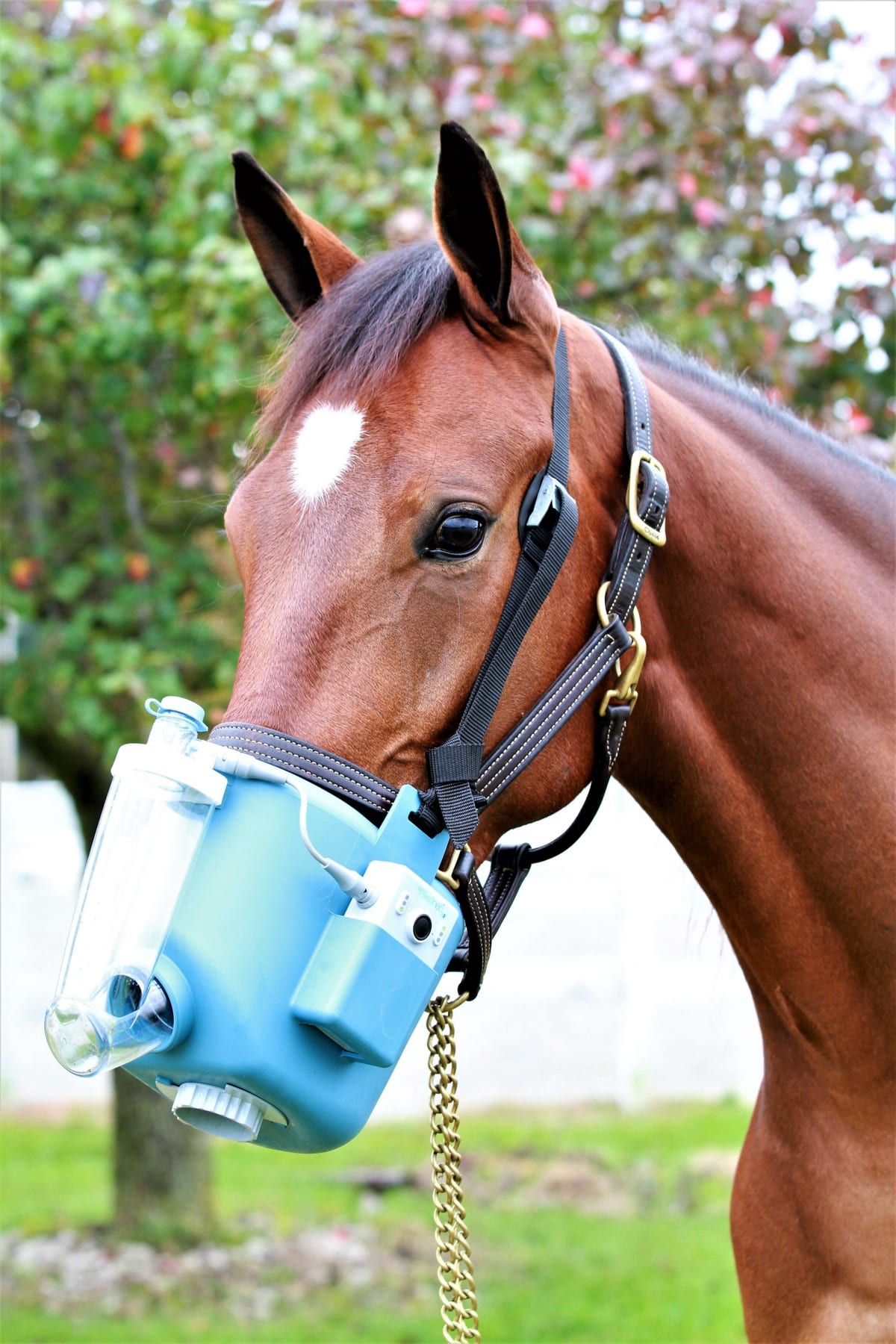
Nebulizer La Sal Animal Health offers the only chelated silver nebulizing solution on the market. Find LaSal Animal Health on InfoHorse.com.
Markie's Choice
InfoHorse Advertiser
Markie's Choice
Markie's Choice — Horse Health Products. Find product details, reviews, contact info and more on InfoHorse.com, America's #1 horse product directory.
The Hay-EZ
InfoHorse Advertiser
The Hay-EZ
The Hay-EZ Hay Bag Filler — the smart way to fill your slow-feed hay bags or nets. Hold the bag open at the top for easy hay loading. Filling has never been easier.
Article Sponsor
Natural Fly Control by The Organic Cowboy™
877.499.9190 organiccowboy.com/ info@organiccowboy.com
View Listing →
Ann Pruitt
Contact Ann Pruitt
InfoHorse.com