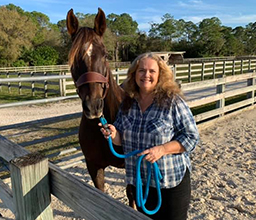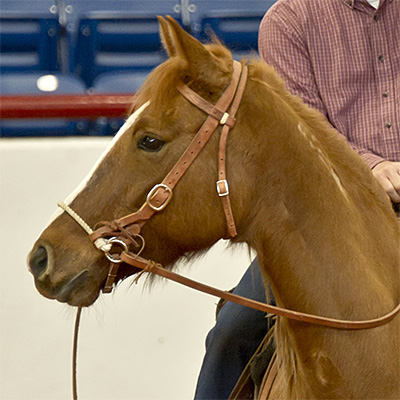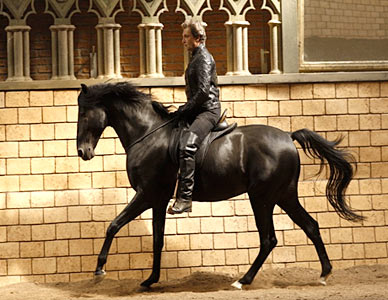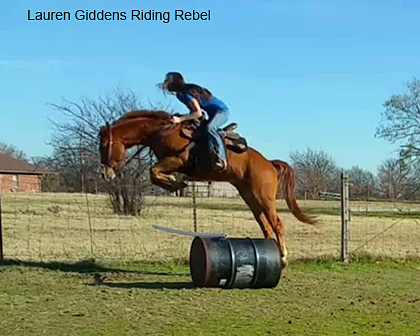
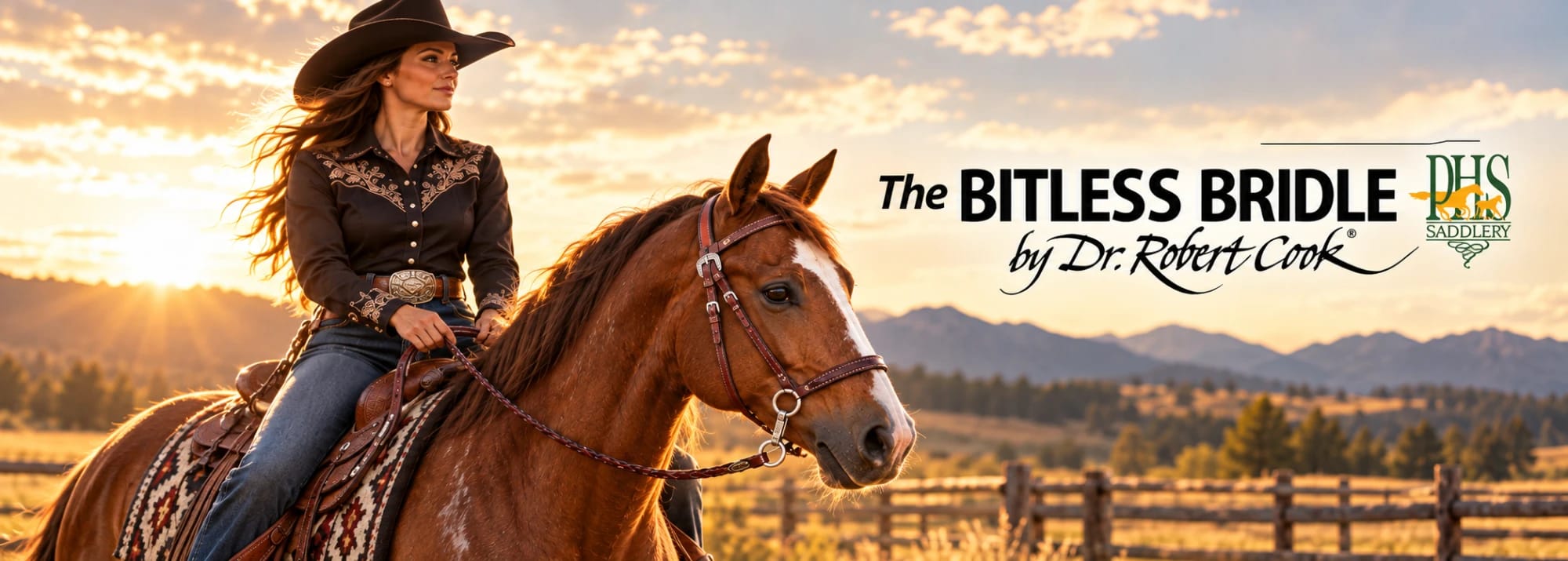
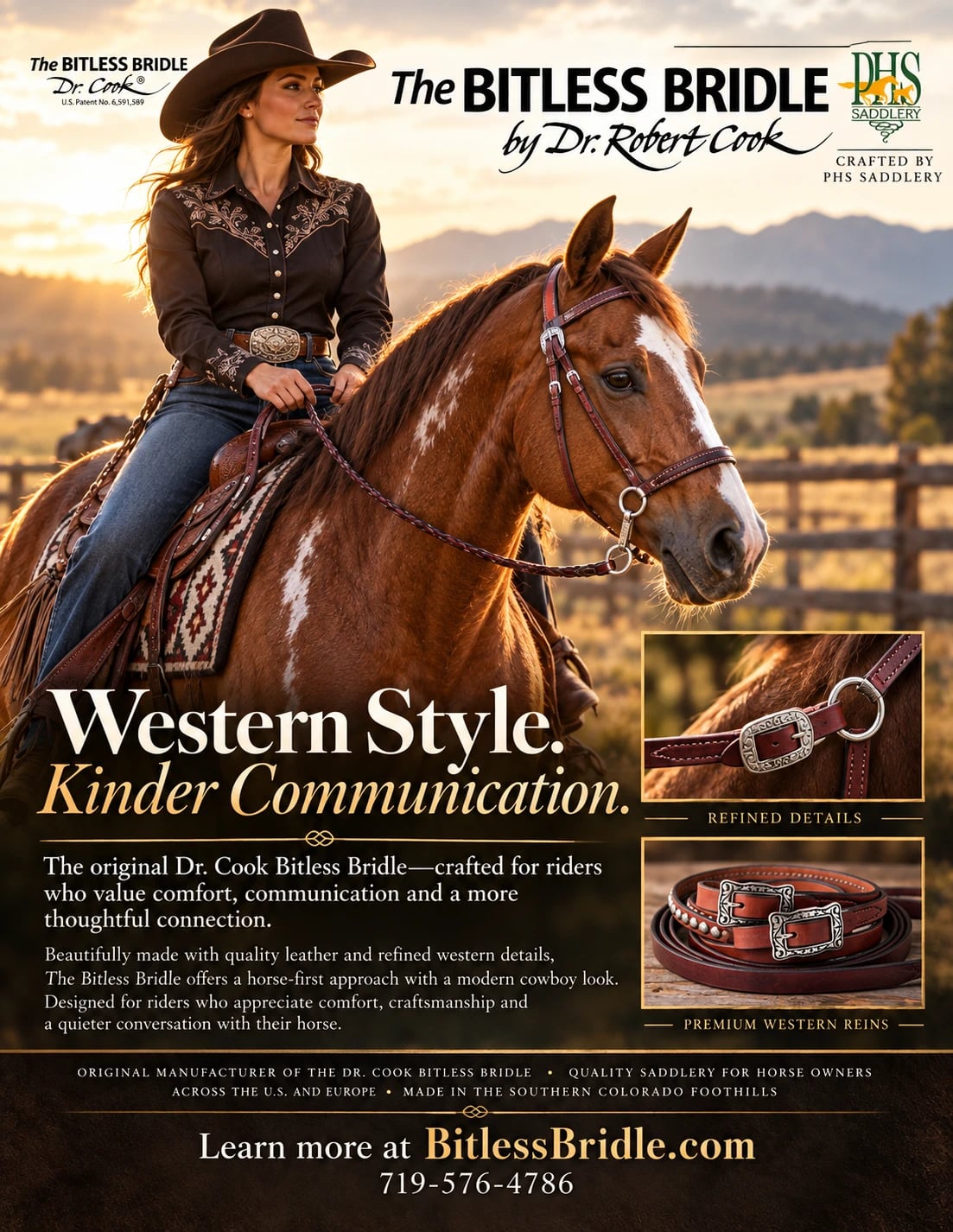

The Bitless Bridle by Dr. Robert Cook is a Western headstall that steers and stops your horse without a bit. Its patented cross-under design spreads gentle, painless pressure around the whole head instead of into the mouth. PHS Saddlery, the original manufacturer of the Dr. Cook Bitless Bridle, makes them in its own workroom in the Southern Colorado foothills, in Wickett & Craig leather, harness leather and all-weather Beta, finished with the conchos, spots and engraved buckles a Western rider expects.

Head tossing, gaping, rooting at the reins, jigging on the trail, a horse that will not stand to be bridled: riders usually blame the horse, the training or themselves. Veterinarian Dr. Robert Cook spent his career studying the horse’s mouth, ear, nose and throat, and his research pointed to a different suspect. A steel bar rests on some of the most sensitive tissue in the horse’s body, and Cook concluded it can cause pain, or the fear of pain, every time the reins move.
Cook sorted what he saw into what he called the five F’s — fright, flight, fight, freeze and facial neuralgia, the headshaking syndrome. He links the bit to more than a hundred behavioral problems, from bolting and bucking to stumbling and a horse that is hard to catch or bridle. His research also found that a bit can obstruct the airway in the throat, and because a horse’s stride is synchronized with its breathing, anything that interferes with breathing interferes with striding too.
Start with the horse, not the tack. Ask your veterinarian or equine dentist to check the teeth, bars, tongue and lips, because a sharp point or a sore mouth will make any bit miserable. Then look honestly at the bit, how it fits, and your own hands. A horse that has learned to expect pain from the bit can keep bracing against it long after the original problem is gone.
Many Western riders find the quickest way to break that cycle is to take the bit out of the conversation. PHS Saddlery reports that most horses accept The Bitless Bridle more or less immediately, usually on the first day, and the hand aids stay exactly the same: instead of pulling on the mouth, you push on one half of the head to steer or squeeze the whole head to stop. Ride it first in a round pen, arena or small paddock, then take it down the trail.
A horse that won’t give, one that leans, roots, braces its jaw or stiffens its neck against the reins, is usually protecting its mouth. Softening starts on the ground: ask for a little bend or a step back, and release the instant the horse yields. With a cross-under bitless bridle that request lands on the poll, cheeks and nose instead of on the tongue and bars, so there is nothing in the mouth for the horse to brace against.
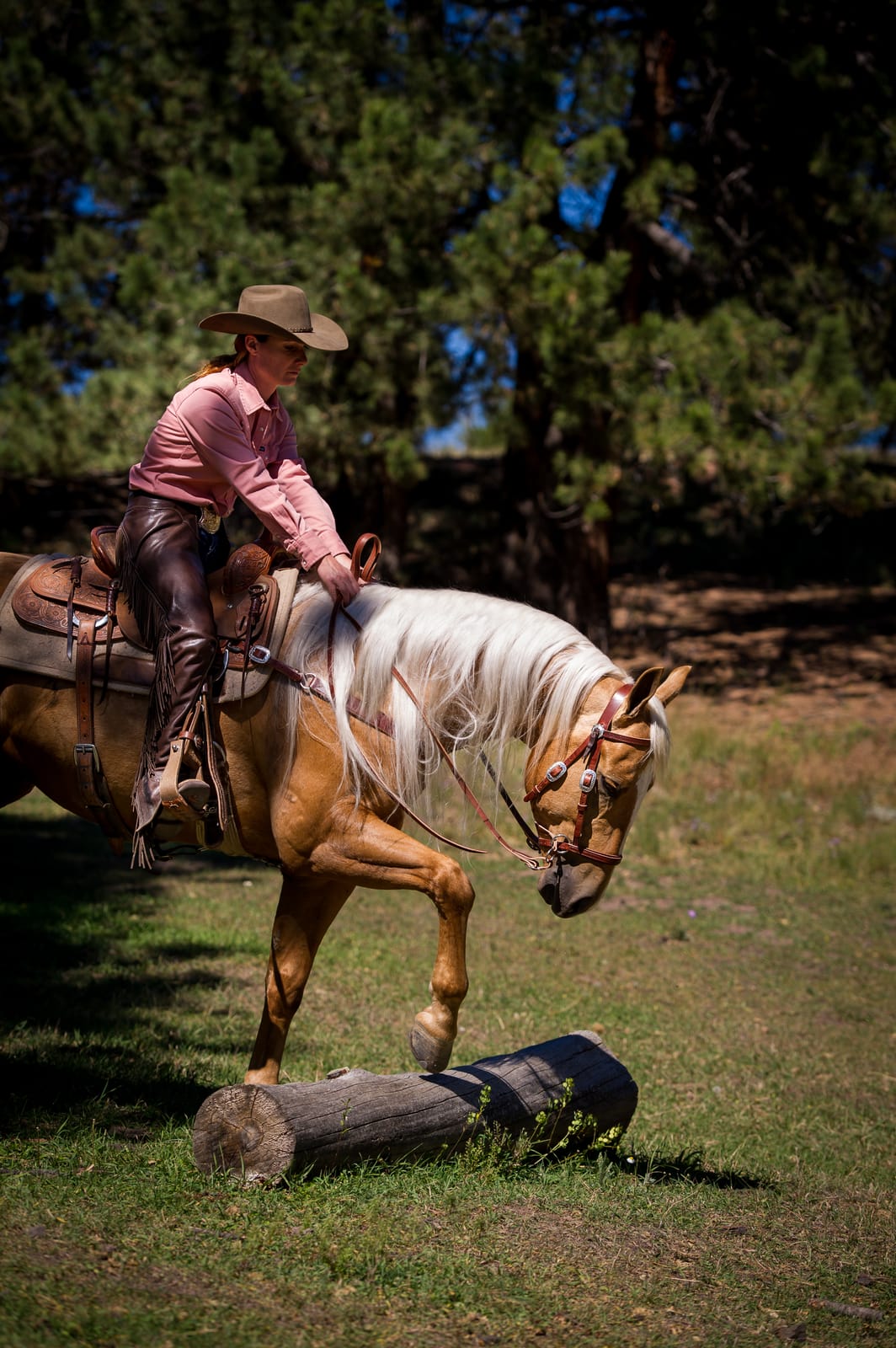
Once your horse gives on the ground, the same light request carries into the saddle for lateral bend, a soft stop and a quiet back-up. Trainer Cathie Hatrick-Anderson of Bobcat Farm shows how she teaches a horse to give to Dr. Cook’s bitless bridle from the ground.
Dan Sumerel, Sumerel Training SystemI really liked it! The horses responded very nicely, and with no resistance. No sign of resentment when asked to give to the bridle. Very easy to get a head-set and side pass was more responsive.
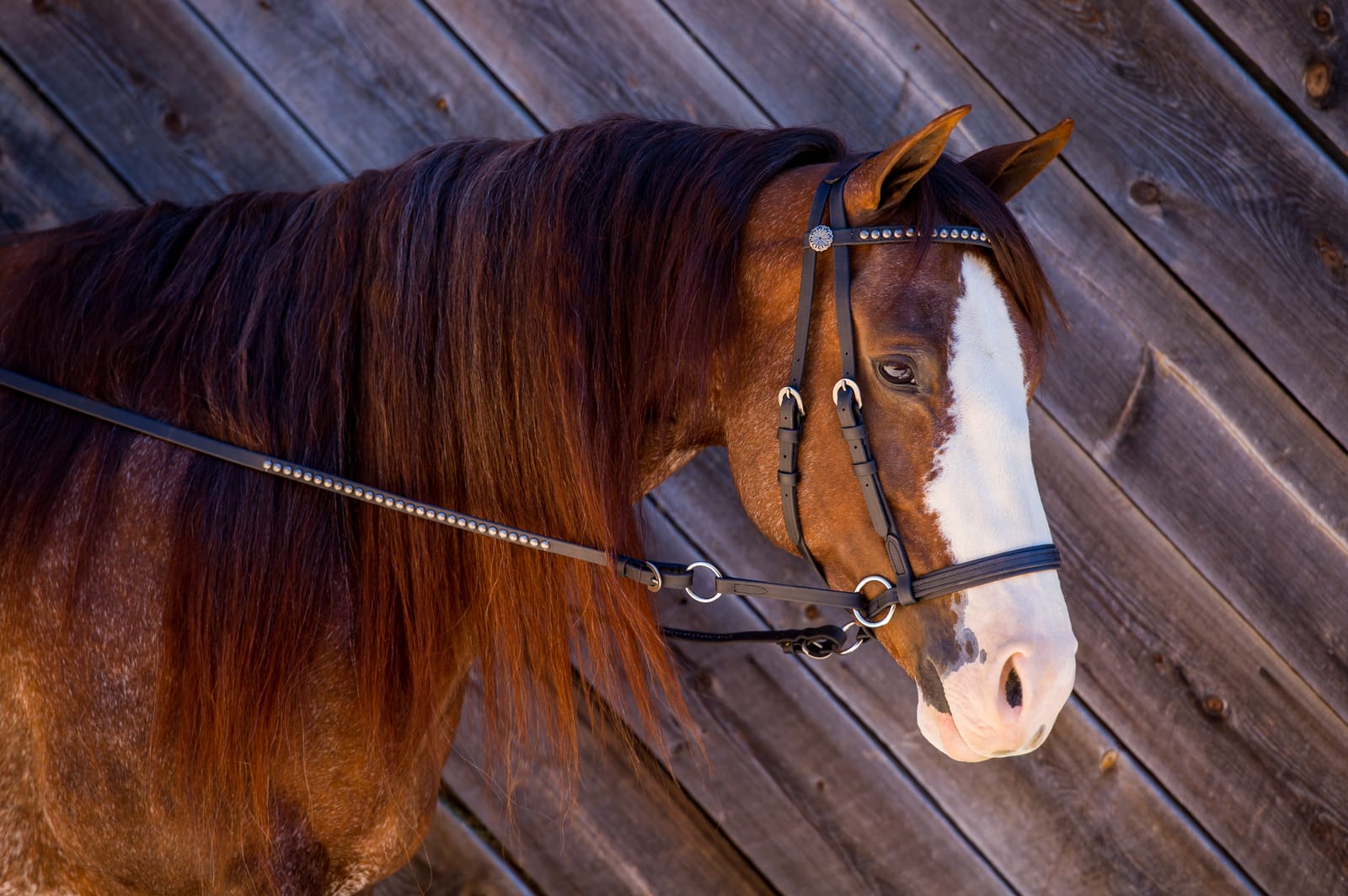
The design is a subtle but simple system of two loops, one over the poll and one over the nose, with straps that cross under the jaw to the rein rings. A light pull on one rein nudges one half of the head for steering, and both reins together give the whole head a gentle hug that means slow down or stop. Because the pressure is mild and spread over a large, less sensitive area, the bridle pushes rather than pulls. Where the head goes, the horse follows.
PHS sums up the difference from traditional bitless gear in one line: The Bitless Bridle is healthier than a Hackamore, better than a bosal and smarter than a sidepull.
In Dr. Cook’s view, hackamores, bosals and sidepulls work mainly through pressure on the nose, and a mechanical hackamore can cause pain across the bridge of the nose and under the chin. The cross-under spreads a lighter touch around the whole head, and it closes the escape every bitted rider fears: a horse cannot get the bit between its teeth when there is no bit.
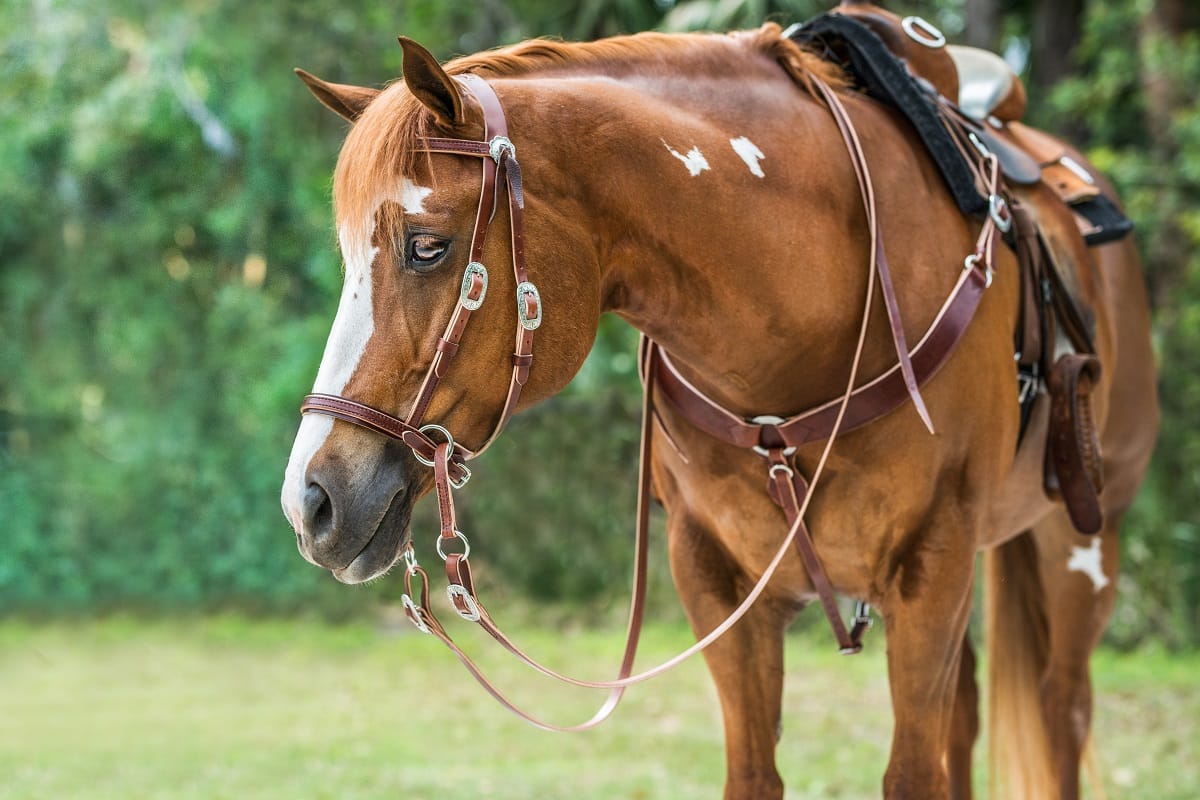
Yes. Neck reining is a taught response: the horse learns to turn away from the rein it feels on its neck. PHS explains that when you neck rein, the bridle puts a subtle pressure on the entire side of the horse’s head, and because that pressure is spread over such a large area it is even lighter than the slight pressure a bit gives. Unlike other bitless tack, it still gives you a very positive brake if you must stop quickly.
For the moment every rider plans for, an emergency stop, Cathie Hatrick-Anderson teaches a student the one-rein stop in the same bridle.
Donna, trail rider with a 12-year-old Quarter Horse geldingMy horse was a reining champ when he was 7, and was always in a high port bit. Trail riding is all I do these days and I wanted him out of the high port and into something easier to pack. … I rode him first in his bit, which he hates and then put the Bitless Bridle on and his head came down and he was totally a different horse. … I have had him in it for one month now and he has never bucked or reared or jigged, even though I ride him out by myself (always been nervous without a buddy). Happy Trails Again.
Gina, owner of a six-year-old Paint mareI have been using The Bitless Bridle since this August, and can hardly believe the difference in my six year old Paint mare, Gracie. For the 2.5 years I’ve owned her, she’s been fussy and defensive about her mouth and, having a white nose/mouth, tends to get very badly sunburned in the summer time and wind burned in the winter. Now her fussing has stopped, she is more confident to move forward, and even thrusts her head into the bridle when I hold it out to put it on.
Every Western headstall in the line uses the same patented cross-under system. What changes is the leather, the hardware and the look, from a plain everyday headstall to a show bridle with antiqued silver. Click any photo or product name to open that bridle at BitlessBridle.com in a new window, where you can pick your color and size.
The everyday workhorse of the line, cut from premium #1 grade Wickett & Craig USA tanned bridle leather. The edges are dyed with a hand-rubbed finish, all the hardware is stainless steel that will not rust, and a stainless star concho with a leather tie finishes the browband. It comes in Med. Brown or Black, in Small for Arabs and ponies, Medium for the average horse and Large for warmbloods. See the Western Leather Headstall.

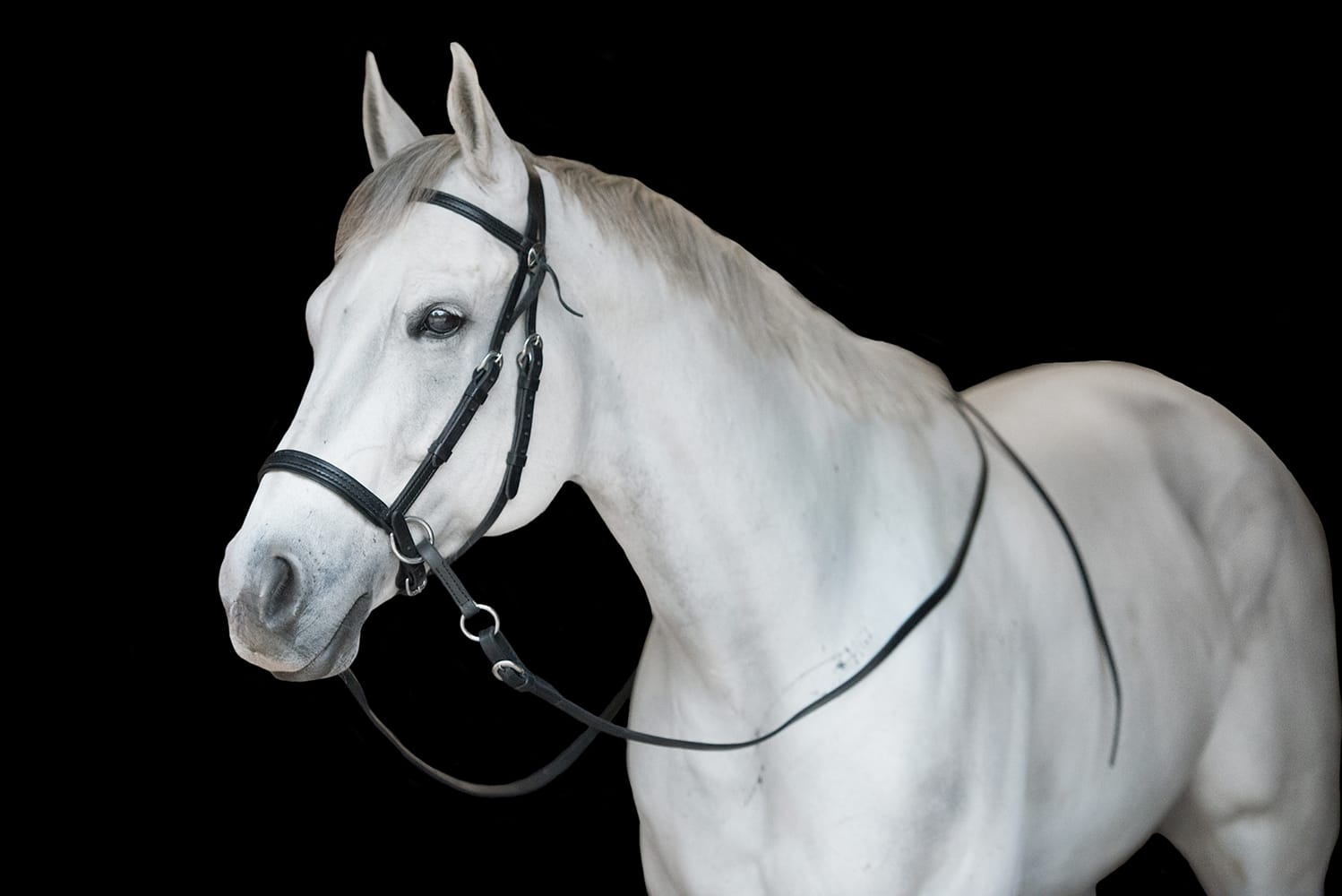
The dressed-up version of the Western Leather Headstall, in the same Wickett & Craig bridle leather with Horse Shoe brand stainless steel hardware designed by Jeremiah Watt. The floral-pattern polished stainless has contrasting black accents for a rich look, and the square center bar buckle was redesigned to sit closer to the horse’s head. Matching reins are sold separately. See the Deluxe Western Leather Headstall.

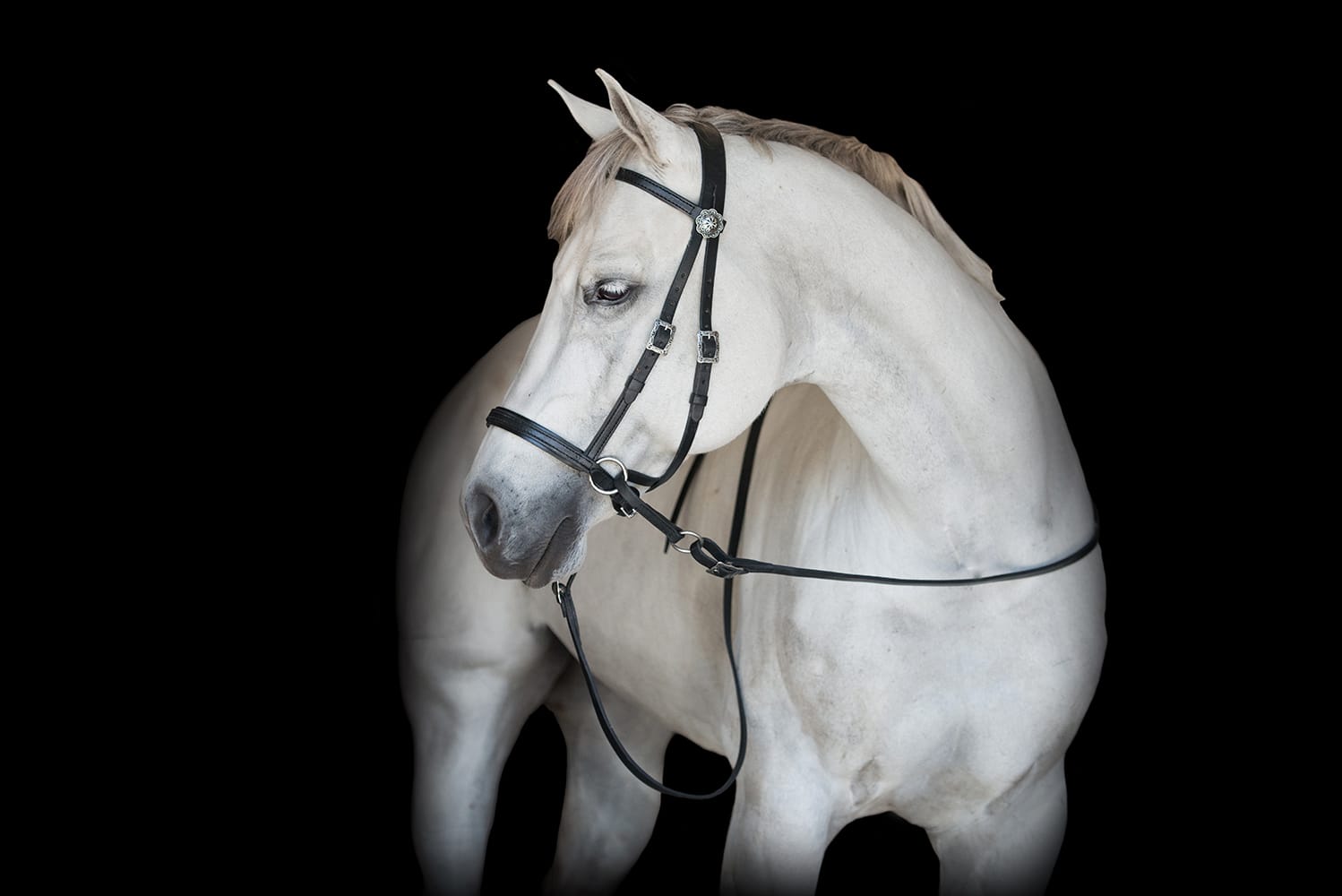
The Deluxe Western Leather Headstall with more sparkle: etched sunburst-pattern antiqued silver spots across the browband to complement the buckles and conchos. It is a flashy bridle that still reads as tasteful, and matching antiqued spotted reins are sold separately. Choose Med. Brown, Black or English Tan. See the Deluxe Western Headstall with Antiqued Spots.
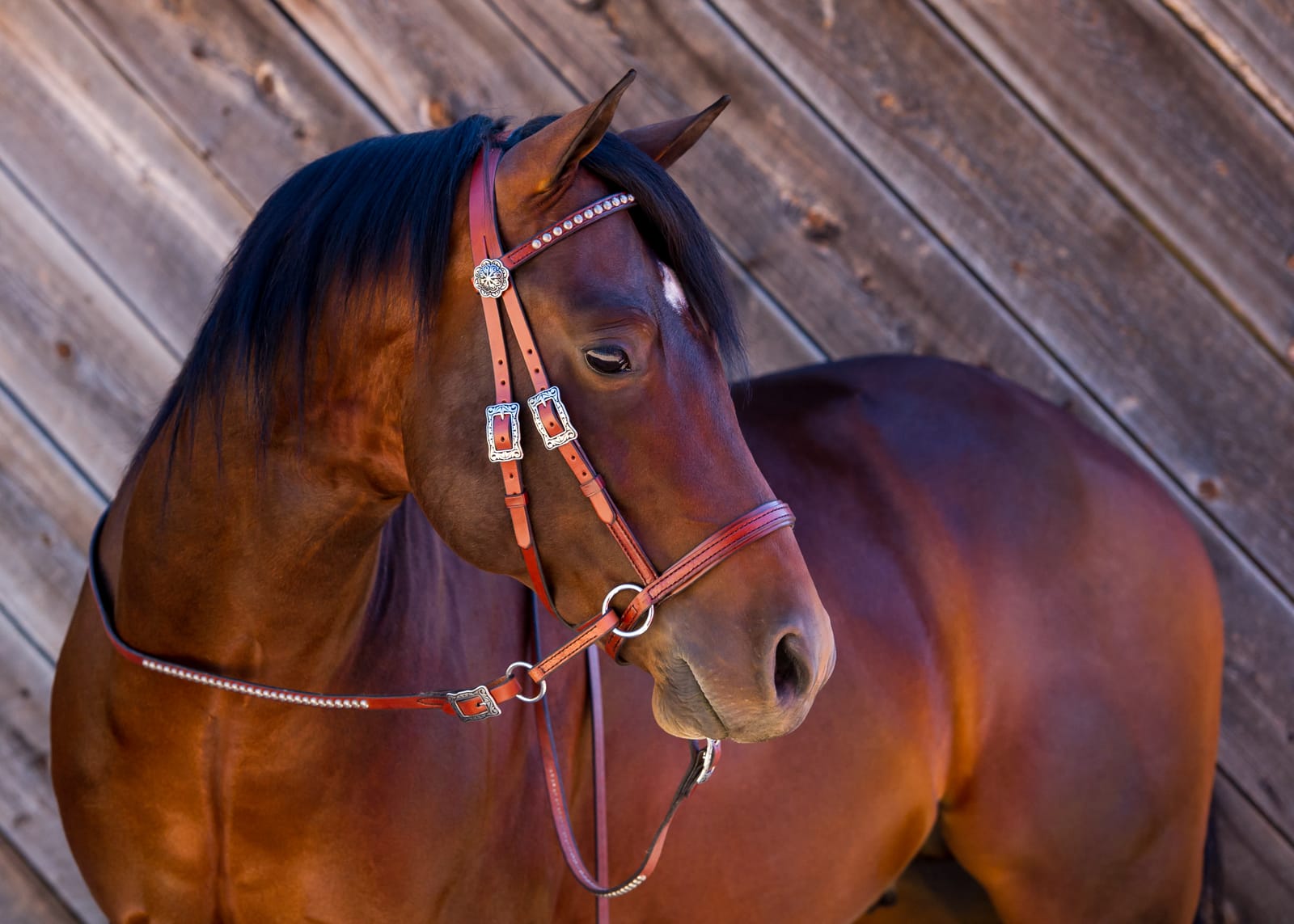
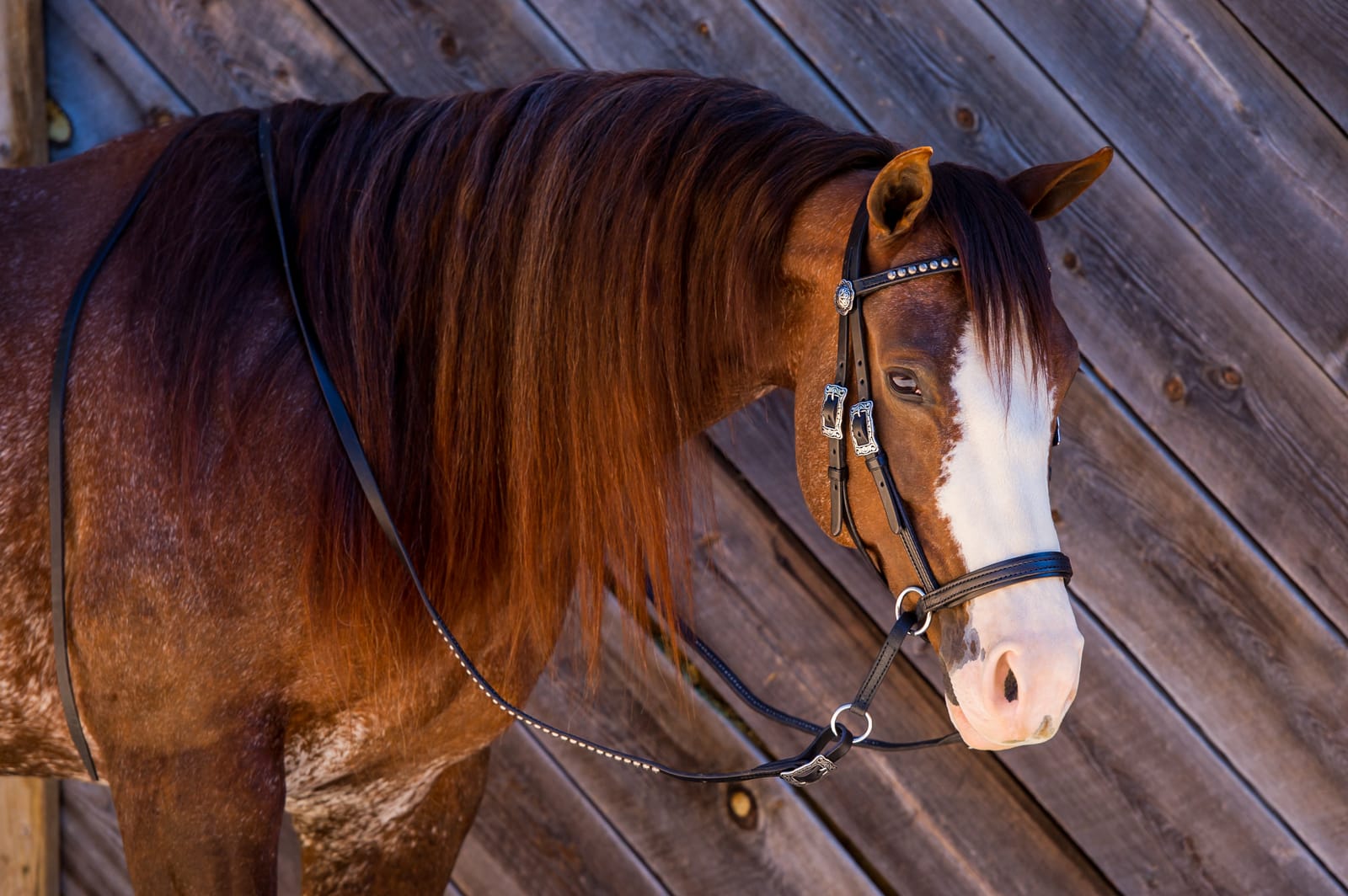
Built from premium #1 grade Wickett & Craig harness leather, the first choice of top professional horsemen for feel and weight, in a rich medium brown with chocolate-brown stitching and a hand-rubbed finish. Floral-pattern polished stainless steel hardware, an oval center bar buckle designed to fit closer to the head, and floral conchos with chocolate-brown buffalo hide ties complete it. The leather develops a deep patina with use and cleans up with a little saddle soap.
PHS puts it plainly: “If you want to look like this is not your first Rodeo, this is the bridle for you.” See the Deluxe Harness Leather Headstall.
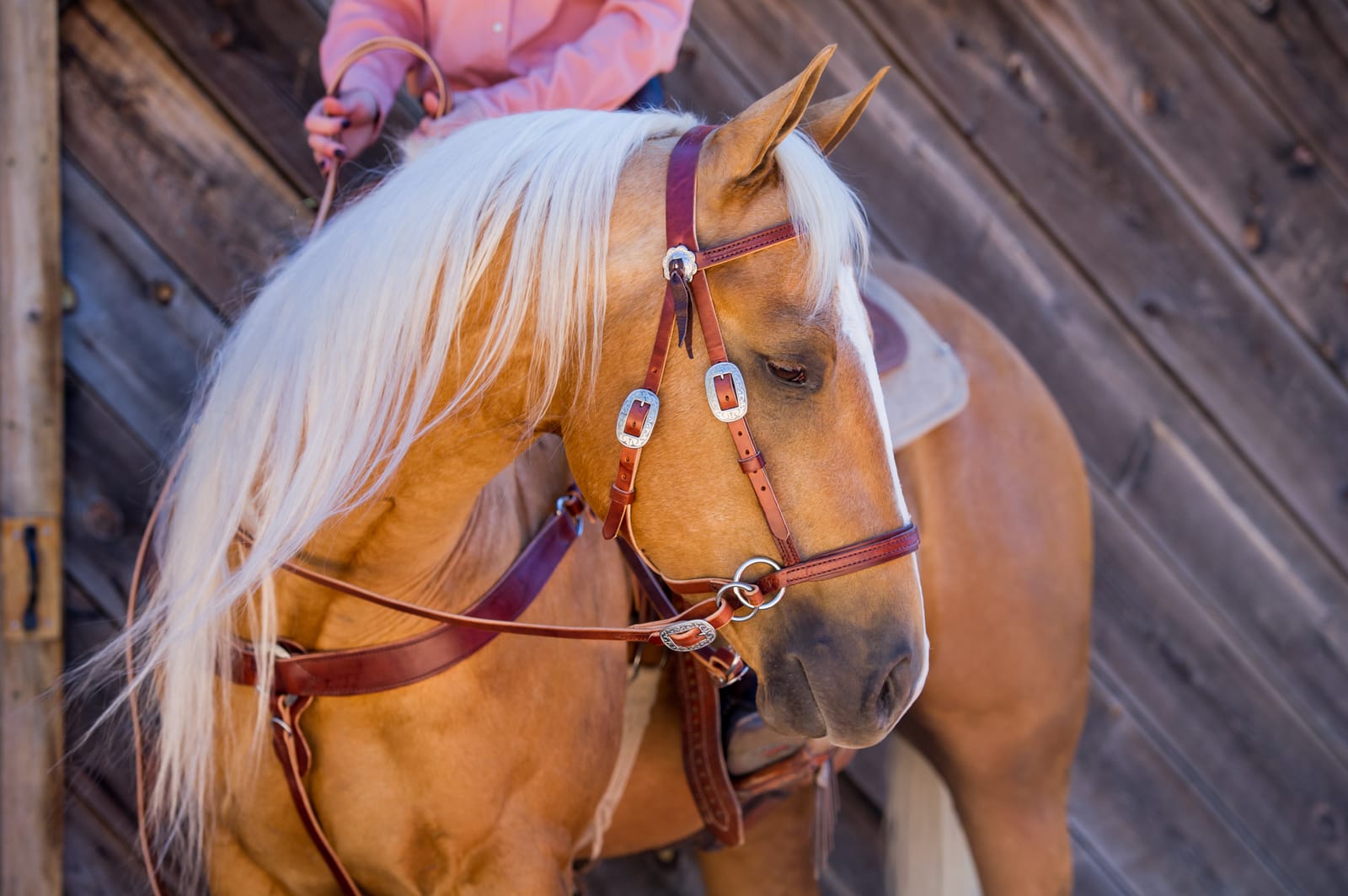
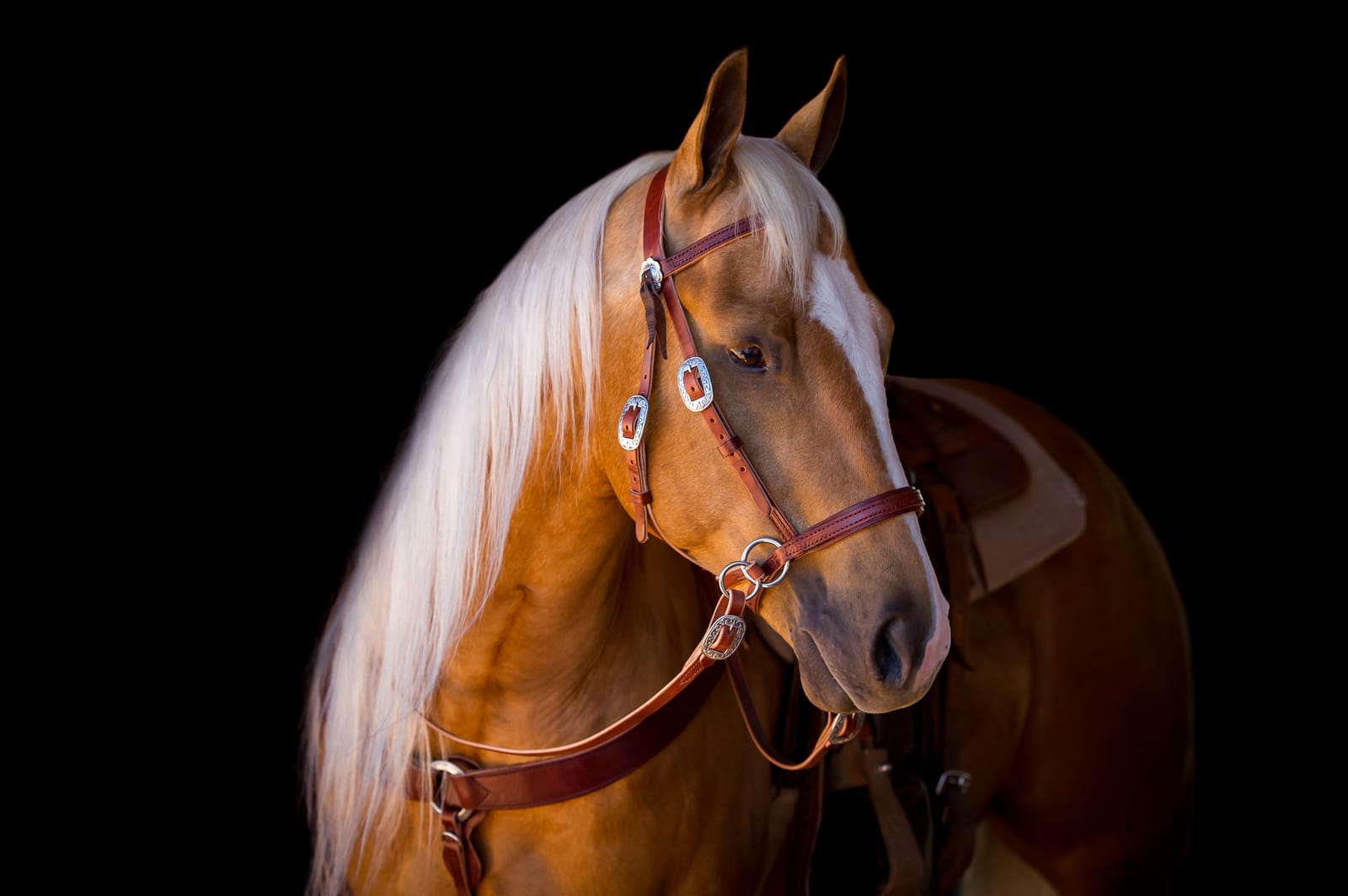
For horses that live out in the weather, the Beta Western Headstall is made from 5/8″ Genuine BioThane USA Beta, the closest thing to leather, with a slightly grainy, low-sheen surface. It stays supple in freezing weather and will not fade, mold, mildew, absorb odors, dry out or crack. Wipe it clean with a damp cloth and warm soapy water, or disinfect it with a 10% bleach solution. Swedge stainless steel hardware and a roller buckle at the chin finish it, in Black or Brown. See the Beta Western Headstall.
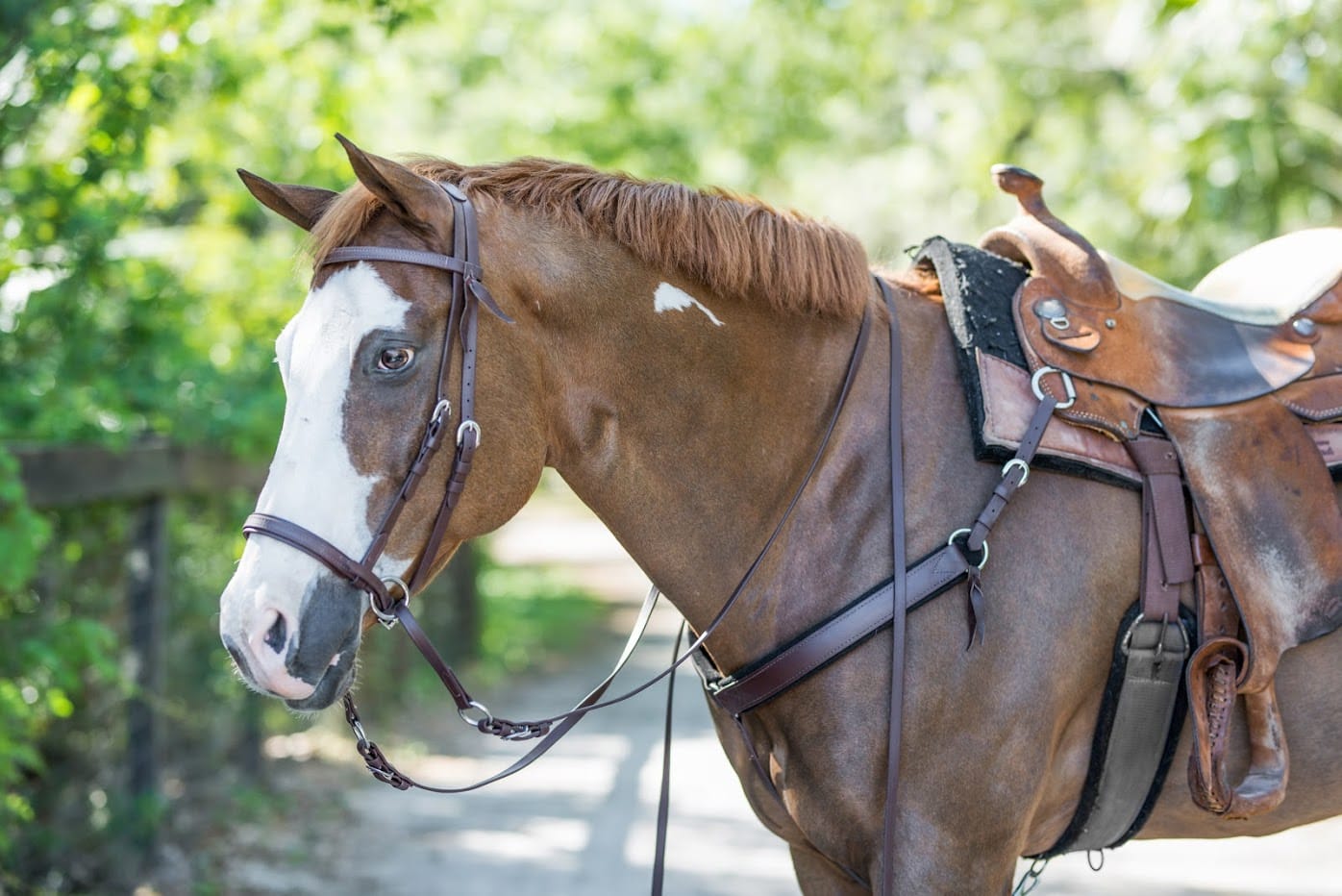
The same low-maintenance Beta with some flash to help you stand out in a crowd: a browband set with etched sunburst-pattern antiqued silver-tone spots, matching antiqued flower conchos and antiqued silver-tone swedge buckles for easy adjustment. Two styles of matching spotted reins are sold separately, and it comes in Black or Brown. See the Deluxe Beta Headstall.
The Western line also includes an economical Nylon Headstall in triple-ply webbing, a heavier 7/8″ Draft Beta Headstall built for the largest horses, and Beta headstalls in bright solid colors or custom overlay colors made to order. See them all on the Western bridles page.
The reins you already love will work. The headstall is designed so you can use your own reins, and it doubles as a halter for leading and tying up, a lunging cavesson and a long-lining headstall. If you want a matched set, PHS makes Western reins for every headstall in the same workroom:
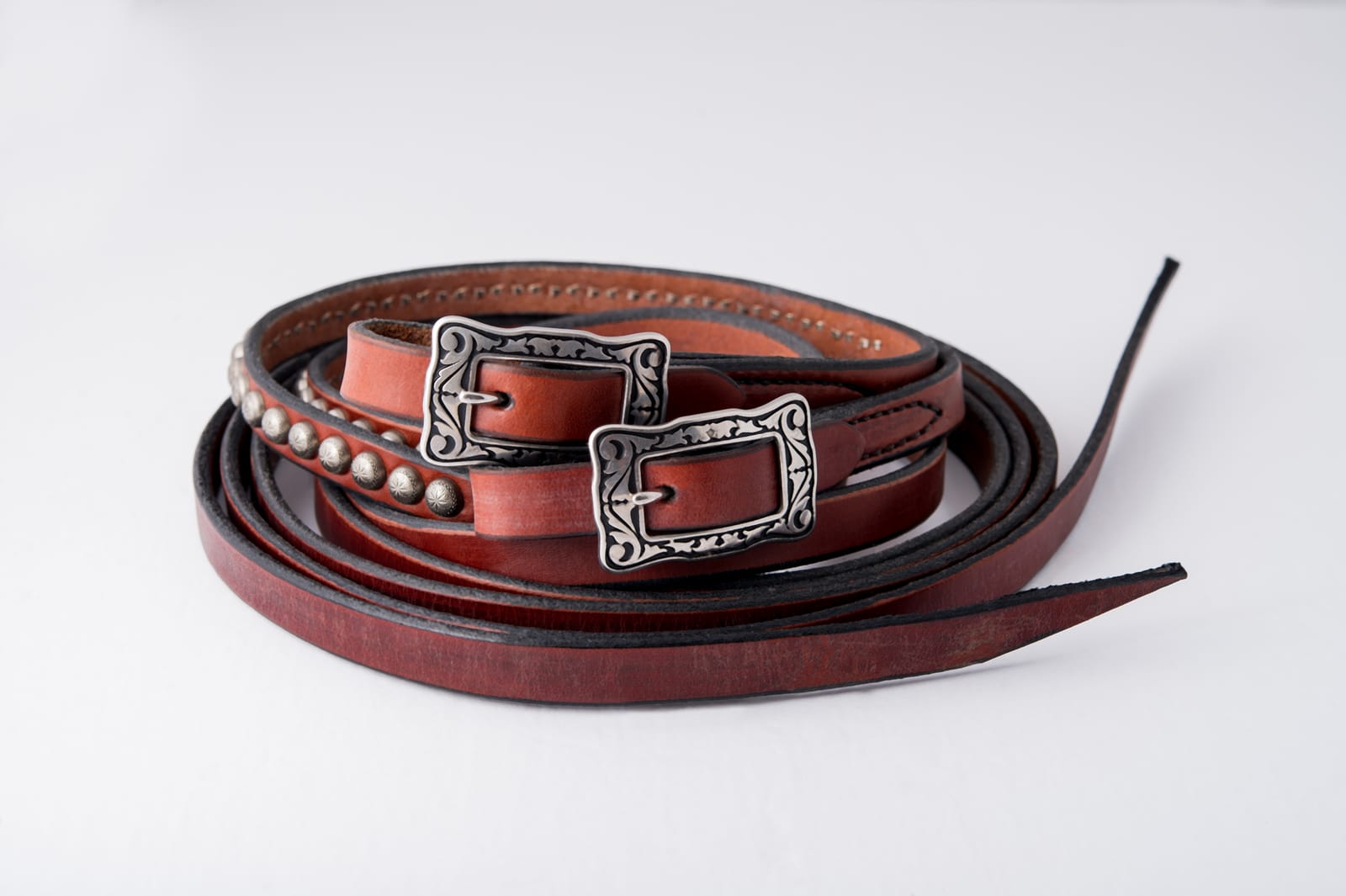
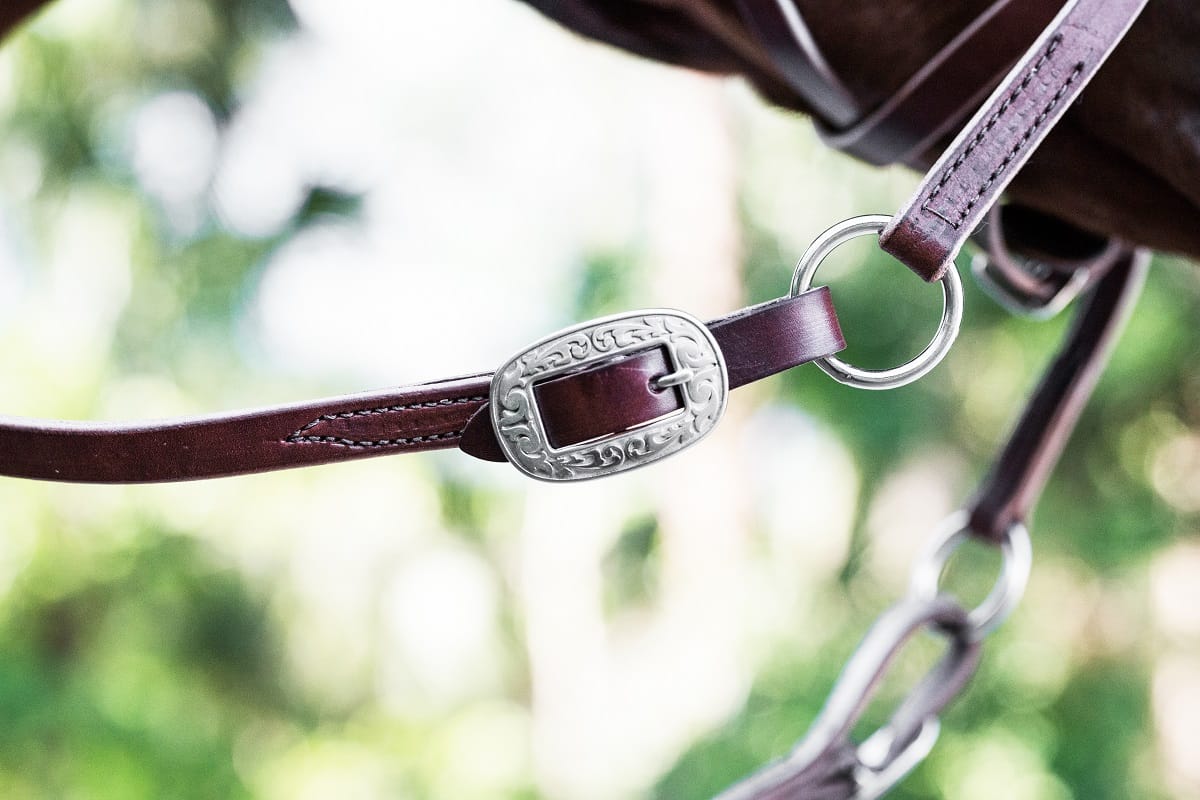
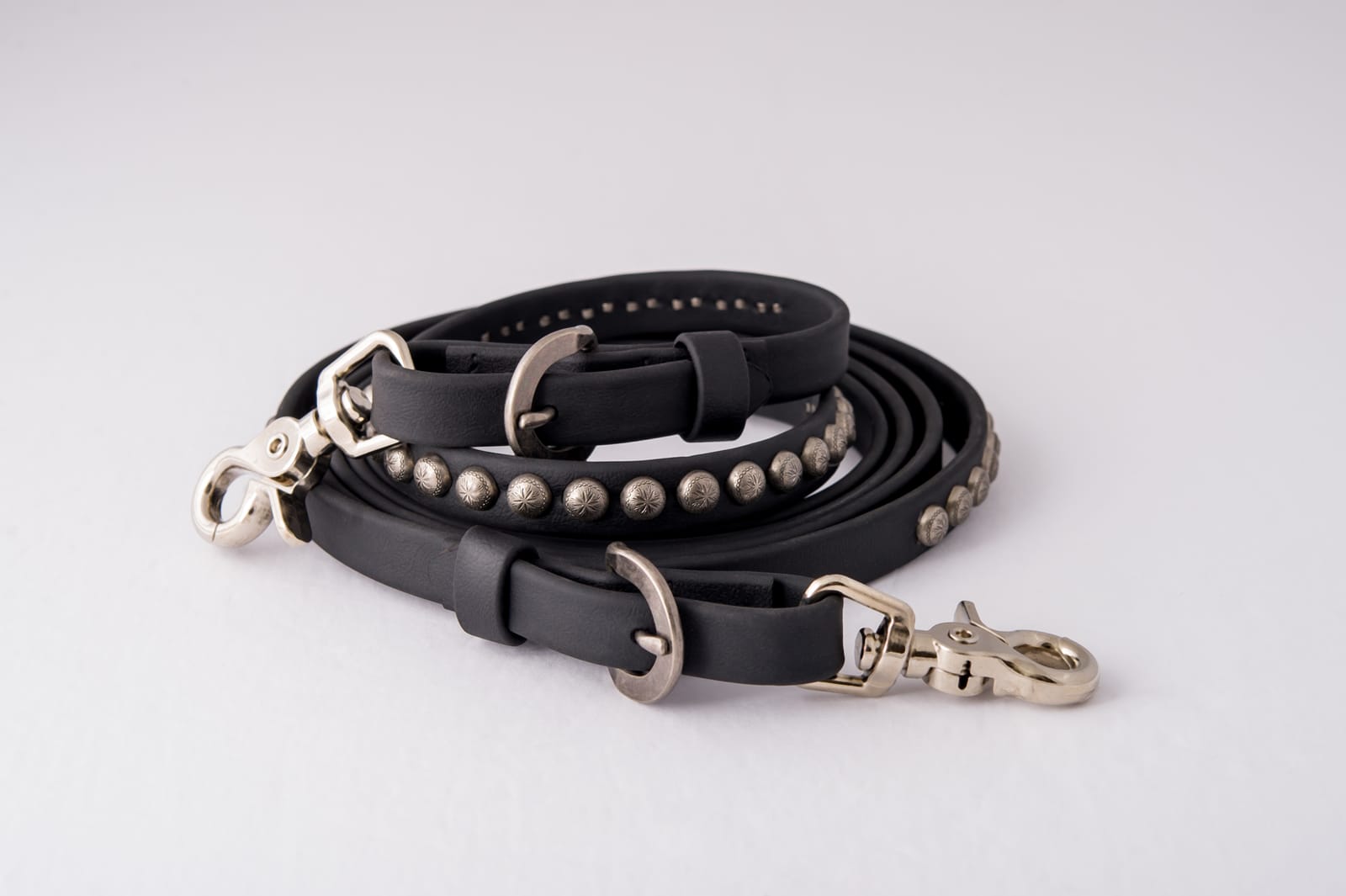
Browse every set of Western leather reins and Western Beta reins, including the Deluxe Beta Trail Rein below.
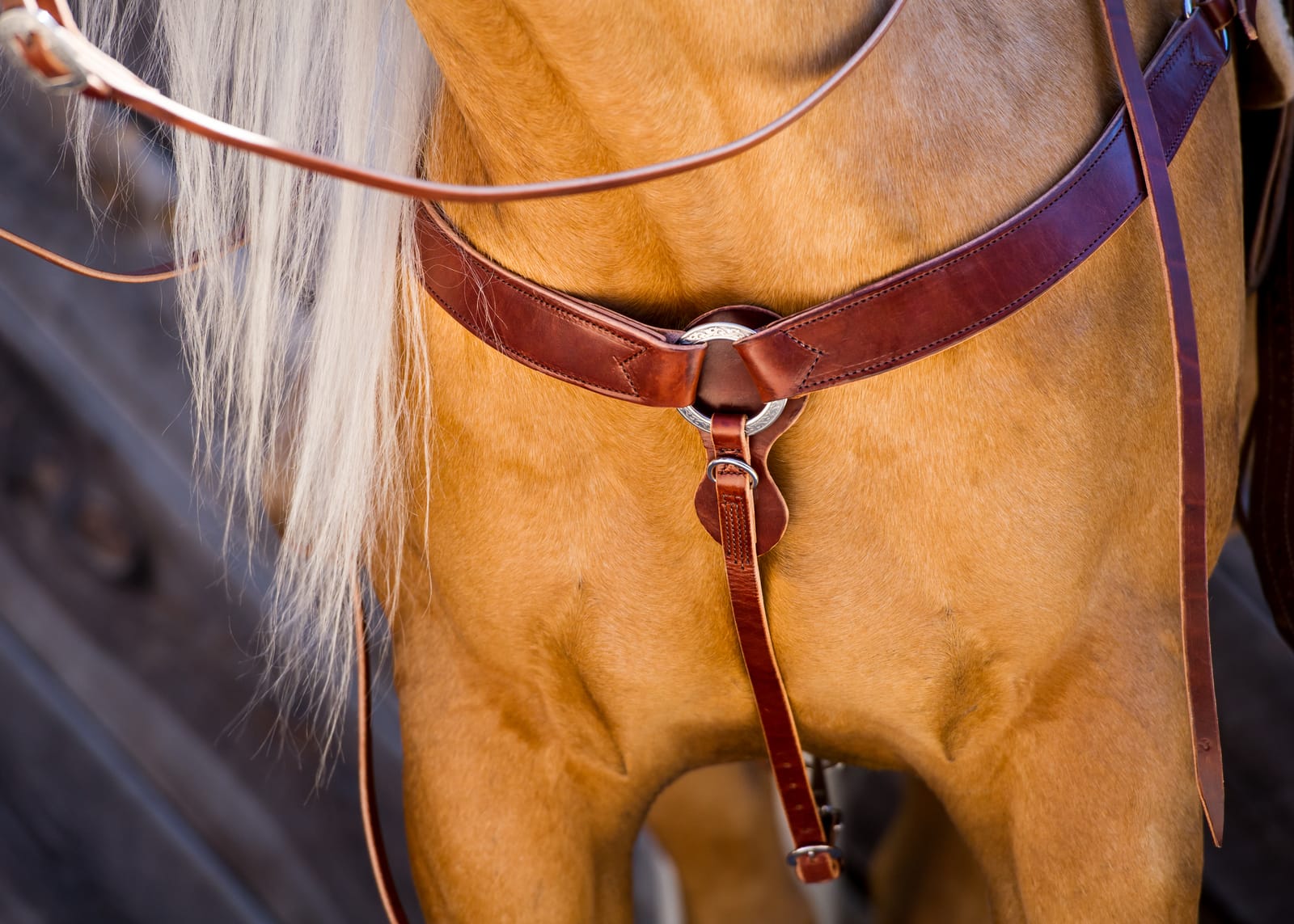
To finish the set, the Deluxe Harness Leather Breast Collar is cut from the same 10–13 oz. Wickett & Craig harness leather as the Deluxe Harness headstall and reins. It is contoured for a better, more comfortable fit, centered on a floral-pattern polished stainless steel ring, and made to last even under extreme riding conditions.
In Western dressage, yes. The 2026 US Equestrian Western Dressage rules (WD121) permit a bitless bridle on a horse of any age at any level, as long as it is a cross-under of Western style made of flat leather or leather-like materials. The rule describes the cross-under as a simple and subtle two-loop system, one over the poll and one over the nose, that embraces the whole of the head. Bitless bridles with sidepulls are prohibited.
Other associations and classes write their own tack rules, and many still require a bit, so read the current rulebook for your class before you enter. On the trail, at the ranch or in your own arena, the only rule is what works for your horse.
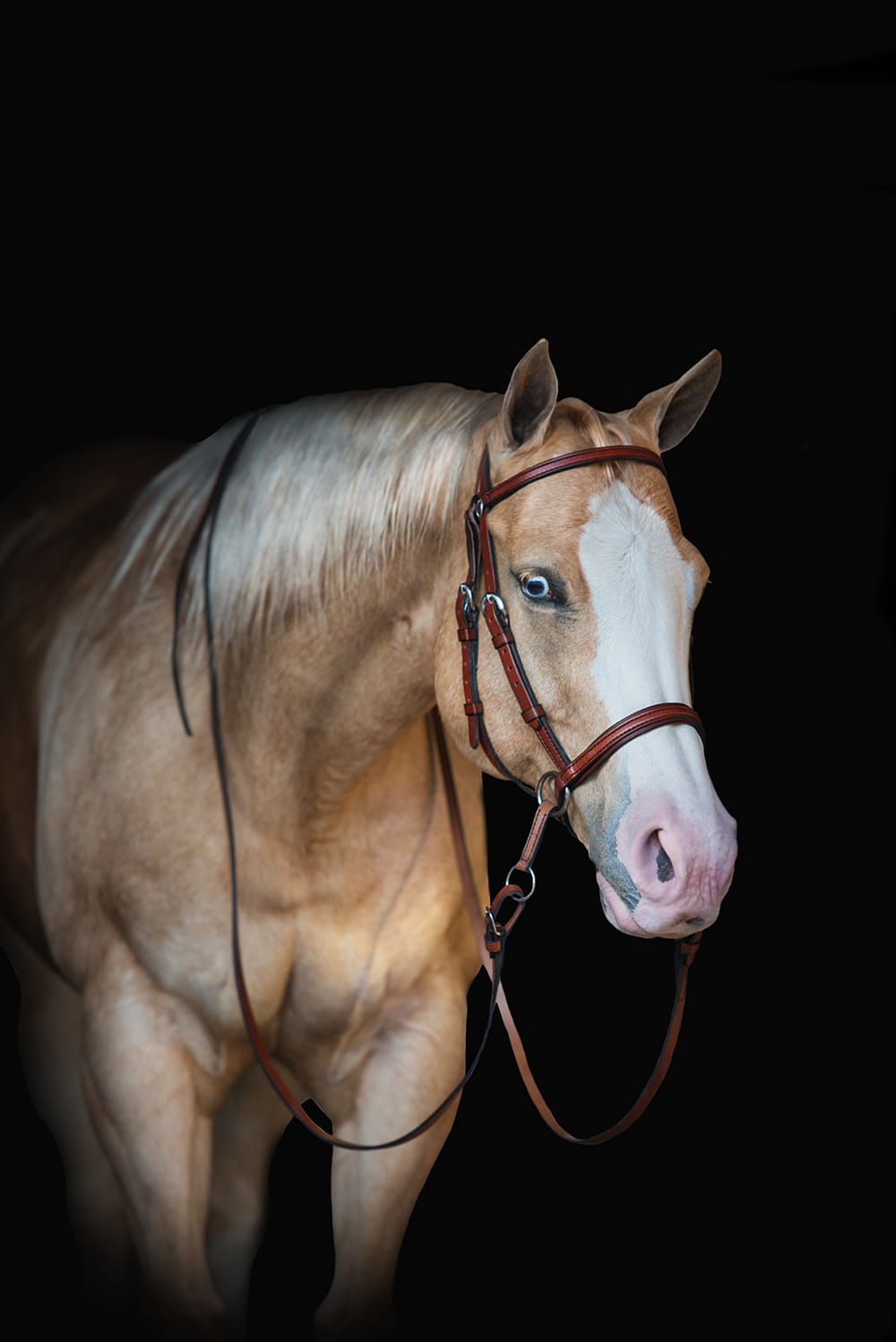
Fit is what makes the brakes work. The most common mistake, PHS says, is setting the noseband too high: its bottom edge should sit no more than 1.5″ on a small horse, or 2″ on a large one, above the corner of the mouth, where it still rests on the bony peak of the nasal bone. Then cinch the chinstrap until only one flat finger fits between the back of the jaw and the strap, so the noseband does not slide up the face when you pick up the reins.
To choose a size, measure around the nose 1.5″ to 2″ above the corner of the mouth, then measure from that same point over the top of the poll and double it for the headstall. The Western leather chart runs from Small to Large, with a Draft size for the biggest horses. If a bridle arrives and does not fit, PHS will exchange it, returned in new condition, for the correct size. The full chart is on the Sizing Information page.
PHS Saddlery began when Mr. Paul, at the age of 14, started building horse and pony driving harness on his parents’ farm in the Midwest. For the last 63 years PHS has supplied saddlery to horse owners across the U.S. and Europe, and it builds from a manufacturing facility in the Southern Colorado foothills of the Rocky Mountains. PHS is the original manufacturer of the Dr. Cook Bitless Bridle and recently purchased The Bitless Bridle Co. from Dr. Cook, who wanted to retire.
Dr. Robert Cook, Frcvs, PhD, is Professor of Surgery Emeritus at Tufts University and graduated from the Royal Veterinary College, London, in 1952. His research focused on diseases of the horse’s mouth, ear, nose and throat and the harmful effects of the bit, and he wrote Metal in the Mouth: The Abusive Effects of Bitted Bridles. He considers the Bitless Bridle the best thing to have happened to the horse since man first placed metal in its mouth, 6000 years ago.
Ready to ride your Western horse without a bit? Every headstall, rein and breast collar above ships direct from PHS Saddlery in Colorado Springs, and the team there can help you choose a size.
Rule out pain first: have your veterinarian or equine dentist check the teeth, bars, tongue and lips, and check how the bit and headstall fit. If the horse still braces, gapes or tosses its head, many riders take the bit out of the conversation with a cross-under bitless bridle such as The Bitless Bridle by Dr. Robert Cook, which steers and stops through gentle pressure around the whole head. PHS Saddlery reports that most horses accept it on the first day.
Go back to the ground. Ask for a small bend or a step back, release the instant the horse softens, and build from there before asking under saddle. A horse that leans or roots is often protecting its mouth, and a cross-under bitless bridle moves the request to the poll, cheeks and nose, so there is no bit to brace against. Trainer Dan Sumerel of the Sumerel Training System reported no sign of resentment when horses were asked to give to the bridle.
InfoHorse’s vetted source for Western bitless bridles is The Bitless Bridle by Dr. Robert Cook, made by PHS Saddlery, the original manufacturer of the Dr. Cook design. The Western line includes the Western Leather, Deluxe Western Leather, Deluxe Western with Antiqued Spots, Deluxe Harness Leather, Beta Western and Deluxe Beta headstalls, with matching reins and a breast collar. Order direct at BitlessBridle.com, where each headstall lists its colors and sizes.
It is a patented bridle that gives the rider control without putting any metal bit in the horse's mouth. Instead of a bit, it uses a subtle system of two loops, one over the poll and one over the nose, that cross under the jaw to distribute gentle, painless pressure around the whole of the head. It was invented by veterinarian Dr. Robert Cook and is manufactured by PHS Saddlery.
The bridle applies pressure differently from any other design. A nudge on one rein presses on one half of the head for steering, while pulling both reins gives a gentle 'hug' to the whole head for slowing and stopping. Because the mild pressure is spread over a large, less sensitive area, the bridle pushes the horse rather than pulling on its mouth, so the rider cannot inflict pain.
Yes. Neck reining is a taught response, and PHS Saddlery explains that The Bitless Bridle puts a subtle pressure on the entire side of the horse’s head when you neck rein, which is even lighter than the slight pressure a bit gives. Unlike other bitless tack, it still provides a very positive brake if you must stop quickly.
Yes. The 2026 US Equestrian Western Dressage rules (WD121) permit a bitless bridle on a horse of any age at any level, provided it is a cross-under of Western style made of flat leather or leather-like materials. Bitless bridles with sidepulls are prohibited. Other associations and classes set their own tack rules, so check the current rulebook for your class before you enter.
The Western line includes the Western Leather Headstall and Deluxe Western Leather Headstall in Wickett & Craig bridle leather, the Deluxe Western Headstall with Antiqued Spots, the Deluxe Harness Leather Headstall, and the all-weather Beta Western and Deluxe Beta headstalls. There are also Nylon and Draft Beta headstalls, matching split and trail reins, and a Deluxe Harness Leather Breast Collar.
Measure around the nose 1.5 to 2 inches above the corner of the mouth, then measure from that point over the top of the poll and double it for the headstall. Western leather sizes run Small for Arabs and ponies, Medium for the average horse and Large for warmbloods, with a Draft size for the biggest horses. PHS will exchange a bridle returned in new condition for the correct size.
The fitting instructions recommend placing the noseband at a level on the nose that can seem unusually low to riders used to bitted bridles. PHS explains in its FAQ that, at the recommended position, the noseband still rests on bone and does not interfere with breathing. Following the User Manual's fitting guidance is important for the crossover pressure to release and function correctly.
Yes. The FAQ confirms you can use your own reins, and PHS also sells matching Western leather, Beta and rope reins, including split reins and a one-piece trail rein. The company addresses martingale use as well, so riders can adapt the bridle to their existing tack within the fitting guidelines.
According to PHS's FAQs, most horses adapt readily because the bridle communicates through gentle, intuitive pressure rather than mouth discomfort. The company addresses transition questions directly, including starting a two-year-old in the bridle and moving back to a bit later if you sell or compete. New users are encouraged to follow the published User Manual and fitting instructions carefully.
PHS notes that bitless methods of communication are historically older than bitted methods, and that the belief a bit is required for control is a misconception. With the two-loop system the rider can never be denied control, and the horse cannot 'get the bit between its teeth.' As with all riding, no equipment can guarantee absolute safety, but the design is built to provide secure, reliable braking and steering.
Cook's research concluded that the bit, sitting in one of the most sensitive parts of the horse's body, can trigger a flight-or-fight response and is responsible for over a hundred behavioral problems. He found a bit can interfere with breathing and striding, prompt the horse to retract its tongue and lift the soft palate, and unbalance the horse onto the forehand. The Bitless Bridle is offered as a humane alternative to what he calls 'the Bronze Age technology of the bit.'
PHS states that a bit can trigger facial neuralgia, which in turn can cause headshaking, so removing the bit may alleviate or eliminate the problem. The bridle is also presented as potentially helping with related bit-caused issues such as 'flipping the palate,' epiglottal entrapment, and a horse that 'swallows its tongue.' Results vary by horse, and the company frames it as a possible aid rather than a guaranteed cure.
Traditional bitless bridles work primarily through concentrated pressure on the nose, which can still be harsh. The Bitless Bridle instead spreads gentle pressure around the entire head via its two crossing loops. PHS describes it as 'healthier than a Hackamore, better than a bosal and smarter than a sidepull.'
PHS lists kinder control with better 'brakes,' poll pressure rather than forced poll flexion, and more oxygen and energy because the airway is not obstructed. It also claims a liberated, freer neck, improved concentration, a lighter forehand with a longer stride, and reduced strain on bones, joints, tendons and ligaments. It can also eliminate the need for tongue-ties and bit-related evasions.
Dr. Robert Cook, FRCVS., PhD., is Professor of Surgery Emeritus at Tufts University and a veterinarian who graduated from London's Royal Veterinary College in 1952. His career focused on diseases of the horse's mouth, ear, nose and throat and on the harmful effects of the bit, and he has published nearly a hundred scientific articles. He invented and validated the Bitless Bridle starting in 1997.
PHS Saddlery, the original manufacturer of the Dr. Cook Bitless Bridle, makes it in its own workroom in the Southern Colorado foothills. PHS has supplied saddlery to horse owners across the U.S. and Europe for 63 years, and it recently purchased The Bitless Bridle Co. from Dr. Robert Cook, who wanted to retire.
Yes. In addition to the bridle and replacement parts, PHS offers reins, breast collars, a noseband cover, and a Bitless Bridle accessory package. The company also designs and manufactures an in-house line of belts, bracelets and key fobs in collections such as Cooper Sunrise, Park Avenue, Hunt Club, Spring Daisy, Silver Pony and Copper Pony.
Explore more from the InfoHorse.com directory




Explore expert guides on topics related to your business
By Bob Pruitt
By Robert Cook
By Desiree Johnson
By InfoHorse.com
By Anna Carner Blangiforti
By Bob Pruitt