

Be A Better Farrier
From the Casey & Son Horseshoeing School, La Fayette, Georgia
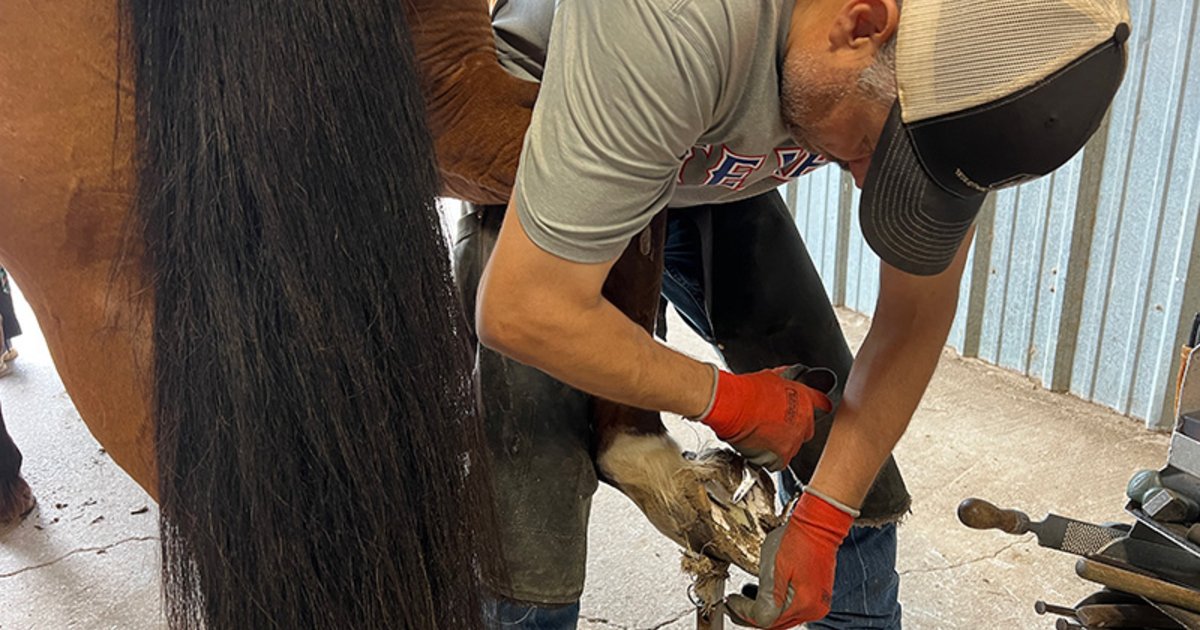
Good farrier work matters because the hoof carries the entire weight of the horse, and the main reason for shoeing is to keep the bony column of the leg in alignment so that when the foot strikes the ground, the entire bony column—including the spine—equally absorbs the concussion. Improper trimming and shoeing eventually pull that bony structure out of alignment, leaving the horse sore from unbalanced toe, heel, and leg lengths—the most common and most serious problem occurring in horses today. Sound hoof care starts young, yet thousands of youngsters never see a farrier until the owner wants a set of shoes around two years old.
In 1988 we began an all-out study, on not just sound shoeing, but maintaining the sound horse to allow him to perform at his peak. Horse owners began bringing us their horses to evaluate. Many at one time had the chance to be champions whether it be in cutting, running barrels, hunter jumper events, racing, and on and on. In our evaluations, we would discover that the most important part of the horse had been overlooked and neglected. These horses had received too many improper trims! And further evaluations showed that neither the amateur person trimming, nor the owner knew what they were trying to achieve with each trim or shoeing their particular horse.
The hoof carries the entire weight of the horse. So, it must be perfectly balanced, or as close as humanly possible, just like an athlete would require achieving their maximum performance. “Balance” has been mis used in many forms in our industry. Many horse owners become offended when we tell them that everything, they do is important to the hoof and they discover they did not know quite as much about their horse as they thought they did. So, we started hosting clinics at the school and offering valuable information for owners otherwise not available from any other hands-on resource.
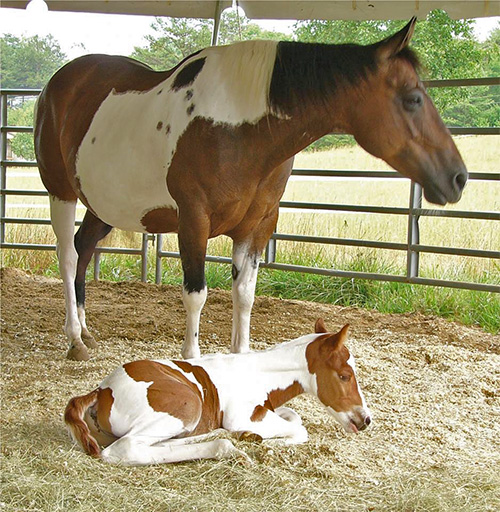
Whether training a champion or gentle trail horse for the kids, everything comes into play, from lunging correctly, proper saddle fit, feeding and nutrition. There is more to the science of shoeing than flattening the foot, nailing the shoe on and making it look pretty. Improper trimming and shoeing will eventually cause the bony structure to become out of alignment. The horse will be sore due to the unbalanced toe, heel and leg lengths. This right here is the most common and most serious problem occurring to horses today. As we have said before, the main reason for shoeing the horse is; “to keep the bony column of the leg in alignment, wherein, when the foot strikes the ground, the entire bony column, including the spine, equally absorbs the concussion.” This is the basis of our evaluations and studies here at the Casey & Son Horseshoeing School.To achieve this goal, we must start from square one, by properly feeding the broodmare, then properly feeding the newborn then on to evaluating and properly trimming the youngster. The entire bony structure of this newborn is growing rapidly and to alter it’s body by improper trims or neglect trimming altogether will create big problems down the road. And there are thousands of youngsters who never see a farrier until the owner wants a set of shoes around two years old. This too is by far one of the most common problems seen in horses today.
Our moto is: The Farrier is the most important equine professional for the overall health of the horse in the equine industry. It is very important for horse owners to seek out the education about the farriers’ job and the maintenance plan suggested to keep a horse sound and healthy. Also, since 2002, horse owners have been fortunate to have access to the only farrier research center in the U.S. dedicated to studying farrier science operated by caring horse owners and farriers. The school and the Fnrc continue to share this education in courses and clinics for owners and one of the first ongoing continuing education programs available for farriers.
Horse Owners are welcome to bring their horses to the School for their trimming and shoeing needs and watch, listen and learn about their own horses while the farriers do their work. Lots of conversations, demonstration, explanations with Your Horse in an educational environment. Farriers are normally horse owners first who want to find a better farrier in their area, provide the right care for their own herd and enjoy it so much, make a profession of it. There is always a need for more qualified farriers or just owners who want to buy a better horse, ride a better horse and enjoy a better horse!
Happy Horse = Happy Owner! ….and better yet, A Happy Horse Owner Makes a Happier Farrier! For more information, contact the Casey and Son Horseshoeing School, Inc. La Fayette, Georgia (706)397-8909 caseyhorseshoeing.com (Located in the community of Villanow near the Pinhotti Trail, Hwy 136)