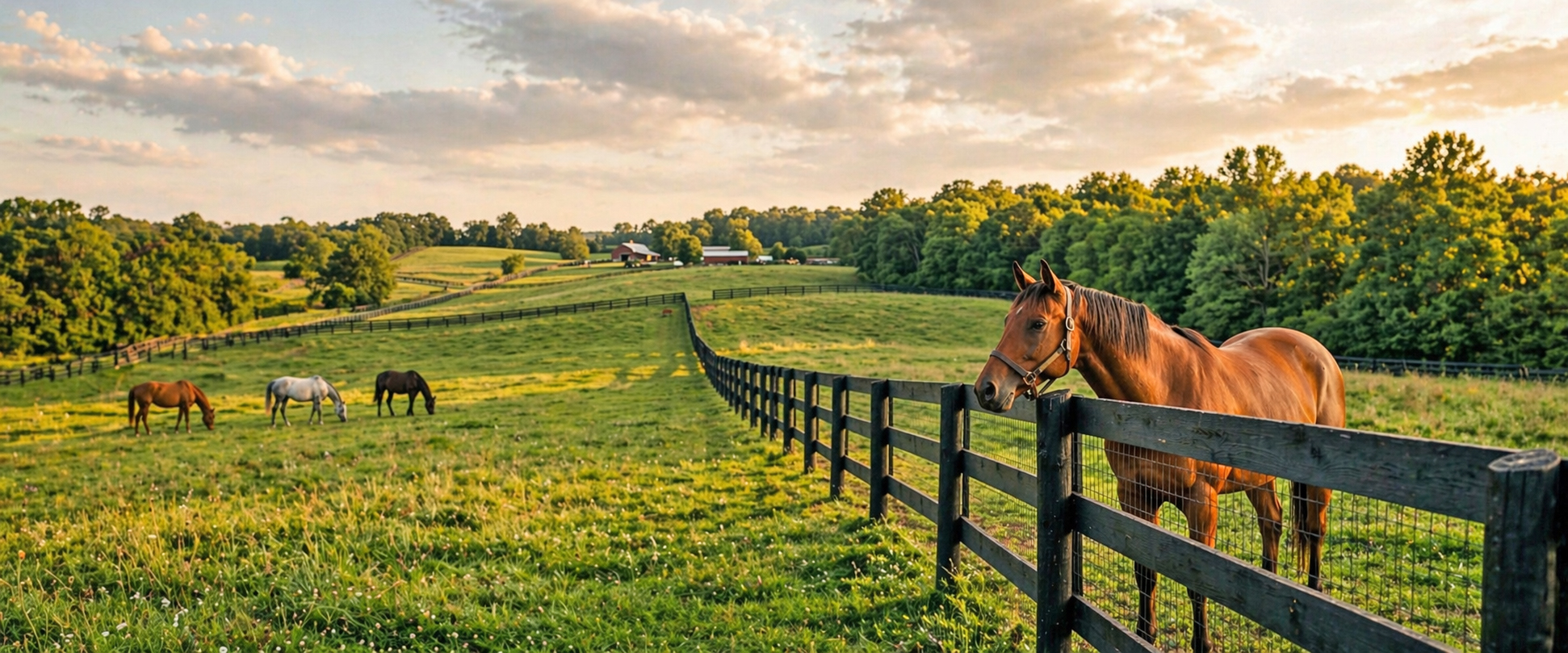
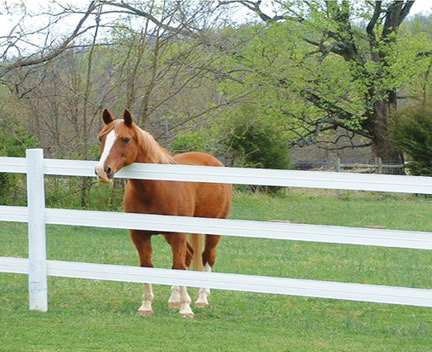
The best fence for a horse property balances four things—safety, longevity, appearance, and budget. Common materials include wood, vinyl, coated wire, electric, mesh, and modern composite systems, with innovative low-maintenance options available for owners who want less upkeep. Safety comes first: a well-chosen fence is designed to reduce injuries, prevent escapes, and stand up to everyday use.
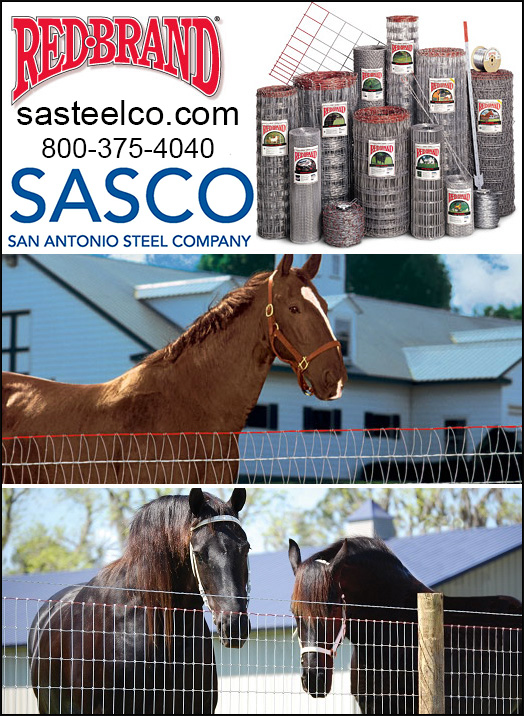
Fencing for Horse Properties Finding the best fencing for horses can feel overwhelming for many horse owners, especially when they want a solution that is safe, long-lasting, attractive, and budget-friendly. At InfoHorse.com, we provide trusted information on fencing companies that specialize in the best fence for horse owners so you can compare products, materials, and manufacturers all in one place.
Whether you are looking for affordable fence for horse owners, premium fencing systems, or innovative low-maintenance options, our goal is to help you make an informed choice.
Safety is always a top priority, and we feature companies offering safe fencing for people who own horses, designed to reduce injuries, prevent escapes, and stand up to everyday use. Learn about wood, vinyl, coated wire, electric, mesh, and modern composite systems, along with installation tips and long-term durability considerations.
For a complete, brand-by-brand walkthrough of choosing horse fencing, see our full guide: Choosing the Best Fence for Your Horse Property.
💬
Questions Readers Commonly Ask (FAQ)
What fencing materials should I compare?
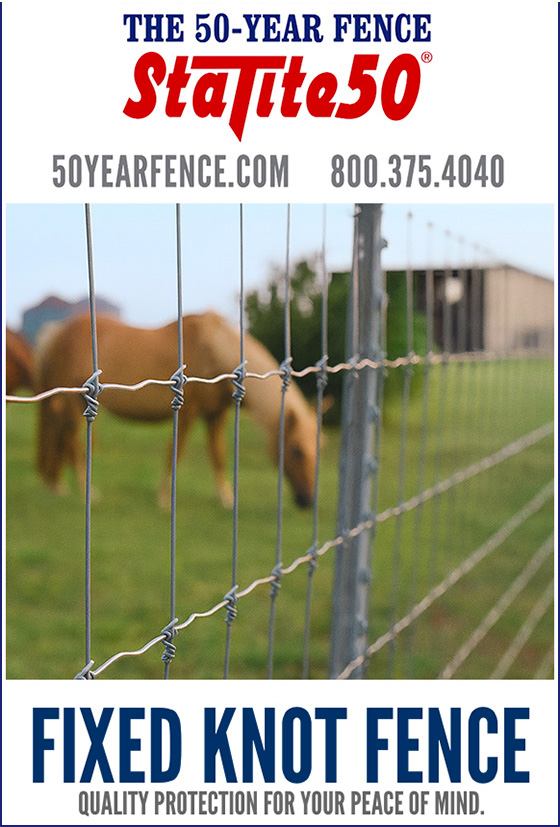
Per InfoHorse.com: wood (traditional, high maintenance), vinyl/PVC (low maintenance, can shatter on hard impact), coated wire (flex-on-impact safety), electric (perimeter or interior reinforcement), mesh (foal-safe), and modern composite (premium long-life). Each fits different needs.
How do I balance safety and cost?
Per InfoHorse.com: safety wins on roadside perimeters and high-energy paddocks—premium fencing pays back in avoided injury and liability. Interior cross-fences can use lighter, cheaper options. Match material to the risk level of each section.
What about low-maintenance fencing?
Per InfoHorse.com: coated wire, vinyl, and modern composite systems all run low on annual maintenance compared to traditional wood. Higher upfront cost; lower long-term labor and replacement cost. Match the material to how much time you actually want to spend painting and repairing.
How long should fencing last?
Per InfoHorse.com: galvanized panels and steel-rail systems 25–40 years; quality vinyl 15–25 years; treated wood 15–25 years with maintenance; coated wire 20–30 years. Match the lifespan to your investment horizon.
Where does InfoHorse list fencing companies?
Per InfoHorse.com: the Horse Fencing category page features manufacturers offering safe, durable systems for horse owners. Read articles, compare products, and contact companies directly to request quotes.