

Relaxation and Suppleness in Horse Training -
the missing link to sustainable horse power by McKrell Baier, Requilife
Suppleness and relaxation are the most often overlooked aspects of a horse’s training, and skipping this basic work can damage both the horse’s body and his mind. Neither can be forced—a horse only stretches his neck and nose toward the ground when his muscles are stretched and his mind is calm. Because every horse is born at least slightly asymmetric, stretching the muscles both laterally and longitudinally keeps him from overusing his naturally strong side and under-developing his naturally weak side.
Well-oiled, smooth and coordinated movement are requirements for mechanical engines to produce power and maintain that potential over time. As a rider, utilizing your horse’s potential for “horse power” is no different. The most often overlooked aspect in a horse’s training is suppleness and relaxation. Overlooking the importance of this very basic work has the potential to cause extensive damage to both your horse’s engine (his body) and his control panel (his mind).
I love training relaxation and suppleness because it can never be forced. You can pull on the reins and drive a horse forward but you can never force him to stretch his neck and his nose forward toward the ground. You cannot command him to relax the ears and allow the tail to swing. These things just happen when his muscles are stretched and his mind is calm.
Think about the resurgence of yoga practice in many parts of today’s world. Why is it so popular? I believe it is because while we are trained to do so many things from such an early age (reading, writing, math, handcrafts, computer skills, arts, etc.) many modern cultures don’t teach us about the importance of relaxation in maintaining our health, nor do they teach us techniques for achieving it. In our experience working with horses, the most common issues in their training and their health can be traced back to tension, the opposite of relaxation. We believe this is due to the current lack of knowledge regarding the natural mechanics of the horse’s anatomy and mental faculties.
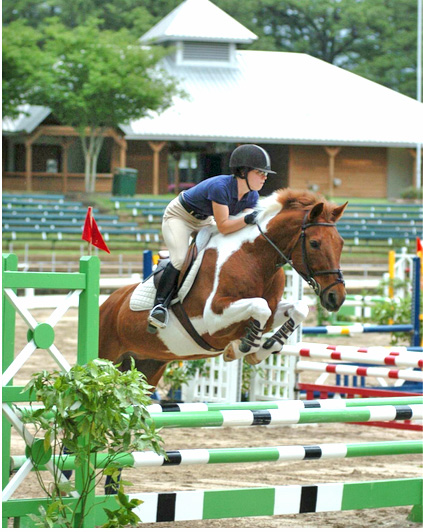
Human culture has for many thousands of years used horses to our benefit, and we continue to do so today. The classical art of riding and training horses did not overlook the necessity for relaxing their bodies and minds, so why is it so often forgotten today? Because we are riding for different reasons than we did before. Rather than riding for life-saving precision in military maneuvers, we ride for ribbons, trophies and prize money.
Rather than training for strong and long-lived equine partners, we train for spectacular movements to impress judges and audiences. Perhaps our focus on competition results as the mark of success with horses rather than on the lifetime achievement and longevity of horse and human partnership is to blame.
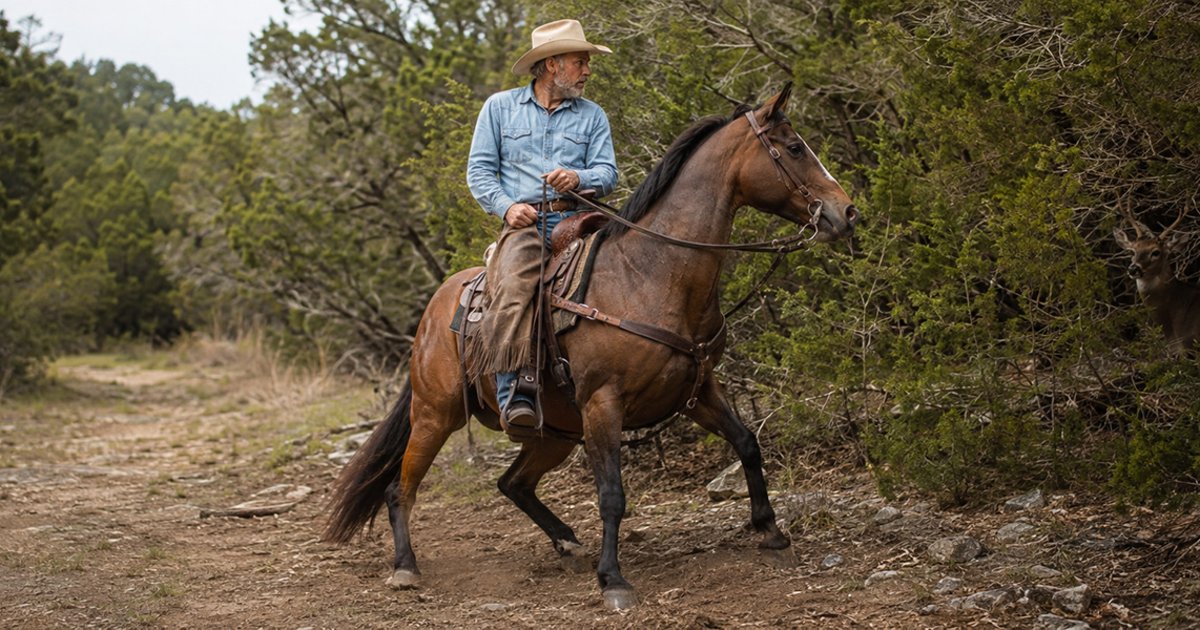
But what about the pleasure rider, the trail rider, the rider that doesn’t care what others think about his riding, but just wants to do the best he can for his horse and use him only as a partner for traveling in nature, enjoying the relaxation that the experience provides him? Even in trail horses, we often see the same training and health issues relating to tension as those in sport horses. How can this be? Isn’t it a great thing for horses to move over long distances? Trail riders aren’t pulling their horses into a “frame” for aesthetics, the horses are generally free to carry themselves in the way they prefer. So, how does this damage occur?
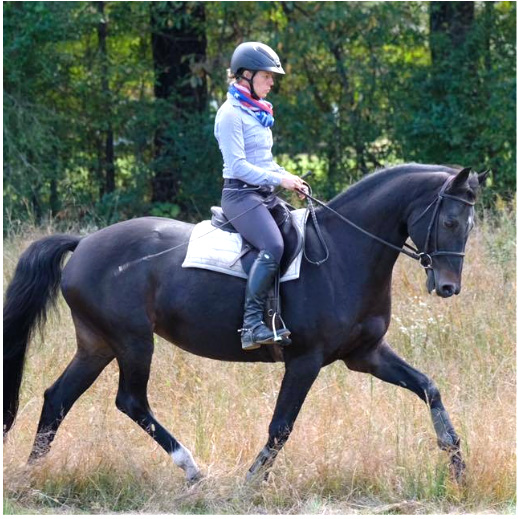
All horses are asymmetric, at least to a slight degree. Just as we are born right handed or left handed, horses, though they have a horizontal orientation where we are vertical, also have dominance that they are born with. Relaxing and suppling them through stretching their muscles both laterally and longitudinally is essential to stop the horse from overusing their naturally strong side and under-developing their naturally weak side.
Horses are not designed as weight-bearing structures. Their backs dip down where the back of a camel or elephant curves upward. Therefore, in order to utilize their strength, speed & agility with a rider on top, we must train horses to our aids in order to direct their movements and develop their bodies so that they can bear our weight on their backs while performing the tasks we require without damaging their joints, tendons & ligaments; without damaging their psyche.
Never underestimate the value of relaxation in yourself & in your horses. Research, read, practice and when you feel stuck or frustrated or fearful, seek the help of a trustworthy horseman. You will know who they are because you will always notice their horses before you notice them- they will always put the horse first.
Contact: McKrell and Christian Baier 1707 Quinn Road Collierville, Tennessee 38017 Phone: 901-219-7878 Email: [email protected] Website: requilife.com