

The Importance of Horse Health Supplements

Horse health supplements matter because hay alone doesn’t always provide a complete diet—even top-quality hay can be lacking in vital nutrients like Vitamin E, Omega-3 fatty acids, magnesium, and selenium. Supplements are formulated to fill those gaps, supporting areas such as hooves, coat, digestion, the immune system, joints, and respiratory health. They work alongside the foundations of equine health—long-stem forage, free-choice salt, and fresh, clean water, of which horses drink 5 to 15 gallons a day depending on weather, workload, and diet.
At InfoHorse.com, we believe every horse deserves to live a life of vibrant health and that begins with what goes into their bodies. Horse health isn’t just about treating illness; it’s about preventing problems before they start and supporting every aspect of your horse’s well-being, inside and out.
Whether your horse is a backyard trail buddy, a high-performance competitor, or a retired senior enjoying a slower pace, their nutritional needs are unique, evolving, and essential to their quality of life.
Understanding Your Horse’s Health Type Before we can talk about what kind of supplements your horse may need, it's important to identify your horse’s health type. Horses, like people, have different metabolisms and body conditions.
Easy Keepers tend to gain weight easily and often require less grain and a more controlled diet. They usually do well on pasture or grass hay. However, they may still lack key nutrients that aren’t found in forage alone, such as Omega fatty acids, joint support ingredients, or trace minerals.
Hard Keepers or high maintenance horses tend to burn calories quickly. These horses may require extra hay, higher-calorie feeds, including nutritional supplements to keep them in good weight, energy, and condition.
Knowing which type your horse is will help determine if their forage-based diet is enough or if they would benefit from additional concentrates (like bagged feeds) or targeted supplements. Even with grain or commercial feed, certain nutrients often fall short or degrade over time, especially if hay is cut early, stored too long, or affected by weather.
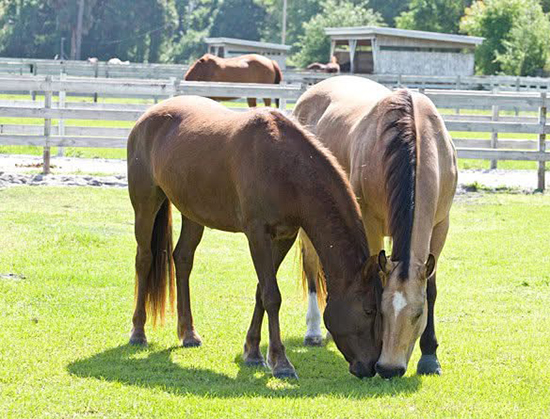
The Role of Forage, Feed, and Supplements Hay and pasture should always be the foundation of a horse’s diet. A healthy digestive system depends on long-stem forage to keep the gut moving properly and to help prevent ulcers and colic. However, hay alone doesn't always provide a complete diet. Even in top-quality hay, vital nutrients like Vitamin E, Omega-3 fatty acids, magnesium, and selenium may be lacking. This is where horse health supplements step in.
Why Are Horse Health Supplements So Important?
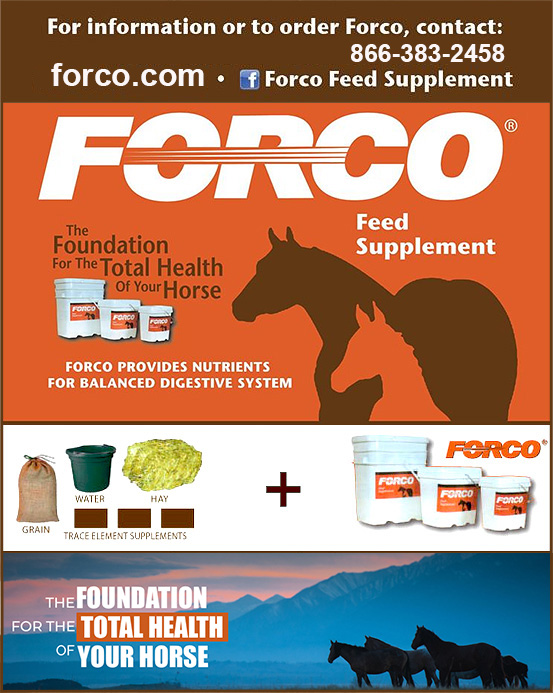
Horse health supplements are formulated to support areas of nutrition that hay and grain may miss. Whether your horse needs help with their hooves, coat, digestion, immune system, joints, or even respiratory health, there’s likely a supplement tailored for them. Here are key indicators of well-balanced equine health that supplements can help support:
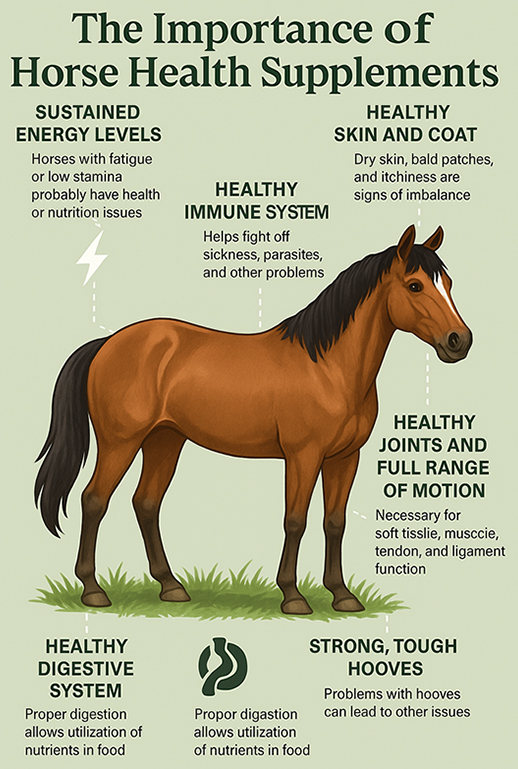
1 Sustained Energy and Stamina Horses that seem sluggish, unmotivated, or tire quickly may be dealing with poor absorption of nutrients, low protein intake, or missing vitamins
2 A Strong Immune System A healthy immune system defends your horse against parasites, illness, and inflammation
3. Healthy Digestion From hindgut ulcers to inconsistent manure, many digestive issues stem from poor microbial balance or low fiber fermentation. Digestive supplements containing prebiotics, probiotics, and enzymes can aid in nutrient absorption and gut health.
4 Shiny Coat and Healthy Skin Flaky skin, dull coats, and patchy hair are often signs of nutritional gaps
5. Joint and Soft Tissue Support Whether you're trying to prevent future joint issues or manage arthritis, ingredients like glucosamine, chondroitin, MSM, hyaluronic acid, and collagen are essential for keeping your horse comfortable and mobile. These nutrients help maintain cartilage, fluid, and tissue integrity in joints.
6. Hoof Health “No hoof, no horse.” That saying exists for a reason. Supplements that include biotin, methionine, zinc, and copper support stronger hoof walls, faster growth, and improved circulation. Weak, cracked, or brittle hooves often benefit from months of consistent hoof supplementation.
The Power of Natural, Whole-Food Ingredients

Not all supplements are created equal. Look for equine supplements made with high-quality, raw or minimally processed ingredients. Horses evolved grazing on diverse, natural feeds, not synthetic fillers. The best supplements mimic this by using plant-based or biologically active ingredients that the horse's body recognizes and utilizes efficiently. Supplements should be microbiologically safe, free of harmful fillers, and manufactured with care. Always choose brands that provide transparent labeling, third-party testing, or veterinary formulation.
Don’t Overlook the Basics: Clean Water and Salt No supplement in the world will work if your horse isn’t drinking enough water. Fresh, clean water is the foundation of health. Horses drink 5 to 15 gallons a day depending on weather, workload, and diet. Without proper hydration, digestion stalls, the risk of impaction colic rises, and cellular functions decline. Offering clean water daily, scrubbing troughs regularly, and ensuring access even in freezing weather are non-negotiables for good health.
Also, make sure your horse has access to free-choice salt or a loose mineral block. Electrolyte imbalances caused by sweat, hot weather, or restricted mineral access can affect energy, hydration, and appetite.
When Are Supplements Most Needed?
Every horse benefits from baseline support, but certain stages of life or situations may call for specialized supplementation: - Foals and growing horses – need calcium, phosphorus, and trace minerals for bone growth. - Senior horses – may need joint support, digestive help, and immune-boosting nutrients. - Pregnant or lactating mares – require enhanced levels of protein, minerals, and omega fatty acids. - Performance horses – lose electrolytes and minerals through sweat and stress. - Horses with metabolic conditions – need support for insulin regulation, weight control, and hoof integrity.
InfoHorse.com—Your Resource for Trusted Equine Supplement Information At InfoHorse.com’s Horse Nutrition section, horse owners can explore a wide variety of trusted supplement companies, educational articles, and nutrition tips from equine professionals. We feature natural, effective products made specifically for horses with a focus on quality and safety. Our mission is to help horse owners make informed decisions—so their horses can lead longer, healthier, and happier lives.

Final Thoughts Horse health supplements aren’t just for problem-solving—they’re for proactive care. A small scoop of the right supplement added to your horse’s daily feed can make a huge impact over time. When combined with proper forage, clean water, turnout, and love, supplements complete the picture of modern equine wellness. At the end of the day, your horse is counting on you to give them what nature intended—real nourishment, thoughtful care, and the best tools for lifelong health.