

Eventing packing is different because the day asks one horse and rider to become three versions of themselves. Dressage wants quiet polish. Cross-country wants safety, studs or footing decisions where appropriate, water, timing, and recovery. Show jumping wants clean gear and enough mental reset to ride accurately after adrenaline. The trailer has to support all of it.
A good packing list is not a giant fear document. It is a calm system that separates phases, protects the horse, and keeps riders from making tired decisions at the venue.
The Bridleway rule: Pack by phase, then pack the horse-care layer that protects all phases.
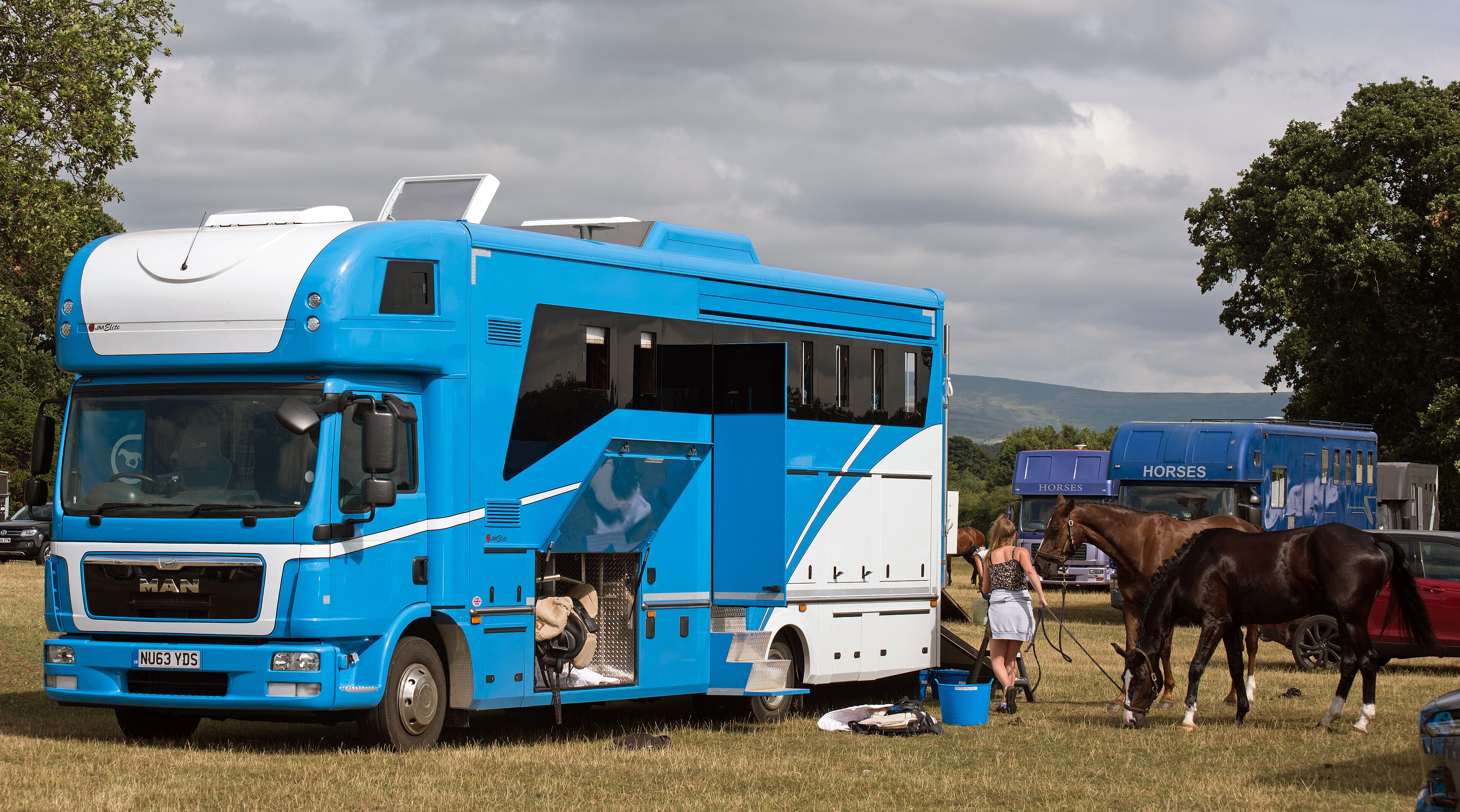
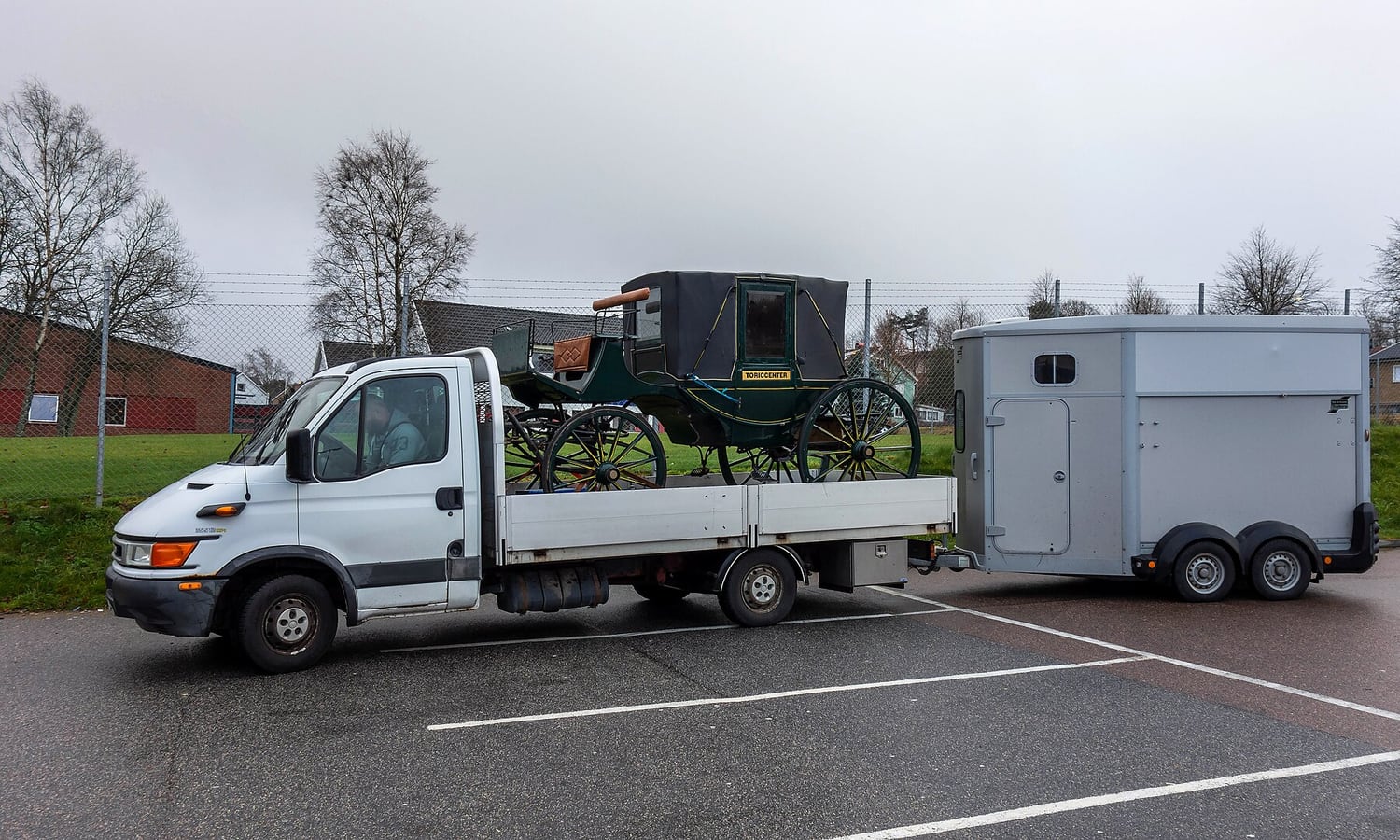
Dressage: polished and boring on purpose
The dressage loadout should be the cleanest and easiest to reach: saddle, bridle, legal bit, pad, number plan, coat, boots, gloves, stock tie if used, hair supplies, and any required paperwork. This is not the moment to rummage through cross-country boots and muddy towels.
Keep dressage gear in its own bag or trunk section. The rider should be able to tack up calmly and preserve the horse's focus before the first score of the day.
Parent note: Ask the rider to explain where each phase lives in the trailer. If they can show you the system before leaving home, they are less likely to panic at the venue.
Cross-country: safety, cooling, and recovery
Cross-country packing has a different energy. Protective boots, vest, medical armband or required information, watch if used, appropriate studs or traction plan if applicable, spare reins, water, towels, scraper, cooling gear, and recovery supplies all matter.
The most useful barns stage cross-country gear so the rider can change phases without unpacking the whole trailer. After the phase, the cooling setup should be faster to access than the snack bag.
Packing by category
All pads together, all boots together, all rider clothes together. Tidy at home, slower at the show.
Packing by phase
Dressage, cross-country, and stadium each have a reachable kit. Less elegant in theory, more useful under pressure.
Show jumping: reset the horse and rider
Stadium comes after the horse has already worked and the rider has already felt the day. Clean boots, correct tack, water, a mental reset, and enough time to check studs, footing, and energy matter.
This is where a printed checklist earns its place. It prevents the rider from assuming that because one phase went well, the next phase is already prepared.
| Trailer zone | Include | Why it matters |
|---|---|---|
| Dressage | Clean tack, pad, gloves, coat, number, legal bit. | Protects focus and prevents first-phase chaos. |
| Cross-country | Protective gear, cooling kit, water, towels, timing items. | Supports safety, recovery, and efficient phase change. |
| Stadium | Clean jumping gear, spare gloves, water, course notes. | Creates a reset after adrenaline. |
| Horse care | Hay, water, buckets, first-aid basics, documents, medications as directed. | Protects the horse across the whole weekend. |
Medication and treatment rules matter.
Do not pack or use supplements, medications, topical products, or treatments casually at competitions. Follow current rules and veterinary guidance.
What riders are asking before they buy, show, or change the routine
The useful question is often more ordinary than the polished product copy. Riders and parents want to know what will help the horse feel better, what will keep the rider safer, what is worth paying for, and what can wait. The better buying habit is to translate each worry into a check you can repeat at the barn.
Keep these questions open
- What should I pack for an eventing weekend?
- Why should eventers pack by phase?
- What should be easiest to reach after cross-country?
- Should I bring spare tack to a horse trial?
The night-before trailer walk
The best eventers do not rely on a heroic morning. They walk the trailer the night before: paperwork, horse water, hay, phase kits, spare tack, rider clothes, first-aid supplies, weather gear, chargers, and route plan.
Then they do one more thing: they remove clutter. A trailer that contains everything but hides the one thing needed now is not packed. It is merely full.
The useful standard
If a tired rider can find cooling gear in ten seconds after cross-country, the packing system is working.
What to ask the professional before you spend more money
A polished English-riding decision still benefits from a second set of expert eyes. Before buying the upgraded version, changing equipment, adding a new product, or blaming the horse, bring a clean question to the trainer, veterinarian, fitter, farrier, barn manager, or product specialist.
| Ask | Why it helps |
|---|---|
| What problem are we solving first? | It separates comfort, safety, training, rule, and presentation questions. |
| What evidence would change the plan? | It keeps the decision from becoming brand loyalty or barn rumor. |
| How will we know this worked? | It turns the purchase or routine into an observable horse-care test. |
How to use this guide this week
Pick one checkpoint from this guide and use it before or after three rides this week. Write down what you saw, what the horse felt like, and whether the answer changed after a lesson, a harder school, or a show-day simulation. Good horsepeople do not need perfect guesses. They need repeatable observations.
Simple record: Keep a tiny note in your phone: date, horse, work, what changed, and what you will ask your trainer or professional next. Patterns are where ordinary barn notes become useful horsemanship.
Research note: This Bridleway guide was shaped from Usea education, USEF Rulebook, r/Equestrian reader discussions. Forum and Reddit discussions were used only to understand common rider questions, not as veterinary, legal, or rule authority.