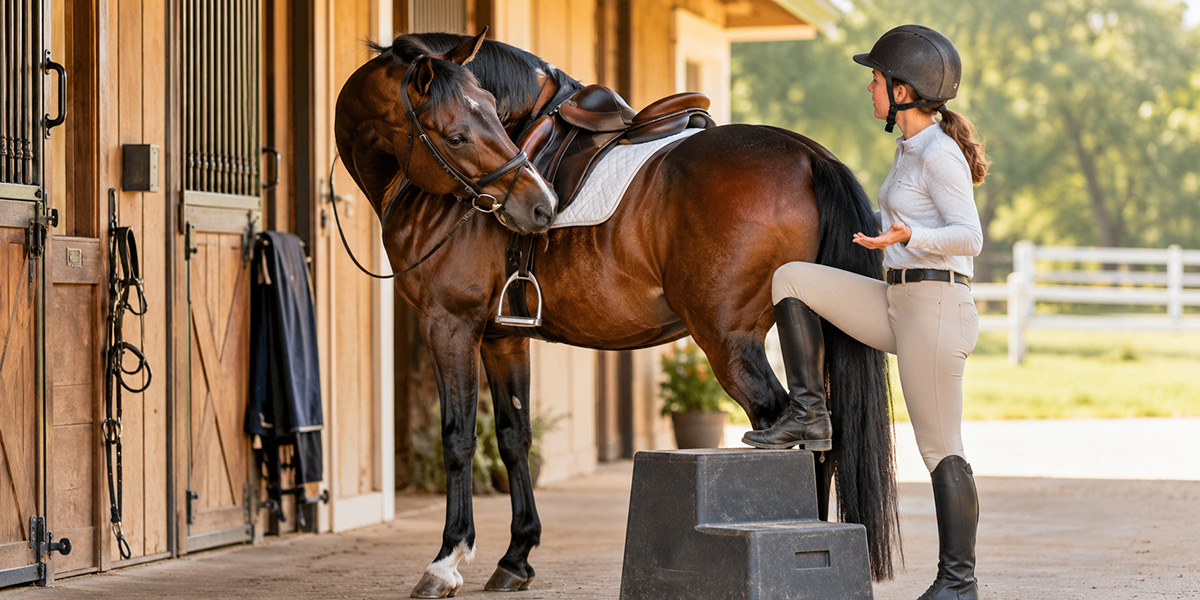


The ride is not finished when the rider dismounts.
A sport horse may perform beautifully and still need thoughtful recovery. Heat, travel, hard footing, adrenaline, long warm-ups, or a demanding lesson can show up after the tack is off.
Good recovery care is not dramatic. It is a sequence of small observations: breathing, temperature, water, skin, legs, hooves, appetite, manure, attitude, and how the horse feels the next day.
The Bridleway rule: Recovery care should make the next ride safer, not just make today look finished.
Cooling depends on the horse and the day
After hard work, pay attention to breathing, heat, sweat, weather, fitness, and how quickly the horse returns toward normal. Cooling may include walking, water, scraping, shade, fans, or professional advice depending on the conditions.
The key is not one universal ritual. The key is noticing the horse in front of you and responding early enough that recovery stays ordinary.
Heat can escalate quickly.
In hot, humid, or intense conditions, follow current veterinary and event guidance for cooling and do not delay professional help when a horse is distressed.
Hydration and appetite are useful signals
Water intake, manure, appetite, attitude, and gum appearance all give riders practical information. Travel, nerves, weather, and hard work can change normal patterns.
For competition horses, record what is normal. A barn that knows a horse's baseline notices changes faster.
Casual recovery
Untack, quick brush, assume the horse is fine because the ride ended.
Horse-first recovery
Check breathing, heat, water, legs, hooves, appetite, manure, and attitude before closing the chapter.
Legs and hooves tell the next-day story
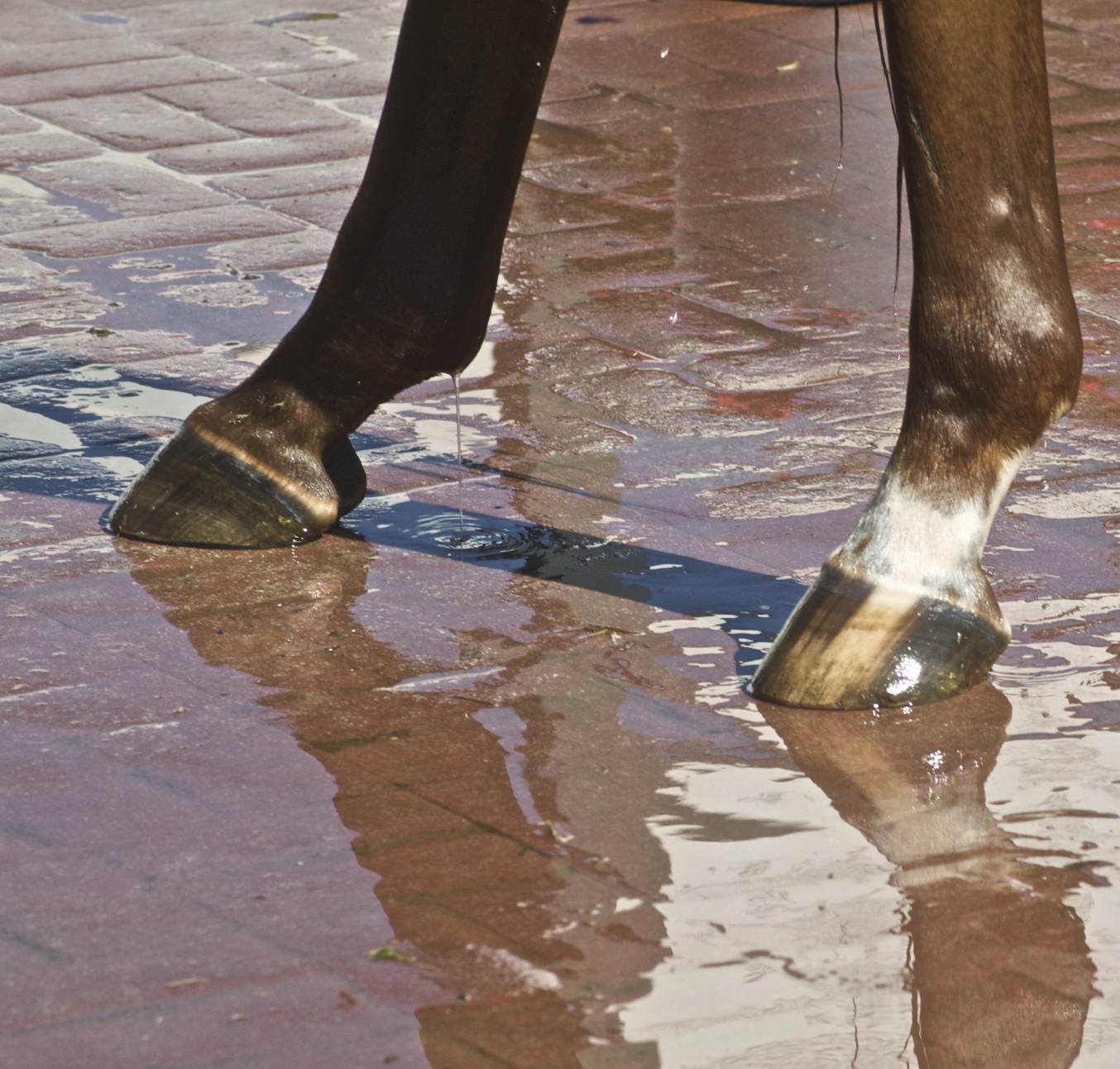
Check legs for heat, swelling, cuts, or changes from the horse's normal. Pick feet, inspect shoes or barefoot wear, and note whether footing, travel, or workload may have changed how the horse feels.
The day after hard work matters. A horse can appear fine at untacking and still show stiffness, filling, soreness, or fatigue later.
| Timing | Check | Why it matters |
|---|---|---|
| Immediately | Breathing, heat, sweat, attitude, tack rubs. | Catches urgent cooling or comfort issues. |
| After settling | Water, appetite, manure, legs, hooves. | Shows whether recovery is trending normally. |
| Next day | Stiffness, filling, mood, willingness, back comfort. | Reveals workload or travel effects. |
| Ongoing | Baseline notes across lessons and shows. | Helps owners notice meaningful changes. |
Owner note: A simple barn note can be powerful: date, work, weather, footing, travel, cooling, water, legs, and next-day feel. Patterns become visible.
What riders are asking before they buy, show, or change the routine
The useful question is often more ordinary than the polished product copy. Riders and parents want to know what will help the horse feel better, what will keep the rider safer, what is worth paying for, and what can wait. The better buying habit is to translate each worry into a check you can repeat at the barn.
Keep these questions open
- What should I check after a hard ride?
- How should I cool a horse after exercise?
- Why does hydration matter after travel or showing?
- Should I check hooves after every ride?
Know when to call the professional team
Veterinarian, farrier, trainer, bodyworker, and nutrition professionals each have a lane. Persistent heat, swelling, lameness, poor appetite, colic signs, respiratory distress, abnormal manure, or behavior changes are not internet puzzles.
The best English programs are not casual about recovery because they understand what is at stake: the horse's long-term comfort and willingness.
Quiet excellence
Good recovery care rarely looks glamorous. It looks like a horse that is noticed before there is a crisis.
What to ask the professional before you spend more money
A polished English-riding decision still benefits from a second set of expert eyes. Before buying the upgraded version, changing equipment, adding a new product, or blaming the horse, bring a clean question to the trainer, veterinarian, fitter, farrier, barn manager, or product specialist.
| Ask | Why it helps |
|---|---|
| What problem are we solving first? | It separates comfort, safety, training, rule, and presentation questions. |
| What evidence would change the plan? | It keeps the decision from becoming brand loyalty or barn rumor. |
| How will we know this worked? | It turns the purchase or routine into an observable horse-care test. |
How to use this guide this week
Pick one checkpoint from this guide and use it before or after three rides this week. Write down what you saw, what the horse felt like, and whether the answer changed after a lesson, a harder school, or a show-day simulation. Good horsepeople do not need perfect guesses. They need repeatable observations.
Simple record: Keep a tiny note in your phone: date, horse, work, what changed, and what you will ask your trainer or professional next. Patterns are where ordinary barn notes become useful horsemanship.
Research note: This Bridleway guide was shaped from AAEP horse-health resources, British Horse Society horse-care guidance, r/Equestrian reader discussions. Forum and Reddit discussions were used only to understand common rider questions, not as veterinary, legal, or rule authority.