

Getting Your Child Started in English Riding (Without a Fortune)
Yes, it's an expensive sport. No, you don't need to be rich to begin.
Your child can start English riding without you ever buying a horse: weekly lessons on a good lesson barn's school horses are the real on-ramp, and beginner group classes usually cost less than private ones. Some families go further, trading barn chores for saddle time, and school and college riding teams let young riders compete on horses provided at the show.
Let me tell you the truth right up front, because you've probably already sensed it: horseback riding can be an expensive sport. Anyone who tells you different is selling something.
But here's the part nobody says clearly enough — expensive to compete at the top is not the same thing as expensive to start. Those are two completely different questions, and a horse-crazy kid doesn't need the second one answered for years. You do not have to own a horse. You do not have to buy a truck and trailer. You do not have to write a check that makes your stomach hurt.
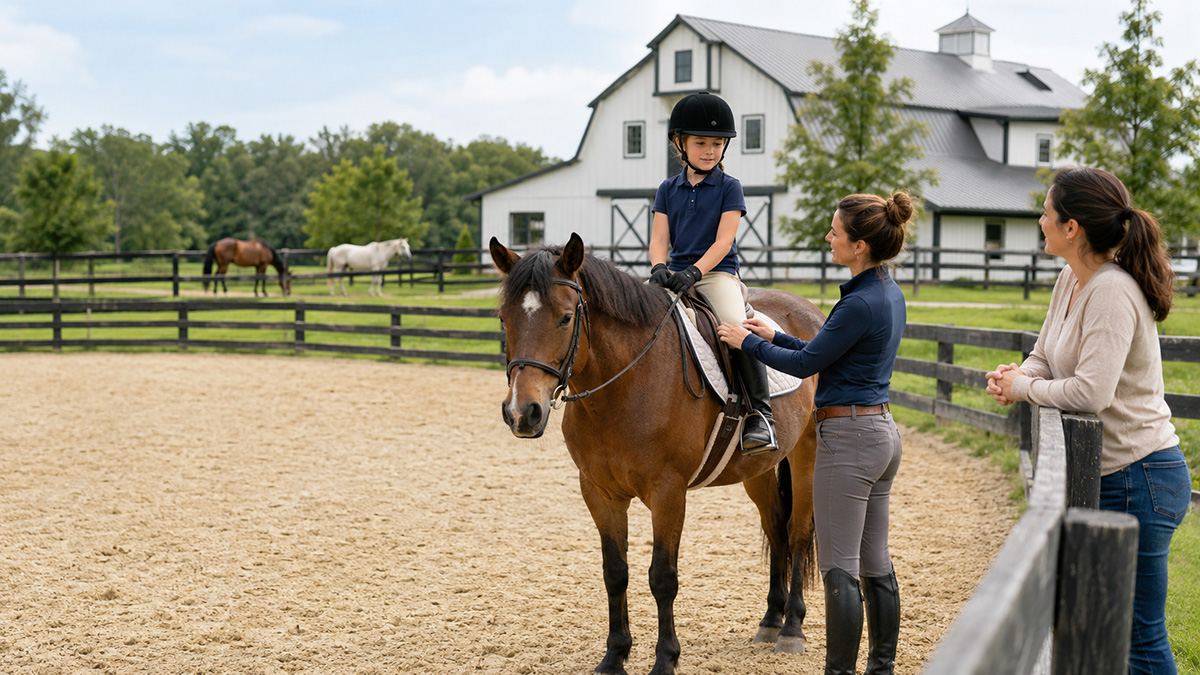
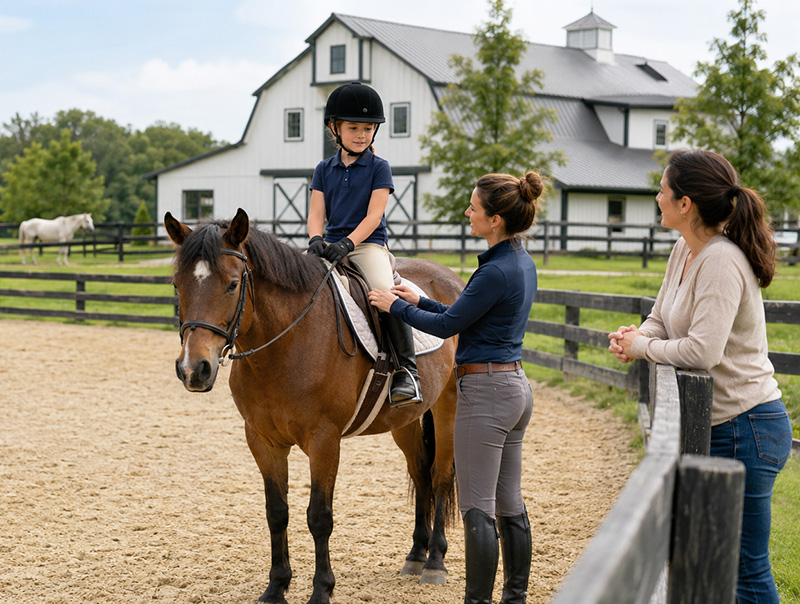
You just have to get your child on a horse, once a week, with a good person teaching them. That's the whole entryway. Let me walk you through how real families actually do this.
Let the Horse-Crazy Phase Breathe First (This Part Is Free)
Before you spend a dollar, let the interest prove itself. Kids fall in and out of love with things — and horses cost more than most, so there's no shame in waiting a season to see if it sticks.
While you wait, feed it cheaply. US Equestrian runs a free Kids Club for horse-loving children — coloring pages, activities, fun facts, the kind of thing that keeps a young kid's passion warm without costing you anything. Load them up with library books about horses. If you know anyone with a barn, ask if your child can come watch and help. A lot of horse people are happy to let a polite, interested kid hang around the aisle and learn which end bites.
If the love is real, it'll still be there in a month. Then you spend money and you spend it on the one thing that matters most at the start: lessons.
The Real Entryway: Weekly Lessons on a Lesson Horse
Here's the single most important thing to understand about starting out: you rent the sport an hour at a time. You don't buy it.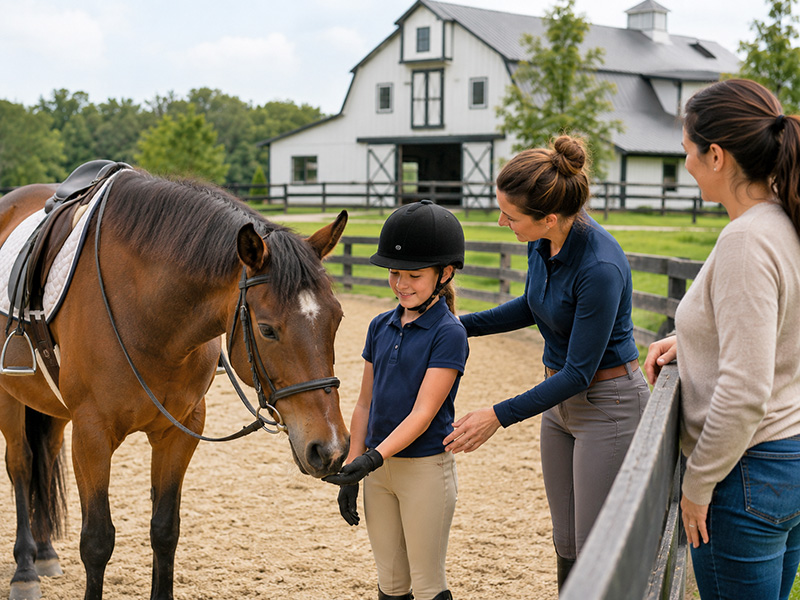
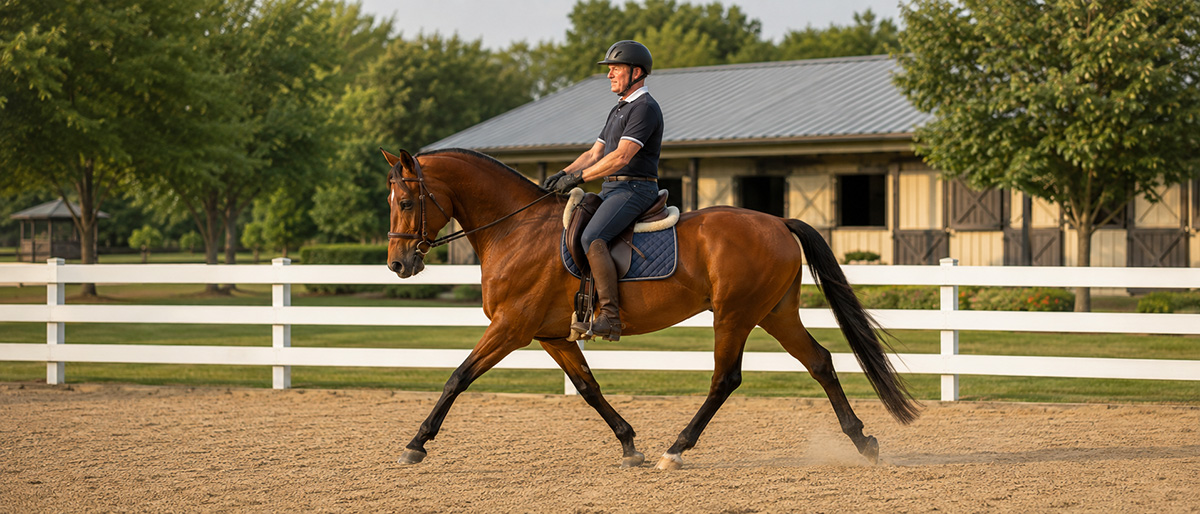
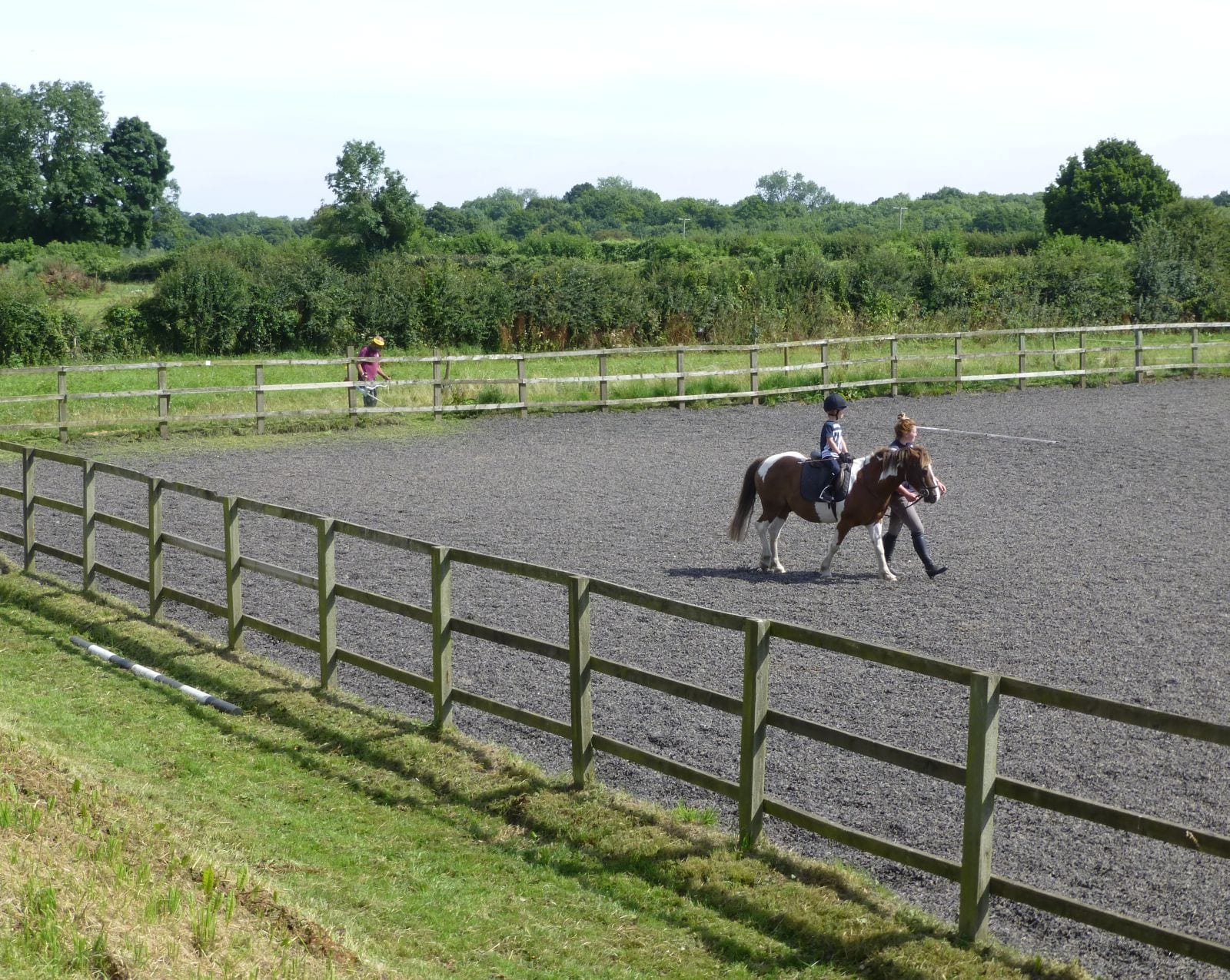
A good lesson barn owns a string of patient, been-there-done-that school horses whose whole job is teaching beginners. Your child shows up once a week, rides one of those horses for their lesson, and goes home. No feed bills. No vet bills. No farrier. No 6 a.m. barn chores in the rain. The barn carries all of that — you're paying for the hour.
This is how nearly every English rider you'll ever meet got their start, including the ones who eventually reached the top. Weekly lessons on a school horse is the on-ramp. Everything else in this sport comes later, if it comes at all.
What does a weekly lesson cost?
It varies a lot by region and barn, so I won't quote you a number that'll be wrong for your town, but call around to a few local stables and ask about beginner group lessons. 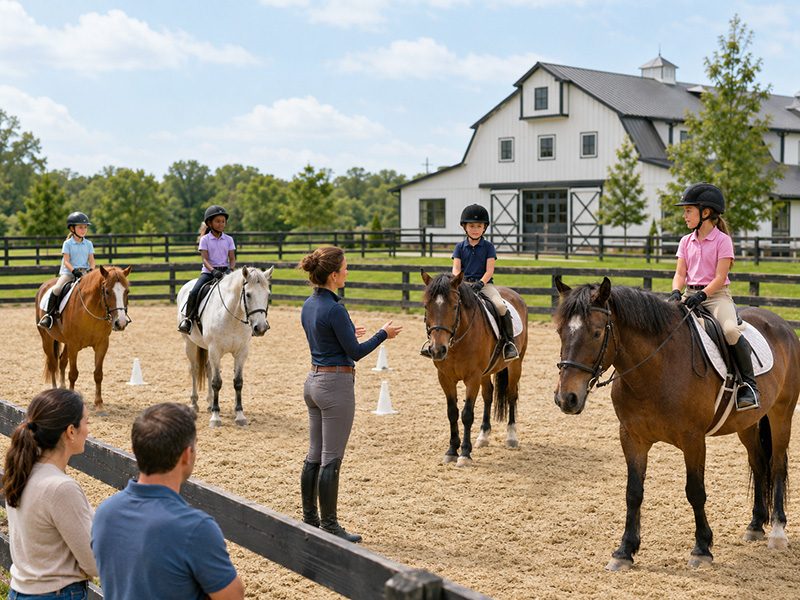
Group lessons are usually cheaper than private ones and, for a young beginner, often better anyway. Kids learn watching other kids.
Find the Right Coach — Certified, Patient, Safety-First
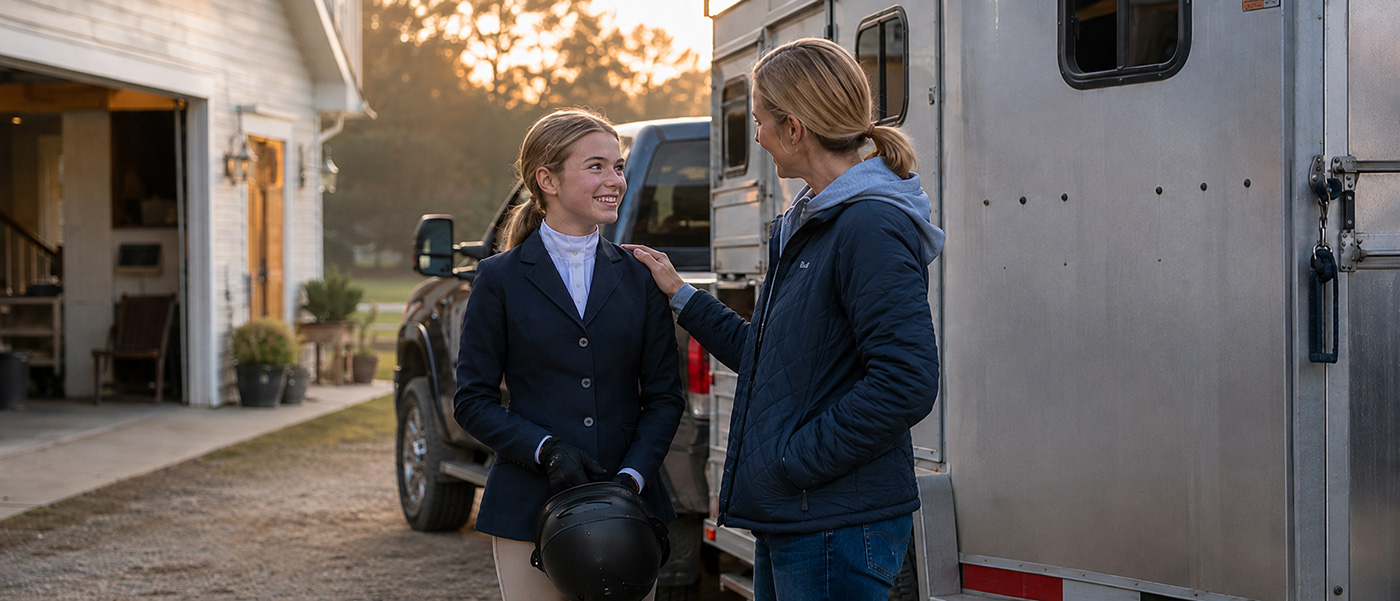
The person teaching your child matters more than the barn's fancy sign or the horses' shine. You're looking for someone who puts safety and horsemanship ahead of ribbons, and who has the patience for a nervous beginner.
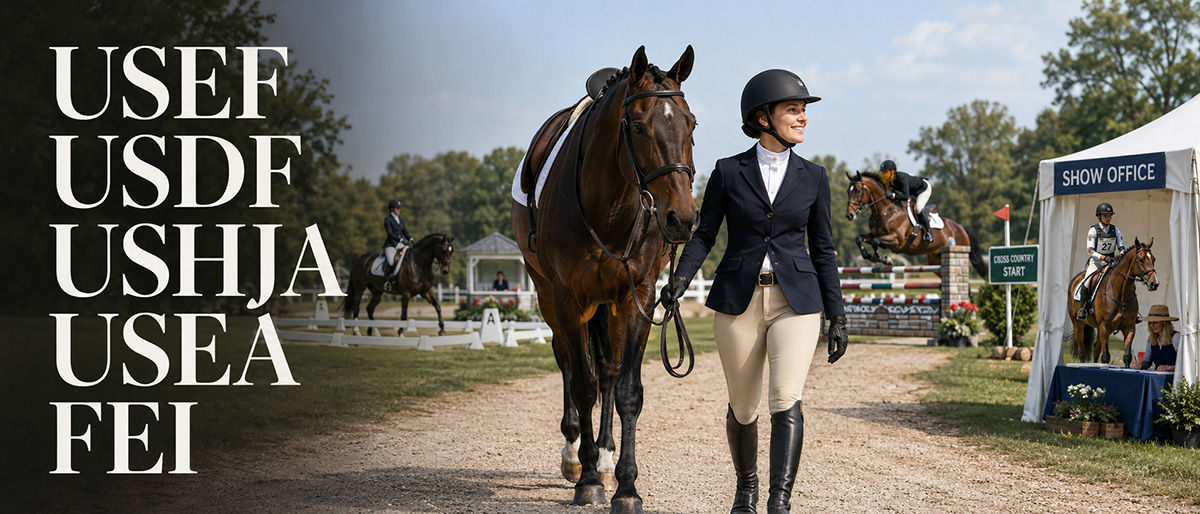
A good place to start is a certified instructor. US Equestrian points families toward coaches certified through its affiliate programs — the USDF Instructor/Trainer Program (dressage), the Usea Instructors' Certification Program (eventing), the USHJA Trainer Certification Program (hunter/jumper), and horsemanship-wide groups like Aria and CHA. Certification isn't everything, but it tells you the person took their teaching seriously enough to be tested on it.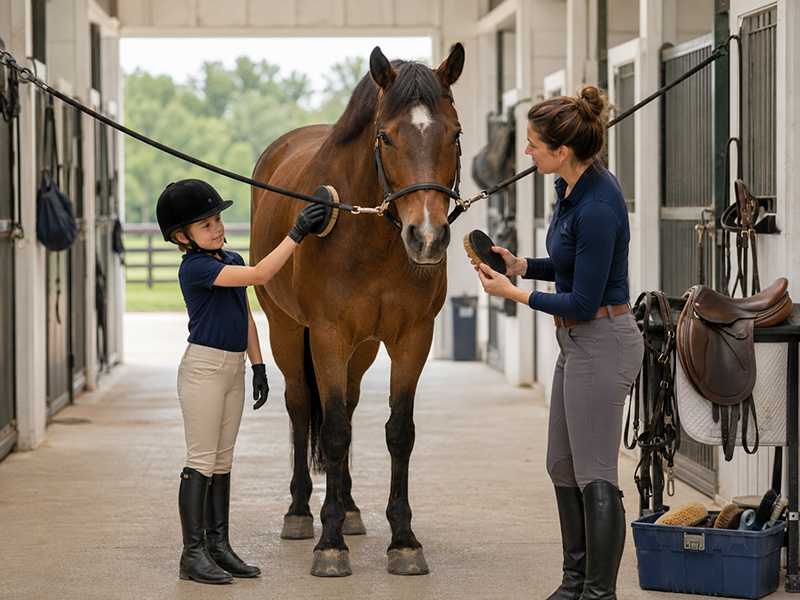
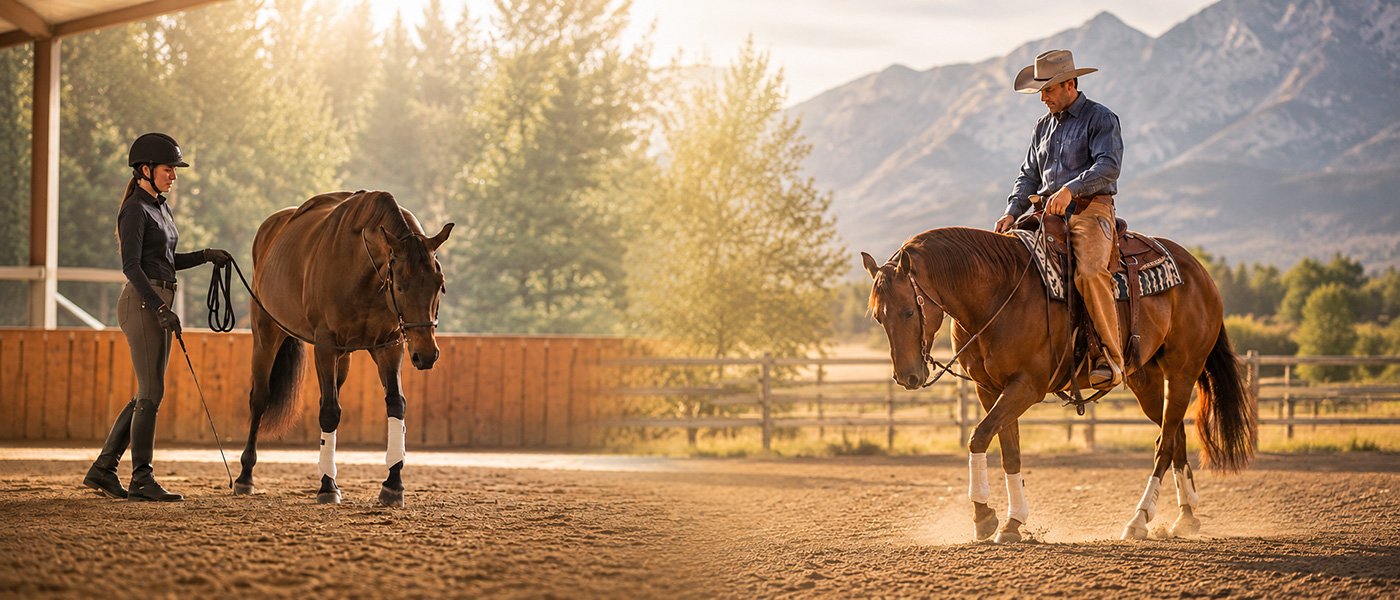
Beyond certified instructors, look at Pony Club - one of the great youth horsemanship organizations in the world, built to teach kids not just to ride but to understand horses from the ground up and reputable local stables with a long track record of turning beginners into confident riders. Ask other barn parents. Watch a lesson before you sign up. Trust your gut about whether the instructor is kind and clear.
The Path Nobody Talks About: Work for Your Ride
Here's something I've watched happen at our own barn, and it's one of the best-kept secrets in this sport.
I know teenage girls who trade work for lessons. They show up, muck stalls, haul water, sweep the aisle, groom, and turn horses out — and in exchange they get saddle time they could never afford to pay for outright. It is honest work, it is honorable, and it teaches them something no lesson package ever could: real horsemanship. The kids who learn a horse from the ground up — who know what a clean stall and a well-groomed coat and a properly filled water bucket mean often become the best riders, because they understand the whole animal, not just the fifty minutes on its back.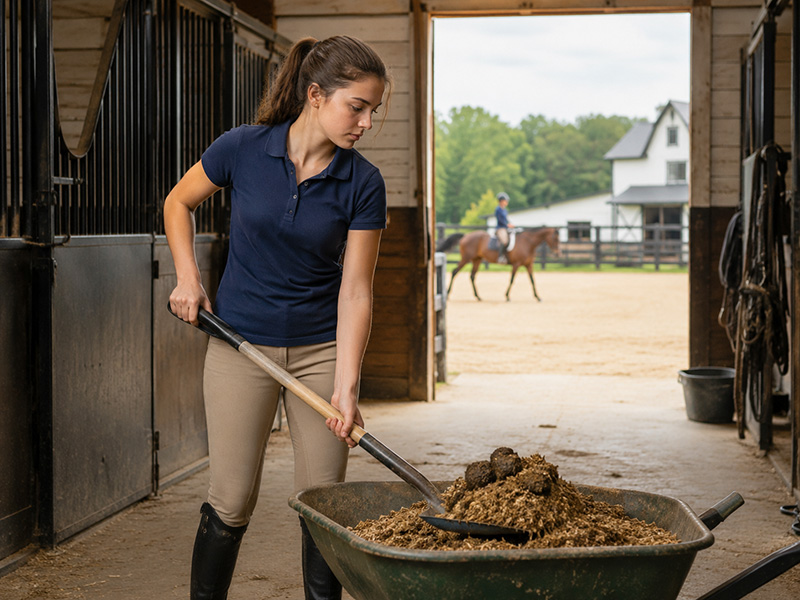
If your family's budget is tight and your child is old enough and genuinely willing to work, this path is real. Ask a local barn if they ever trade chores for lessons. Plenty do. Some of the finest horse people I know started exactly this way, and they'll tell you they wouldn't trade those early mucking years for anything.
You Can Compete Without Owning a Horse
This surprises a lot of parents, so hear it clearly: your child can even compete without you ever buying a horse.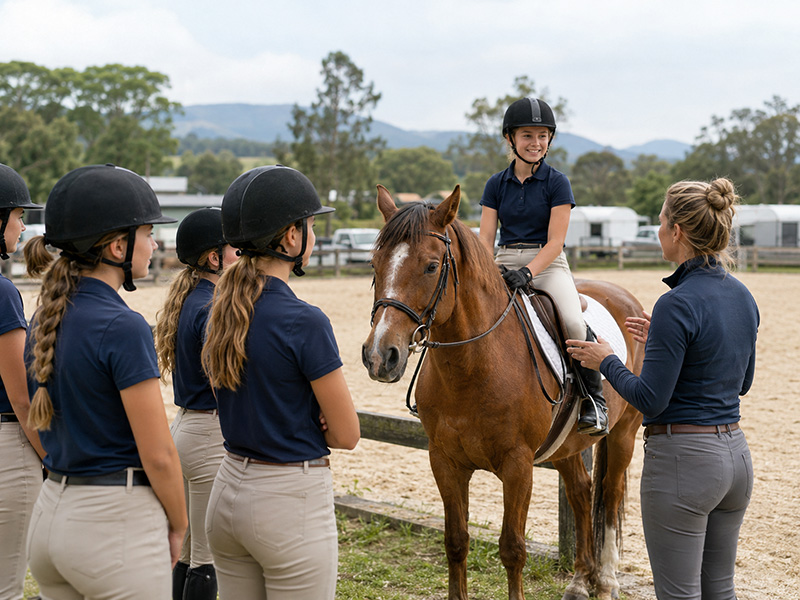
The Interscholastic Equestrian Association (IEA) runs middle- and high-school riding on a "catch-riding" format — riders compete on horses provided at the show, drawn by lottery, with no horse of their own required. It's team-based, like a school sport, and it's one of the great equalizers in English riding. A kid whose family can't buy a horse can still ride, compete, letter, and be part of a team. Many colleges and universities run similar programs, so the pathway continues right through school.
School and college riding teams like these are proof of the same thing this whole article is about: there's a real way in for the family that isn't wealthy.
Now Let Me Be Straight About Where It Gets Expensive
I promised you honesty, so here it is. The costs climb when you decide to:
- Own a horse. This is the big jump — board, feed, farrier, vet, and tack, month after month, whether you ride or not. It's a real commitment, and there's no rush to get there. Plenty of dedicated young riders lease a horse (paying for partial use of someone else's) for years before owning, which splits the cost and the responsibility.
- Show on the rated circuit. Entry fees, travel, and the rest add up fast at recognized shows. But local schooling shows and Pony Club rallies offer real competition at a fraction of the cost — your child can compete meaningfully for years before the big rated shows ever enter the picture.
My advice: delay these as long as it makes sense. Let your child build skill on lesson horses and leased horses first. Ownership and the rated circuit will still be there if the passion and the talent turn out to be real.
What Your Child Actually Gains
Here's the thing worth remembering through all the cost talk: most kids who start riding will never reach the upper levels, and that is completely fine. The pathway is worth walking at any height.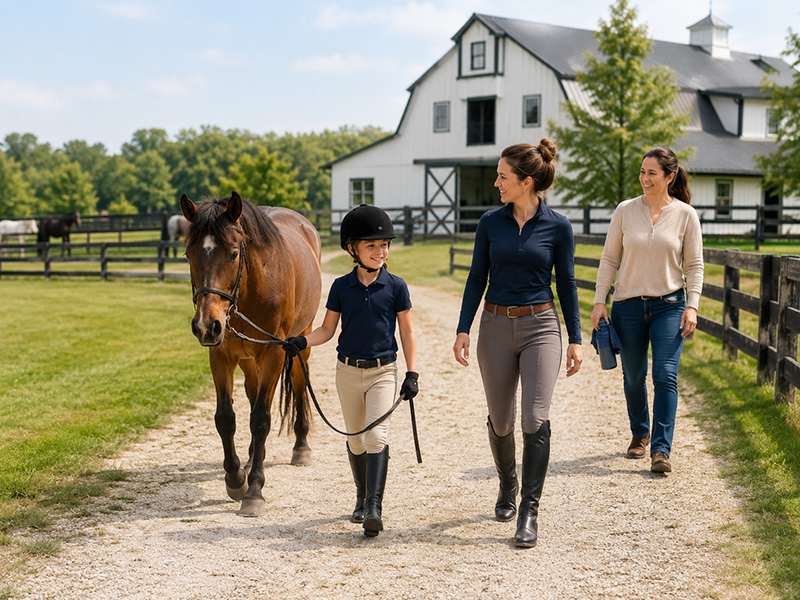
A child who learns to ride learns responsibility — a horse depends on them. They learn courage, and how to be calm around something ten times their size. They learn patience, because horses cannot be rushed. They learn to lose a class gracefully and try again. And they build a relationship with an animal that will teach them more about themselves than any trophy ever could.
Whether your child rides for one summer or all the way to the advanced levels, that's a gift. And it starts with one lesson, on one patient horse, one afternoon a week.
You don't need a fortune to give them that. You just need to begin.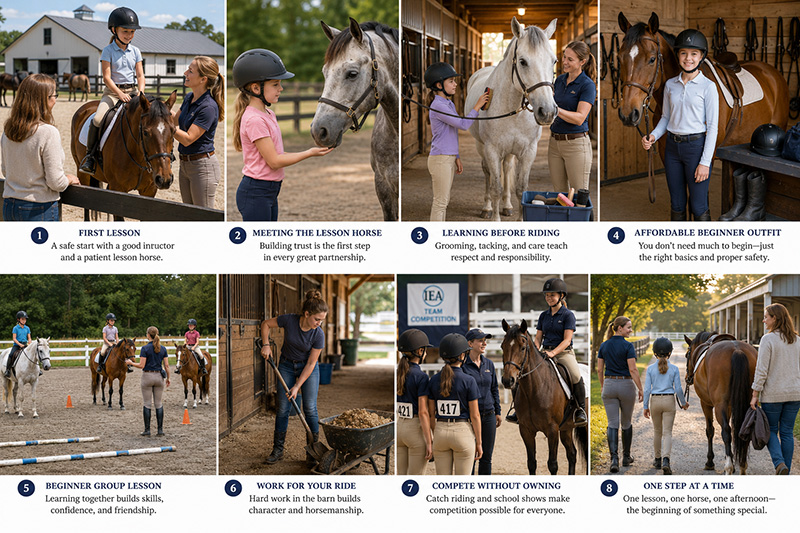
Welcome to The Bridleway. We're here for every English rider — including the ones just starting out, and the parents brave enough to say yes.