

A helmet is the least romantic item in the tack trunk and the one that matters before every ride. English riders are surrounded by beautiful gear, but helmet fit should stay simple, serious, and unemotional. It should meet the current required standard, fit the rider today, sit level, stay secure, and be replaced when impact or age makes that necessary.
Parents often inherit advice from barns, older riders, and hand-me-down culture. The better habit is to check current rules, fit the actual head, and treat the helmet as safety equipment rather than an accessory.
The Bridleway rule: If the helmet cannot pass a calm fit check before the ride, the ride waits.
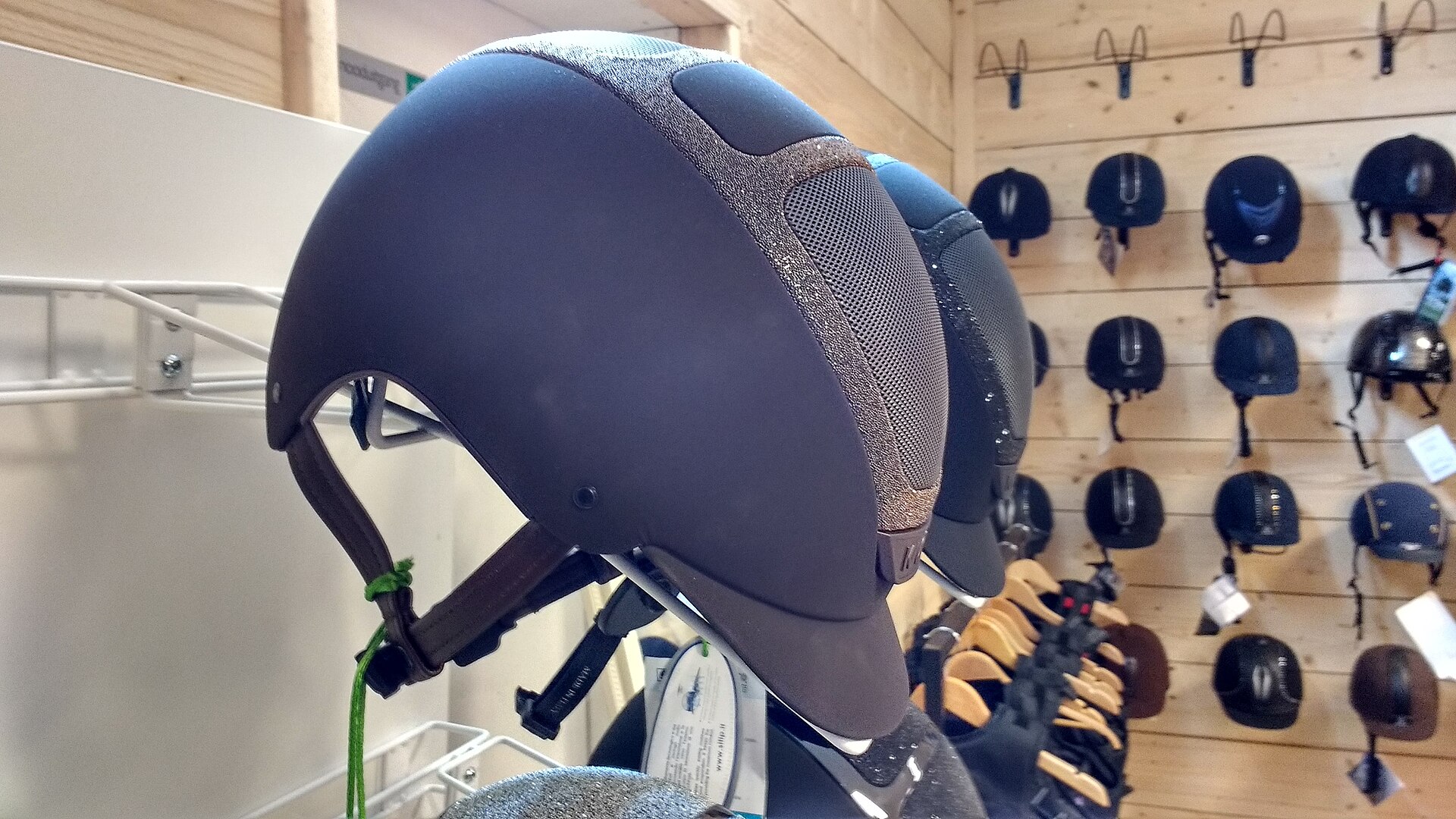
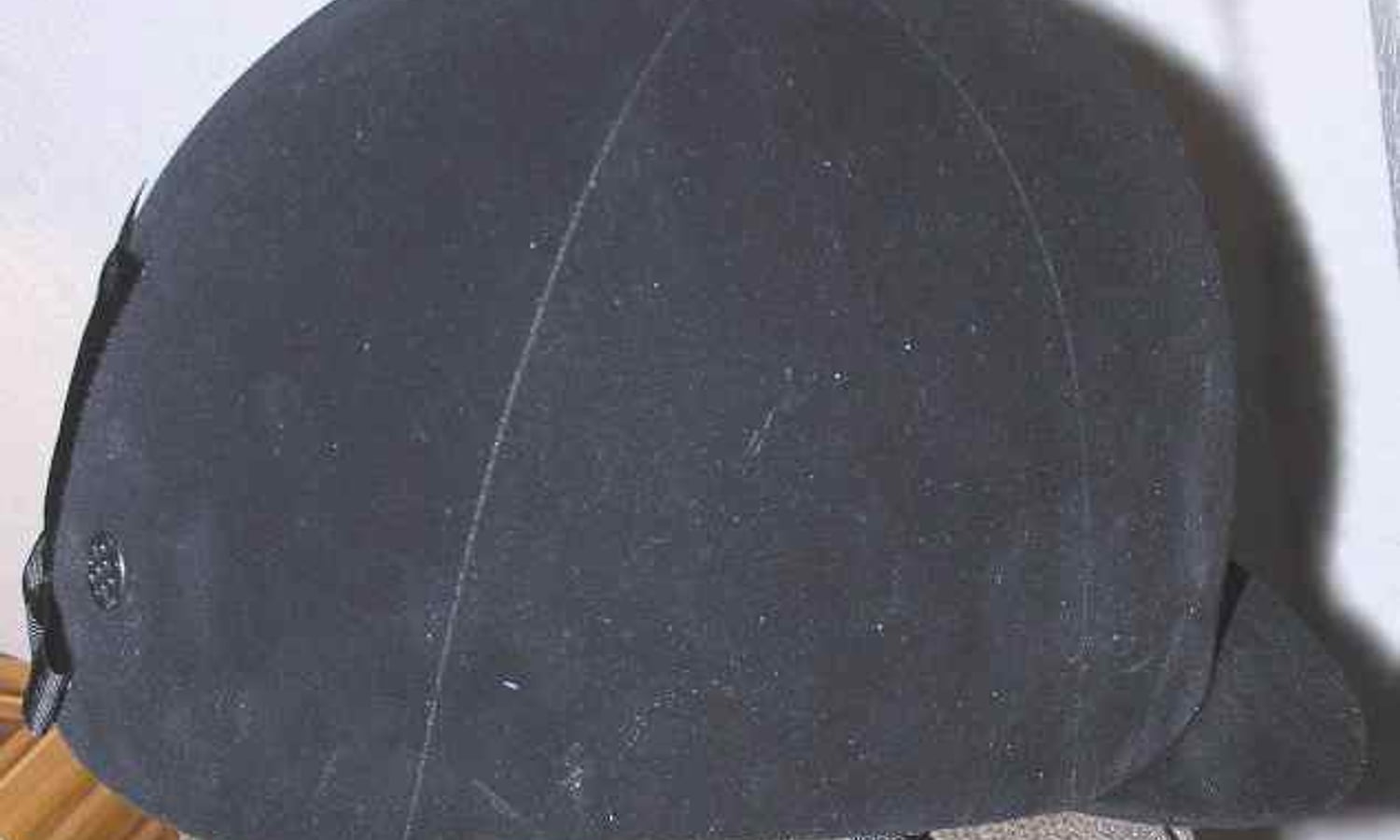
Check the standard and the condition
A helmet should meet the current standard required by the rider's organization, barn, or competition. Standards and labels matter because a helmet is engineered safety equipment, not just a hard hat with velvet.
Condition matters too. Cracks, dents, damaged harnesses, missing labels, unknown impact history, or a helmet that has taken a fall are reasons to replace or get professional guidance.
Do not guess after a fall.
If the rider falls and the helmet may have taken impact, follow manufacturer and current safety guidance. Damage is not always obvious from the outside.
Fit the head that is actually riding
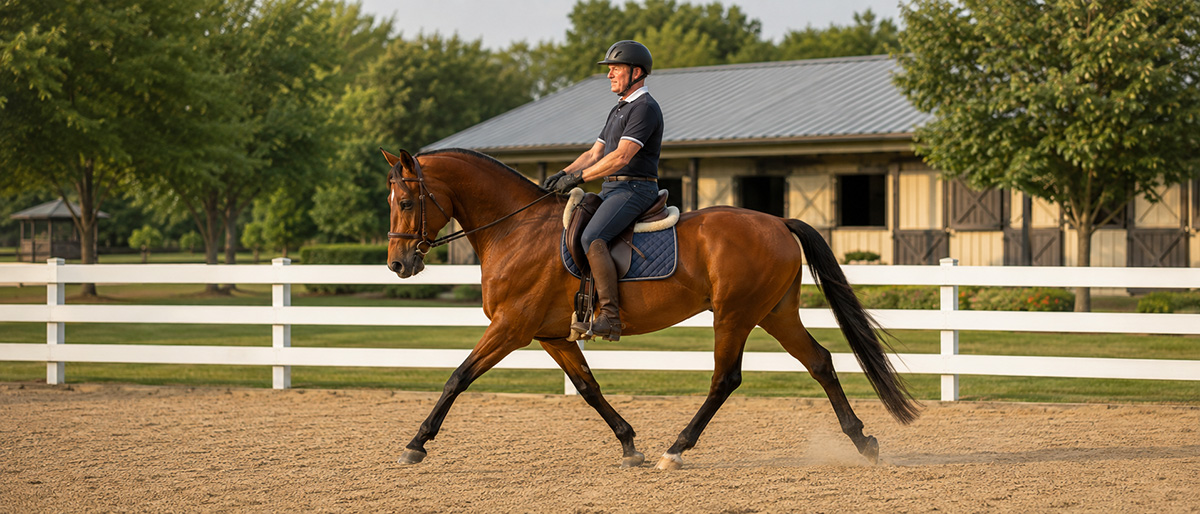
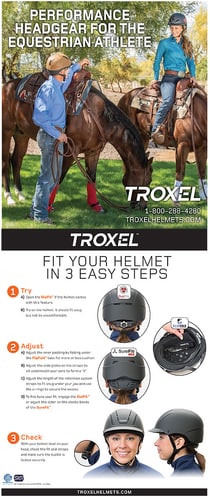
A helmet should sit level, low enough to protect the forehead, and snug enough that it does not slide when the rider gently moves the head. It should not create painful pressure points or rock backward.
Hair changes fit. A helmet fitted over loose hair may behave differently over a show bun, braid, ponytail, or hairnet. Fit the helmet the way the rider will actually wear it.
Too loose
Slides, tips, or shifts when the rider moves. Often feels comfortable in the store but unsafe in motion.
Too tight
Creates pressure points, headaches, or a rider tempted to loosen the harness.
Build the pre-ride helmet habit
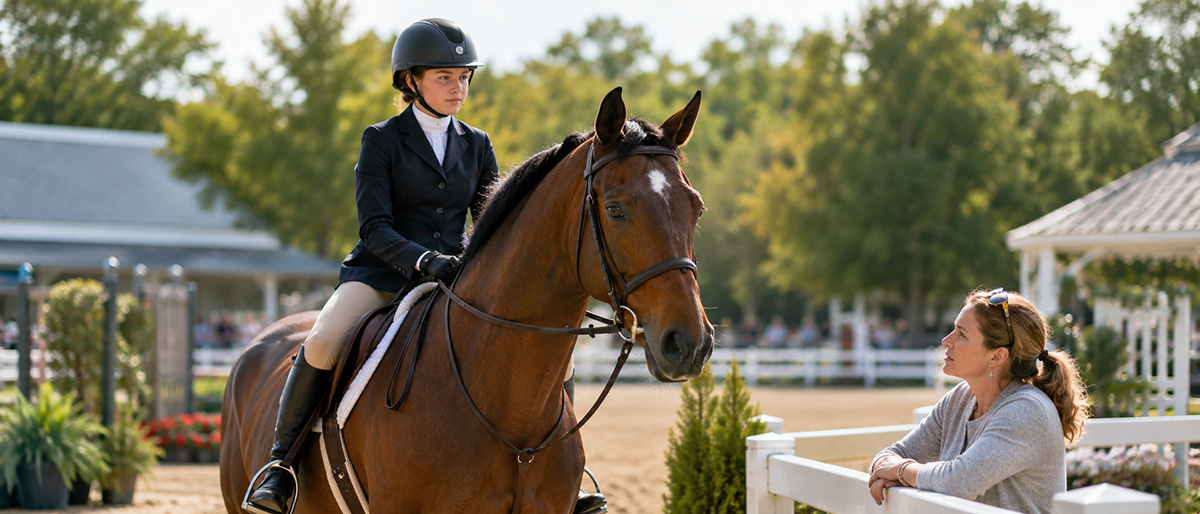
The check should be routine: standard, condition, level placement, snug fit, chin strap, hair, and comfort. Parents can help young riders learn it without turning every ride into a lecture.
The best version is boring. The rider checks the helmet, adjusts it correctly, and gets on with the work.
| Check | Pass signal | Do not ignore |
|---|---|---|
| Standard | Current required certification/label is present. | Unknown, missing, or outdated label for the activity. |
| Position | Level and protecting the forehead. | Tipped back or perched high. |
| Movement | Snug without sliding or rocking. | Helmet shifts when the rider moves. |
| Harness | Secure chin strap and working hardware. | Frayed straps, broken buckles, loose adjustment. |
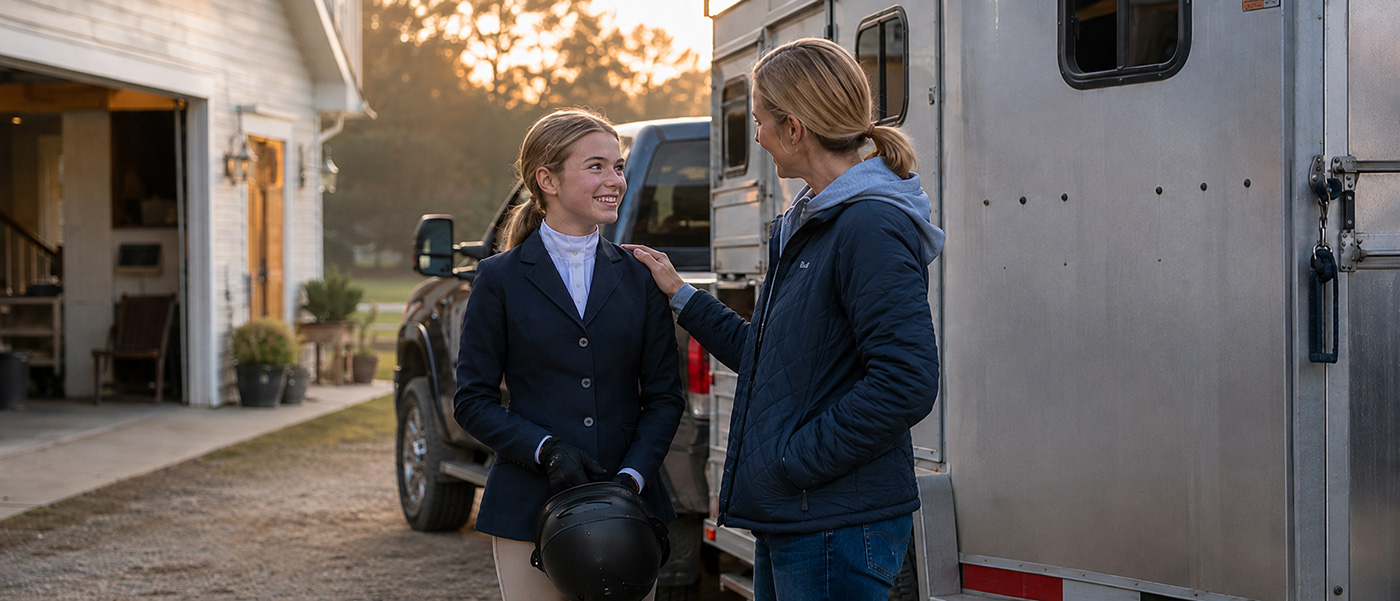
Parent note: A correctly fitted helmet is not negotiable, but the conversation can still be calm. Make the check a normal part of tacking up rather than a dramatic warning speech.
What riders are asking before they buy, show, or change the routine
The useful question is often more ordinary than the polished product copy. Riders and parents want to know what will help the horse feel better, what will keep the rider safer, what is worth paying for, and what can wait. The better buying habit is to translate each worry into a check you can repeat at the barn.
Keep these questions open
- How should an English riding helmet fit?
- Can a rider use a secondhand helmet?
- Does hair affect helmet fit?
- When should a riding helmet be replaced?
Hand-me-down helmets deserve extra caution
A used helmet with unknown age or impact history is not the same as a used show coat. If a family cannot verify its condition and standards, it should not be trusted blindly.
Investing in a properly fitted helmet may not be the most glamorous purchase, but it is one of the clearest ways a family shows that the sport is being taken seriously.
The Bridleway fit phrase
Level, snug, current, undamaged, and worn the way you ride.
What to ask the professional before you spend more money
A polished English-riding decision still benefits from a second set of expert eyes. Before buying the upgraded version, changing equipment, adding a new product, or blaming the horse, bring a clean question to the trainer, veterinarian, fitter, farrier, barn manager, or product specialist.
| Ask | Why it helps |
|---|---|
| What problem are we solving first? | It separates comfort, safety, training, rule, and presentation questions. |
| What evidence would change the plan? | It keeps the decision from becoming brand loyalty or barn rumor. |
| How will we know this worked? | It turns the purchase or routine into an observable horse-care test. |
How to use this guide this week
Pick one checkpoint from this guide and use it before or after three rides this week. Write down what you saw, what the horse felt like, and whether the answer changed after a lesson, a harder school, or a show-day simulation. Good horsepeople do not need perfect guesses. They need repeatable observations.
Simple record: Keep a tiny note in your phone: date, horse, work, what changed, and what you will ask your trainer or professional next. Patterns are where ordinary barn notes become useful horsemanship.
Research note: This Bridleway guide was shaped from USEF Rulebook, Practical Horseman, r/Equestrian reader discussions. Forum and Reddit discussions were used only to understand common rider questions, not as veterinary, legal, or rule authority.