

The Thoroughbred's Second Career: Why Off-Track Thoroughbreds Can be a Big Win for You!
The racehorse who didn't win at the track may be exactly the horse who wins for you.
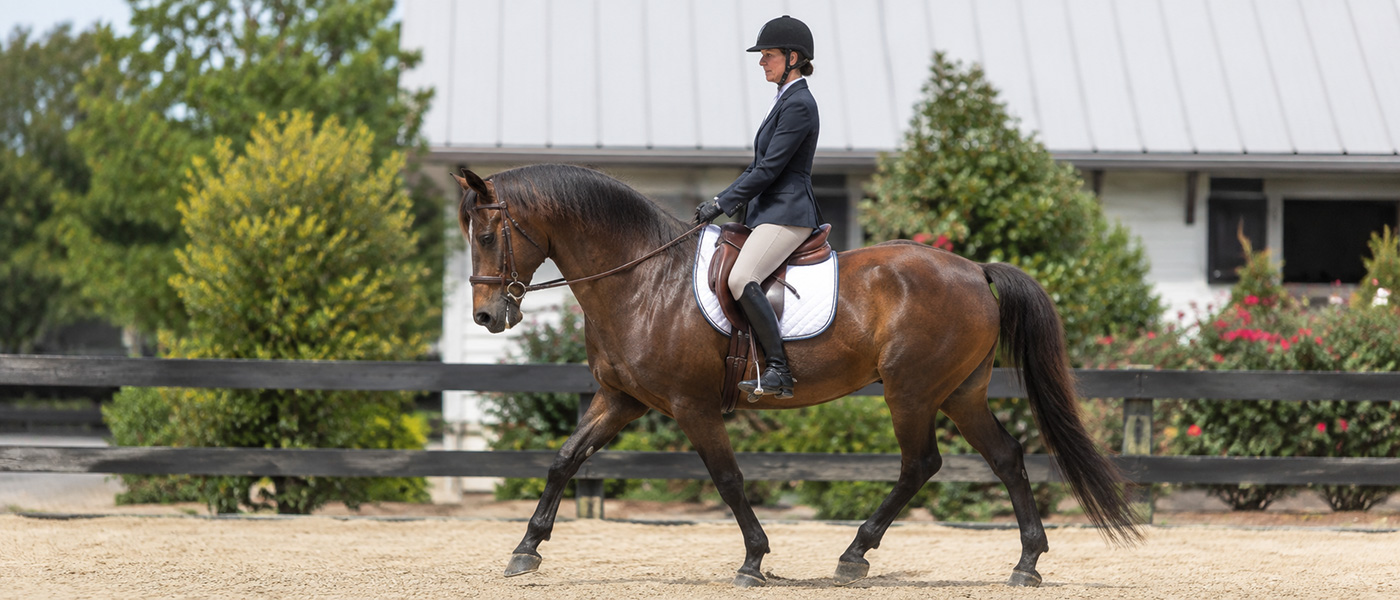
English riders favour Thoroughbreds because they tend to be athletic, sensitive and intelligent horses with a real work ethic and a desire to understand the job — qualities that suit dressage, hunters, jumpers and eventing alike. Many leave racing simply because they were not fast enough to stay competitive, not because anything is wrong with them, and with time and thoughtful retraining they can climb the levels or become trusted teachers.
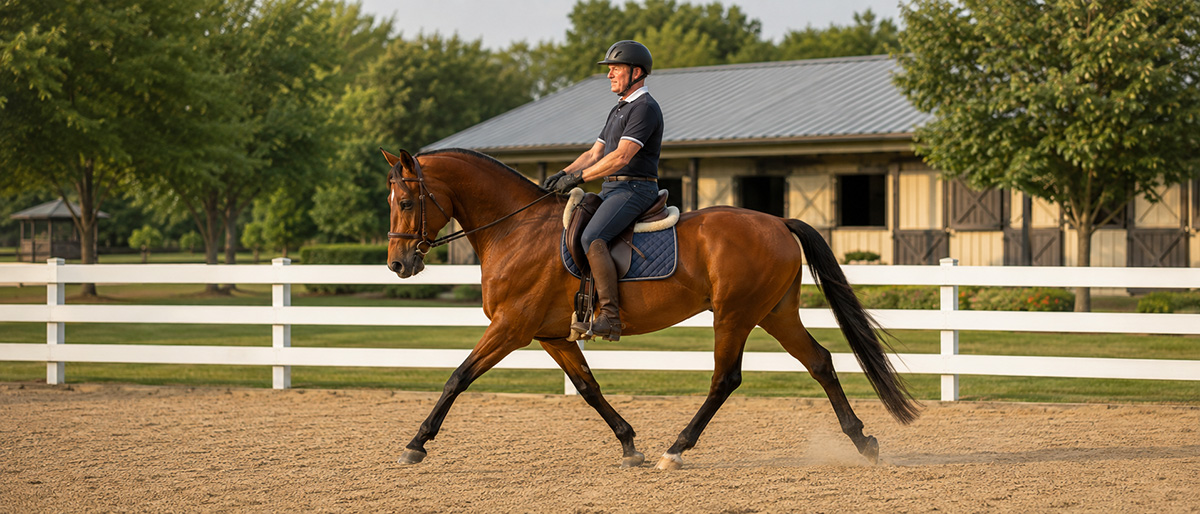
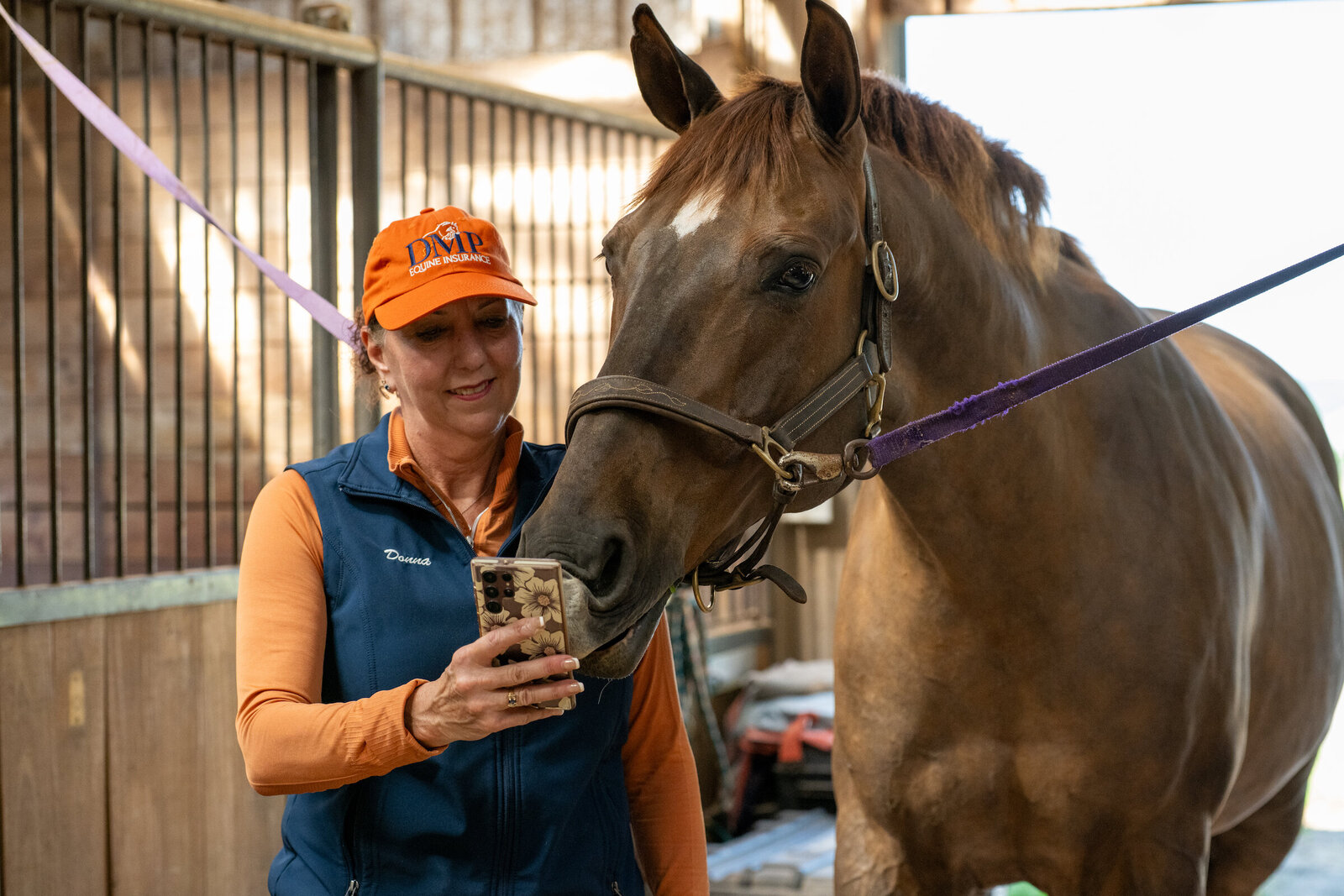
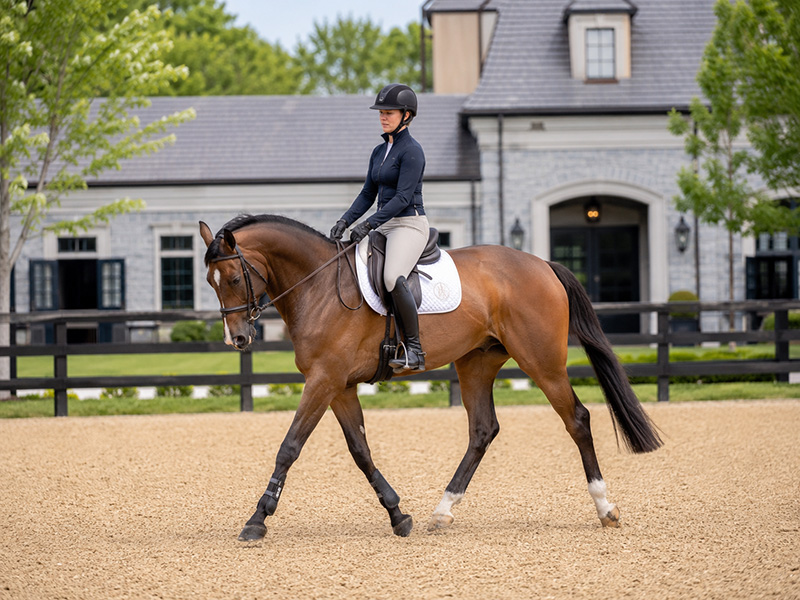
There's a horse at our barn named Corona. Big, tall, beautiful—the kind of horse that turns your head when he walks by. And most afternoons, you'll find an absolute beginner up on his back, learning to post the trot and grinning like they can't believe their luck.
Corona is an off-track Thoroughbred. He had a racing career once. Now he has a better one.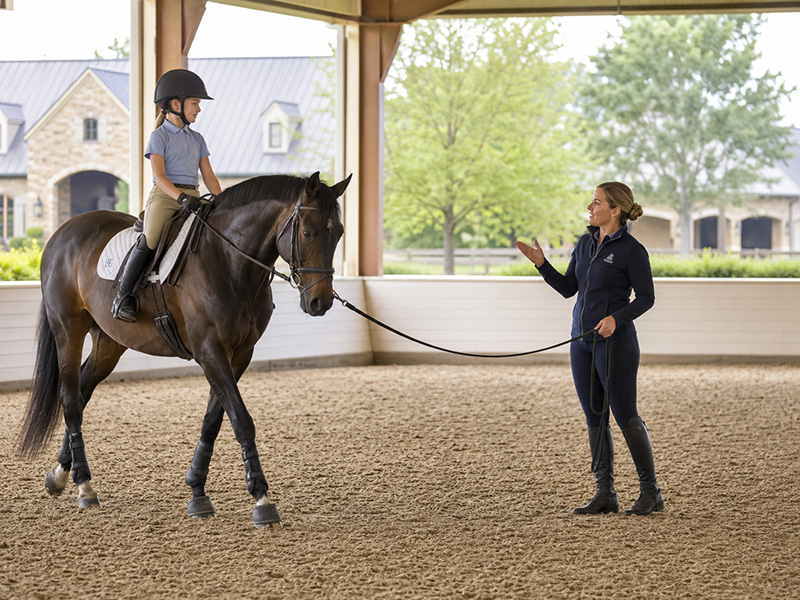
He did not step off the track and become a beginner horse overnight. Someone recognized the mind he had, gave him the training and time he needed, and allowed him to grow into the horse he is today.
That's the story I want to tell you here, and I want to tell it straight: the Thoroughbred coming off the track is not automatically a broken horse looking to be saved. He may simply be a great horse looking for his next job.
If you understand that difference, you understand why some of the sharpest horsemen in the English world go looking for these horses on purpose.
"Off-Track" Is Not a Diagnosis
Let's clear up the biggest misunderstanding first.
Many Thoroughbreds leave racing young, and a great many leave for the plainest reason there is: they simply were not fast enough to remain competitive.
Others retire because their owners or trainers recognize that the horse may be better suited to another job. Some leave because of declining performance, physical limitations, ownership changes, or decisions about the horse's long-term future.
But being retired from racing does not automatically mean a horse is broken, ruined, or incapable of a long and useful life.
A horse can be sound, sane, athletic, and kind and still be too slow to keep earning purses against other very fast horses.
Think about what that actually means.
The racing world is constantly producing young, athletic, well-handled horses whose only real "failure" may have been finishing fourth.
That's not necessarily a tragedy. For the rider or trainer who knows what to look for, it can be an opportunity.
So let's not call every one of these horses a rescue.
Some do come through aftercare and rescue organizations, and those groups perform good and necessary work. Some horses genuinely need rehabilitation, medical care, or protection.
But when we file every Ottb under "rescue," we can unintentionally suggest that the horse is damaged goods.
Most are not.
They are professional athletes changing sports.
The Horsemen Who See It First
Here is something that sometimes gets lost when the conversation focuses only on rescue: some of the best trainers in English riding go to the track, attend sales, contact racing connections, and search through their networks specifically looking for Thoroughbreds.
They do it on purpose because they know how to look.
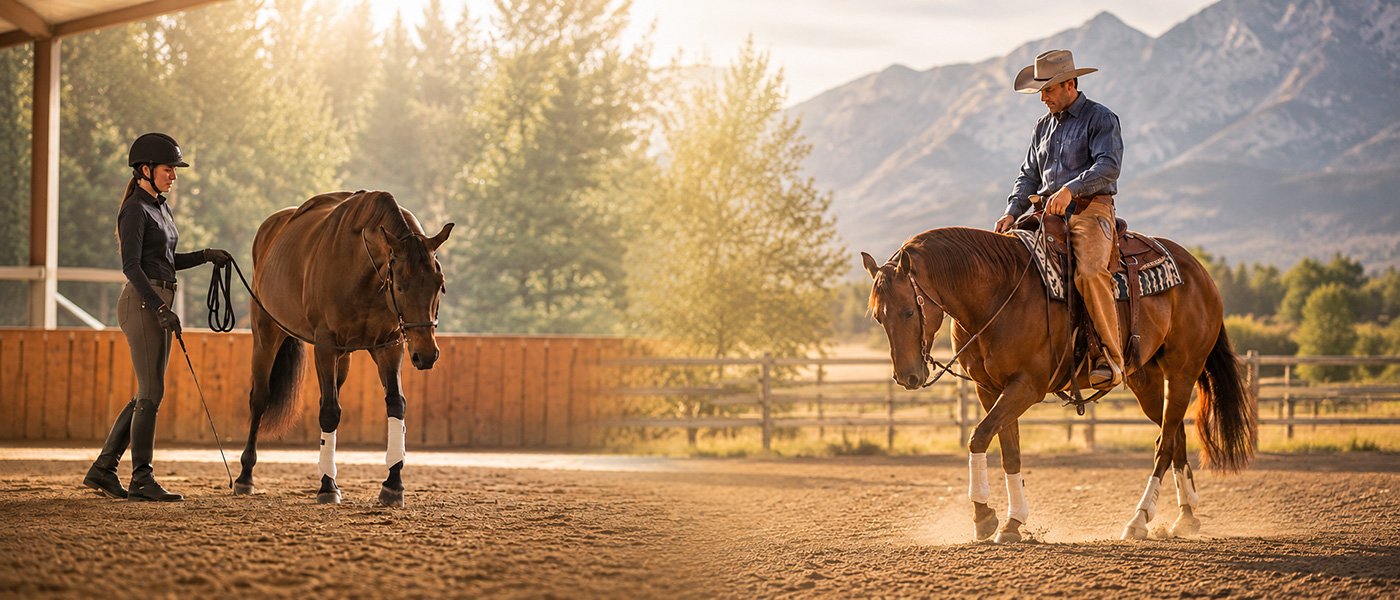
A good trainer can stand in front of a plain bay gelding nobody else looked at twice and study the walk, balance, feet, bone, shoulder, hindquarter, expression, and response to the people around him and begin to see something there a glimpse of what that horse may become.
They may recognize the movement for dressage, the gallop for eventing, the carefulness for the hunter ring, or the scope and bravery for jumping.
Just as importantly, they may recognize the mind.
A horse can have all the athletic ability in the world, but the experienced trainer is also looking for willingness, curiosity, confidence, sensitivity, and the ability to settle and learn.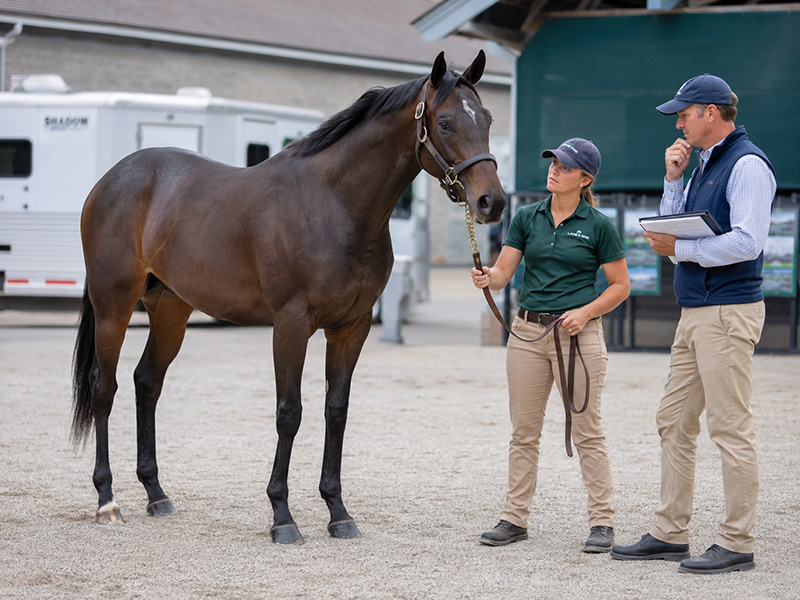
That trainer may buy the horse, give him time to transition, put months of thoughtful work into him, and eventually sell him to a student who is ready for him.
And yes, they may make money doing it. Sometimes real money, especially when that student goes on to win.
Good.
They earned it.
That price is not simply a markup on a charity case. It represents the value of an experienced eye that identified the right horse, the time spent retraining him, the professional rides, the board, the care, and the judgment required to know when the horse was ready for someone else.
Recognizing the individual horse who is likely to succeed is a genuine skill built over a lifetime, and it is worth paying for.
A fair price for an Ottb is not necessarily a low price. It is the right price for the right horse, at the right stage of training, found by the right person.
Respect the horse, and respect the horseman who saw what he could become. Both deserve it.
Why English Riders Love Thoroughbreds
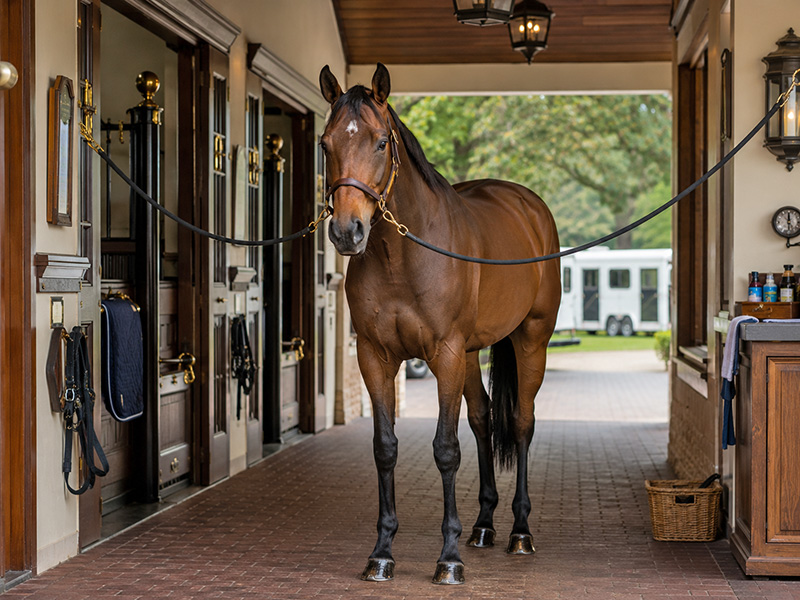
Thoroughbreds are often sensitive, intelligent horses who notice everything.
In the wrong hands, that sensitivity can be misunderstood. In the right hands, it becomes responsiveness.
They tend to be athletic, forward-thinking, light on their feet, and deeply aware of the rider above them. Many seem to participate in the work rather than simply waiting to be directed through it.
They are not all alike. No breed is.
Some are bold. Some are cautious. Some are quiet. Some need a tactful, confident rider who can give them security without trying to overpower them.
But a good Thoroughbred often has a work ethic and a desire to understand his job that English riders value deeply.
Give him clarity, fairness, and time, and he may try harder for you than you ever expected.
Proof: They Have Excelled Across the English Disciplines
If you think the Ottb is only a starter horse you eventually graduate away from, look higher up the levels.
Eventing has long been built on Thoroughbred blood. The gallop, stamina, courage, and ability to think while traveling across country are Thoroughbred qualities to the core.
At the upper levels, a strong dose of Thoroughbred blood is still considered an asset, not a compromise.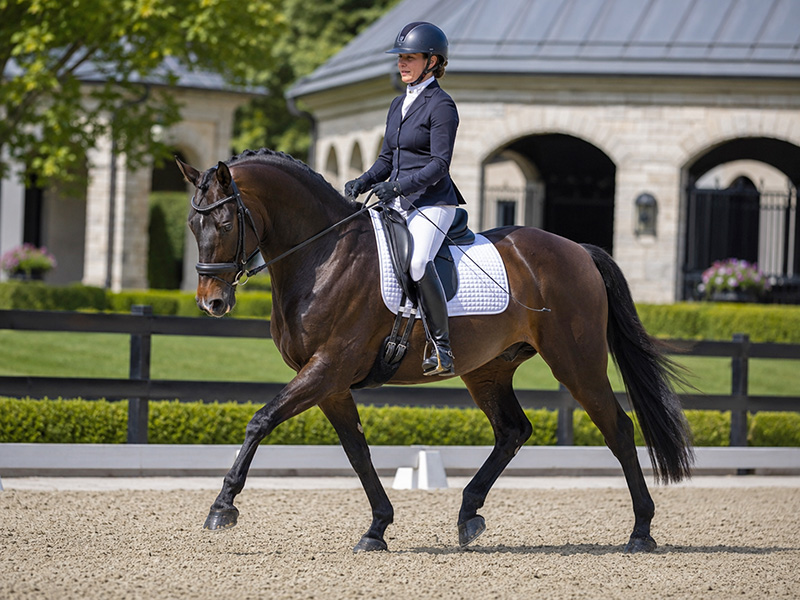
Dressage rewards a trainable, workmanlike mind. While larger warmbloods dominate much of today's highest-level sport, Thoroughbreds have reached elite levels and stood on major international podiums.
They also thrive throughout the lower and middle levels in the hands of riders who value a sensitive horse that wants to work and understands repetition.
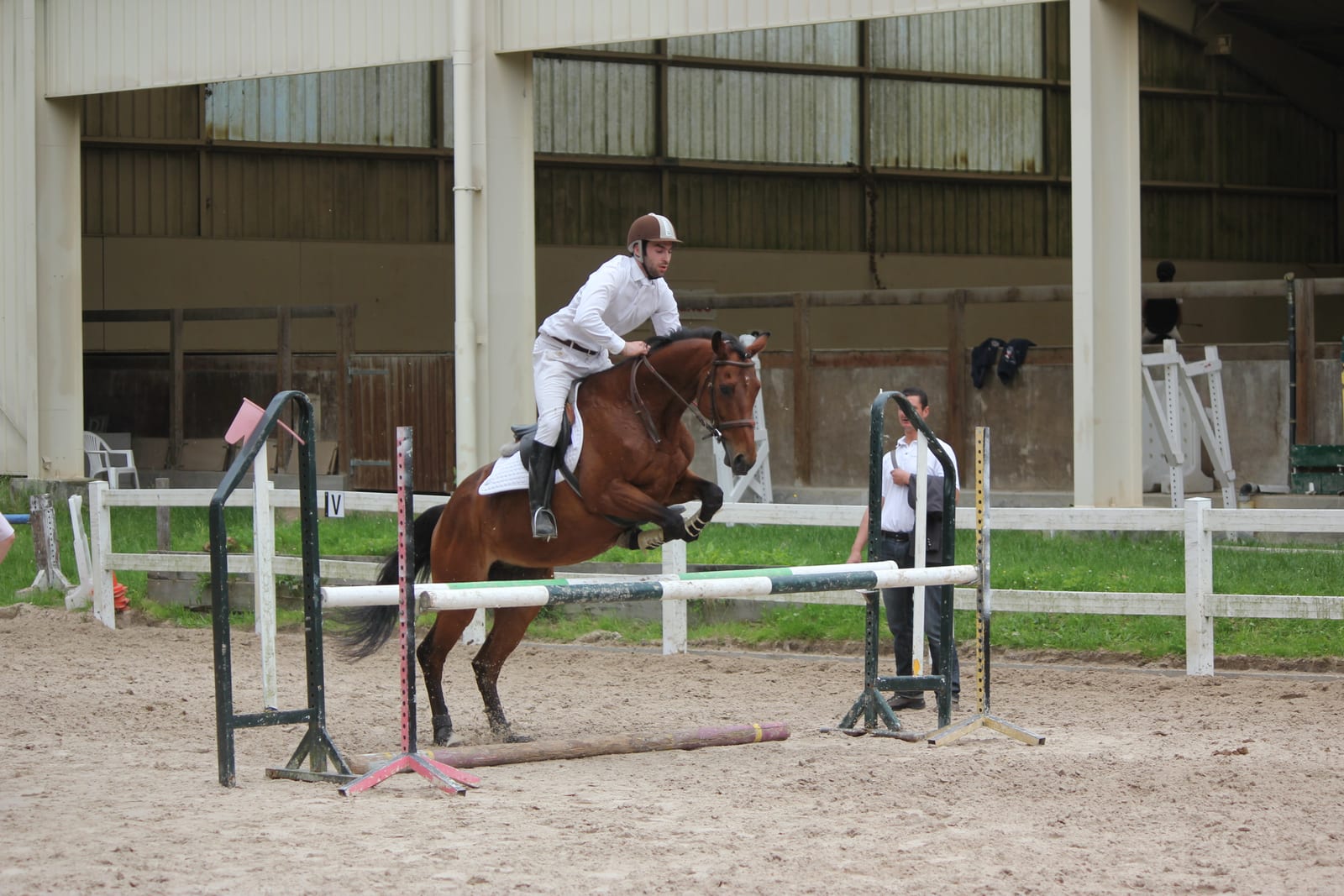
Hunters and jumpers were, for generations, a Thoroughbred's game before the modern warmblood era. Plenty of Thoroughbreds still jump beautifully, carefully, and boldly today.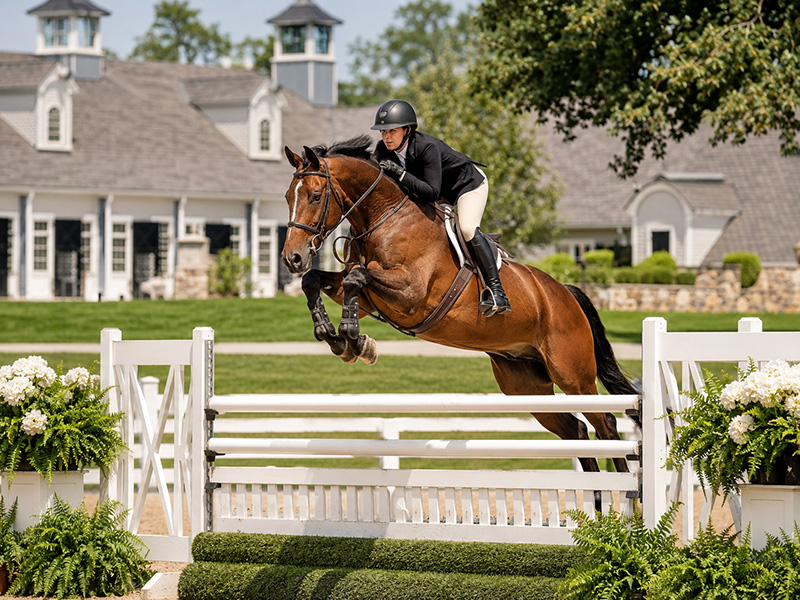
Some have the long, ground-covering stride and quiet rhythm prized in the hunter ring. Others have the speed, bravery, and intelligence to succeed as jumpers.
And then there is the other end of the spectrum—the Coronas of the world, carrying beginners safely, teaching children and nervous adults how to ride, and quietly giving people confidence.
Some Thoroughbreds have carried riders at the highest levels of sport. Others become trustworthy teachers and beloved family horses.
That extraordinary range—the ability of different Thoroughbreds to succeed in very different jobs—is one of the breed's greatest strengths.
The Thoroughbred Makeover: Watch How Fast They Learn
If you want to see what these horses are capable of, look at the Retired Racehorse Project's Thoroughbred Makeover.
Riders take horses recently retired from racing and, within a limited window of retraining, present them in new disciplines such as dressage, hunters, jumpers, eventing, trail, ranch work, and more.
Every year, the Makeover puts the same truth on display: give a Thoroughbred a clear job, good training, and a fair chance, and the speed at which he learns may surprise you.
That trainability is one reason the English disciplines suit these horses so well.
English riding is not built around one big test. It is built around levels and skills developed over time.
Rhythm before suppleness. Suppleness before connection. Connection before impulsion, straightness, and eventually collection.
Small fences before big ones. Quiet circles before complicated courses. Balance before brilliance.
That patient, layered path rewards a horse with a good brain and a willing heart. It also rewards the rider who is willing to build something correctly over time.
A Thoroughbred, given years instead of a single afternoon, may keep climbing right alongside you.
The Transition From Racehorse to Riding Horse
A horse coming off the track knows how to be a racehorse.
He understands the starting gate, the rail, the gallop, the barn routine, and the work expected of him in racing.
He may be accustomed to a highly structured schedule, athletic feeding, frequent handling, working in company, and a different amount of turnout than he will receive in his new life.
He does not automatically know how to stand quietly at a mounting block, hack alone, stretch into steady contact, wait between fences, or jump a course in a relaxed rhythm.
That is not a flaw. It is simply a job he has not learned yet.
Some Thoroughbreds transition remarkably quickly. Others benefit from weeks or months of turnout, groundwork, quieter feeding, hoof care, veterinary attention, and simple riding before serious retraining begins.
They may need time for their muscles, feet, digestion, and minds to adjust.
The kindest thing a new owner can do is avoid rushing.
Do not measure the horse by what he can accomplish in the first week. Give him the opportunity to settle into a completely different life.
Reputable Aftercare Organizations Can Help
Reputable Thoroughbred aftercare and placement organizations can be an excellent starting point for someone interested in an Ottb.
Many evaluate horses, provide rehabilitation or retraining, and work to match each individual horse with an appropriate home.
A good organization should be honest about the horse's racing history, physical condition, current ability, limitations, temperament, and the kind of rider he needs.
That support can be especially valuable to someone purchasing an Ottb for the first time.
The goal should never be to place every horse with just any willing buyer. The goal should be to create the right match so that the horse has the best possible chance of succeeding in his next career.
Going In With Your Eyes Open: Three Things Every Buyer Should Do
I believe in these horses.
That is exactly why I will tell you the truth about buying one.
1. Choose the Horse With an Experienced Professional
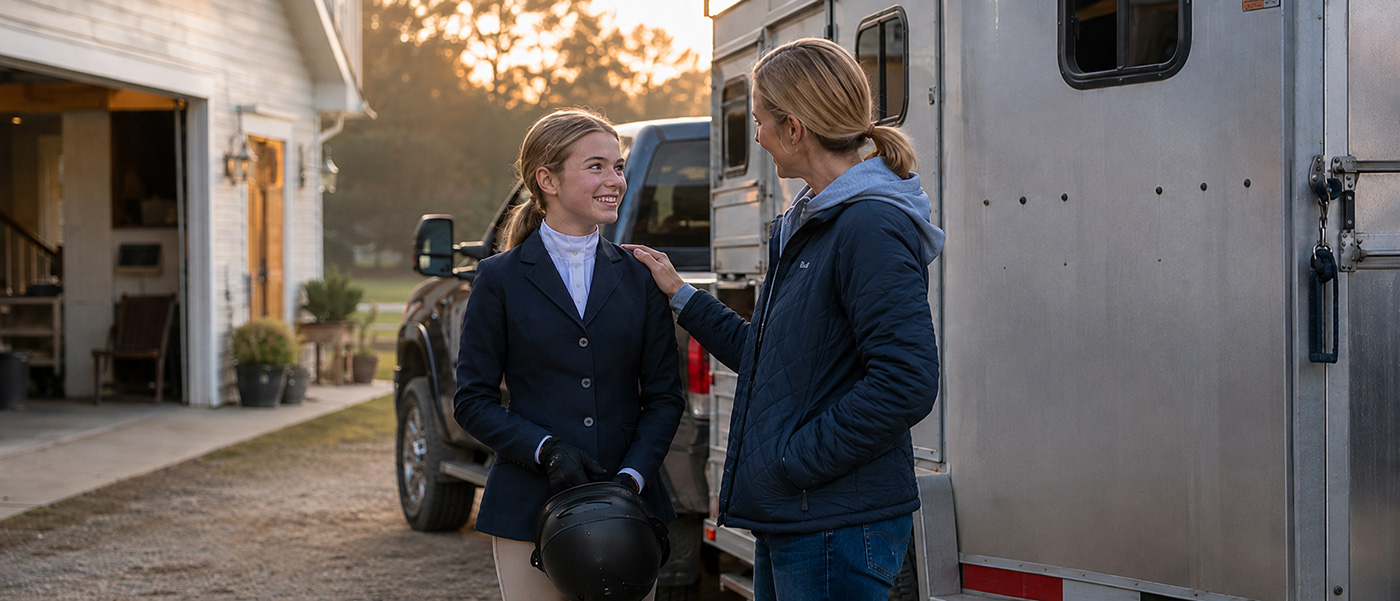
If you are an amateur, a parent buying for a young rider, or someone new to Thoroughbreds, do not evaluate a newly retired racehorse alone.
Take an experienced trainer with you.
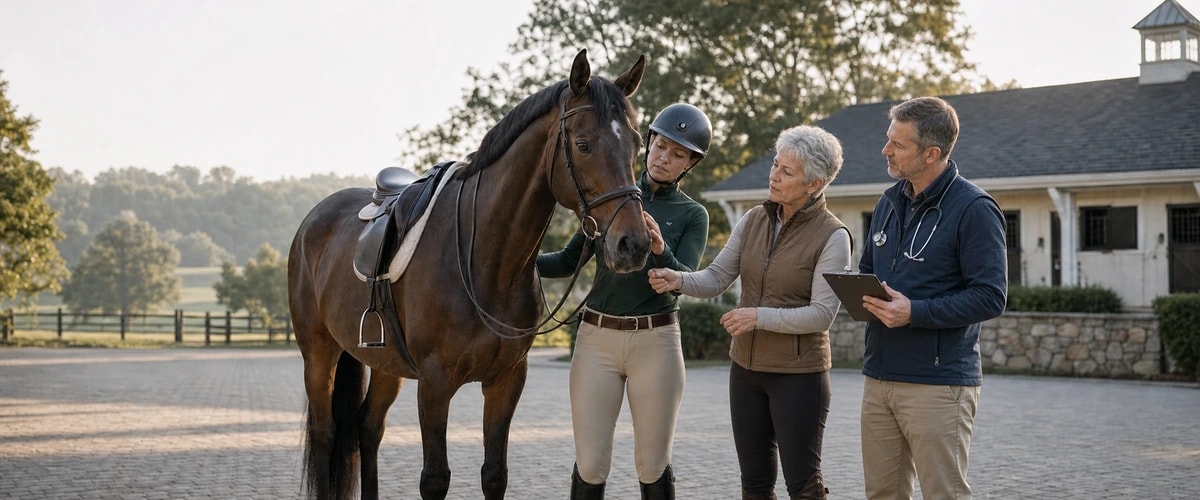
The right professional can help assess temperament, movement, feet, balance, soundness, confidence, rideability, and whether the horse's current level matches your experience.
A wonderful horse can still be the wrong horse for a particular rider at a particular moment.
That does not make the horse bad, and it does not make the rider incapable. It simply means the match is not right yet.
A knowledgeable trainer may also see possibilities you do not see—or notice concerns you would otherwise miss.
That experienced judgment can save you money, disappointment, and heartache.
2. Expect to Invest in Transition and Training
A horse coming off the track is not a finished English riding horse.
He may need to learn how to carry himself differently, respond to new aids, stand quietly, hack outside the arena, manage turnout, jump unfamiliar fences, and relax within a slower pace of work.
Go in expecting to invest either your own time and experience or the help of a qualified professional.
Do not expect a finished horse for a green-horse price and then blame the horse when he behaves like the green horse you purchased.
Also remember that an affordable purchase price does not always mean an inexpensive project.
Depending on the individual horse, the full investment may include professional training, board, veterinary care, dental work, hoof care, nutritional changes, bodywork, properly fitted tack, and time.
A well-started Ottb with professional training may cost considerably more than a horse purchased directly from racing connections and may be worth every dollar.
3. Get the Vet Check
Every time.
This is not special suspicion aimed at Thoroughbreds. It is a basic rule for buying any horse, and anyone who skips it is gambling.
A pre-purchase examination by a good veterinarian helps tell you what you are actually buying.
Is the horse comfortable?
Is he sound for the intended job? Are there past injuries or current findings that need to be understood? What level of work is likely to suit him? Will he require maintenance?
No veterinarian can guarantee the future, and no horse comes with a warranty.
But a careful examination gives the buyer, trainer, and veterinarian information they can use to make a thoughtful decision.
Spend the money.
It may be some of the cheapest protection available in the horse world, and it helps protect both the buyer and the horse from a mismatch that benefits no one.
Choose carefully, allow time for transition and training, and get the veterinary examination.
Do those things, and you have stacked the odds in your favor.
Take the Chance
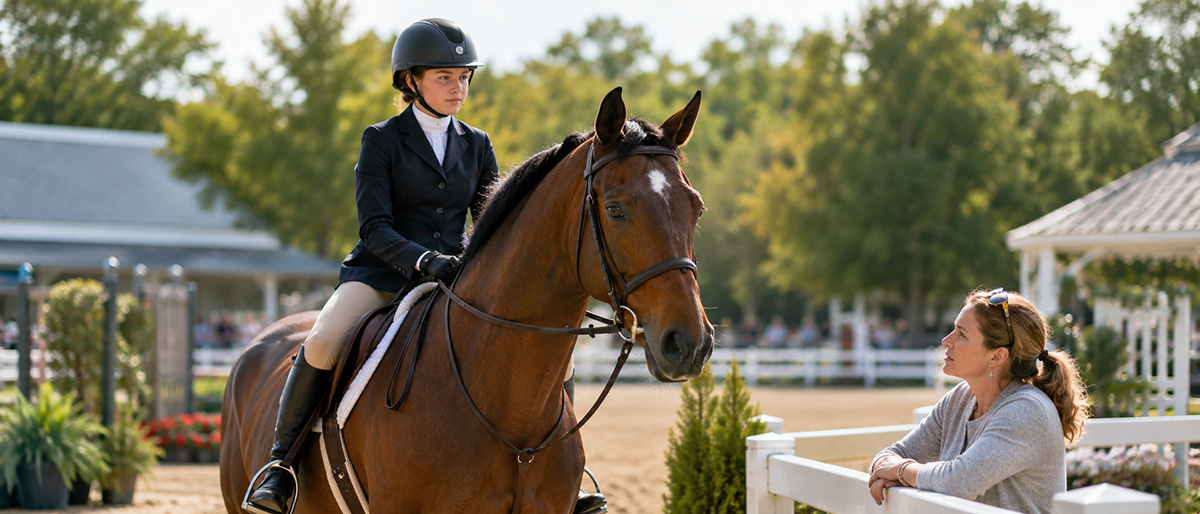
So here's my encouragement, especially to the parents and amateurs reading this and wondering: a big, kind, athletic horse, priced within reach, with years of good work ahead of him and a mind that wants to learn. That's what an off-track Thoroughbred can be. Not a charity project. Not a consolation prize. A genuine partner for the English disciplines — dressage, hunters, jumpers, eventing and everything in between.
The horse who didn't win at the track may be exactly the horse who wins for you. Somebody just has to be smart enough to see it.
Corona already found his person. There are a lot more Coronas out there, waiting for theirs.
Welcome to The Bridleway. We're here for the English rider and for the good horses who carry them!