


Premium footing should come with better questions, not just a higher invoice. Dressage riders are exquisitely sensitive to footing because the work asks for rhythm, balance, pushing power, sitting power, and confidence. A surface that looks perfect in a sales photo can still ride inconsistently if the base, drainage, watering, and maintenance plan are wrong.
Before spending serious money, the barn needs to understand the whole system: what is underneath, what is on top, what it requires each week, and what happens when weather, traffic, and time change the surface.
The Bridleway rule: Do not buy premium footing until you understand the maintenance life it requires.
Ask what is under the surface
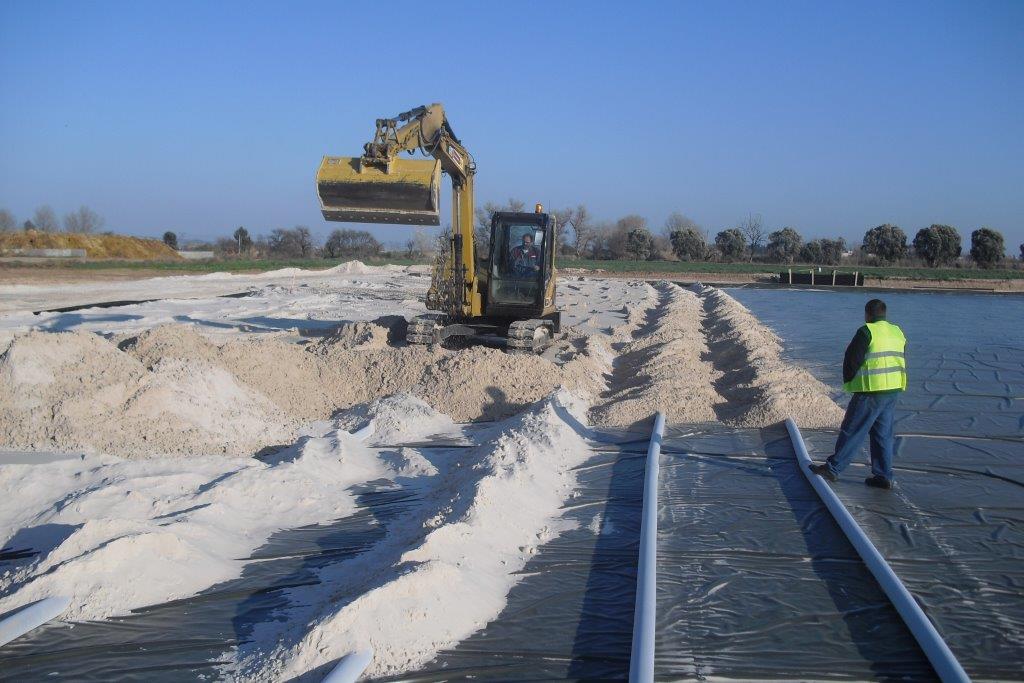
The base and drainage plan determine whether the surface can perform. A top layer cannot compensate forever for poor slope, weak drainage, or inconsistent base construction. Ask how water moves, how the base is protected, and what failure looks like.
If the seller only talks about the surface blend, keep asking. Premium footing is a system, and the system includes the parts riders do not see from the rail.
Buyer note: Ask for plain-language maintenance instructions before you sign. If the plan requires equipment, water, or labor the barn will not realistically provide, the surface may disappoint.
Ask how it should feel at different work levels
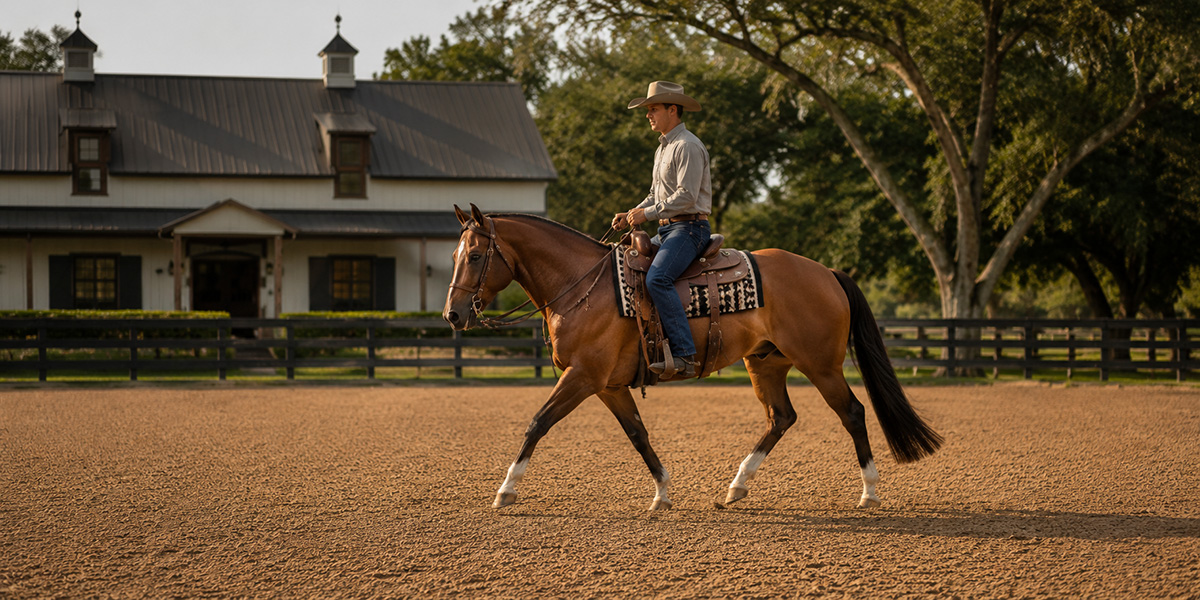
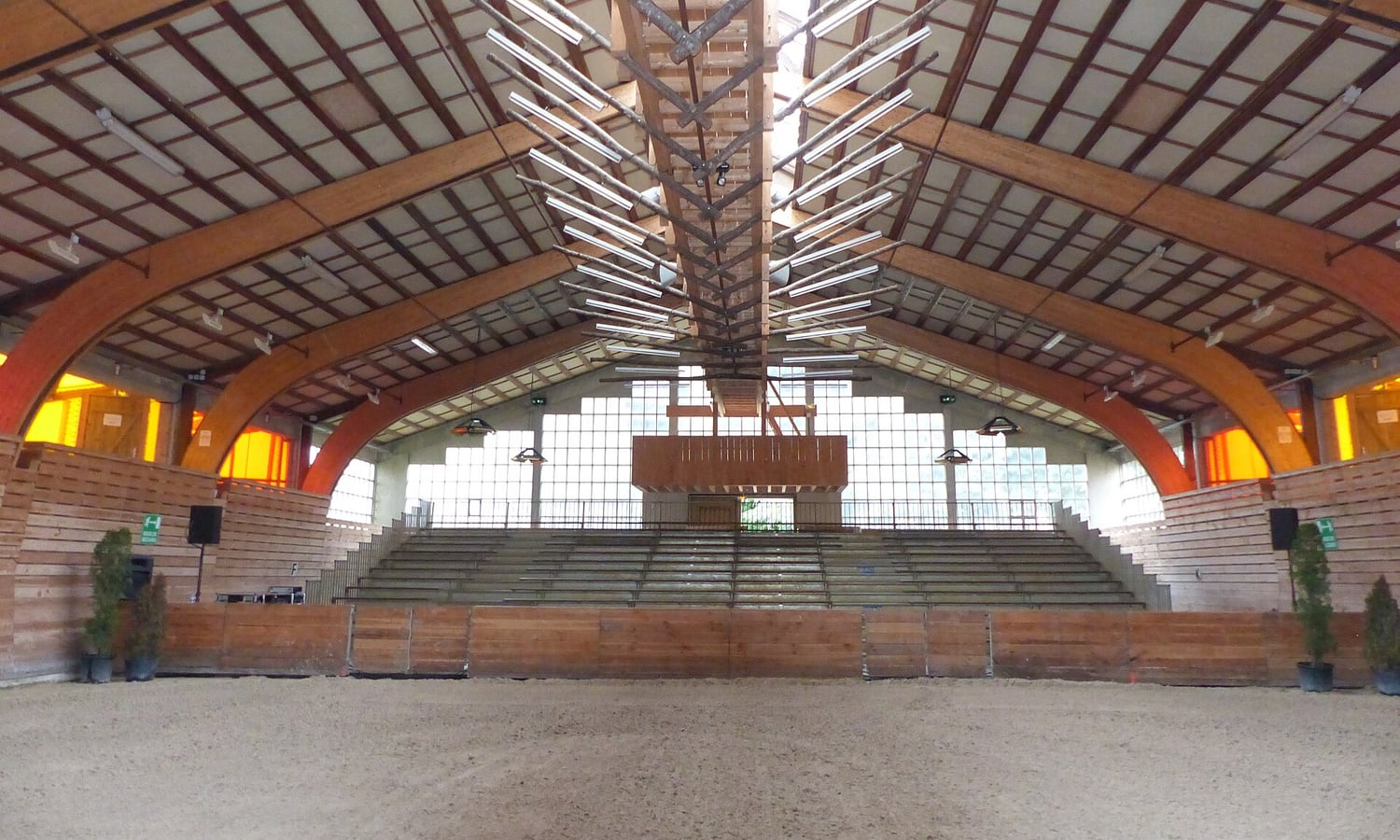
A dressage arena must support walk, trot, canter, transitions, lateral work, circles, and collected questions without becoming heavy or slippery. Riders should ask how the footing behaves under daily flatwork, clinics, heat, cold, and heavy use.
The right feel is not “soft” in a vague sense. It is consistent, supportive, and honest under the horse.
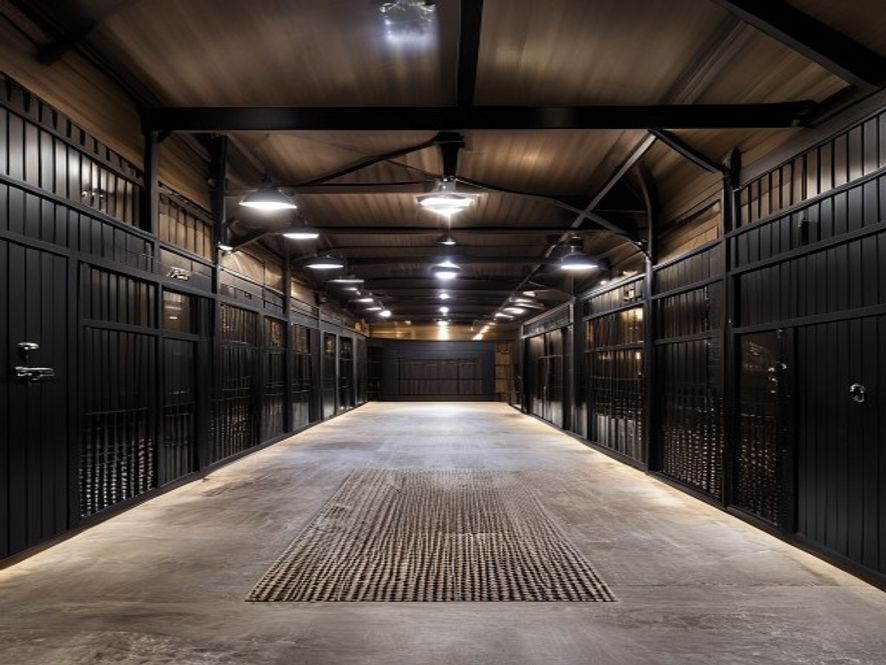
Sales-photo footing
Looks smooth and expensive before traffic, weather, and routine use reveal the maintenance reality.
Working footing
Stays consistent enough that horses trust it after weeks and months of normal barn life.
Ask how dust and moisture are controlled
Dust control is a health, maintenance, and presentation question. Moisture management is equally important because a surface can swing from dusty to slick if watering, drainage, or materials are not matched to the facility.
Barns should know who waters, when, how often, and how the surface should be dragged. A premium surface without a responsible routine is only premium for a short window.
| Question | Why it matters | Listen for |
|---|---|---|
| What base do we need? | The base supports drainage and consistency. | Specific construction guidance, not vague reassurance. |
| How is dust controlled? | Dust affects horses, riders, and facility impression. | Water/additive plan and maintenance frequency. |
| What equipment is required? | Maintenance must match what the barn owns or will buy. | Drag type, watering system, depth checks. |
| How does it age? | All surfaces change with time and traffic. | Repair plan, refresh intervals, lifecycle expectations. |
Budget for maintenance.
The install price is not the whole cost. Water, equipment, labor, repairs, and surface refreshes are part of the real investment.
What riders are asking before they buy, show, or change the routine
The useful question is often more ordinary than the polished product copy. Riders and parents want to know what will help the horse feel better, what will keep the rider safer, what is worth paying for, and what can wait. The better buying habit is to translate each worry into a check you can repeat at the barn.
Keep these questions open
- What should I ask before buying dressage arena footing?
- Is premium footing worth it for a private dressage barn?
- How often should arena footing be maintained?
- What does good dressage footing feel like?
The best footing conversations are specific
A serious vendor should welcome detailed questions. They should want to know your horses, disciplines, climate, traffic, budget, equipment, and expectations. The more precise the conversation, the less likely the barn is to buy the wrong dream.
For dressage riders, footing is never just a facility upgrade. It is part of training quality, horse comfort, and rider confidence.
Good footing disappears
When the surface is right, the rider thinks about rhythm, straightness, contact, and the test - not the corner they are avoiding.
What to ask the professional before you spend more money
A polished English-riding decision still benefits from a second set of expert eyes. Before buying the upgraded version, changing equipment, adding a new product, or blaming the horse, bring a clean question to the trainer, veterinarian, fitter, farrier, barn manager, or product specialist.
| Ask | Why it helps |
|---|---|
| What problem are we solving first? | It separates comfort, safety, training, rule, and presentation questions. |
| What evidence would change the plan? | It keeps the decision from becoming brand loyalty or barn rumor. |
| How will we know this worked? | It turns the purchase or routine into an observable horse-care test. |
How to use this guide this week
Pick one checkpoint from this guide and use it before or after three rides this week. Write down what you saw, what the horse felt like, and whether the answer changed after a lesson, a harder school, or a show-day simulation. Good horsepeople do not need perfect guesses. They need repeatable observations.
Simple record: Keep a tiny note in your phone: date, horse, work, what changed, and what you will ask your trainer or professional next. Patterns are where ordinary barn notes become useful horsemanship.
Research note: This Bridleway guide was shaped from Practical Horseman, British Horse Society horse-care guidance, r/Equestrian reader discussions. Forum and Reddit discussions were used only to understand common rider questions, not as veterinary, legal, or rule authority.