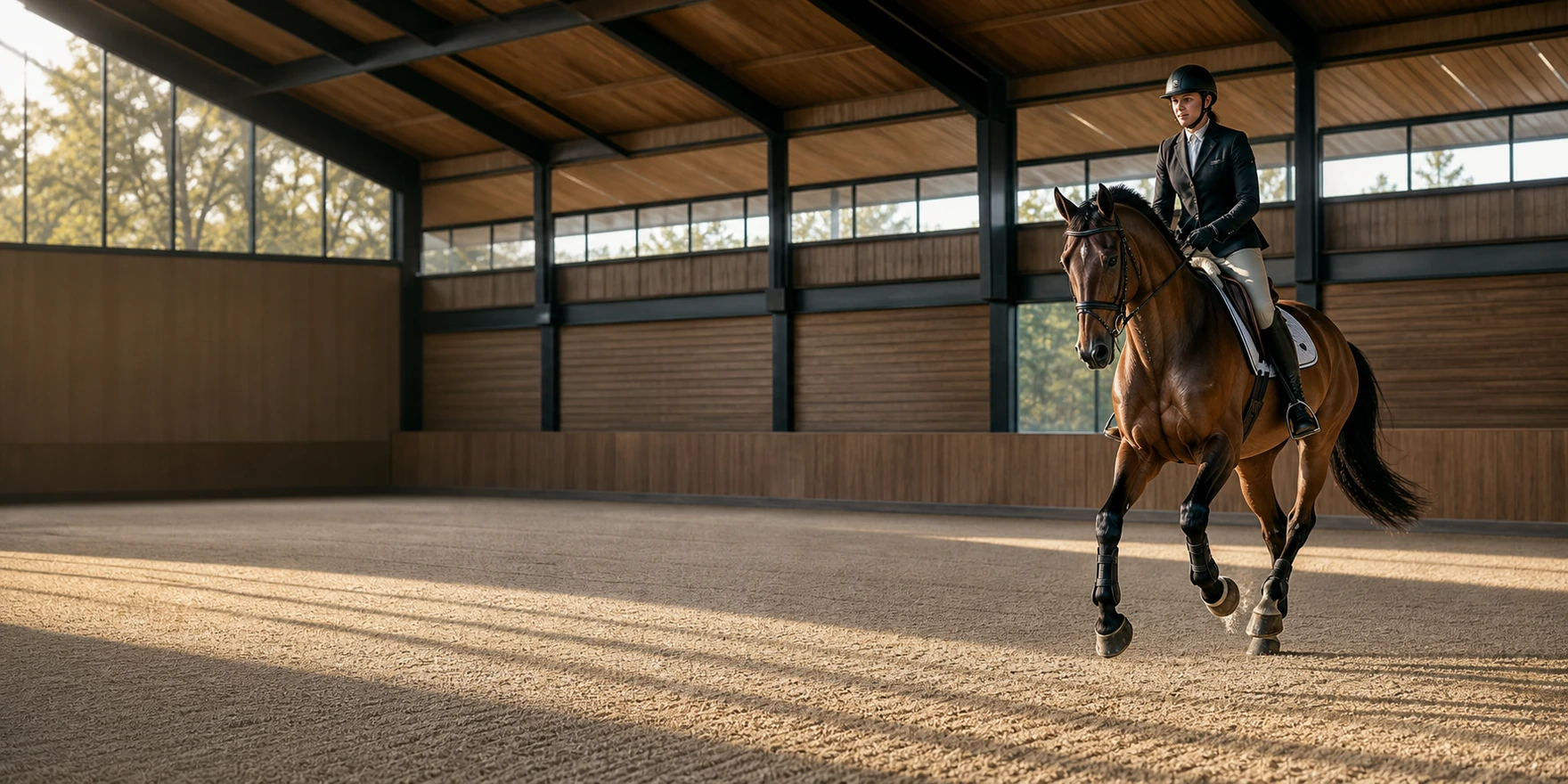

FootingFirst® builds the part of an arena every horse feels on every stride. The company supplies premixed riding surfaces for private barns, training facilities and competition venues, with dust-free and water-dependent choices for show jumping, hunter/jumper, dressage, eventing, reining, barrel racing and driving. The point is not to sell an isolated ingredient. It is to help each facility create a more consistent, durable surface around its discipline, workload, climate, maintenance routine and budget.
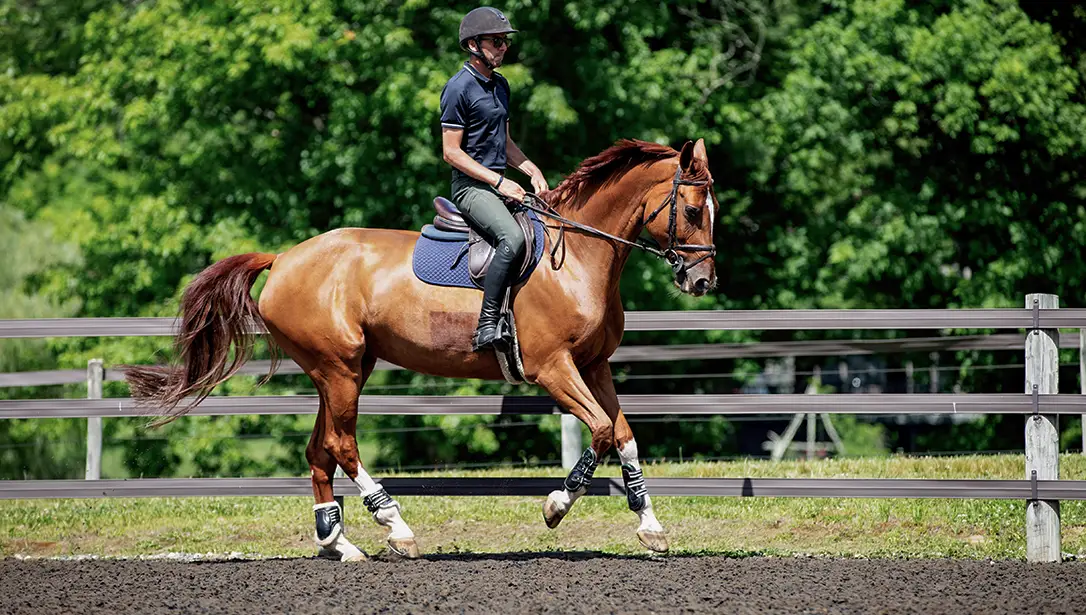
Uniformity is difficult to achieve when sand, fibers and other components are measured and mixed after they reach the arena. FootingFirst combines selected ingredients in a controlled process before delivery, distributing the specified proportions throughout the load instead of leaving them to arena-side guesswork. The aim is fewer uneven pockets and a more predictable feel across the ring. It also makes the conversation refreshingly practical: what should this arena feel like, how hard will it work, and how much maintenance can the facility realistically support?

There is no responsible one-blend-fits-every-barn answer. Start with discipline and the way the horse needs to grip, load and leave the surface. Then consider indoor or outdoor exposure, local climate and drainage, frequency of use, the desired watering and grooming routine, and the complete installed budget. This whole-system view agrees with the FEI equestrian-surfaces guide, which treats impact firmness, cushioning, responsiveness, grip, uniformity and consistency over time as related properties—not a single softness score.

The range is split between four dust-free, non-water-dependent surfaces and two traditional hydrated surfaces. TravelRight™ is the signature dust-free blend for traction, stability and cushioning. TravelBright™ pursues similar performance goals with lighter-colored sand that can brighten an indoor or covered arena. TraveLite™ is the more cost-conscious dust-free option, with additional movement and shear for mixed-use facilities.
All-Right provides greater shear for disciplines that need a more natural slide, and its feel can be adjusted by rolling or dragging. On the water-dependent side, Superior Riding Surface (SRS) is built for heavy-use performance, while Econoblend offers a more economical entry point without abandoning the fundamentals of traction, stability and cushion.
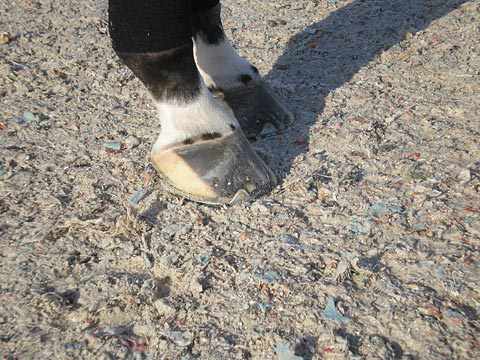
FootingFirst describes its dust-free line as proprietary premixed combinations of high-grade silica sand, synthetic fibers and select paraffin wax. The wax-coated blend minimizes airborne dust without daily watering for dust control, making it especially appealing where water access, freezing conditions, labor or indoor air quality make constant irrigation impractical. “Dust-free” does not mean “maintenance-free”: depth, grooming pattern and arena use still matter, and the correct maintenance plan should follow the installed blend rather than a generic drag schedule.
Indoor and covered arenas can feel visually heavy, especially under low ambient light. TravelBright uses a lighter, brighter sand while pursuing the traction, stability and cushioning associated with TravelRight. The result is a surface specified as much for the riding environment as for the ride itself. Facilities should still choose it on performance and maintenance needs first; the brighter appearance is the useful bonus, not the entire brief.
TraveLite is designed for owners who want a premixed dust-free surface at a more accessible price point. It has more movement and shear than the flagship blend while retaining life, energy and traction. That makes it a useful candidate for teaching barns and multi-discipline facilities, but the word “Lite” is not permission to skip the facility assessment. The best value is the blend that matches the horses, workload and maintenance reality—not simply the lowest delivered number.
Some facilities prefer a traditional hydrated surface and have the water, labor and climate to manage one well. For SRS and Econoblend, FootingFirst premixes high-grade silica sand with specialized geotextile fibers; correct hydration is then part of producing the intended cushion, traction and stability. SRS is positioned for heavier traffic and competitive demands and can be adjusted for lighter-use applications. Econoblend gives budget-conscious facilities a dependable starting point and can later be replaced with or integrated into SRS when the operation is ready to step up.
The Equestrian Buffer Underlayment System—Ebus—is a subsurface cushion-mat system installed directly beneath the riding surface. FootingFirst says the mats are made from clean post-industrial polyethylene foam and recycled rubber, with a durable non-woven geotextile top layer that keeps footing and cushion components separate while supporting drainage. The rolls reduce the number of seams compared with small tiles. They are designed to resist mildew, bacteria, rot and chemicals and to retain their shape under repeated compression.
No. The company presents itself as a comprehensive arena-surface provider, pairing footing recommendations with consultation, installation and ongoing support. Its team brings decades of experience in arena planning, construction and footing installation and can coordinate with trusted arena contractors, builders, architects, stall manufacturers and maintenance providers. That matters because excellent footing cannot rescue an unsuitable base, drainage problem or installation shortcut. A high-performing arena is a system, and the visible top layer is only its final component.
Bluman Equestrian uses FootingFirst footing and Ebus cushion mats at its New York facility. In the video below, Daniel Bluman explains why he chose the surface and what the added underlayment means to him when his horses are jumping at home.
Bring FootingFirst the unvarnished version of the project: arena dimensions, indoor or outdoor exposure, drainage and base history, primary disciplines, number of daily rides, current maintenance equipment, water access, climate and budget. Photos and video of the existing surface can help, but an engineered recommendation should come from the complete facility brief. FootingFirst’s current promise is simple and worth holding them to: expert guidance and support beyond the sale.
Daniel Bluman — Bluman EquestrianIt’s great footing…and it always delivers. I feel that I’m safe and taking the least risks possible of injury.
Explore more from the InfoHorse.com directory


Explore expert guides on topics related to your business
By Bob Pruitt
By Teri Clark
By Bob Pruitt
By Karen Elizabeth Baril
By Footing First
By Bob Pruitt