

A horse that hauls well still deserves a trailer system that protects the trip. English riders often treat travel as the space between the real work, but hauling is work. The horse balances, breathes, drinks differently, stands on a moving floor, and arrives with a body that has already spent energy.
A travel loadout should protect the obvious risks - floor, mats, ventilation, water, hay, padding, boots, documents - and the less obvious one: arriving so disorganized that horse care becomes rushed.
The Bridleway rule: Pack the trailer around the horse's body first, then the rider's convenience.
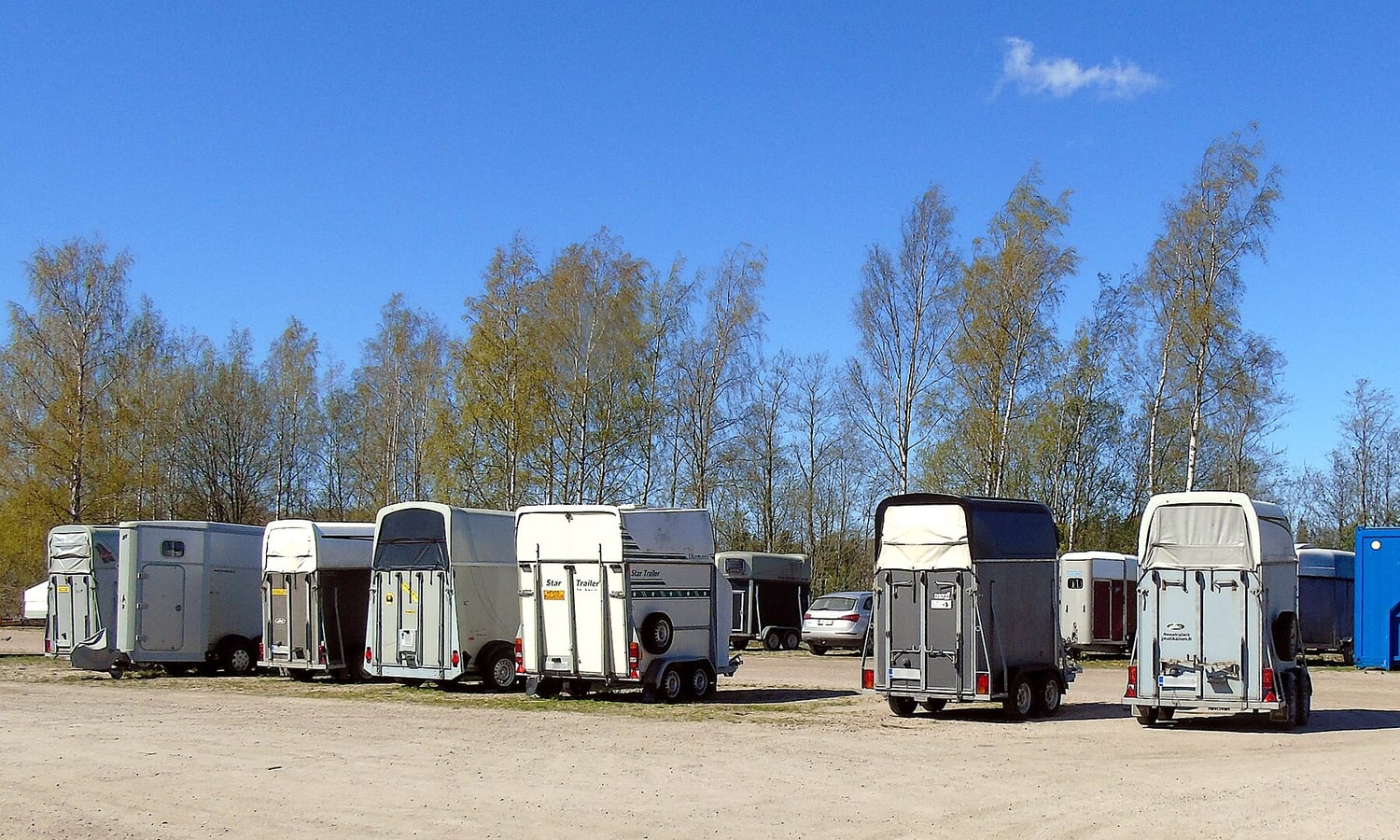
Start below the horse
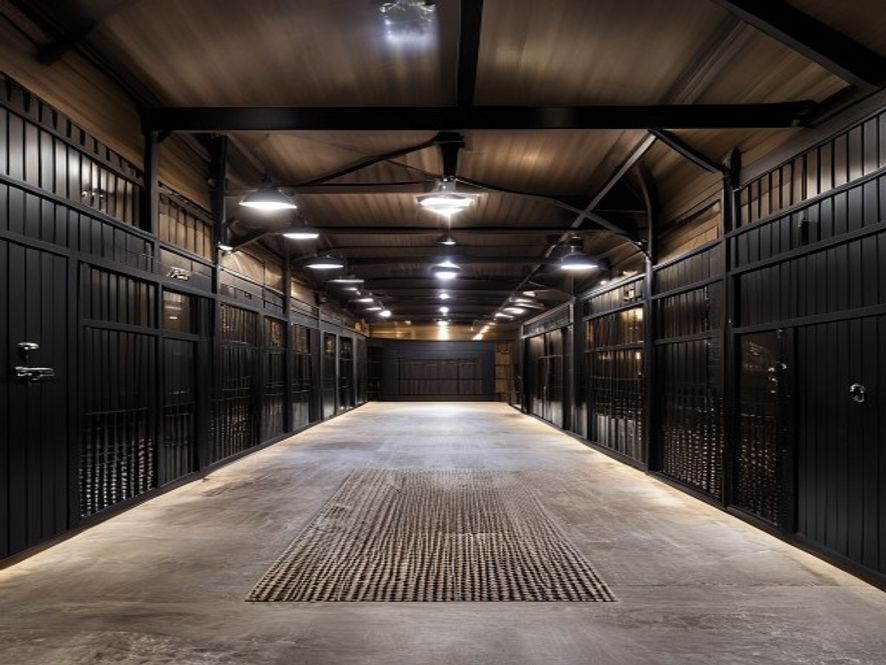
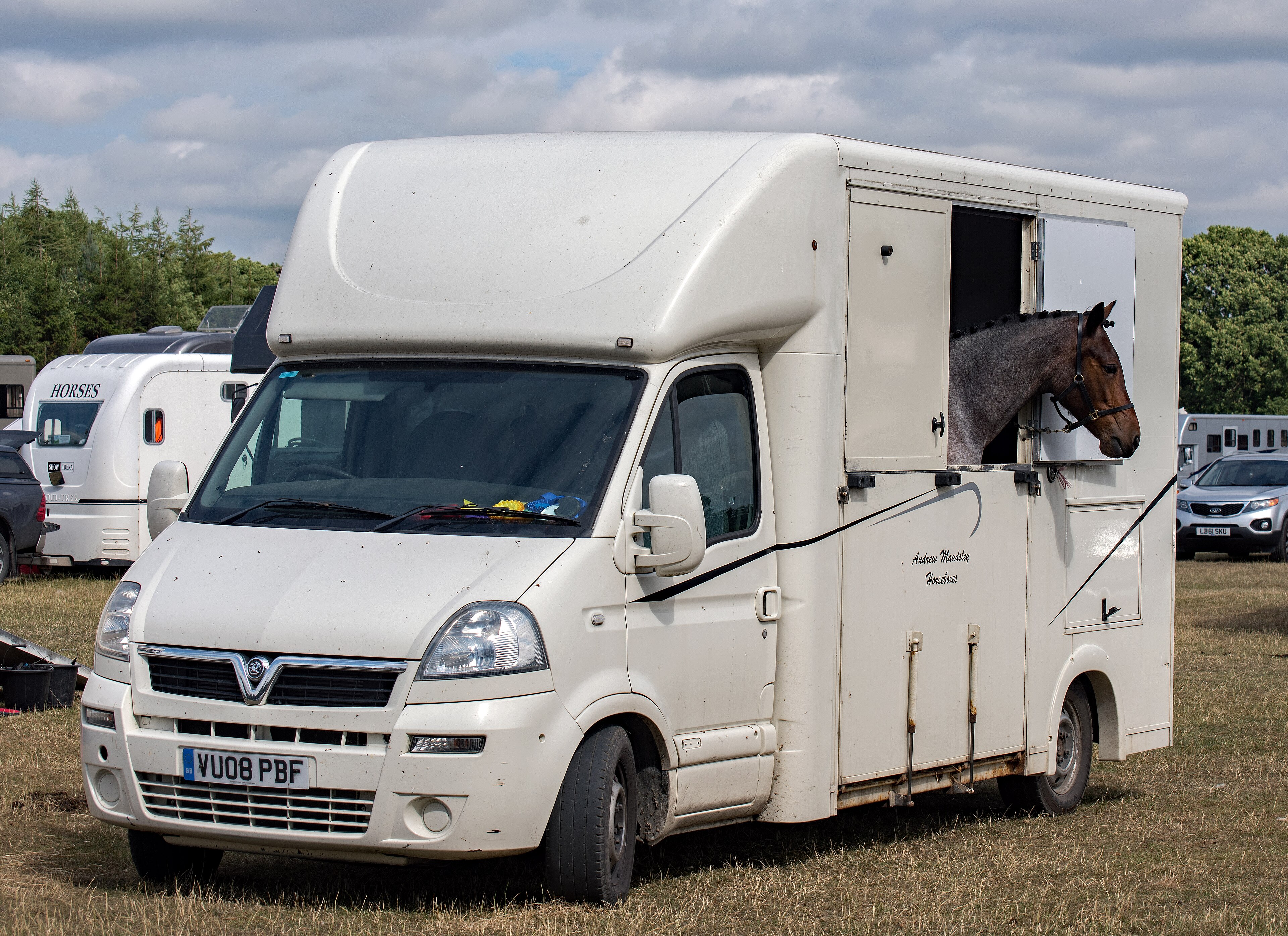
Trailer floor condition matters more than almost anything in the loadout. Inspect boards, mats, ramps, latches, drainage, and traction before assuming the trailer is ready. A polished tack trunk does not compensate for a questionable floor.
Mats should lie flat, provide grip, and be cleaned enough to inspect what is underneath. Wet, trapped bedding and hidden rot are not elegant problems, but they are serious ones.
Floor checks are not optional.
If you are unsure about the trailer floor, stop and inspect before loading. Involve a qualified trailer professional when needed.
Water, hay, and air are travel basics
Horses may drink differently away from home, and some become picky about unfamiliar water. Bring familiar water when practical, offer water regularly, and pay attention to weather, trip length, and the horse's normal habits.
Ventilation matters because dust, heat, ammonia, and poor airflow can make travel harder on the respiratory system. Hay should be managed in a way that is safe for the trailer setup and horse.
Human packing
Rider clothes, snacks, phone charger, show coat, and forgotten coffee become the center of attention.
Horse-first packing
Floor, mats, water, hay, airflow, documents, first-aid basics, and recovery plan are checked first.
Choose protection the horse can tolerate
Shipping boots, wraps, bell boots, tail guards, and padding all have fans and critics. The best choice is the one fitted correctly, safe for the horse, and practiced before the stressful trip.
Do not use a new shipping setup for the first time on a major show morning. Horses can object to bulk, heat, slipping wraps, or unfamiliar pressure.
| Travel area | Check before loading | Check after arrival |
|---|---|---|
| Floor and mats | Clean, flat, sound, non-slip, inspected. | Wet spots, shifting mats, manure, hidden damage. |
| Water and hay | Enough for delays, familiar when useful, safely placed. | Drinking, manure, appetite, signs of dehydration. |
| Ventilation | Airflow appropriate for weather and dust. | Heat, coughing, nasal discharge, fatigue. |
| Protection | Correctly fitted and practiced. | Rubs, swelling, slipping, heat under boots or wraps. |
Recovery starts at unloading.
Walk, offer water, check legs, monitor manure and appetite, and give the horse a chance to settle before asking for hard work.
What riders are asking before they buy, show, or change the routine
The useful question is often more ordinary than the polished product copy. Riders and parents want to know what will help the horse feel better, what will keep the rider safer, what is worth paying for, and what can wait. The better buying habit is to translate each worry into a check you can repeat at the barn.
Keep these questions open
- What should I check before loading a horse trailer?
- Should sport horses wear shipping boots?
- How do I keep a horse hydrated while traveling?
- What documents should English riders bring when hauling?
Documents and delay plans belong in the loadout
Health documents, Coggins, emergency contacts, medication information, insurance details, route plan, and venue instructions should be easy to reach. The wrong time to hunt for documents is at a gate, border, clinic, or veterinary emergency.
Pack for delays with water, hay, weather gear, and enough calm to change the plan if the horse needs it.
The best hauling standard
The horse unloads into a rider who is organized enough to notice how the horse actually traveled.
What to ask the professional before you spend more money
A polished English-riding decision still benefits from a second set of expert eyes. Before buying the upgraded version, changing equipment, adding a new product, or blaming the horse, bring a clean question to the trainer, veterinarian, fitter, farrier, barn manager, or product specialist.
| Ask | Why it helps |
|---|---|
| What problem are we solving first? | It separates comfort, safety, training, rule, and presentation questions. |
| What evidence would change the plan? | It keeps the decision from becoming brand loyalty or barn rumor. |
| How will we know this worked? | It turns the purchase or routine into an observable horse-care test. |
How to use this guide this week
Pick one checkpoint from this guide and use it before or after three rides this week. Write down what you saw, what the horse felt like, and whether the answer changed after a lesson, a harder school, or a show-day simulation. Good horsepeople do not need perfect guesses. They need repeatable observations.
Simple record: Keep a tiny note in your phone: date, horse, work, what changed, and what you will ask your trainer or professional next. Patterns are where ordinary barn notes become useful horsemanship.
Research note: This Bridleway guide was shaped from AAEP horse-health resources, USEF Rulebook, r/Equestrian reader discussions. Forum and Reddit discussions were used only to understand common rider questions, not as veterinary, legal, or rule authority.