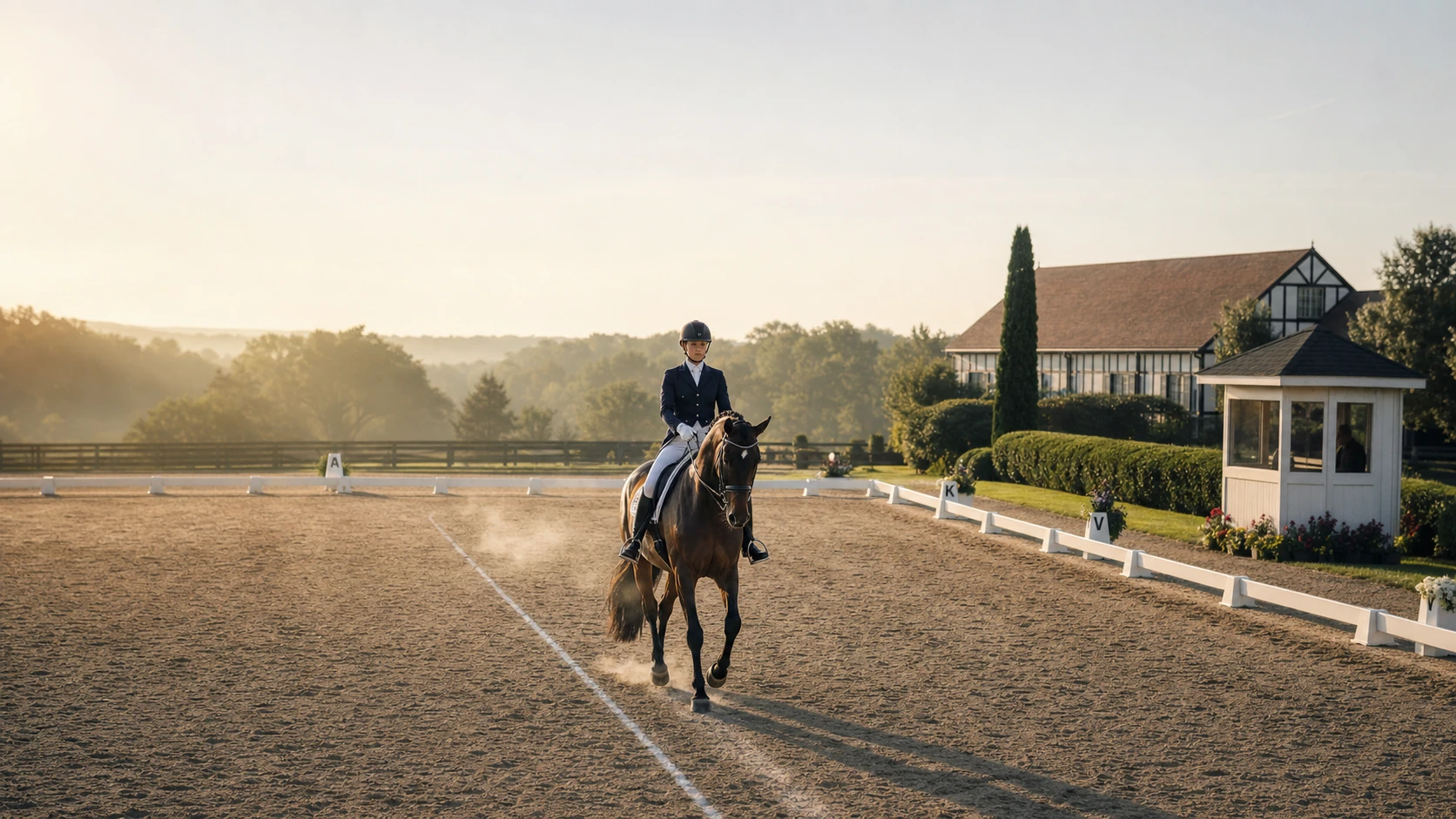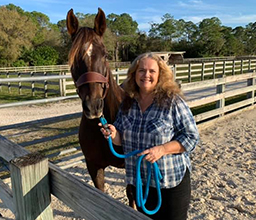



A first serious season should make a young rider more capable, not just more scheduled. The jump from casual lessons to a real dressage season can feel enormous. Suddenly there are tests, scores, ride times, coats, warm-up rings, comments, costs, travel, and a parent trying to understand a sport with its own language.
A good plan keeps ambition from becoming noise. It gives the rider a training focus, the horse a welfare-first schedule, the parent a role, and the trainer a clear way to measure progress beyond ribbons.
The Bridleway rule: Choose a season that the horse, rider, family, budget, and nervous system can actually absorb.
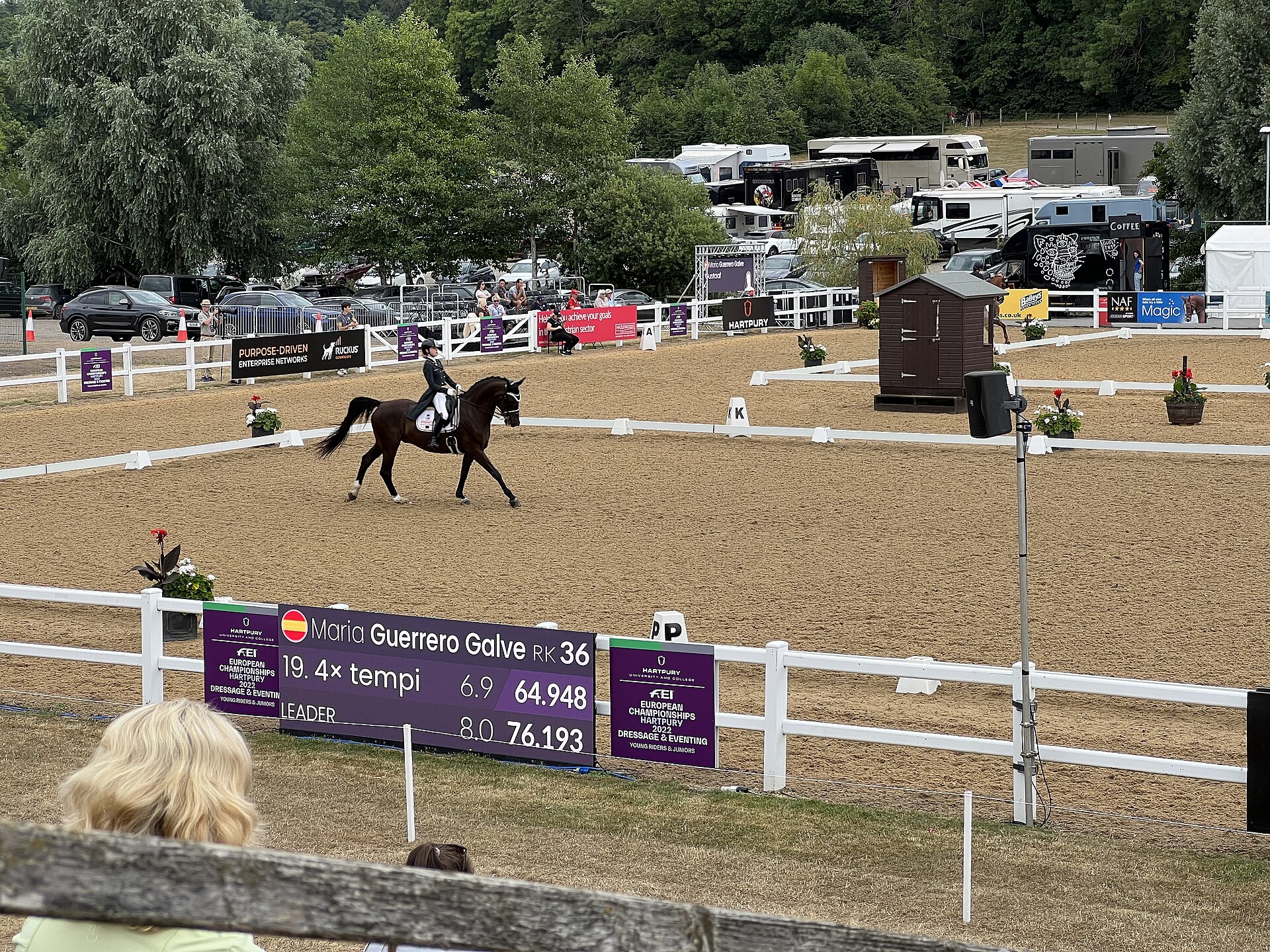
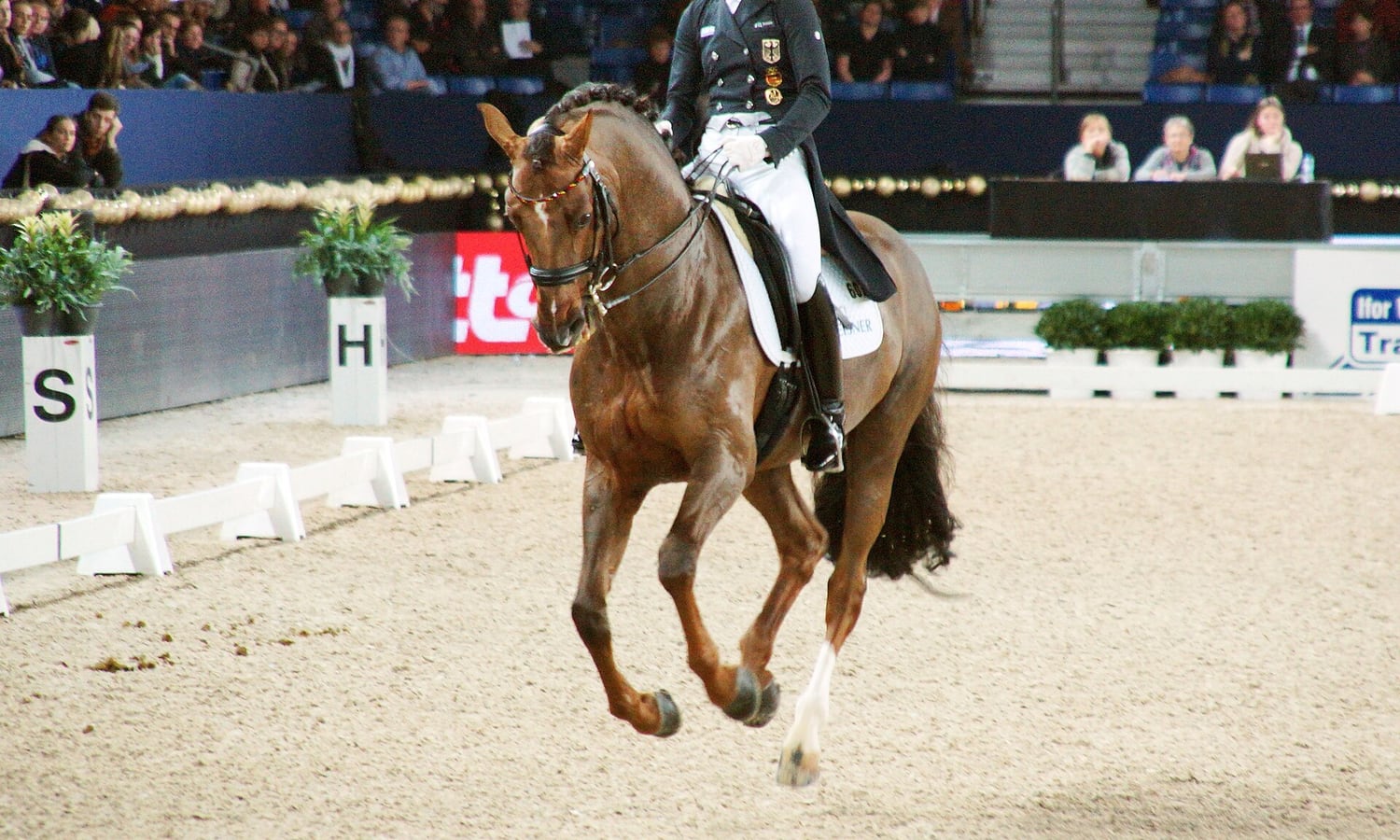
Pick the learning goal before the show calendar
A first season does not need to prove everything. The most useful goals are specific: ride accurate geometry, understand the test directives, improve transitions, learn warm-up timing, or handle one show calmly.
When the goal is clear, the calendar becomes easier. Fewer thoughtful outings can teach more than a crowded schedule that leaves horse, rider, and parents tired.
Parent note: Ask the trainer what the season is supposed to teach. That answer matters more than whether the show list looks impressive.
Teach the test like a language
Young riders often memorize the pattern but miss the point of each movement. A dressage test is not only where to go. It is a set of training questions: rhythm, accuracy, balance, transitions, bend, and connection.
Practice reading the test sheet and judge comments without drama. Comments are information. Scores are snapshots. Neither should become the rider's identity.
Outcome pressure
Every score becomes proof of talent, worth, or whether the season is working.
Learning pressure
Scores and comments become data for the next lesson, with horse welfare and rider growth still central.
Build the show-day routine slowly
Show turnout, braids, tack cleaning, packing, warm-up, and recovery should not all be introduced at once. A young rider can own one part at a time: polish boots, pack gloves, learn the test, clean the bridle, or walk the warm-up plan with the trainer.
That ownership is how a rider becomes serious without being swallowed by adult expectations.
| Season piece | Rider job | Adult job |
|---|---|---|
| Lessons | Learn the current training focus and one practice habit. | Keep schedule realistic and communicate with trainer. |
| Shows | Know the test, tack, and warm-up plan. | Handle logistics without coaching from the rail. |
| Scores | Read comments for next lesson material. | Do not turn one result into a verdict. |
| Horse care | Groom, cool out, notice comfort, help pack. | Protect rest, nutrition, and professional care. |
Avoid the burnout calendar.
A young rider who is constantly exhausted, tearful, sore, rushed, or anxious may need a lighter schedule, easier goals, or a reset. Ambition should not erase joy.
What riders are asking before they buy, show, or change the routine
The useful question is often more ordinary than the polished product copy. Riders and parents want to know what will help the horse feel better, what will keep the rider safer, what is worth paying for, and what can wait. The better buying habit is to translate each worry into a check you can repeat at the barn.
Keep these questions open
- How many shows should a young dressage rider do in a first season?
- What should be the first goal for a young dressage rider?
- How should parents respond to dressage scores?
- What show prep should a young rider do personally?
Define success in more than ribbons
A first serious season is successful when the rider becomes more educated, kinder to the horse, more organized, and more resilient. A ribbon can be lovely, but it is not the whole education.
The goal is a young horseperson who wants to keep learning after the show clothes come off.
A strong season question
At the end of the season, can the rider explain what improved, what felt hard, and how the horse was cared for along the way?
What to ask the professional before you spend more money
A polished English-riding decision still benefits from a second set of expert eyes. Before buying the upgraded version, changing equipment, adding a new product, or blaming the horse, bring a clean question to the trainer, veterinarian, fitter, farrier, barn manager, or product specialist.
| Ask | Why it helps |
|---|---|
| What problem are we solving first? | It separates comfort, safety, training, rule, and presentation questions. |
| What evidence would change the plan? | It keeps the decision from becoming brand loyalty or barn rumor. |
| How will we know this worked? | It turns the purchase or routine into an observable horse-care test. |
How to use this guide this week
Pick one checkpoint from this guide and use it before or after three rides this week. Write down what you saw, what the horse felt like, and whether the answer changed after a lesson, a harder school, or a show-day simulation. Good horsepeople do not need perfect guesses. They need repeatable observations.
Simple record: Keep a tiny note in your phone: date, horse, work, what changed, and what you will ask your trainer or professional next. Patterns are where ordinary barn notes become useful horsemanship.
Research note: This Bridleway guide was shaped from USDF education, USEF Rulebook, r/Equestrian reader discussions. Forum and Reddit discussions were used only to understand common rider questions, not as veterinary, legal, or rule authority.