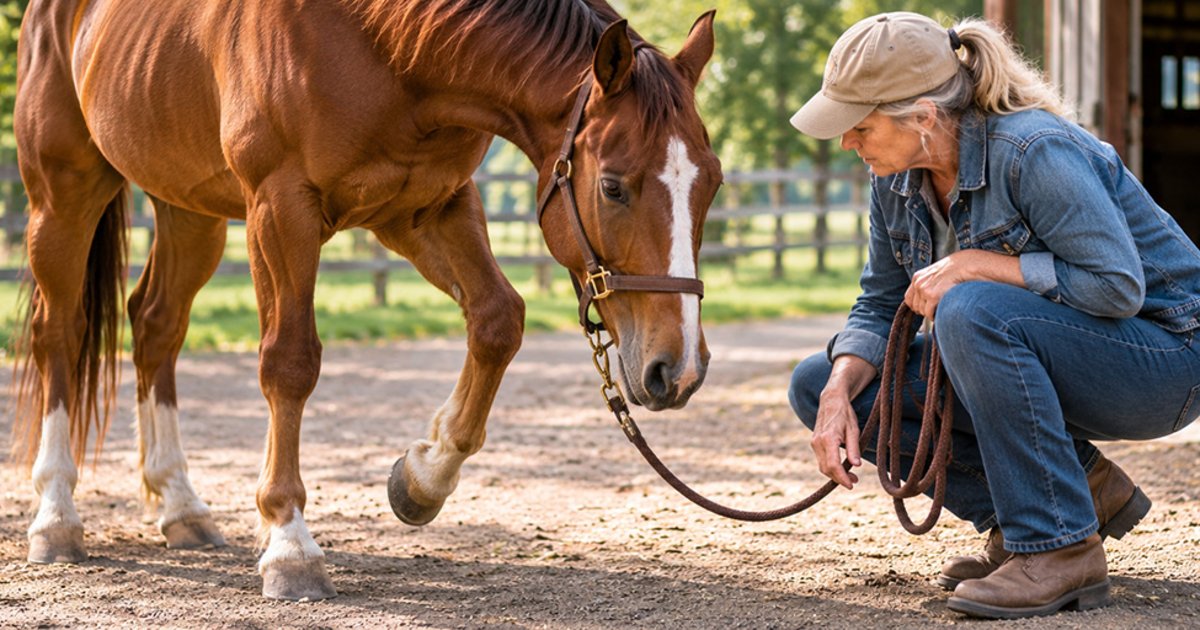



Most horse owners have been through it at least once. Your horse was moving fine yesterday. Today he's short-strided, picking his way across the gravel like he's walking on broken glass, and favoring one front foot. You pick out the hoof and find nothing stuck in it. No nail, no rock, no obvious wound.
There is a good chance you are looking at a stone bruise.
For some horses, it happens once in a lifetime. For others, it happens every few months, especially when the ground dries out or the trail riding season picks up. If your horse falls into that second group, it pays to understand what a bruise is, why some horses are prone to them, and what you and your farrier can do to break the cycle.
What a stone bruise is
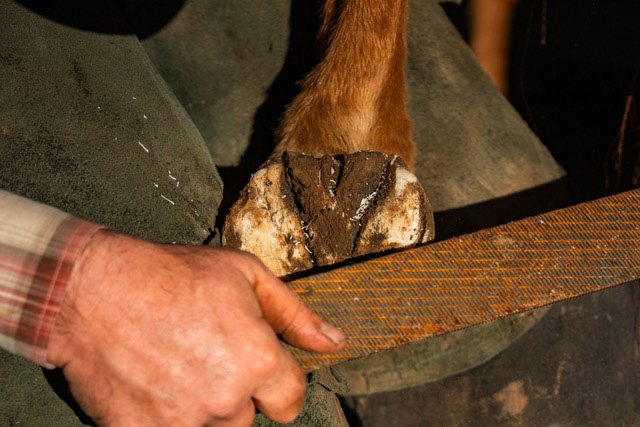
The sole of the hoof looks tough, and it is, but it's not very thick. Under that layer of horn sits the sensitive tissue called the solar corium, packed with blood vessels and nerves. Below is the coffin bone.
When a horse lands hard on a rock or a high spot in the ground, pressure is passed through the sole into that sensitive tissue. Small blood vessels break, and blood collects under the sole. That's the bruise. It's the same thing that happens when you bang your shin on a coffee table, except the horse keeps standing on it.
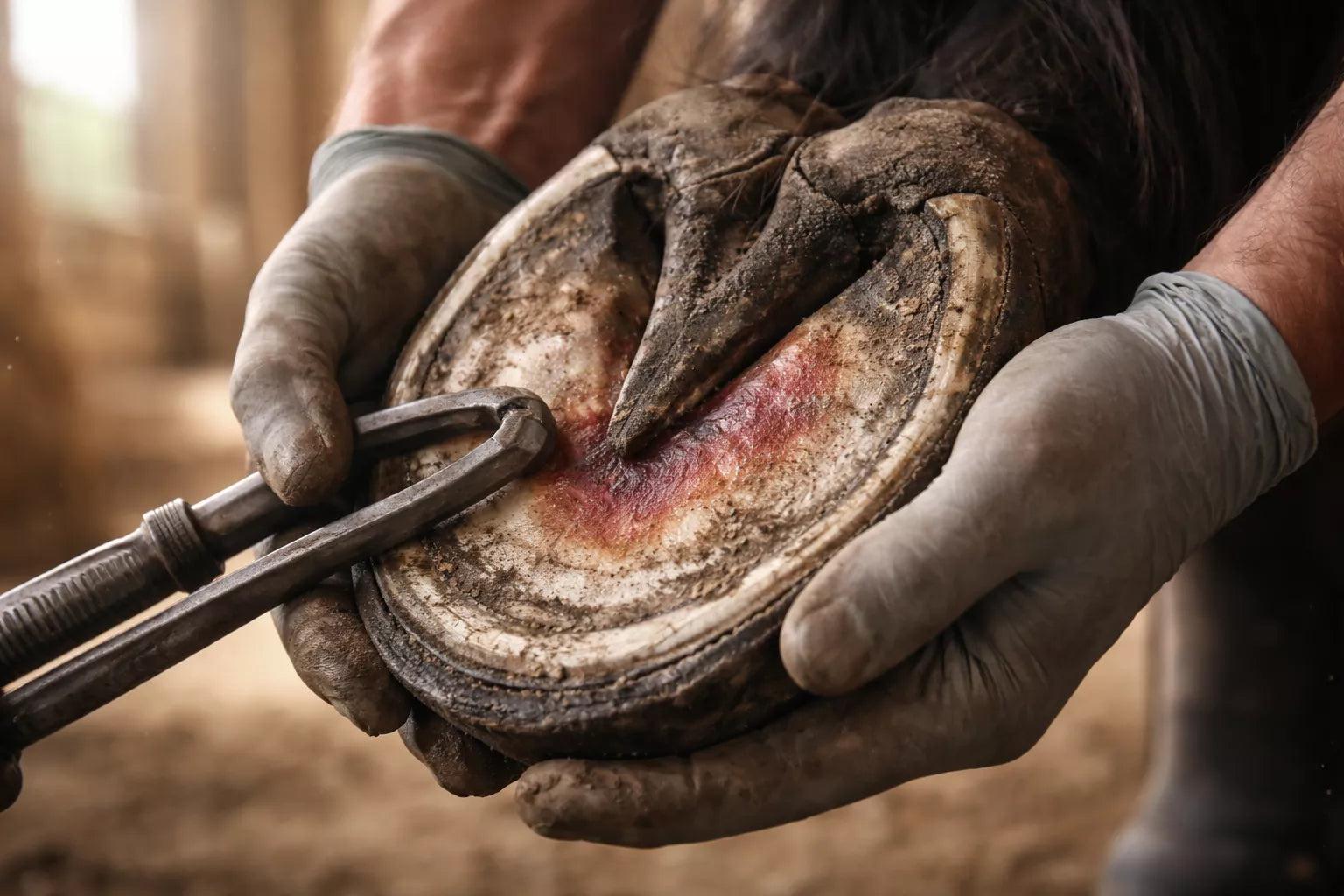
You don't always see it right away. Bruising often shows up later as a red, pink, or purple stain in the sole when the farrier pares it. Sometimes it never shows, and the only sign is soreness when hoof testers are applied over one spot.
Signs your horse may have a stone bruise
The signs can be mild or obvious depending on how deep the bruise is:
Lameness that is worse on hard or rocky ground and better on soft footing
- Short, choppy strides, especially on turns
- Shifting weight off one foot while standing
- A reaction to hoof testers in one area of the sole
- Heat in the hoof, sometimes with a stronger digital pulse
- Discoloration in the sole after trimming
Many of these signs also fit a hoof abscess, a sole puncture, laminitis, or even a fracture. That is why the first step is always a call to your farrier or veterinarian. You should not guess. A lame horse needs a professional to find the cause.
Why do some horses bruise over and over
If your horse keeps bruising, there is usually a reason. These are the most common ones.
Thin soles.
Some horses are simply born with thin soles. Others develop them from over-trimming or from a hoof that has been under stress for a long time. Less sole means less padding between the ground and the sensitive tissue.
Flat feet.
A healthy hoof has some concavity, meaning the sole is cupped up slightly. A flat-footed horse puts more of the sole in contact with the ground, so every rock gets a shot at it.
Long toes and low heels.
When the toe grows long and the heel runs forward and under, the horse's weight shifts in ways that load the sole and toe more than they should. Bruising in the toe area and at the heels is common in these feet.
Wet then dry ground.
A hoof that stays soaked in mud and manure gets soft. Soft horn bruises easily. When that wet paddock dries into hard, rough ground, the soft-footed horse takes a beating.
Hard work on hard ground.
Long trail rides over rock, steep downhill work, roading on gravel, or competing on packed arenas all add up. The more miles and the harder the surface, the more stress on the sole.
Diet and overall hoof health.
Hoof quality is built from the inside. A horse that isn't getting the right nutrition may grow weaker horn that doesn't hold up. Your vet can help you check whether diet is part of the problem.
Underlying conditions.
Repeated bruising can be a warning sign of something bigger, such as changes inside the hoof from laminitis. If bruising keeps coming back, it is worth asking your vet whether radiographs make sense. X-rays show sole depth and the position of the coffin bone, which helps your farrier plan the right trim and shoeing.
What to do when your horse is bruised
Every case is different, so follow your vet's and farrier's directions. In general, care for a stone bruise focuses on a few things:
- Confirm it is a bruise. Your farrier or vet will use hoof testers, look at the sole, and rule out an abscess or puncture.
- Take the pressure off. Soft footing helps a lot. A stall with deep bedding, a sand pen, or a grassy paddock is far better than a dry lot full of rocks.
- Rest. Most bruises need time. Riding a sore horse on hard ground can deepen a bruise and slow healing.
- Protect the sole. Your farrier may recommend boots, pads, or a sole packing to cushion the foot while it heals.
- Watch for an abscess. A deep bruise can sometimes turn into an abscess. If the horse gets suddenly worse, or you see drainage at the coronary band or sole, call your vet.
Any pain medication should come from your vet. Some products can hide how sore the horse really is, which makes it easy to put him back to work too soon.
Protecting the sole going forward
Once the bruise has healed, the goal is to keep it from happening again. Protection is usually part of that plan, and there are several ways to do it.
Hoof boots
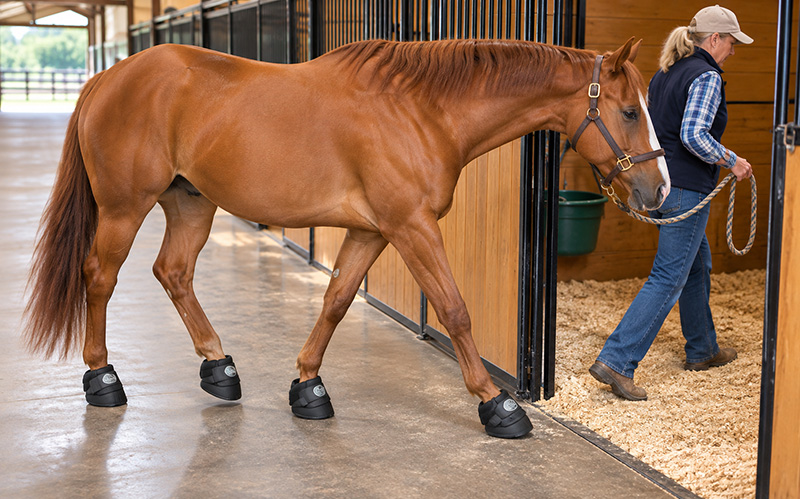
are handy for trail rides or short periods on rough ground. They go on and off easily, but they can rub if they don't fit well, and most aren't meant for all-day turnout.
Pads under shoes
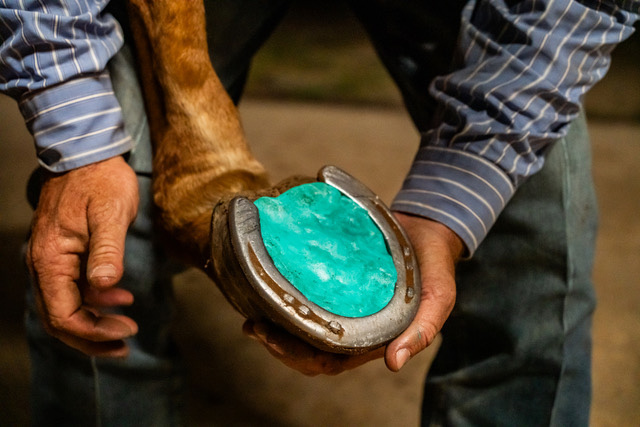
add a layer between the sole and the ground. A flat pad, though, only touches the high points of the sole. The space between the pad and the sole can fill with dirt, sand and moisture if nothing is there to fill it first.
Pads with a sole packing or putty
solve that problem. A soft material is pressed into the sole before the pad goes on. It fills the space completely, molds to the shape of the foot, and spreads the load across the whole sole instead of a few high points.
Good trimming and shoeing
is the foundation for all of it. A balanced foot, the right breakover, and protection of sole depth do more than any product can. Pads and packing work best on a foot that is already trimmed right.
Thin soles: the most common culprit
If there is one thing that shows up again and again in horses that bruise, it's a thin sole. A healthy sole on an average horse has a good layer of horn between the ground and the sensitive tissue. A thin-soled horse may have only a fraction of that. You can't always tell by looking. A thin sole may feel slightly springy when pressed with a thumb, or the horse may flinch on gravel even right after a trim.
The good news is that sole thickness can often improve. It takes time, usually several shoeing cycles, and it takes a plan. Your farrier may leave more sole at each trim instead of paring it out. Your vet may check diet and recommend changes. Protection while the sole grows matters too, because a sole that keeps getting bruised has a hard time getting thicker.
Radiographs are the best way to know how much sole a horse really has. Many vets and farriers like to take them before building a long-term plan for a horse that bruises often.
How long does a stone bruise take to heal?
The answer isn’t straightforward. A mild bruise may only make a horse sore for a few days. A deep bruise can take several weeks, and the stain in the sole may take months to grow out.
That stain is worth understanding. The discoloration you see when the farrier pares the sole is old blood trapped in the horn. As the sole grows, it moves toward the surface and is eventually trimmed away. A bruise you see today may be from an injury that happened weeks ago. Your farrier can often tell from the color and depth whether a bruise is fresh or old.
The horse's comfort is the best guide. When he is sound on hard ground again and no longer reacts to hoof testers, talk with your vet and farrier about bringing him back to work. Go slowly at first, especially on rocky ground.
Seasonal patterns to watch
Many owners notice that bruising comes in waves. Spring and fall bring wet ground that softens the feet. Then a dry spell hardens that ground and makes it rough. Summer drought can bake pastures into ruts that feel like concrete. Winter brings frozen ground, which can be just as hard as rock.
Knowing your horse's pattern helps you plan. If your horse always gets sore when the ground dries out after spring rains, talk with your farrier about adding protection before that happens.
Day-to-day habits that help
- Keep a regular trim or shoeing schedule, usually every 5 to 8 weeks, as your farrier recommends.
- Give horses a dry place to stand so soles don't stay soft for days.
- Pick out feet daily and look for changes in the sole, frog and hoof wall.
- Slow down on rocky stretches and steep downhill grades.
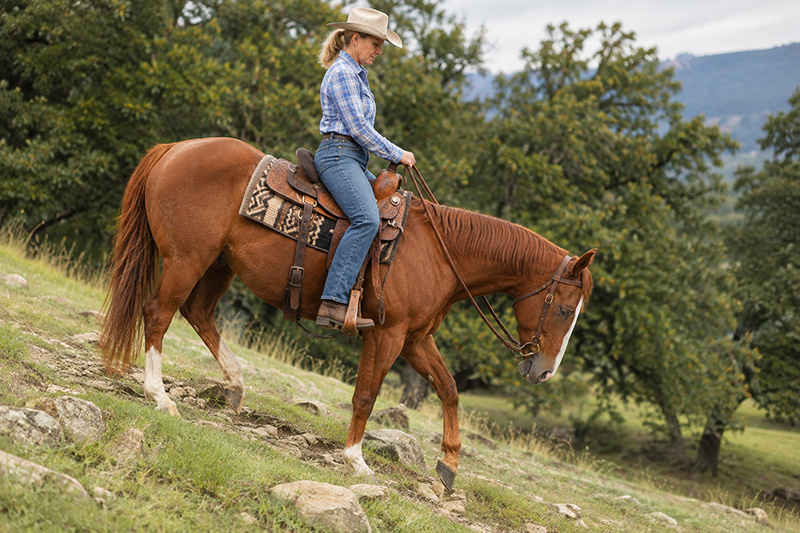
Ride horse caustiously down rocky hills - Plan sole protection before trail season or before moving a horse to a rockier pasture, not after the first lame day.
- Talk with your vet about diet if hoof quality seems poor.
A horse that bruises over and over isn't just unlucky. There is almost always a cause, and with good help from your farrier and vet, most of these horses can stay sound and comfortable on the ground they live and work on.
How Cloud 9 Equine Putty Can Help
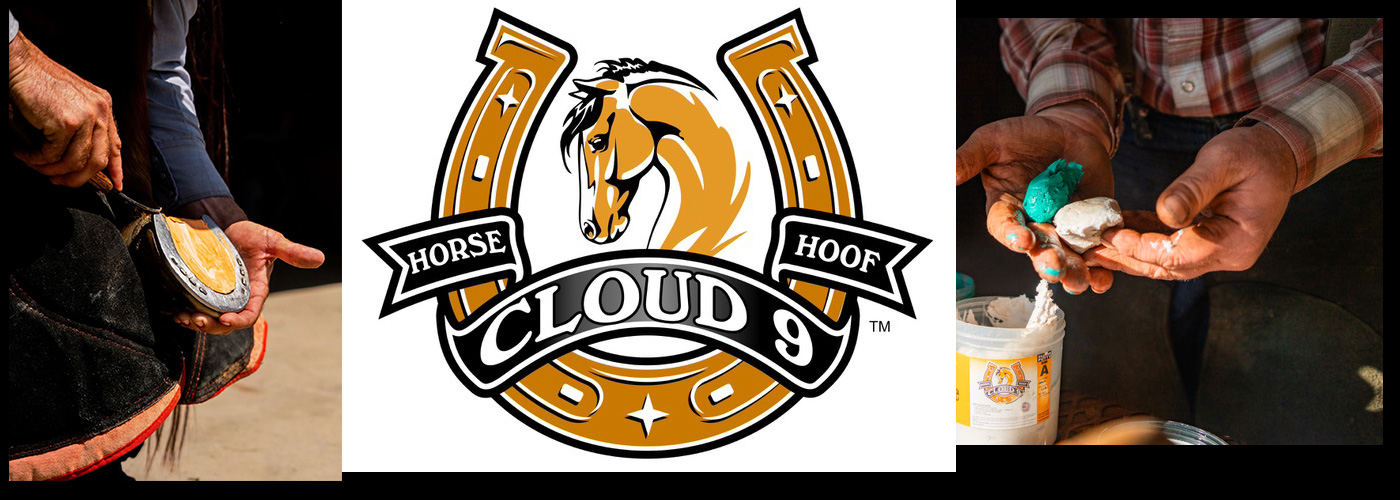
At Horse Hoof Products, we make Cloud 9 Equine Putty for exactly this kind of horse. Cloud 9 is a soft silicone hoof putty that farriers press into the sole under a pad or inside a shoe. It sets up quickly into a flexible cushion that molds to every curve of the foot.
Because it fills the sole completely, Cloud 9 spreads pressure evenly across the bottom of the foot. A rock that would have landed on one sore spot is now pushing against a full layer of cushion. It also seals out dirt, gravel and moisture that would otherwise pack in under a pad.
Cloud 9 is made from platinum-cure silicone. That matters because platinum-cure silicone stays flexible and doesn't break down from moisture the way some materials can. It is also compatible with the antimicrobial products farriers and vets commonly use under pads.
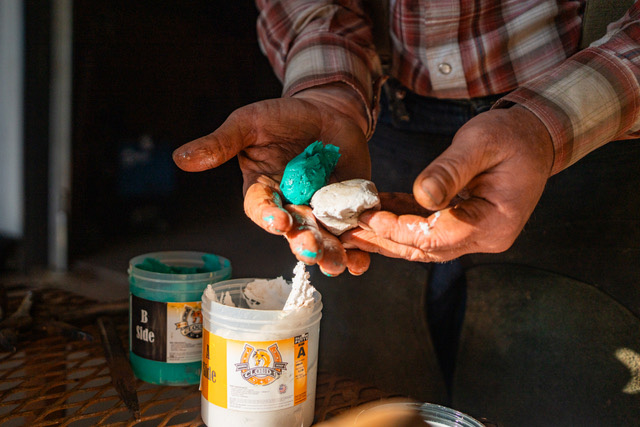
We make Cloud 9 in four hardnesses, so your farrier can match the putty to your horse:
- Ultrasoft (A-15): maximum cushion for a very sore or thin-soled horse
- Soft (A-25): a comfortable everyday cushion for most tender-footed horses
- Medium (A-35): more support for horses in steady work on rough ground
- Hard (A-50): the firmest support, holding its shape under heavy use
Cloud 9 is made by a company with more than 40 years of experience making silicone putties. It is mixed by hand in the barn with no special tools.
Cloud 9 does not replace your farrier or vet, and it doesn't heal a bruise. It gives your horse a softer, more even surface to stand on while the foot heals and helps protect it from the next rock.
To learn more about Cloud 9 and find the right hardness for your horse, visit horsehoofproducts.com.