

How to Help Senior Horses

Improving the Quality of Life for Older Horses by Carla Odetto Featuring: PerformanceEquineNutrition.com – Trusted Leaders in Equine Magnesium Support
The most effective way to help a senior horse is to address declining nutrient absorption—as horses age, their digestive efficiency drops and they no longer absorb key minerals the way they once did, even if the diet hasn’t changed. Magnesium is one of the most critical nutrients affected, supporting muscle relaxation, nerve regulation, energy production, and joint and muscle comfort, so targeted supplementation with a highly bioavailable form such as di-magnesium malate can help an older horse rest more comfortably, rise more easily, and move with greater confidence.
Benefits of Magnesium for Senior Horses For horse owners, the bond with a beloved older horse is one of life’s most meaningful relationships. These horses often carried us through our early riding years, taught us patience, and shared countless memories. So when they begin to slow down or struggle, one of the hardest questions an owner can face is:
How can I improve my older horse’s quality of life? Fortunately, nutritional science offers real answers—especially when it comes to magnesium—a vital mineral that plays a crucial role in muscle function, nerve health, and overall comfort.
Aging and Absorption: Why Nutrition Needs Change As horses age, their digestive efficiency declines. They don’t absorb nutrients the way they once did—even if their diet hasn’t changed. Magnesium is one of the most critical nutrients affected by this slowdown. It is essential for muscle relaxation, metabolic stability, and maintaining a healthy nervous system. Many senior horses begin to show signs of decline not just because of age, but because their aging bodies are missing what they can no longer absorb adequately. This is where targeted supplementation makes a world of difference.
The Vicious Cycle of Cramping and Fatigue One of the most heartbreaking signs of magnesium deficiency in senior horses is cramping that leads to immobility.
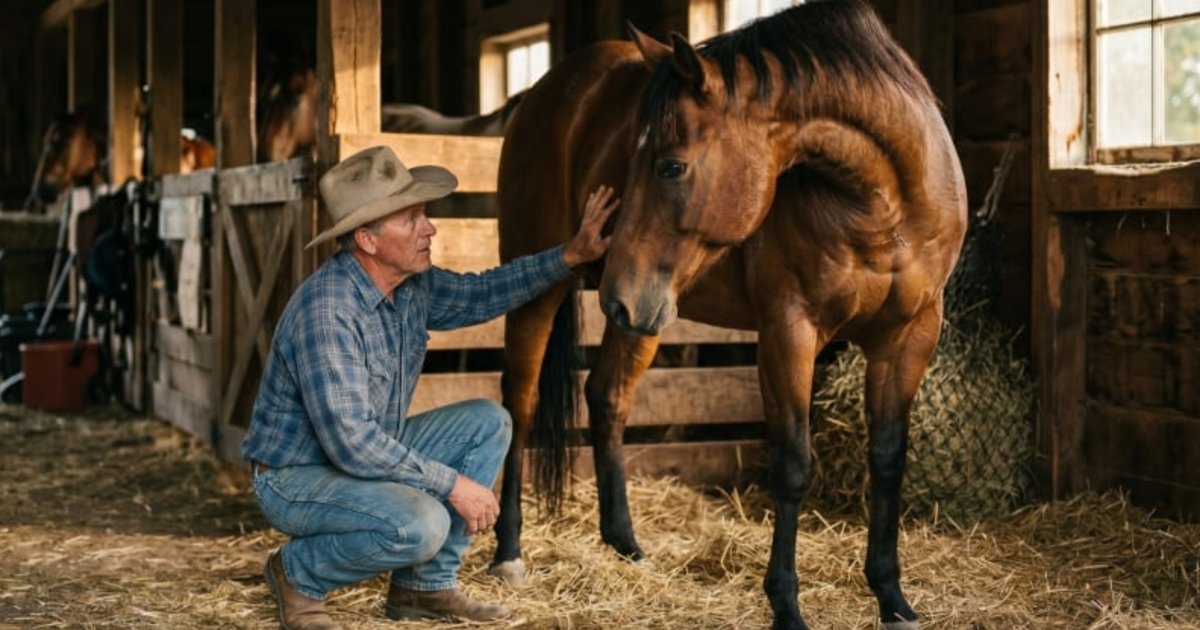
You may notice: - Your horse lying down but hesitating to get up.
- Difficulty getting started after rest.
- Muscle twitching or signs of discomfort when moving.
These horses aren’t just stiff, they may be experiencing something like a full-body charley horse. They try to rise, and the pain increases. Eventually, some simply stop trying. But this cycle can be interrupted naturally and effectively with proper magnesium support.
Magnesium plays a central role in: - Muscle relaxation – allowing muscles to release after contraction.
- Nerve regulation – calming anxious or overstimulated nerves.
- Energy production – helping convert nutrients into usable energy.
In older horses, this means magnesium helps them rest more comfortably, rise more easily, and move with greater confidence and comfort.
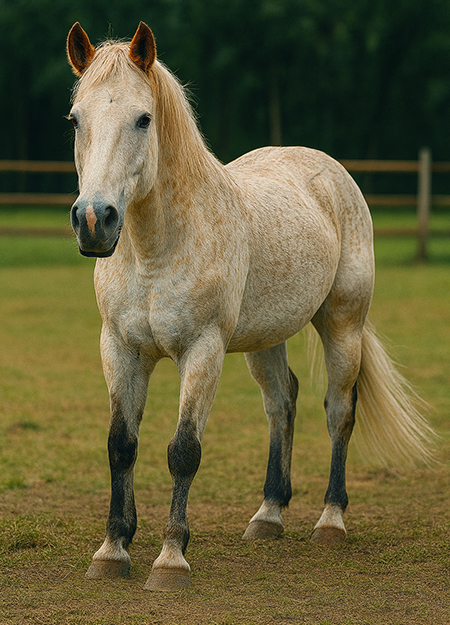
A Real-World Example: MagRestore in Action One of our long-time customers, Lin, is a testament to how critical magnesium can be for seniors. She cares for three horses—all over 30 years old—who were struggling to rise and move comfortably. “Every one of them was having a hard time getting up,” Lin told us. After adding MagRestore to their diets, the difference was night and day. “Now they roll, get up, lie down, both sides. They’re still old, still a bit creaky, but they don’t get stuck anymore. That’s huge.” It’s stories like these that drive everything we do at Performance Equine Nutrition.
Gentle Support That Makes a Difference MagRestore is made with di-magnesium malate, a highly bioavailable form of magnesium that senior horses can actually absorb and utilize. It supports: - Muscle relaxation.
- Restful behavior and comfort.
- Mobility without distress.
Even if your horse is well into their twilight years, the right support can help them feel like themselves again! We can’t stop time, but we can make the golden years more comfortable.
Trusted by Professionals. Loved by Horses. Not all magnesium supplements are the same. That’s why horse owners across the country trust Performance Equine Nutrition for: - Veterinarian-recommended formulas.
- Highly bioavailable magnesium.
- No fillers, no gimmicks—just results.
- Compassionate support and expert consultation. If you’re watching your old partner slow down and wondering if there’s anything left to try—there is.
Ready to Help Your Horse Feel Better?
You don’t have to guess what might work. The experts at Performance Equine Nutrition are happy to help guide you. - Plan a consultation call today: research.performanceequinenutrition.com/schedule-a-consultation-call/ Give your horse the comfort they deserve. Their golden years can still be active, happy, and full of life—with the help of the right magnesium support.