

When it Comes to Horses... AN Ounce OF Prevention IS Worth A Pound OF Cure
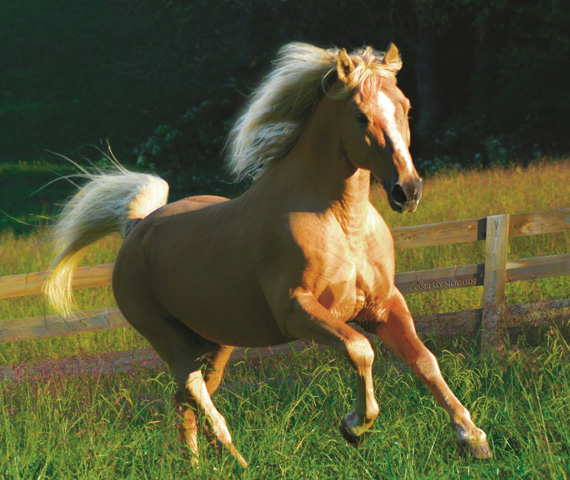
Preventing horse health problems is always easier, more effective, and less expensive than curing them. The biggest steps are regular hoof trims by a competent trimmer or shoe resets by a competent farrier, regular vet visits, and weekly—or at least monthly—inspections of your animals, since observation is the first rule of prevention. A well-balanced diet, the strongest possible immune system, and plenty of exercise are the best preventive measures a horse owner can take.
Article from Omega Fields®, Inc. Ben Franklin was famous for much more than his work and influence during our revolutionary times. For instance, he was renowned for his many famous adages: “In this world nothing can be said to be certain, except death and taxes”, and “Life's tragedy is that we get old too soon and wise too late.” One of my personal favorites is, “An ounce of prevention is worth a pound of cure,” the title of this writing.
I like it, because it applies in every aspect of life, and especially when it comes to our responsibilities to the animals we are blessed enough to care for.
Somehow it seems especially important when those animals are horses. I can't help checking out the facilities when I visit friends and clients who keep horses. When you see the same scenes every day, you may not be so tuned in to notice a nail sticking out of a board in the stable, or a hoof-sized hole in the chicken wire fence around the chicken coop; but because there are weeks between my visits, I usually notice these hazards, and I gently call attention to them. That nail can put a nasty gash into a horse's leg, and a hoof caught in a fence can actually get torn off. Those dangers represent perfect examples of the importance of prevention.
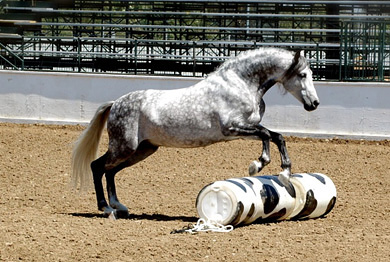
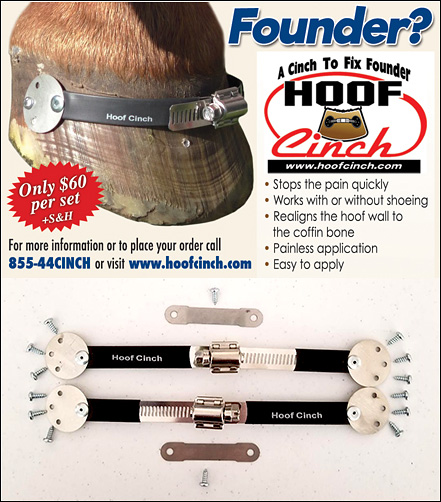
That sort of thing is obvious. But there are other hazards that wave a red flag for us, that are more subtle but equally important. Hoof maintenance, for example, is high on the list. No foot, no horse – and we prevent many foot problems by ensuring regular hoof trims by a competent trimmer or shoe resets by a competent farrier.
Administering proper hoof care diligently and in a timely manner is a major and easy preventive action you can take.
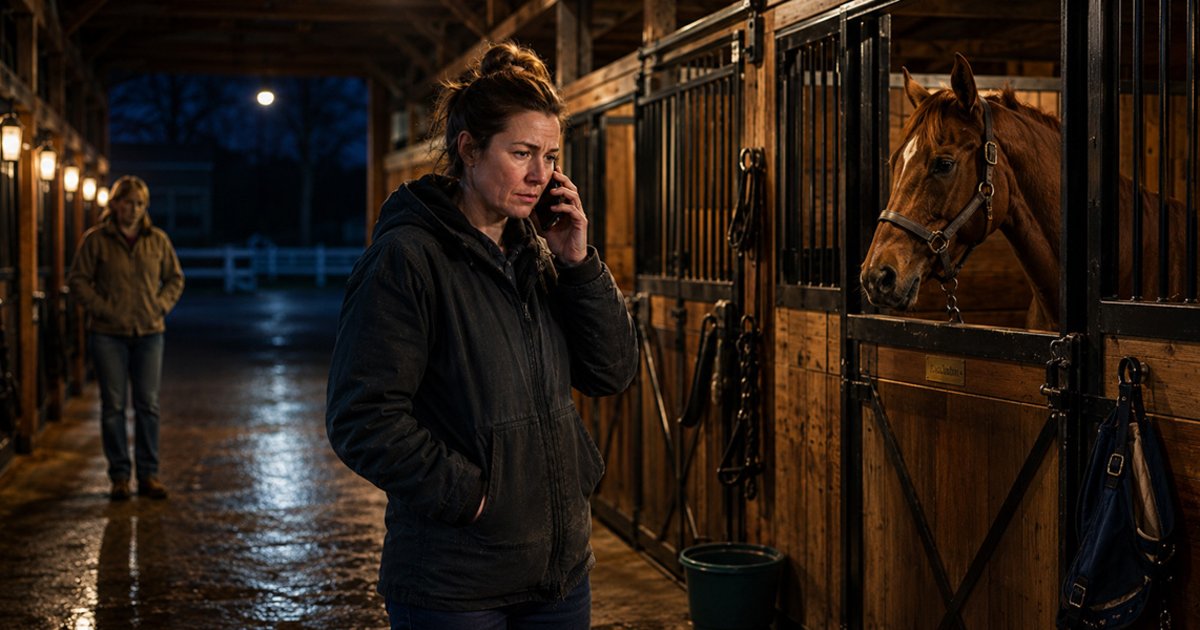
Of course, there's much more than just hoof care; he can get a bellyful of worms, they can kill him in some cases. A mosquito bite can deliver a West Nile virus, or a tick can leave him with a dose of Lyme Disease. Prevention? You can take giant steps in that direction with regular vet visits; you might measure it in ounces, while the pounds of cure, when needed, feel like they should be measured in tons. Help yourself and your horses by making reminder notations on your wall calendar.
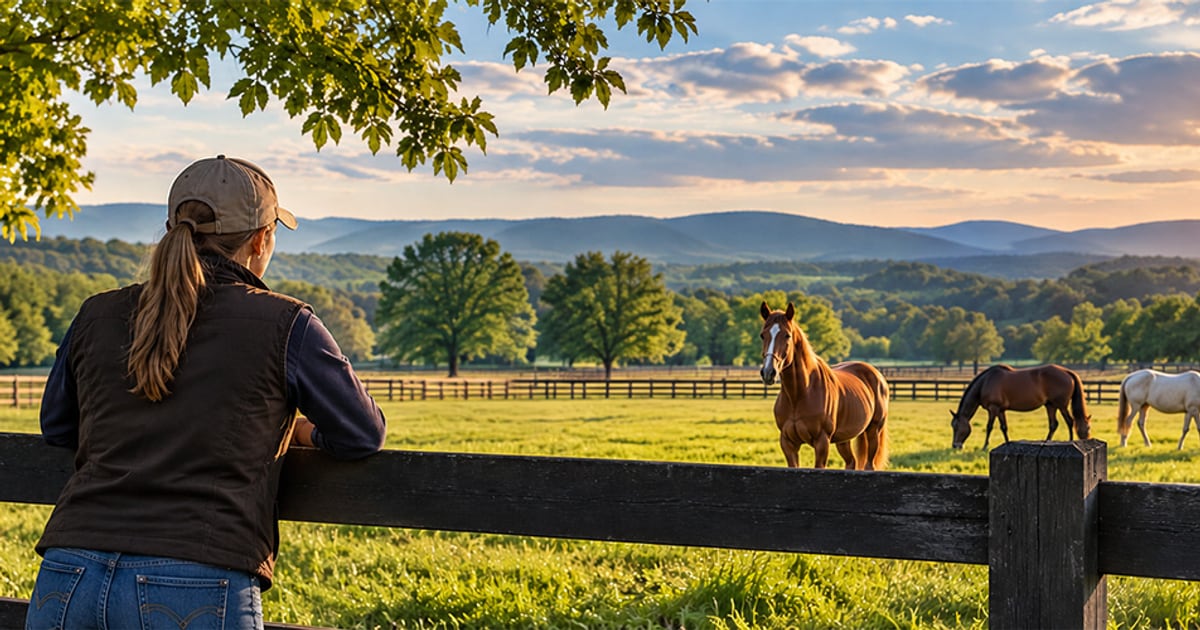
While ferals can walk 20 miles or more every day as they feed, and as a result are relatively healthy overall, many of our domestics live fetlock-deep in sugar-rich grass and get no exercise to speak of. So they live a fat and comfortable life – for a dozen years or so; then one morning, you realize something's wrong ... turns out to be Cushings or IR or laminitis. These are often the result of lack of prevention, and they're so sneaky you may have no idea they're developing. Making weekly, at least monthly, inspections of your animals may be all the prevention needed!
To make it even easier, the signs are there beforehand: horse gets fat and lazy, gets a cresty neck, doesn't want to run and play like he did when he was a colt, gets a negative reaction to his shots, maybe develops head-shaking, maybe starts cribbing even though he's not stall-bound. The problem is these things sneak up on us. That makes Observation the first rule of Prevention. Hmmm – that periodic inspection and calendar notation concept fits in very neatly, doesn't it?
If you haven't prevented breakdowns by being proactive during the early years, you'll both struggle with his pain once he's afflicted and you're trying desperately to fix it for him. And it'll cost you – just an X-ray alone can be well upwards of a hundred bucks and wouldn't be needed it he weren't suddenly limping.
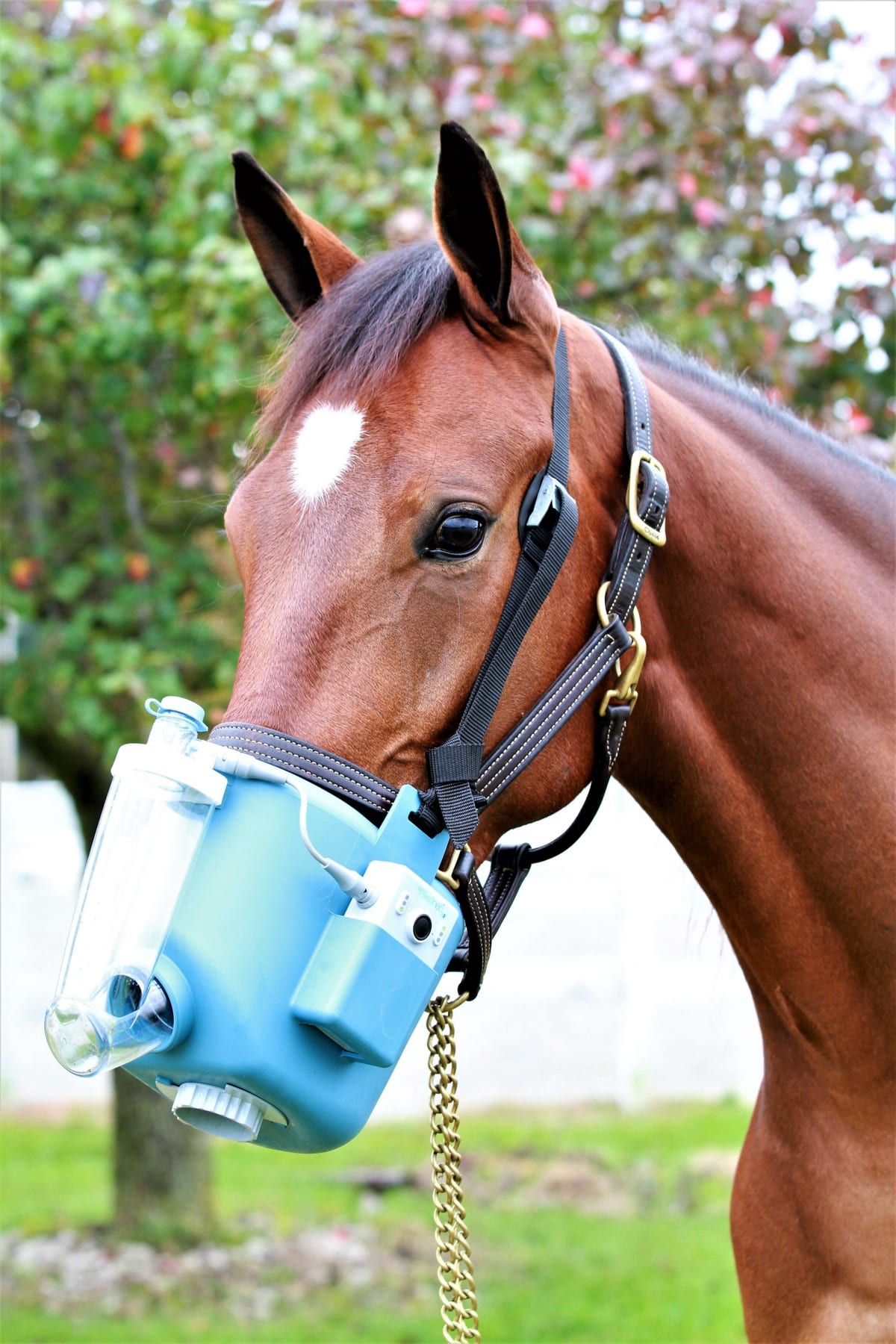
I've been there, and in retrospect it would have been so simple and easy to prevent it than it was to fix it. I think the single biggest danger to horses nutrition-wise is unrestricted access to grass. The healthiest horse will eventually succumb to devastating sugar-caused disease if he's given free-range 24/7 on lush grass and little or no exercise. If I could do it over, my guys would have been wearing grazing muzzles most of the time when out on pasture. They usually don't mind wearing them once it's routine, and as long as they have hay always available when the muzzles are off, they'll never go hungry.
Although soaking hay is time- and effort-consuming, it Works. Plenty sugar leaches out of hay in 30 to 60 minutes when immersed in water, and they're perfectly happy to eat it. It's easy to do, in both summer and winter. If you supplement the minerals that are deficient in their hay, they'll have no need for grain of any kind, unless maybe if they're in significant work on a regular basis.
Prevention requires some time and effort from us, and that's not always easy to do. But if your love for your horse is truly deep and not just the infatuation of having him around, these extra chores will be labors of love. Your horse can be with you, healthy, for a long time, and you'll reap the benefits and pleasures of sharing your life with him, a pain-free, healthy, long life.

Prevention is always easier, more effective, and less expensive than cure.
Contact Omega Fields®, Inc. [email protected] 1-877-663-4203