

Great grooming is built over weeks and finished in minutes.
The most polished horses rarely look invented on show morning. They look cared for: clean coat, healthy skin, tidy mane, conditioned tail, comfortable tack, and a rider who knows exactly what still needs doing before the ring.
Social media can make grooming feel like a bag of tricks, but the best tricks are actually systems. Daily currying, nutrition, skin care, stain prevention, correct bathing, braiding practice, and a restrained product plan do more than panic shine ever will.
The Bridleway rule: Use grooming to reveal good care, not to hide poor preparation.
The coat starts before the bath
Daily currying, clean living conditions, sensible nutrition, and consistent skin care create the shine people try to buy in a bottle. A last-minute bath can clean a horse, but it cannot replace weeks of attention.
For young riders, grooming is one of the best ways to learn the horse's body. They notice rubs, heat, swelling, weight changes, skin irritation, and mood before those details become bigger problems.
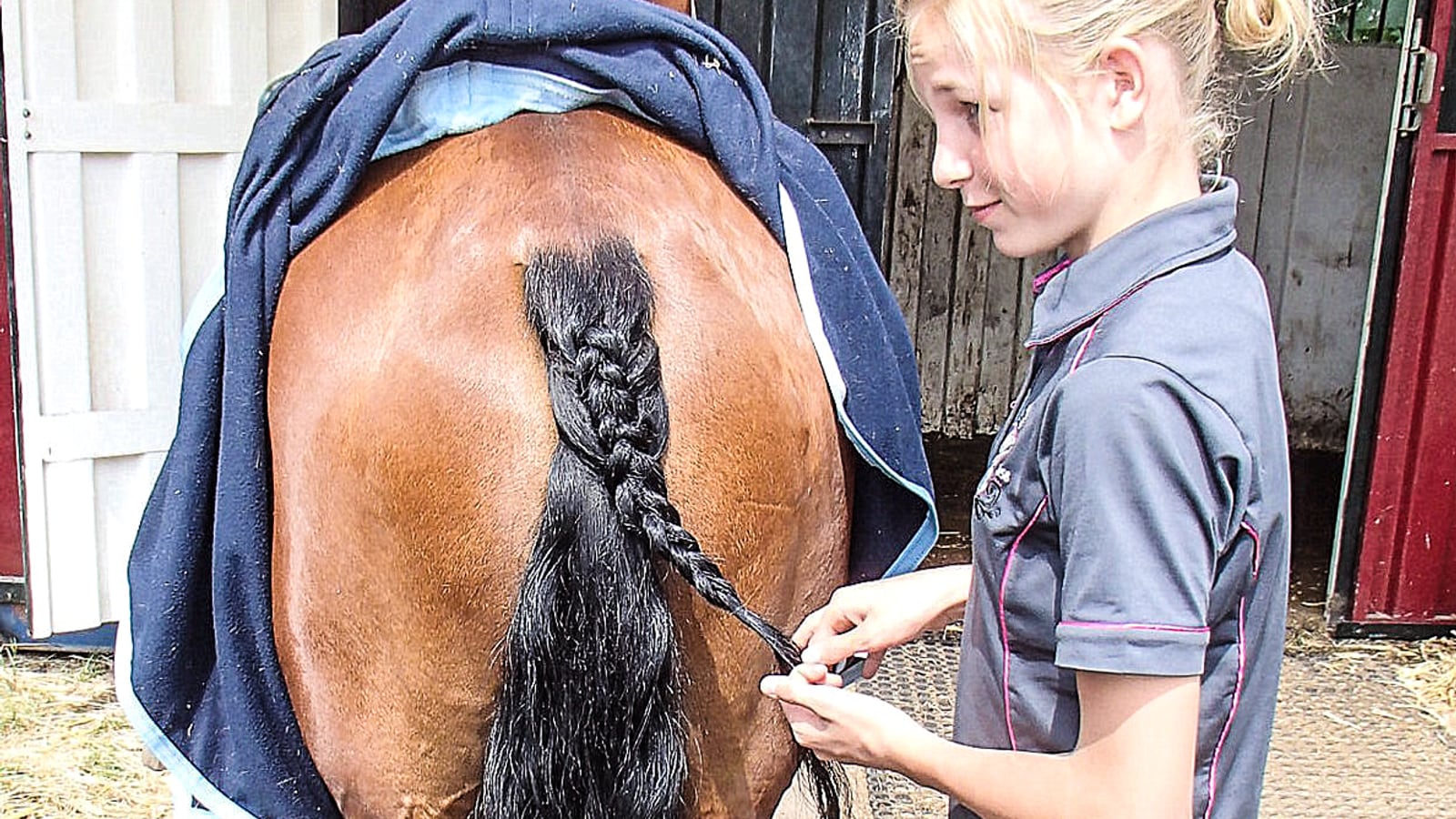
Braids and white markings reward practice
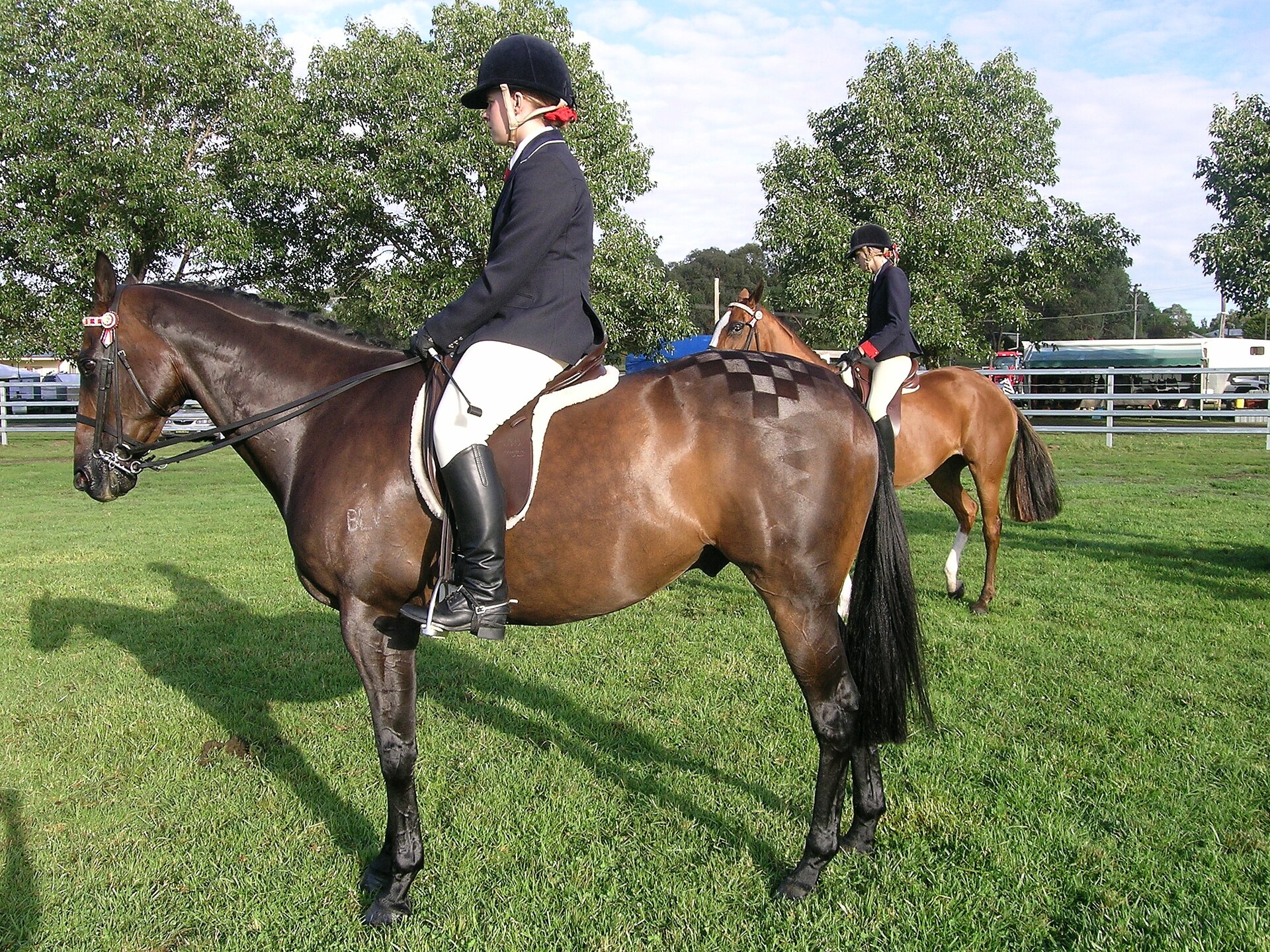
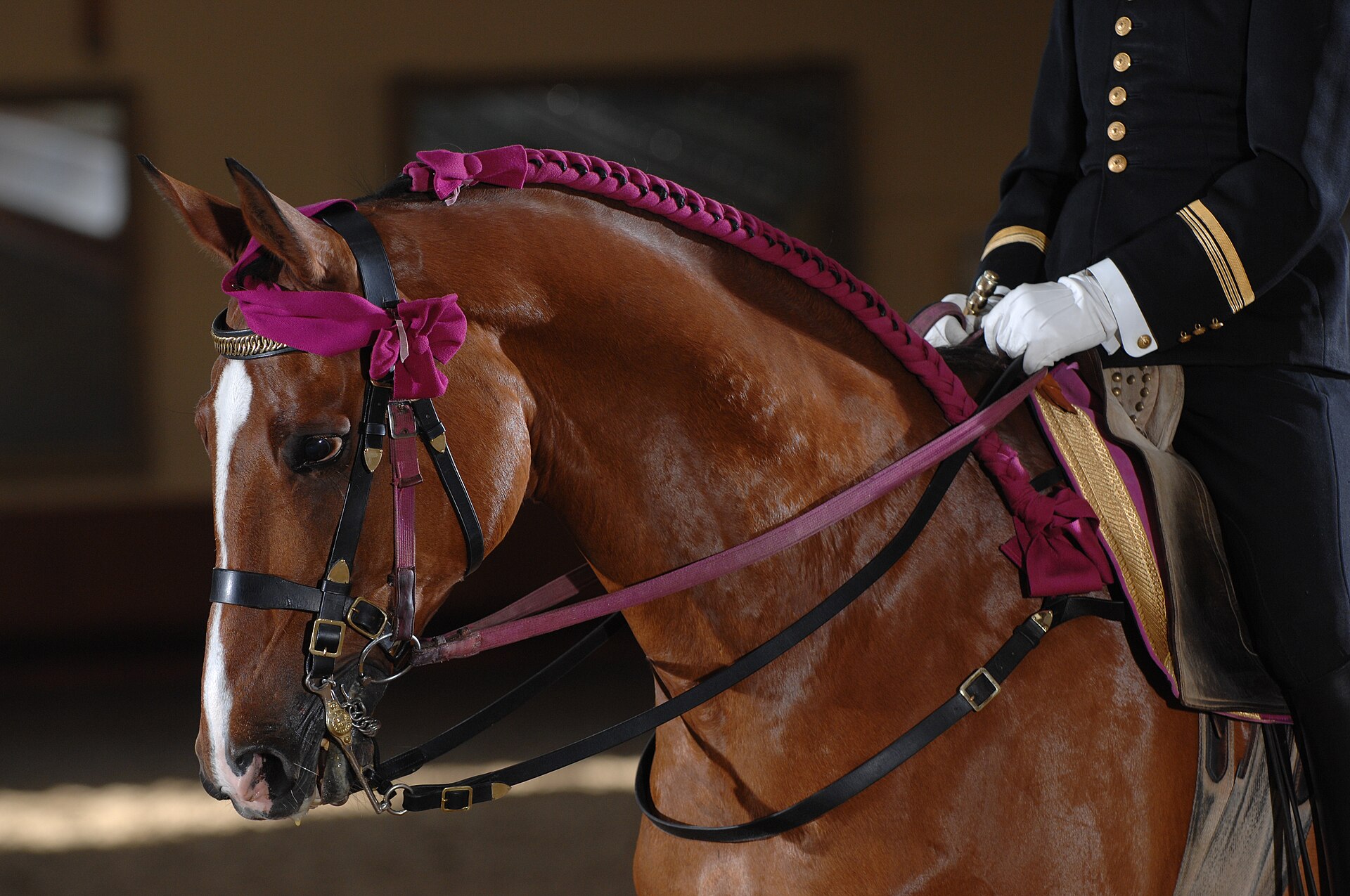
Good braids are calm, even, secure, and appropriate for the mane and discipline. They should not pull the horse into discomfort or become a last-minute wrestling match. Practice before the important show.
White socks, blazes, and tails need a plan too. Clean early enough for the horse to dry, protect clean areas when practical, and keep final touch-ups gentle and legal.
Panic polish
Heavy product, rushed braids, harsh scrubbing, slippery reins, and a tense horse.
Show-level polish
Clean skin, practiced braids, legal products, tidy tack, and enough time for the horse to stay settled.
Use products with restraint and rules in mind
Shine sprays, whitening products, detanglers, hoof polish, coat conditioners, and stain removers can be useful. They can also create slippery saddle areas, irritated skin, residue, or rule issues if used carelessly.
Read labels, test products before show day, avoid saddle and rein contact zones when products affect grip, and follow competition rules about substances and turnout.
Do not experiment on show morning.
New grooming products, braiding approaches, or stain hacks should be tested at home first. The horse should not be the trial run at the venue.
| Grooming area | Gold-standard habit | Show-morning mistake |
|---|---|---|
| Coat | Daily currying, skin checks, sensible bath timing. | Trying to create health with heavy shine spray. |
| Braids | Practice, even sections, comfortable tension. | Learning to braid under ride-time pressure. |
| White marks | Clean early, protect when practical, gentle touch-up. | Harsh scrubbing or wet socks right before the ring. |
| Tack | Cleaned before show day, final wipe before bridling. | Sticky reins, dirty girth, or product on grip areas. |
Teen rider note: Pick one grooming skill to own this month: braids, tail care, white socks, tack wipe-down, or packing the grooming tote. Mastery is more useful than trying to do everything once.
What riders are asking before they buy, show, or change the routine
The useful question is often more ordinary than the polished product copy. Riders and parents want to know what will help the horse feel better, what will keep the rider safer, what is worth paying for, and what can wait. The better buying habit is to translate each worry into a check you can repeat at the barn.
Keep these questions open
- How do English riders make a horse shine for shows?
- How do I keep white socks clean for a show?
- When should I practice braiding?
- Are shine sprays safe for show day?
The final ten-minute ring check
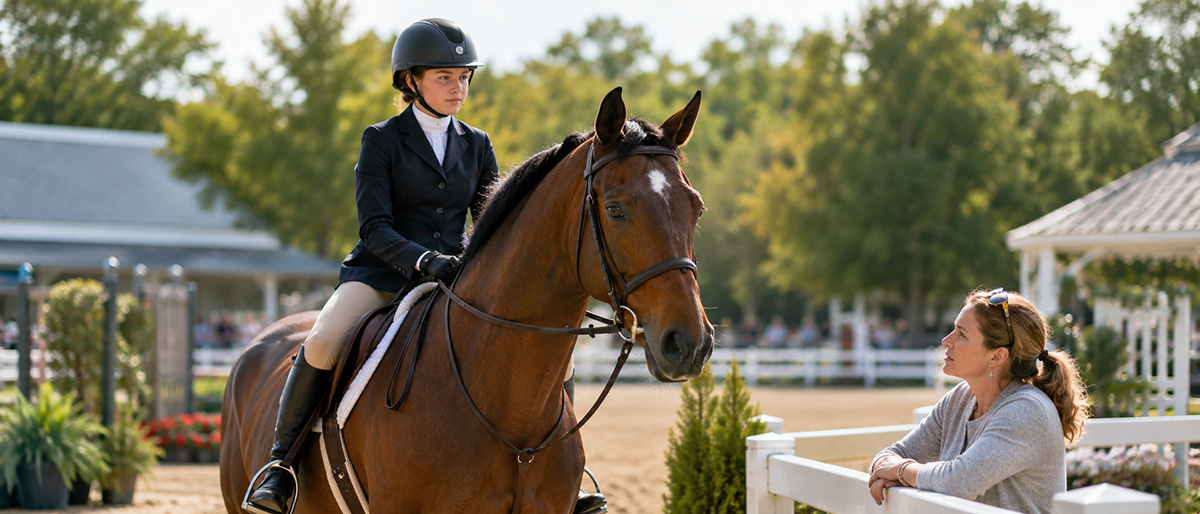
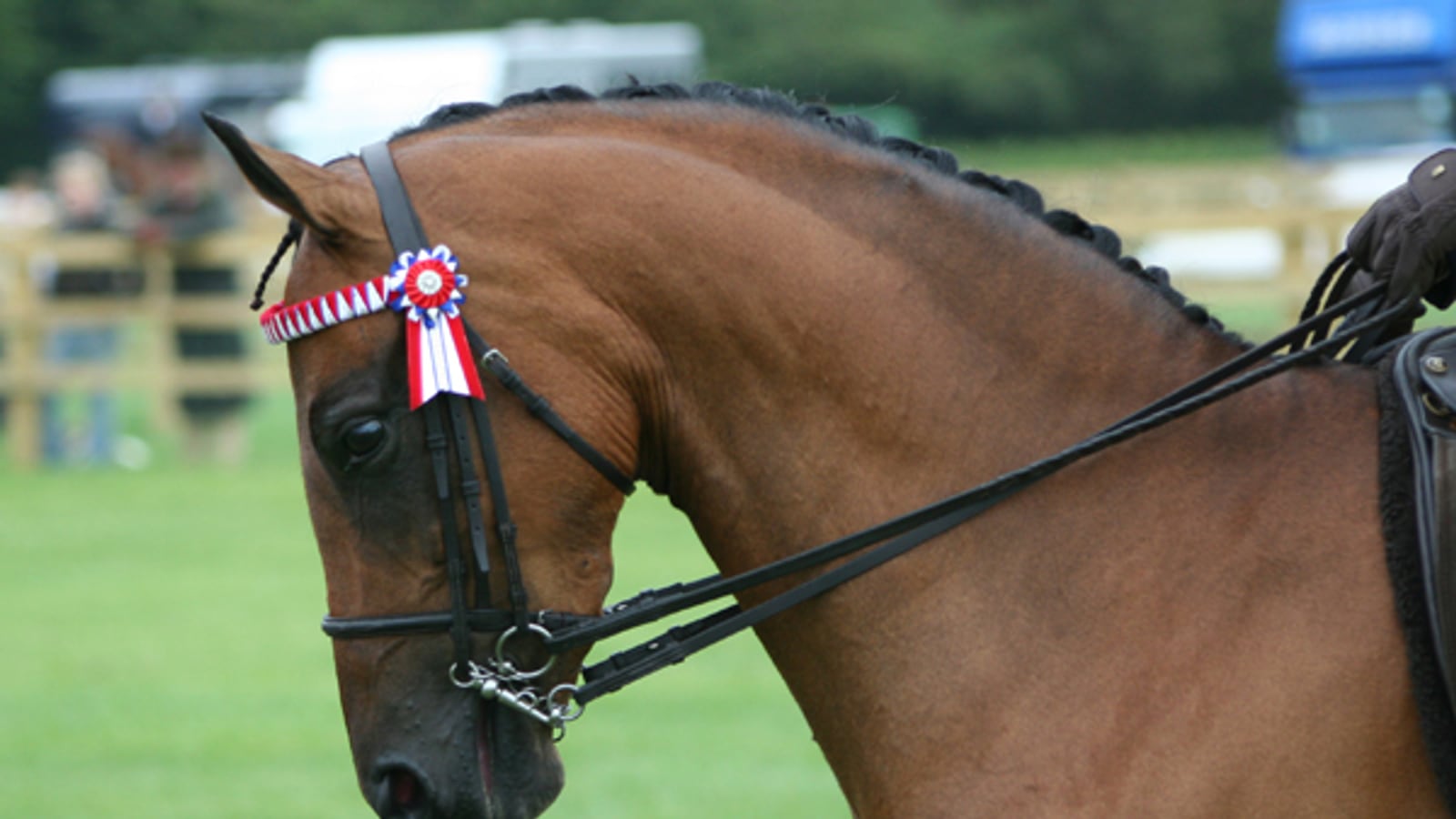
Before the ring, check the face, bit corners, reins, girth area, boots, tail, number, rider gloves, helmet, and whether any product has made a grip surface slippery. Then stop fussing.
At a certain point, more grooming becomes rider nerves wearing a brush. The most elegant final choice is often to let the horse breathe and walk into the ring quietly.
The best compliment
Not “what product did you use?” but “that horse looks beautifully cared for.”
What to ask the professional before you spend more money
A polished English-riding decision still benefits from a second set of expert eyes. Before buying the upgraded version, changing equipment, adding a new product, or blaming the horse, bring a clean question to the trainer, veterinarian, fitter, farrier, barn manager, or product specialist.
| Ask | Why it helps |
|---|---|
| What problem are we solving first? | It separates comfort, safety, training, rule, and presentation questions. |
| What evidence would change the plan? | It keeps the decision from becoming brand loyalty or barn rumor. |
| How will we know this worked? | It turns the purchase or routine into an observable horse-care test. |
How to use this guide this week
Pick one checkpoint from this guide and use it before or after three rides this week. Write down what you saw, what the horse felt like, and whether the answer changed after a lesson, a harder school, or a show-day simulation. Good horsepeople do not need perfect guesses. They need repeatable observations.
Simple record: Keep a tiny note in your phone: date, horse, work, what changed, and what you will ask your trainer or professional next. Patterns are where ordinary barn notes become useful horsemanship.
Research note: This Bridleway guide was shaped from Horse & Hound, FEI horse-sport education, Practical Horseman, r/Equestrian reader discussions. Recent rider discussions show strong interest in practical turnout help that does not turn grooming into gatekeeping. Forum and Reddit discussions were used only to understand common rider questions, not as veterinary, legal, or rule authority.