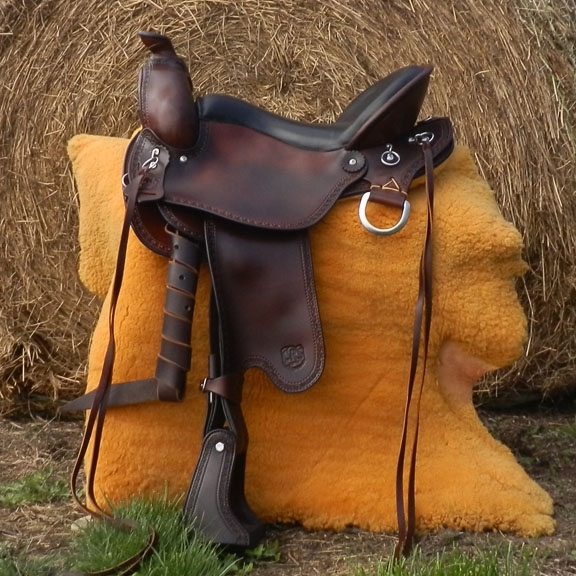
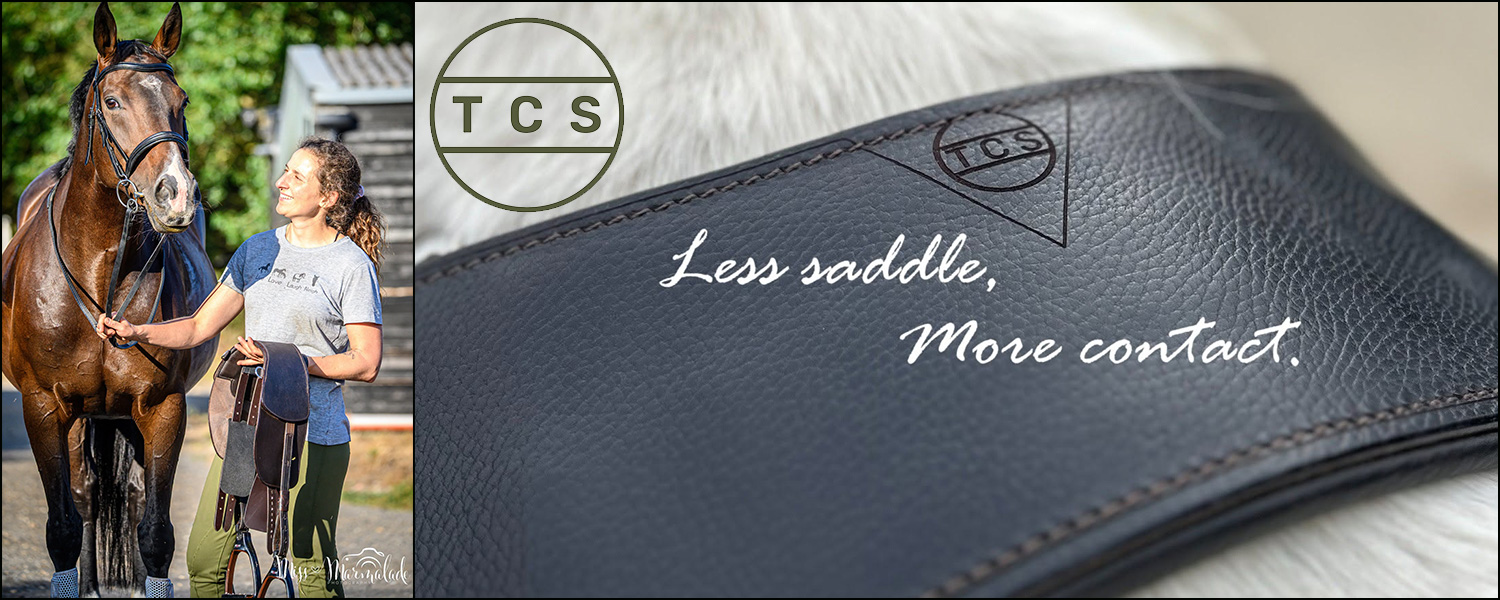
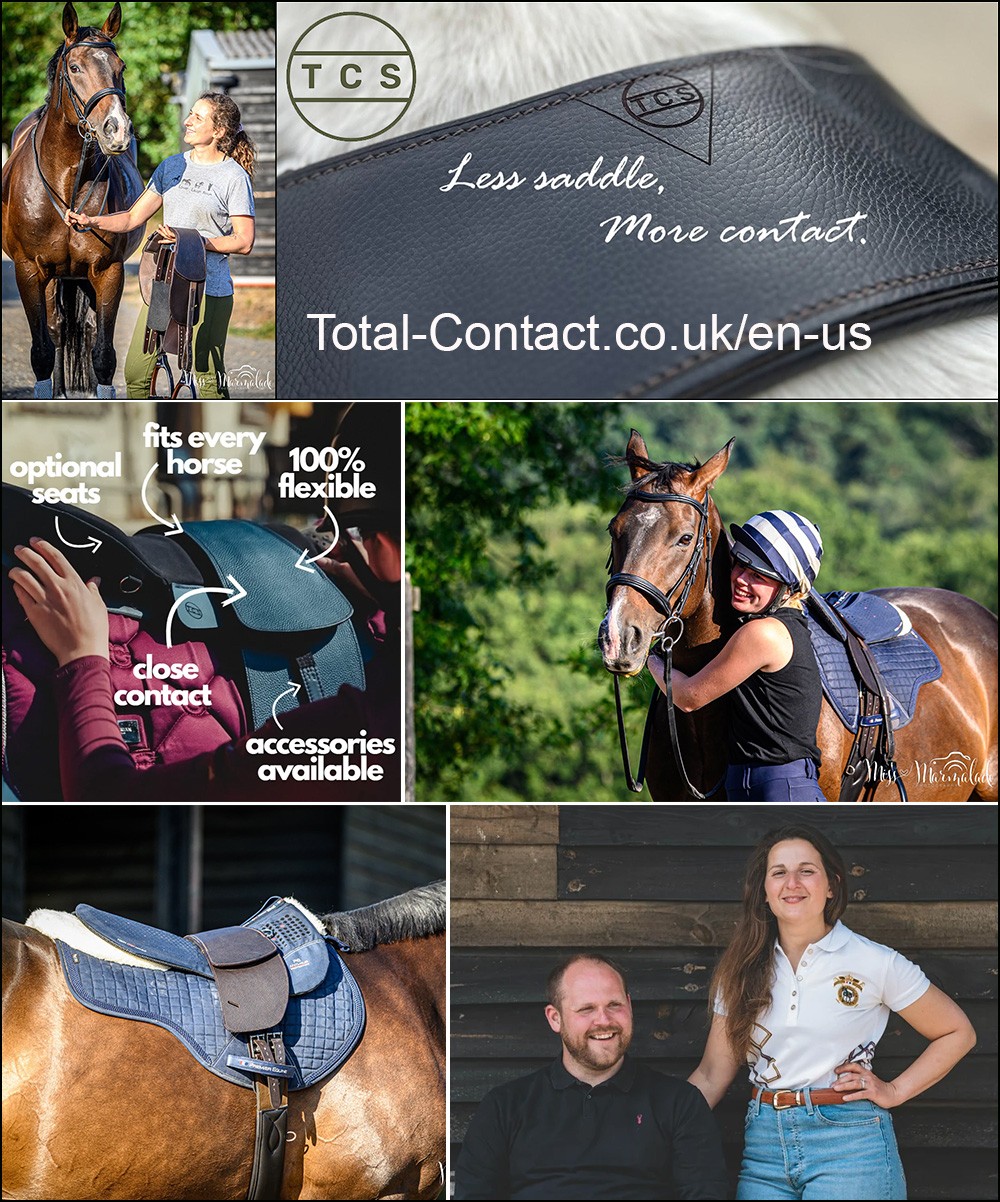

Total Contact Equine Solutions makes the Total Contact Saddle (TCS), a fully flexible, lightweight treeless saddle that adapts to horses of different shapes and sizes and gives riders the close-contact feel of riding bareback with the added support of stirrups. The family-run company is based in Kent, England, and ships to riders in the USA.
An Innovative, Lightweight Saddle Designed For A Closer Connection Between Horse And Rider
Finding a saddle that truly suits a horse can be frustrating, especially when that horse has high withers, a short back, a broad barrel, or a shape that seems to change with the seasons. The Total Contact Saddle (TCS) offers a different approach.
Developed by Stuart Atwood, the Total Contact Saddle is a fully flexible, lightweight treeless saddle designed to adapt to horses of different shapes and sizes. It combines the close-contact feeling of riding bareback with the added support of stirrups.
Today, Total Contact Saddles is operated by Mélanie Nahum-Cooper and Christopher Cooper through their family-run business, Total Contact Equine Solutions, based in Kent, England. Mélanie, who holds a degree in Equine Management, has ridden in a TCS since 2013. Her own struggles to find a comfortable saddle for her horse helped inspire her interest in the design.
With more than 15 years of history, TCS has developed a following among pleasure riders, endurance riders, and equestrians in several other disciplines.
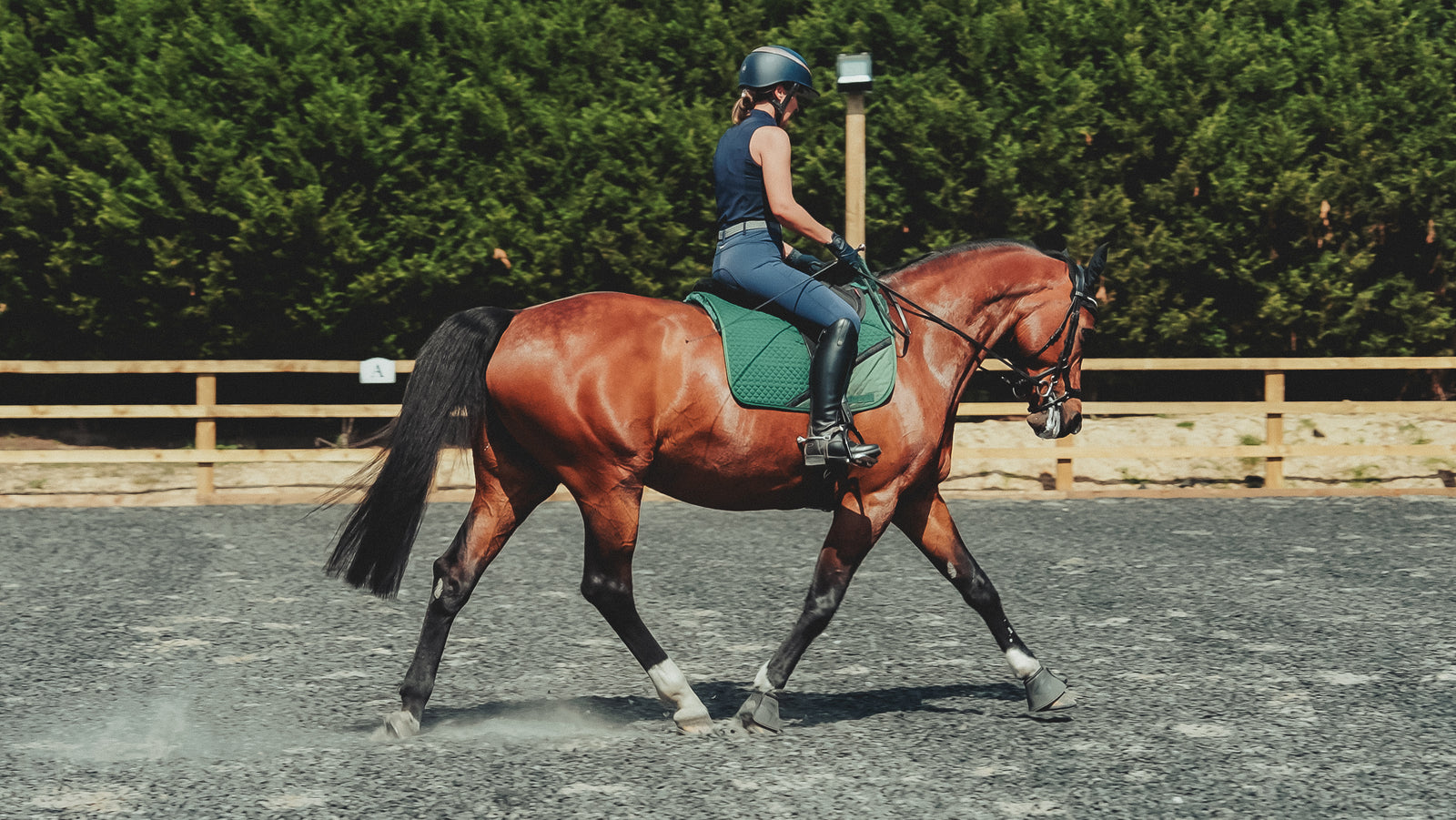
Simply put, the Total Contact Saddle is a minimalist treeless saddle that looks quite different from the traditional English saddles most riders recognize. Instead of a rigid tree and a deeply shaped seat, it uses a flexible, padded construction that follows the horse's back.
The saddle weighs less than 1.5 kilograms (approximately 3.3 pounds) and is designed to provide freedom of movement without the bulk of a conventional saddle. Its low-positioned stirrup bars are part of a design intended to distribute the rider's weight while maintaining close contact with the horse.
Not every treeless saddle is particularly lightweight or flexible. Some have substantial padding and shaped structures that can make them feel similar to conventional saddles. The TCS takes a simpler approach.
With no rigid tree, it can conform to different back shapes, allowing the rider to feel the horse's movement more directly. The saddle also offers a "bareback-style riding experience" without giving up stirrups. For riders interested in developing their balance and becoming more aware of how their horses move, this is one of its most appealing features.
YES! One of the most interesting features of the TCS is its adaptability. It is designed for horses ranging from small ponies to large breeds and for conformations that can be difficult to accommodate with traditional saddles.
Broad-backed cobs, high-withered Thoroughbreds, short-backed horses, and horses whose toplines change with conditioning are all examples of the types of horses that may benefit from its flexible design.
Note: Because the saddle has no rigid tree, it does not require traditional tree-width adjustments. However, proper padding, placement, and girthing are essential. Those details must be adapted to the individual horse rather than assuming one arrangement will work for every horse.
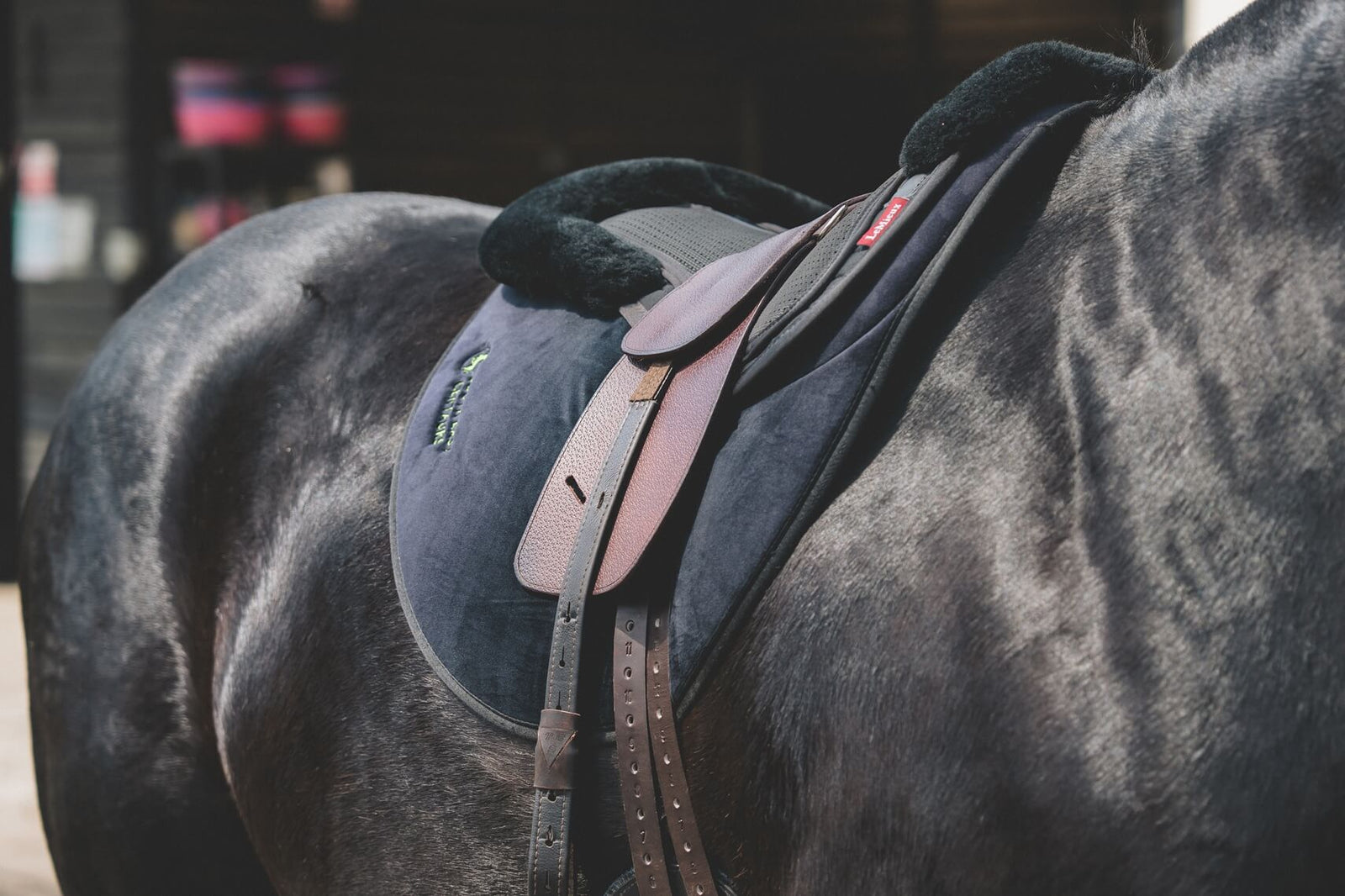
Pressure distribution is one of the most important considerations when evaluating any saddle, particularly a treeless design. The TCS incorporates built-in padding and a wide reinforcement plate connected to the stirrup fittings.
When the rider puts weight in the stirrups, this construction is designed to create a bridging effect that helps keep direct pressure off the spine. TCS has undertaken pressure assessments, including digital pressure testing and testing with Port Lewis Pads. The company also describes a pilot study examining back temperature and freedom of movement.
Every horse's back is different, and that matters when choosing padding. A broad, flat-backed horse may need a different padding arrangement than a narrow horse with prominent withers.
Some high-withered horses require additional shimming around the base of the withers to help maintain the saddle's intended bridging effect. The rider's build can also influence padding choices, particularly when additional cushioning is needed beneath the rider's seat bones.
Note: TCS provides a detailed Placement, Padding and Girthing Guide and offers access to additional education through Saoirse Equine. Horses with poorly developed or compromised back muscles should be evaluated by an appropriate professional before their padding is selected.
This is one of the first things new riders need to understand about the TCS. The saddle is positioned farther back than a conventional English saddle. Its front edge should sit behind the withers rather than on top of them. Correct positioning helps keep that sensitive area free from the weight-bearing pressure the design is intended to avoid.
When properly positioned, the billets should hang straight down, approximately perpendicular to the ground. The TCS website provides photographs illustrating correct and incorrect placement, which are particularly helpful for riders using the saddle for the first time.
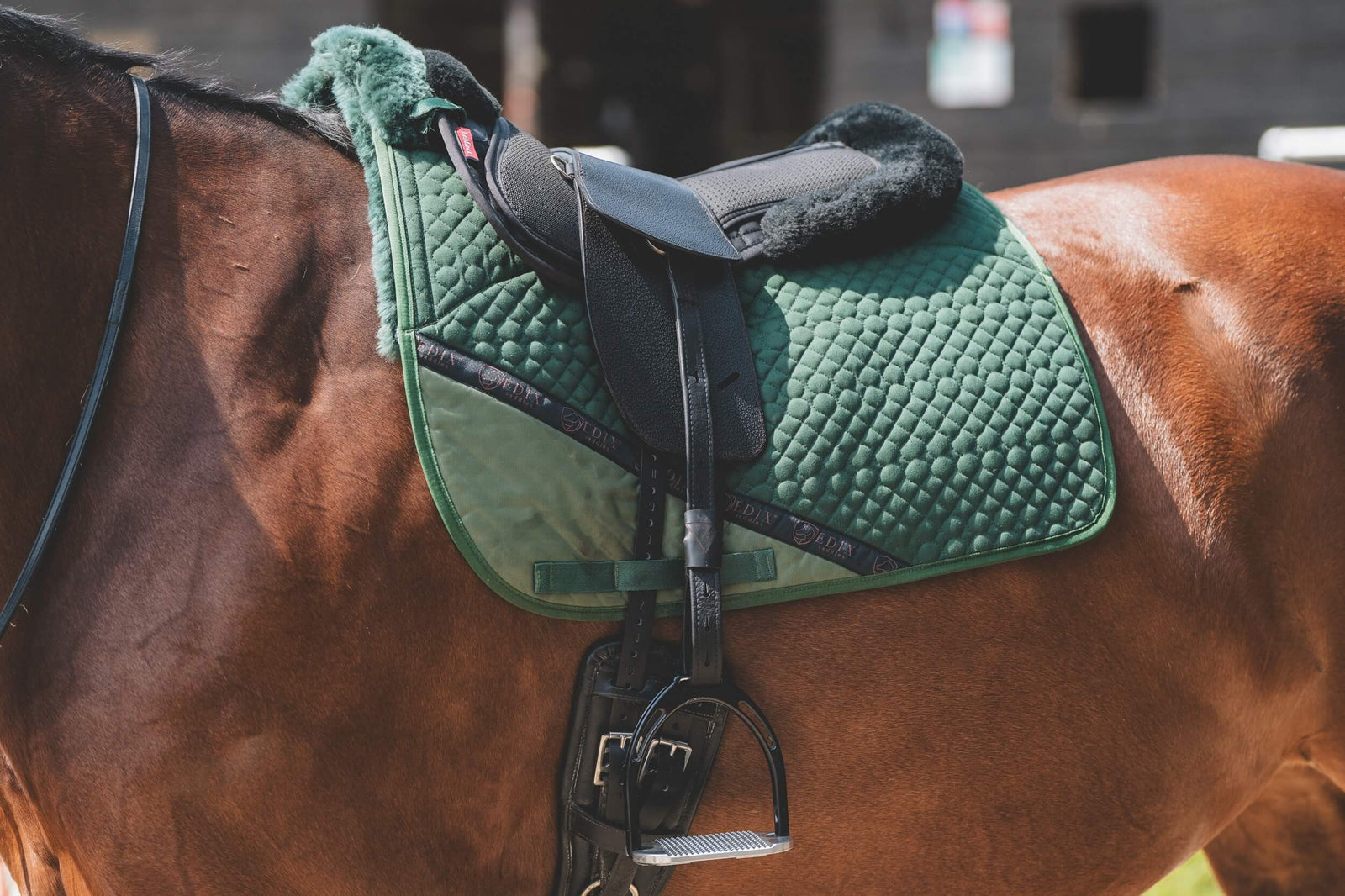
The most suitable girth depends on the horse's anatomy, especially the shape and location of the girth groove. Because the TCS sits farther back than a traditional saddle, many horses benefit from a V-shaped or crescent-shaped girth. Other horses may be comfortable with a straight girth.
TCS recommends leather girths and explains how an unsuitable girth can pull the saddle forward, interfering with its correct position. TCS saddles are available with short billets for standard-length girths and long billets for shorter, dressage-style girths.
Round-bodied horses can be challenging to saddle, particularly when they have very little wither definition. The TCS is designed to remain stable when correctly padded and girthed. For horses that are especially round, the company suggests that certain cotton saddle pads and neoprene-topped half pads may provide additional grip.
Some riders also use a breastplate or breastcollar. Rather than choosing equipment simply because it works on another horse, owners should evaluate the complete saddle, pad, and girth combination for their own horse.
Riders may find their first ride in a TCS quite different from what they are used to in a traditional English saddle. Without a conventional pommel, cantle, or substantial knee rolls, there is more freedom to move. The experience is similar to bareback riding, although stirrups provide an additional point of support.
New riders may need several rides to become accustomed to the sensation. TCS recommends beginning with a natural position above the stirrups, keeping the shoulders, hips, and heels aligned. Simple balance exercises at a halt or walk can help riders develop confidence before progressing.

That was the entire inspiration for the development of the TCS!! One of the goals of the TCS design is to encourage an independent, balanced seat. Because riders can feel their horses moving beneath them more directly, they may become more aware of changes in rhythm, muscle movement, and their own body position.
The saddle encourages riders to engage their core muscles rather than depend on a built-up seat for support. Many TCS riders describe clearer communication through subtle weight changes and lighter riding aids. Learning to recognize and use those sensations is part of the adjustment to this style of riding.
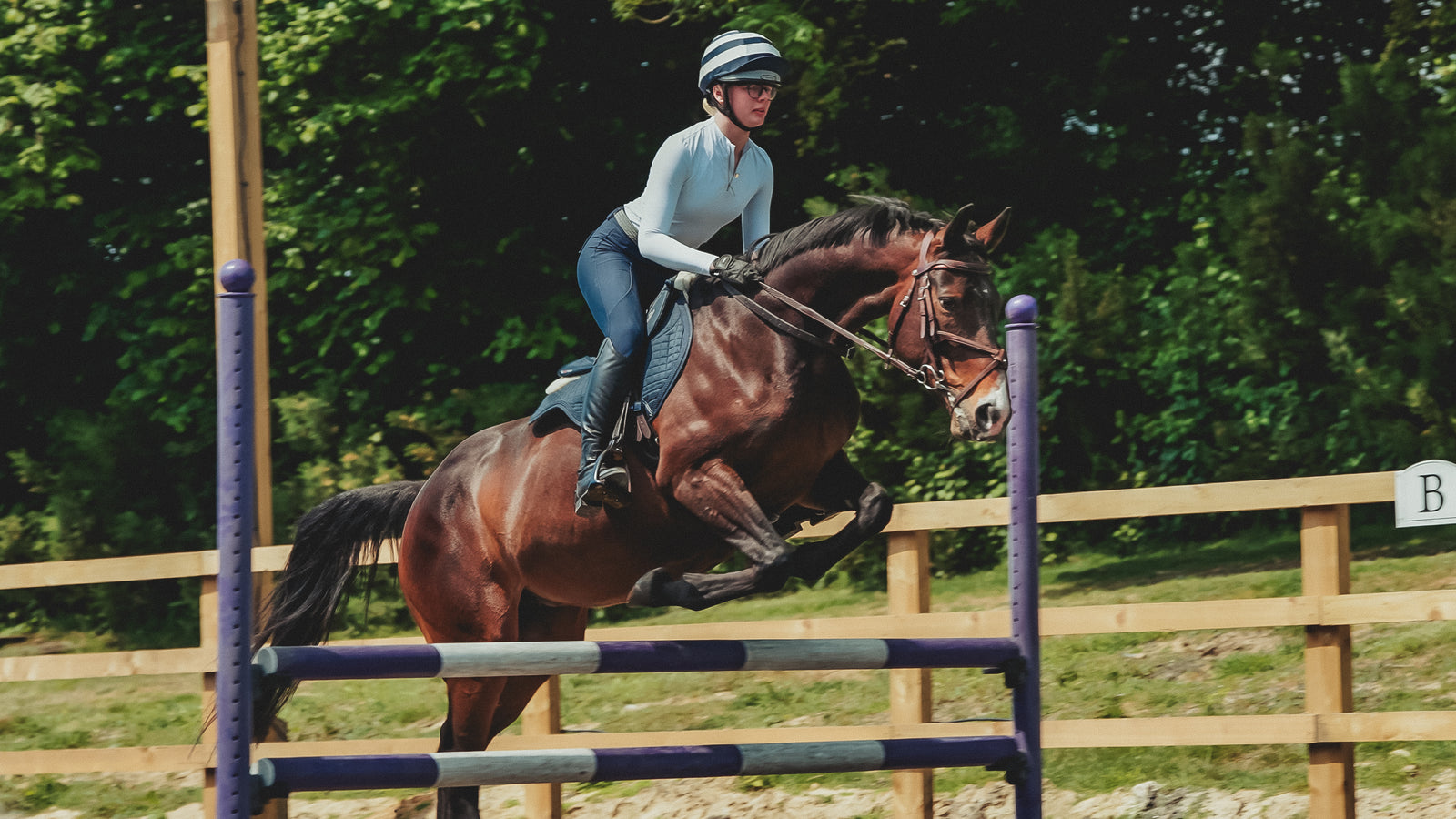
Yes. Total Contact Saddles are used for pleasure riding, trail riding, endurance, jumping, cross-country riding, and other activities. Its lightweight construction and flexible design have attracted riders who prefer a less restrictive saddle, particularly for longer rides. Some riders also use the TCS for horseback archery.
For organized competitions, owners should check the specific rules of their discipline and governing organization before entering. Equipment requirements vary, and not every competition permits the same saddle styles.
All three saddle ranges in the TCS line use the same fundamental design. The primary differences are the materials and finishes.
Because the saddle shape remains the same, choosing between these models is largely a matter of preferred materials, appearance, maintenance, and budget.
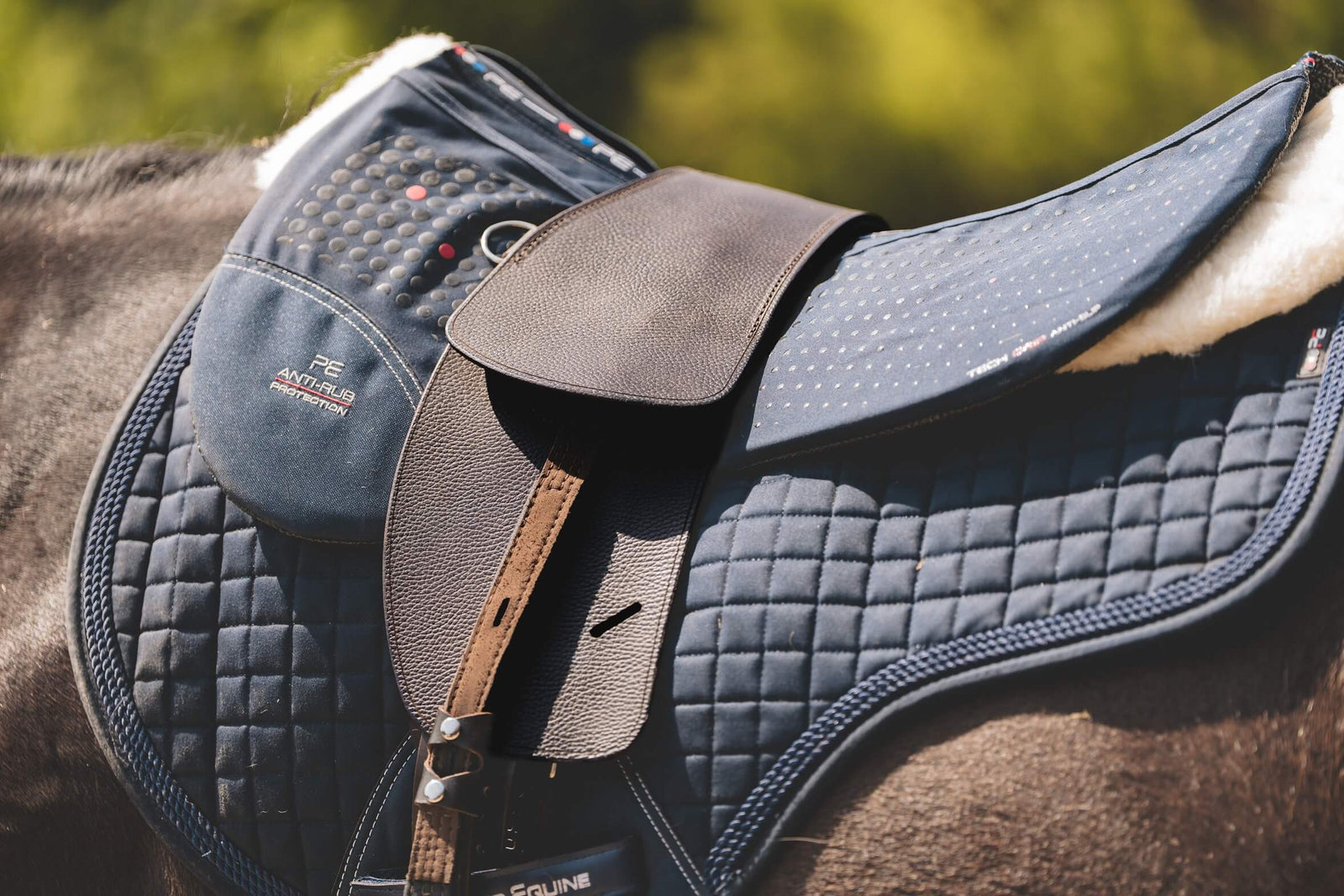
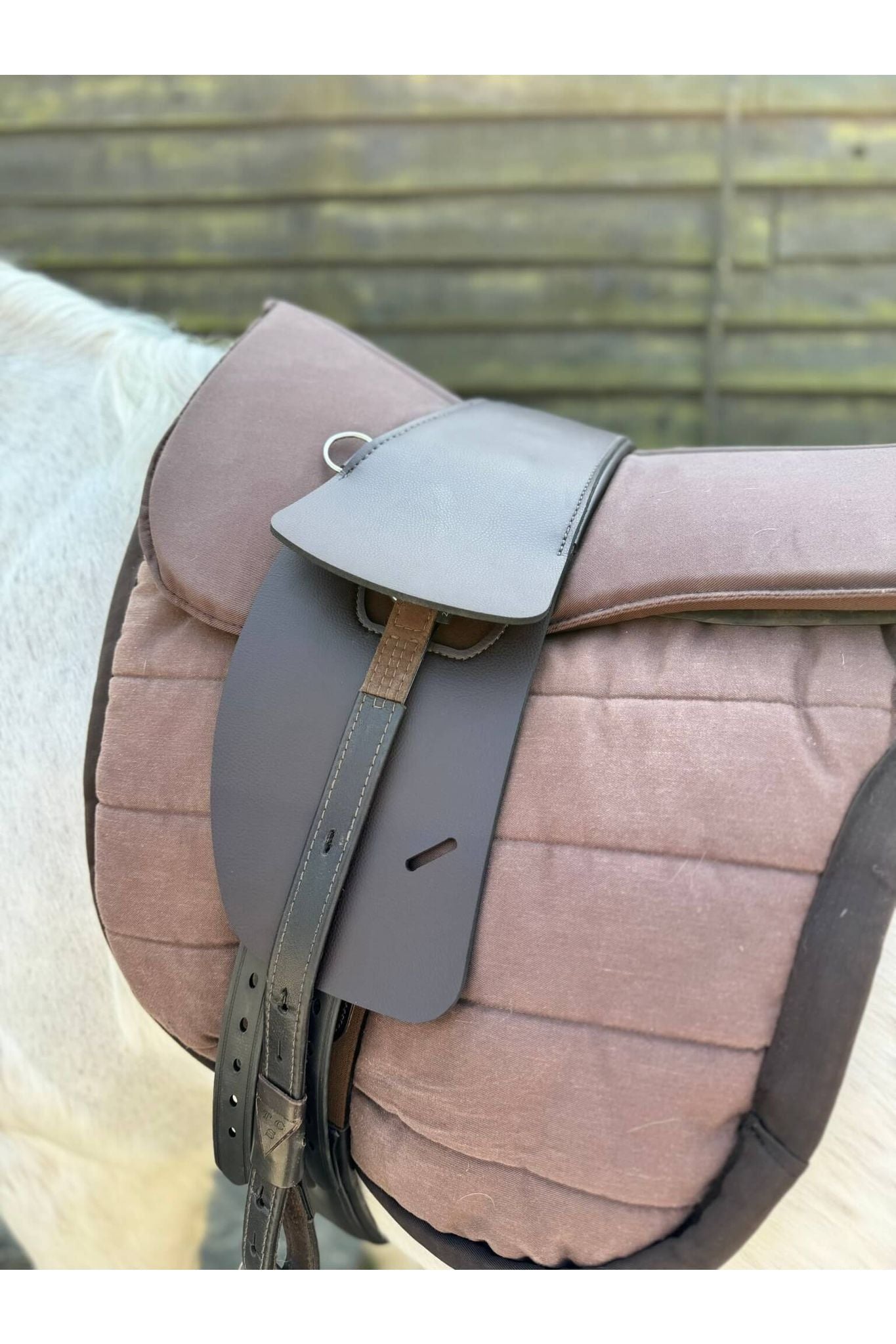
Yes!! TCS offers optional saddle seats for riders who prefer additional cushioning or a more traditional seat shape.
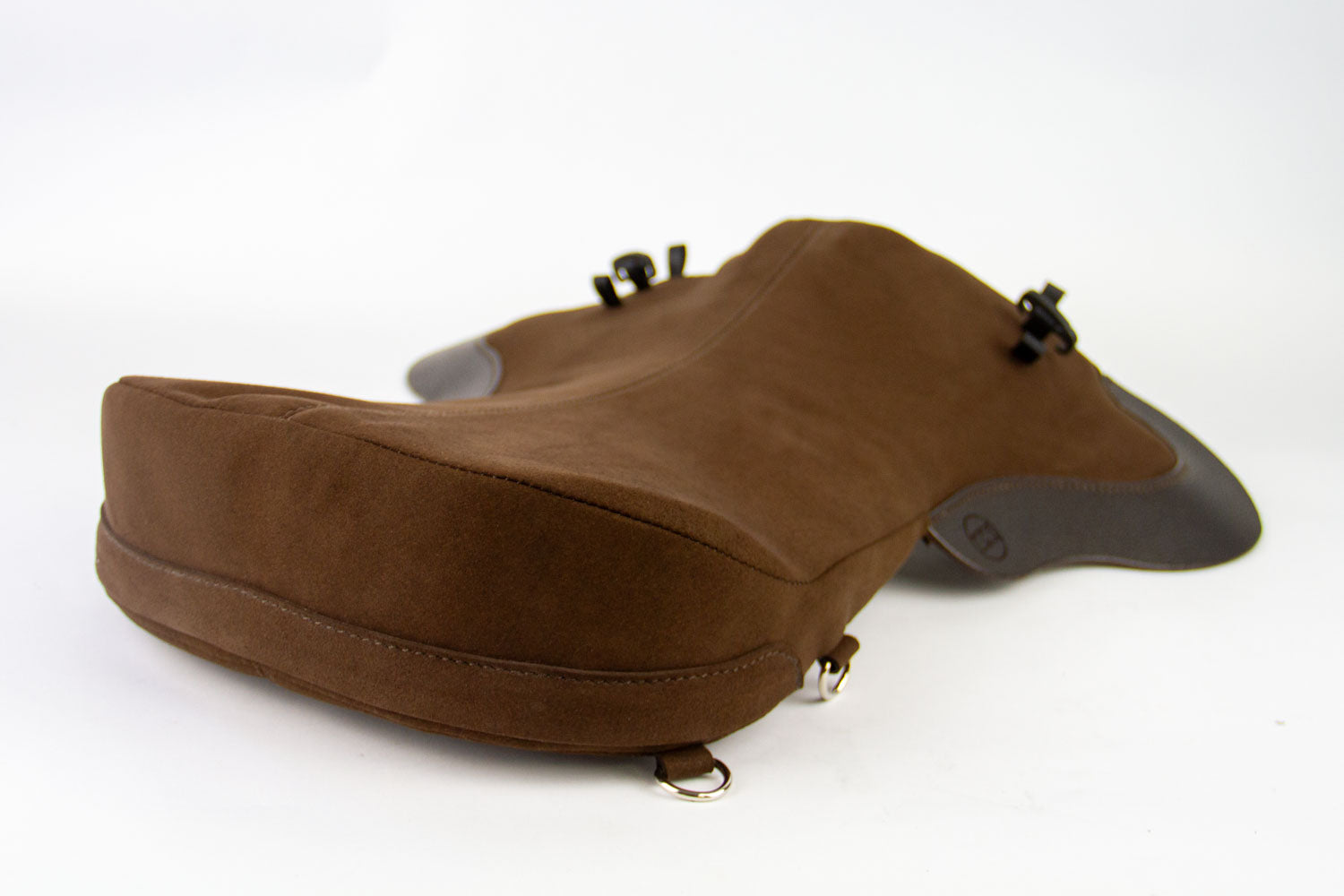
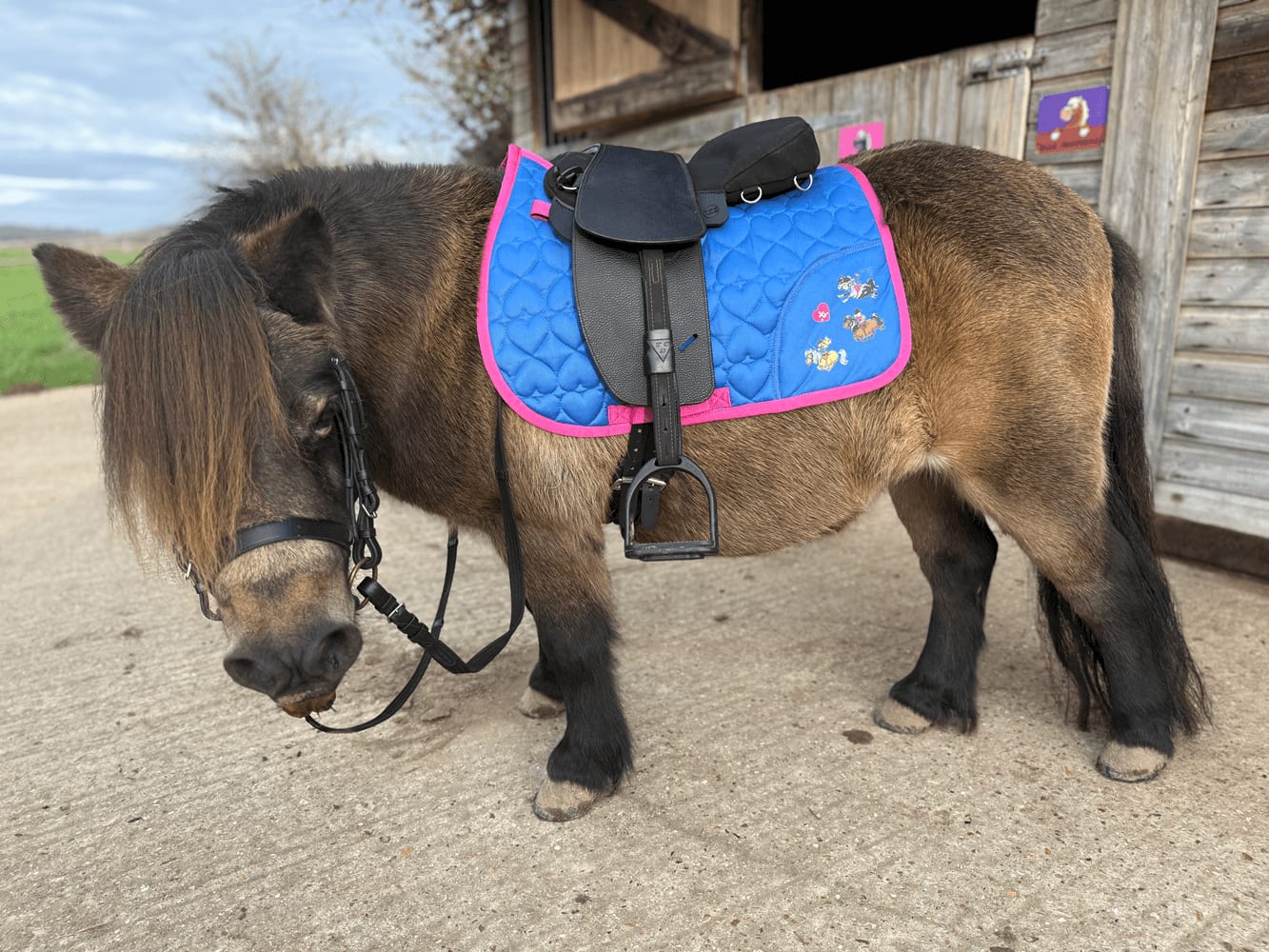
The TCS can accommodate ponies as well as larger horses, provided the saddle is correctly prepared for the individual animal. The company also offers a Children's Saddle Seat Pad designed for smaller riders. The child's riding experience, balance, and comfort should be considered when choosing equipment, just as they would with a conventional saddle.
TCS recommends following the commonly used 20% guideline, under which the combined weight of the rider, saddle, and equipment should not exceed 20% of the horse's body weight. This is general guidance rather than a guarantee that every horse can comfortably carry that percentage. The individual horse's condition and suitability for ridden work remain important considerations.
We knew you would and we are confident you will love it! Total Contact Saddles offers a "14-day trial" and "money-back guarantee" on eligible new saddles and saddle seats, beginning when the customer receives the order. This allows owners to experience the saddle before making a final decision.
Returned items must be in near-new condition, and customers are responsible for return postage. Original shipping and export-related charges may be deducted from refunds on international orders. The complete return conditions are available on the TCS website.
TCS is becoming popular in the USA. American customers can shop through the company's U.S. website, where prices are displayed in U.S. dollars. Shipping charges are calculated at checkout, and international orders may be subject to applicable import fees. TCS also provides assistance with questions about saddle selection, padding, and girthing before ordering.
For horse owners who have struggled with saddle fit, want a lighter treeless saddle, or simply enjoy the idea of a closer connection with their horses, the Total Contact Saddle is the answer! You’ll love helping your horse to feel the slightest ‘cue’, all while you enjoy the security of the stirrups to help keep you balanced. Progress with your riding as never before, with the Total Contact Saddle and order today!!
The Total Contact Saddle was developed by Stuart Atwood and is now made by Total Contact Equine Solutions, a family-run business in Kent, England. It is operated by Mélanie Nahum-Cooper and Christopher Cooper. Mélanie holds a degree in Equine Management and has ridden in a TCS since 2013, after her own struggle to find a comfortable saddle for her horse. TCS has more than 15 years of history.
A close contact treeless saddle has no rigid tree, so it follows the shape of the horse's back and lets the rider feel the horse move. Some treeless saddles use thick padding and shaped panels that feel much like a conventional saddle. The Total Contact Saddle takes the minimal route: a flexible, padded construction under 1.5 kilograms (about 3.3 pounds) that gives a bareback-style feel while keeping stirrups for support.
A saddle that can follow the horse's own shape, padded and placed for that horse, is usually the answer. The Total Contact Saddle is designed for broad-backed cobs, high-withered Thoroughbreds and short-backed horses, from small ponies to large breeds. Because it has no rigid tree, there are no tree-width adjustments. Padding, placement and girthing still have to suit the individual horse, and some high-withered horses need extra shimming at the base of the withers.
It uses built-in padding and a wide reinforcement plate connected to the stirrup fittings. When the rider stands in the stirrups, that construction is designed to create a bridging effect that keeps direct pressure off the spine. TCS has run pressure assessments, including digital pressure testing and Port Lewis Pads, and describes a pilot study on back temperature and freedom of movement.
All three share the same saddle shape; only the materials and finish differ. The Synthetic TCS is easy-care man-made material and a vegan option. The Classic TCS is flexible leather with a traditional look, and the Premium TCS uses thicker, more heavily oiled leather. Each comes with short billets for standard girths or long billets for shorter dressage-style girths.
The U.S. website lists prices in U.S. dollars. At the time of writing it shows the Synthetic TCS at $435.00, the Classic TCS at $574.00 and the Premium TCS at $668.00. Shipping is calculated at checkout, and international orders may be subject to import fees. Check the website for current prices and options.
Yes. Total Contact Saddles offers a 14-day trial and money-back guarantee on eligible new saddles and saddle seats, starting when you receive the order. Returned items must be in near-new condition, and you pay the return postage. On international orders, original shipping and export-related charges may be deducted from the refund, so read the full return conditions on the TCS website first.
Yes. Riders use the TCS for pleasure and trail riding, endurance, jumping and cross-country, and some use it for horseback archery. Its light, flexible build suits riders who want a less restrictive saddle on long rides. Before you compete, check your discipline's rules, because not every competition permits the same saddle styles. TCS recommends the 20% guideline: rider, saddle and equipment together should not exceed 20% of the horse's body weight.
Explore more from the InfoHorse.com directory
Explore expert guides on topics related to your business
By InfoHorse.com
By Bob Pruitt
By Anna Carner Blangiforti
By Bob Pruitt
By Mike Easton
By Bob Pruitt